The Most Expensive Ed Ruscha Artworks
The Most Expensive Ed Ruscha Artworks
Ed Ruscha stands among the very few living artists whose market operates comfortably in the tens of millions of dollars. In November 2024, his monumental gas-station painting Standard Station, Ten-Cent Western Being Torn in Half set a new auction record of roughly $68.3 million at Christie's in New York, lifting him decisively into the top tier of blue-chip post-war artists. This landmark sale caps a decade in which prices for his most important paintings have risen sharply - particularly for works from the early and mid-1960s that defined his singular approach to American iconography and text-based art.
Understanding these top auction results offers insight not only into Ruscha's artistic practice but also into how today's market values language-based painting, American mythologies, and the fertile intersection of Pop and Conceptual art. For collectors seeking to acquire works by this pioneering artist, examining what drives demand at the highest levels provides essential context for building a meaningful collection.
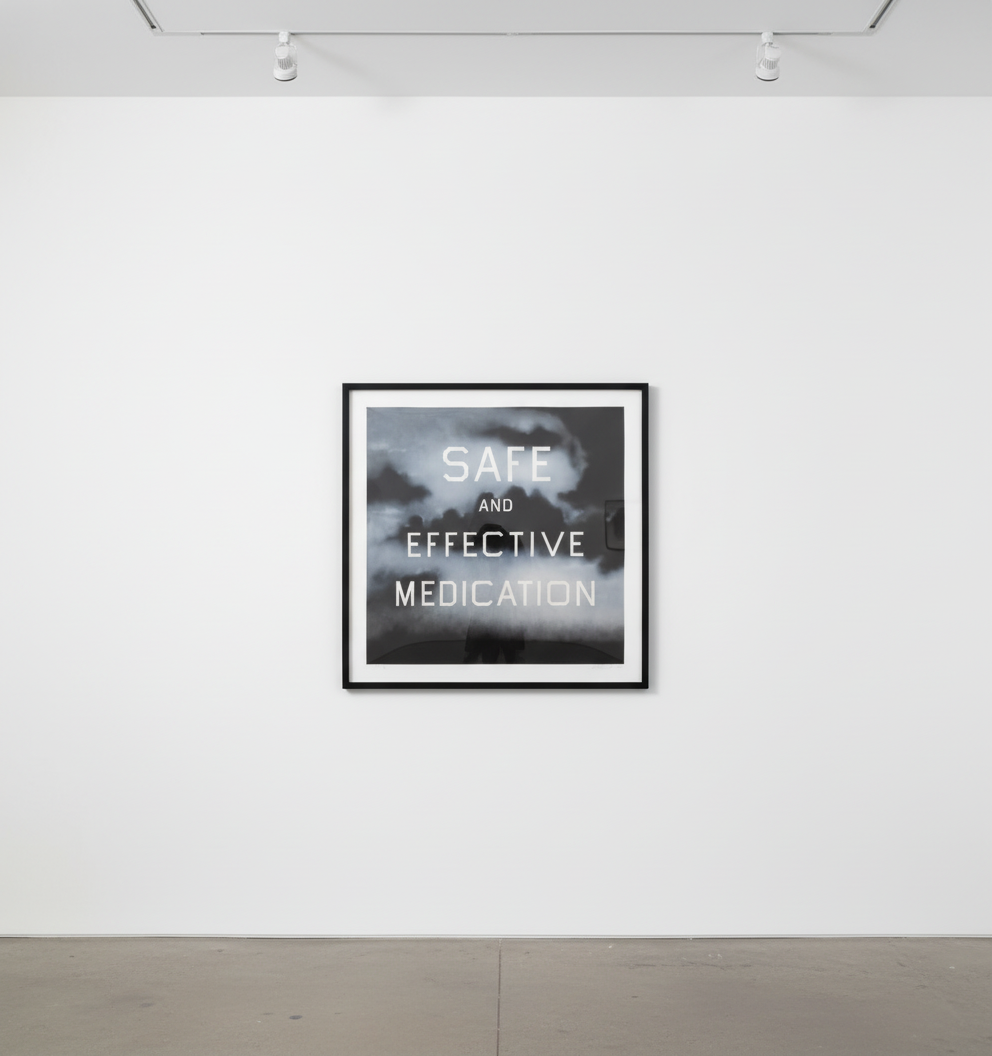
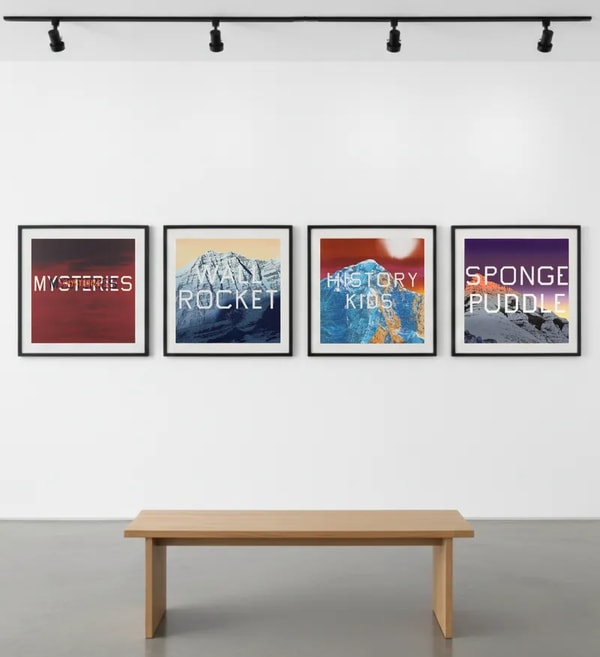
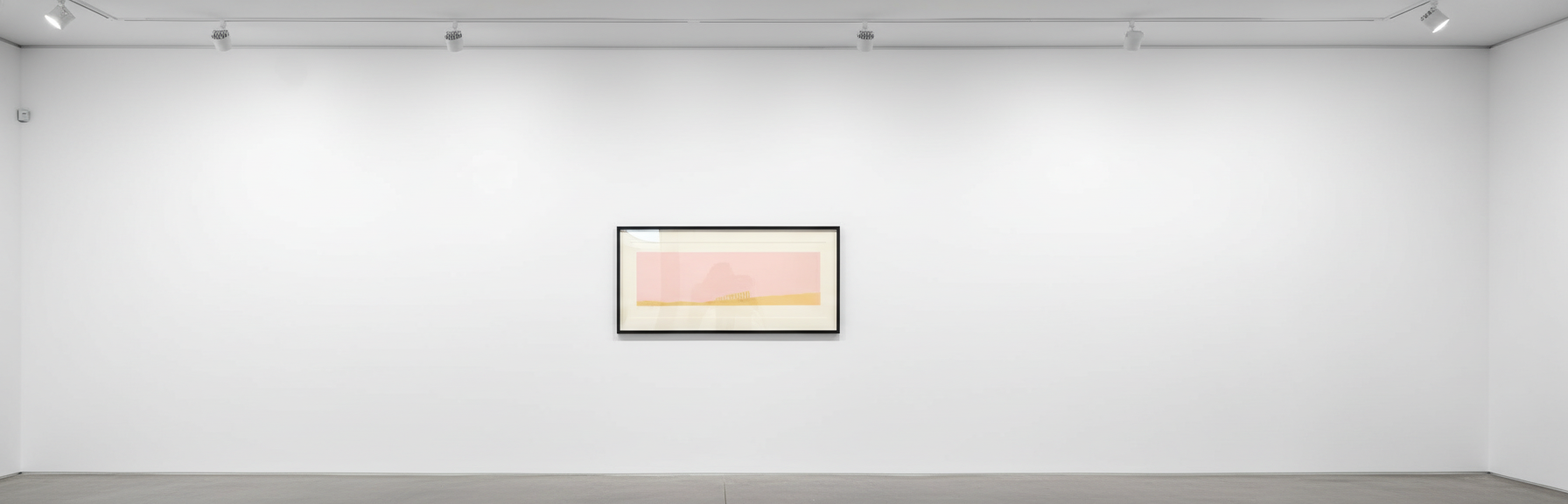
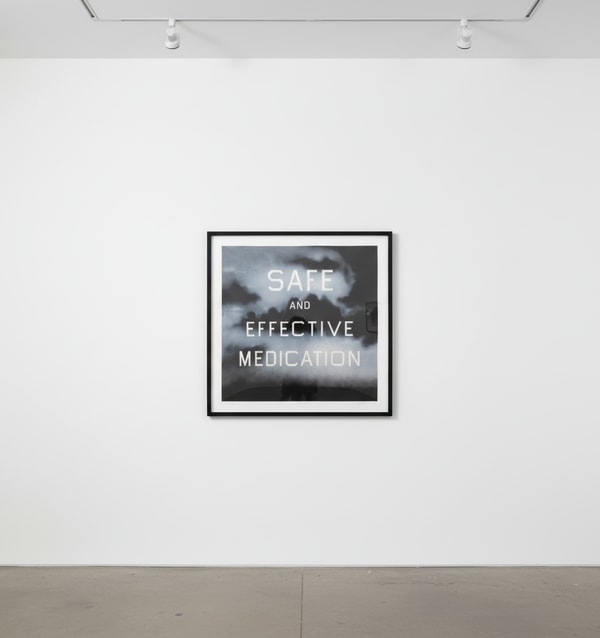
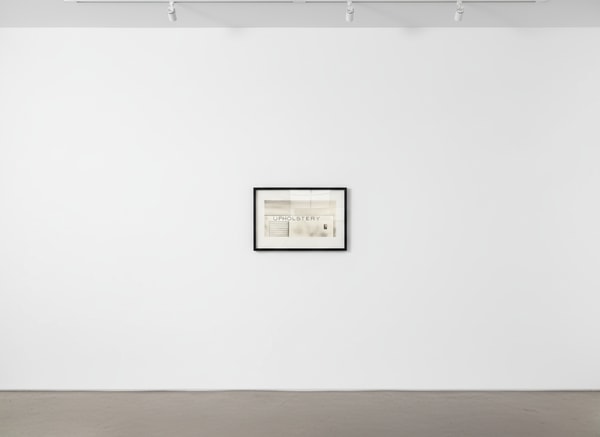
Safe and Effective Medication — Ed Ruscha. Available at Guy Hepner, New York.
Ed Ruscha - A Defining Voice in American Art
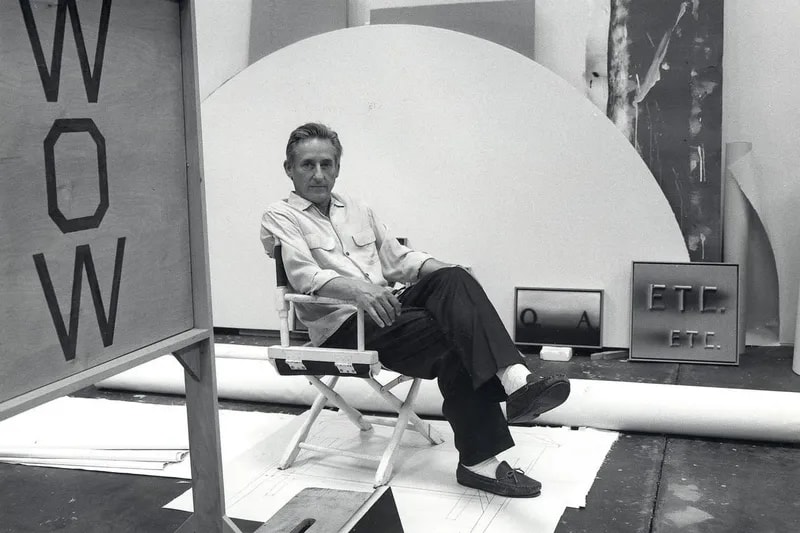
Born in Omaha, Nebraska in 1937 and based in Los Angeles since 1956, Ed Ruscha emerged as one of the most distinctive voices in post-war American art. His work bridges Pop Art's engagement with commercial imagery and Conceptual Art's investigation of language and meaning. Unlike many of his contemporaries who drew inspiration from New York's urban density, Ruscha found his subject matter in the horizontal expanses of the American West - gas stations, Hollywood signage, parking lots, and the endless ribbons of highway that define the California landscape.
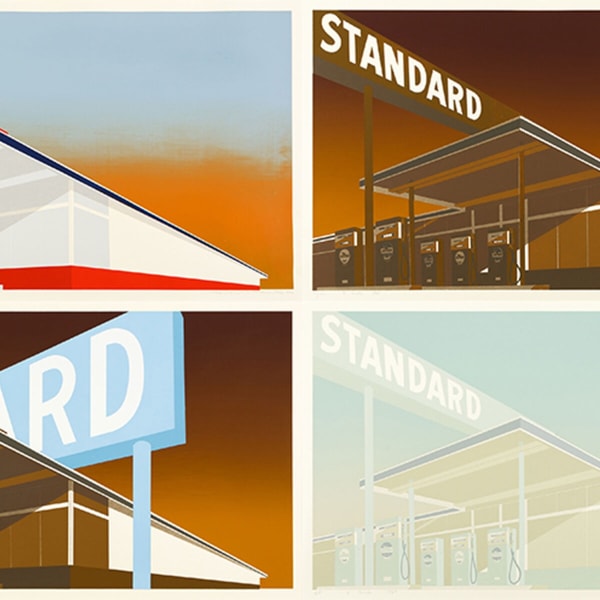
Ruscha's most celebrated paintings transform ordinary words and phrases into monumental visual statements. His word paintings - featuring terms like "OOF," "HONK," and "SMASH" rendered against gradated backgrounds - collapse the distinction between image and text in ways that anticipated contemporary conversations about semiotics and visual culture. His gas station paintings, meanwhile, elevate vernacular architecture to the status of American icon, treating roadside commerce with the same compositional gravity traditionally reserved for landscape painting.
The artist's influence extends far beyond his canvases. His artist books, beginning with Twentysix Gasoline Stations in 1963, pioneered an entirely new form of artistic expression and remain touchstones for contemporary photographers and book artists. This multidisciplinary practice - encompassing painting, drawing, printmaking, photography, and film - has secured Ruscha's position in major museum collections worldwide and established him as an essential figure in any serious consideration of late twentieth-century American art.
Record-Breaking Sales and Market Evolution
The $68.3 million achieved for Standard Station, Ten-Cent Western Being Torn in Half at Christie's represents the culmination of sustained market growth for Ruscha's most significant works. This painting, created in 1964, exemplifies everything collectors prize in his oeuvre - the iconic gas station imagery, the dramatic cinematic perspective, and the incorporation of pulp fiction elements that speak to American popular culture. The work had previously sold at auction in 2007 for $27.5 million, meaning its value increased nearly threefold over seventeen years.
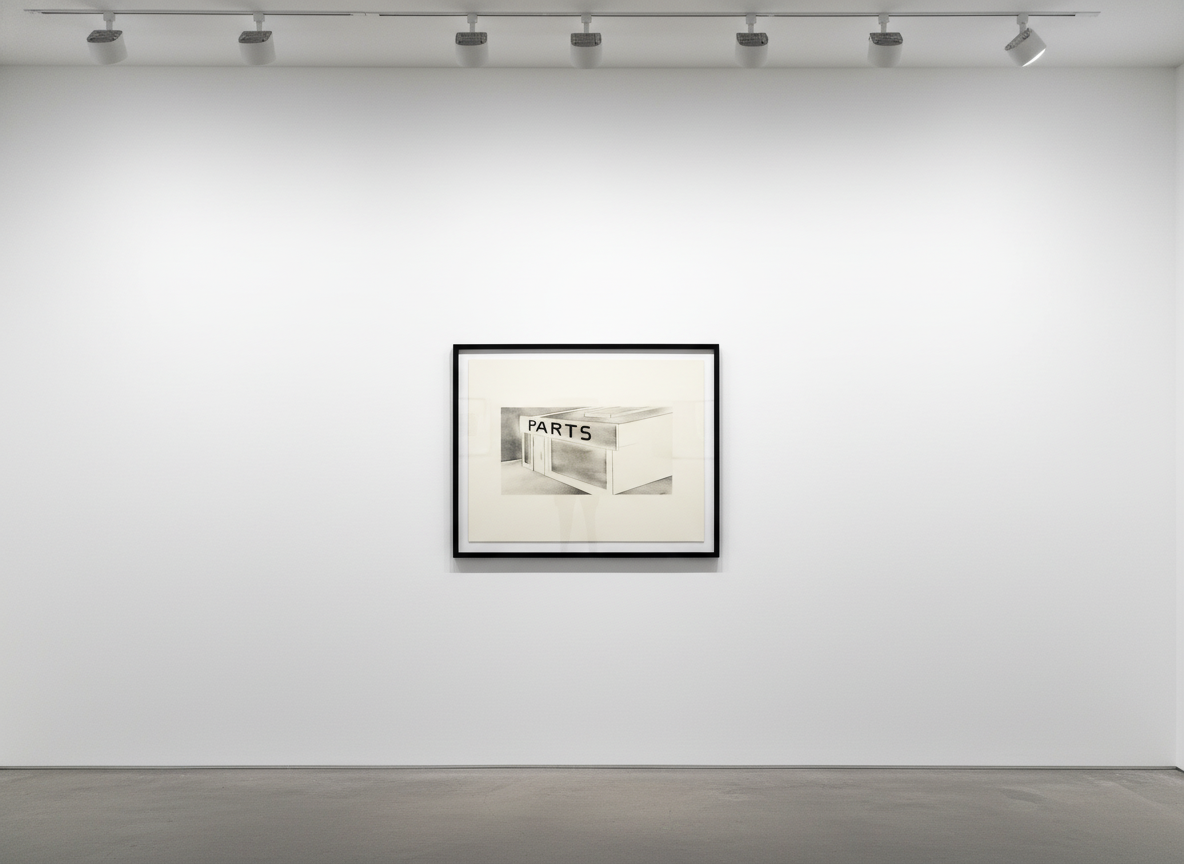
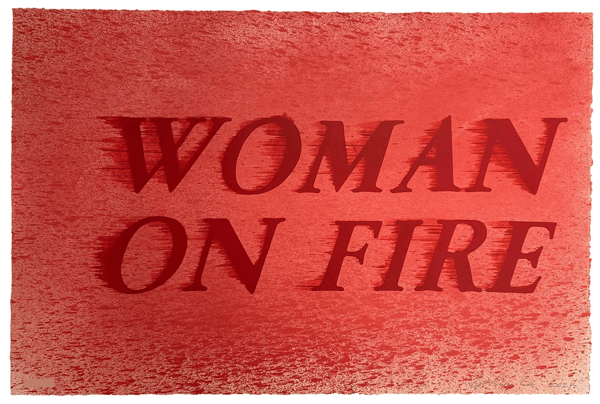
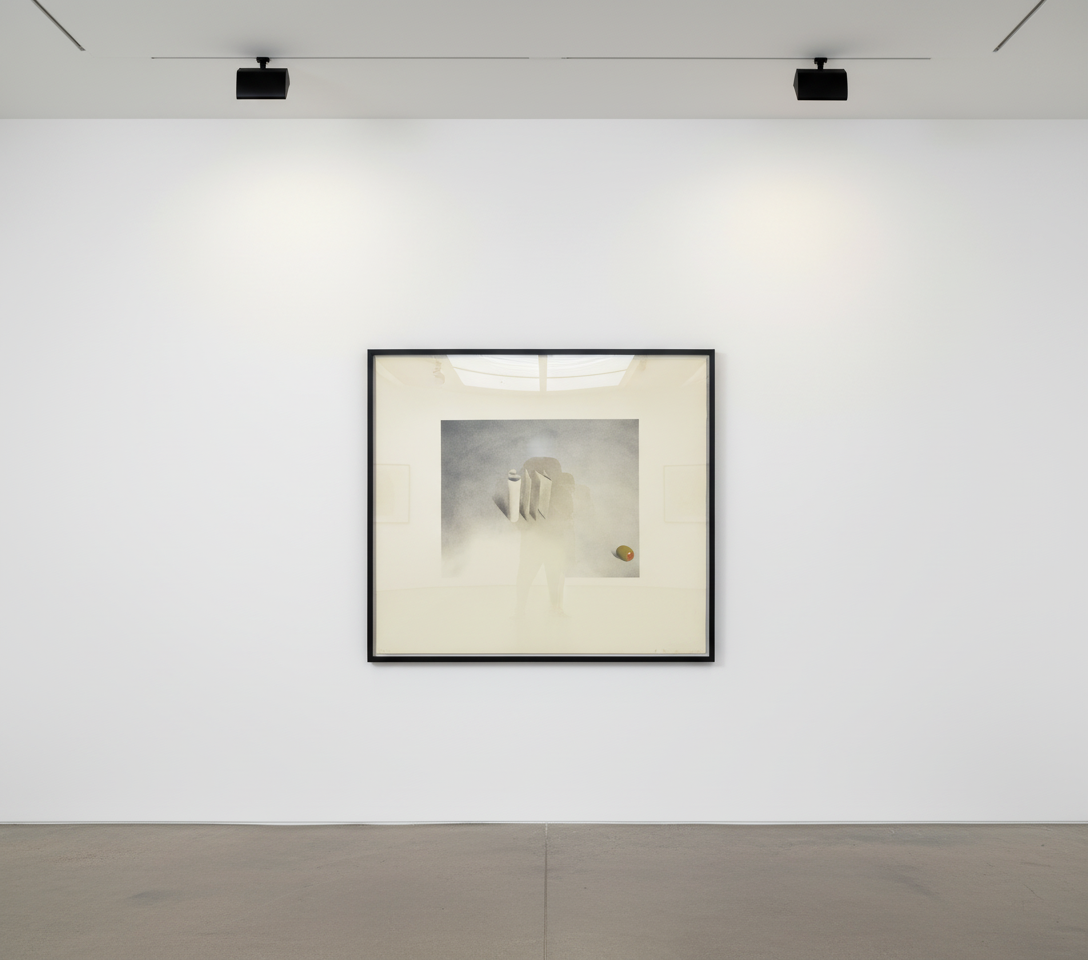
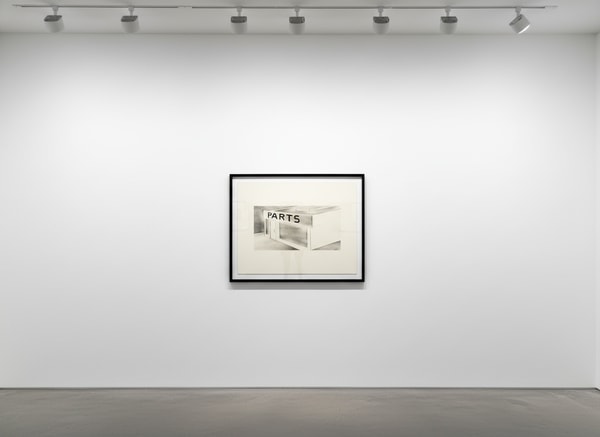
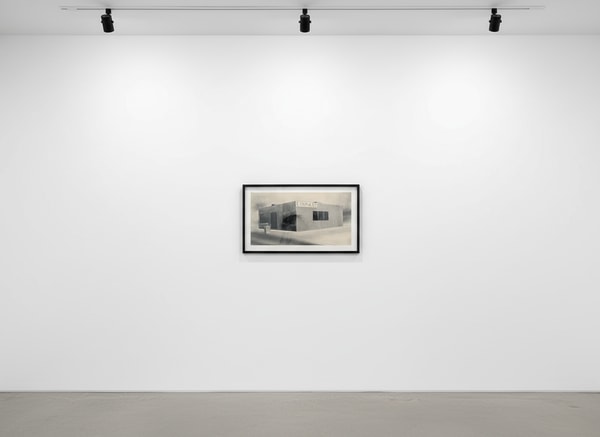
Parts — Ed Ruscha. Available at Guy Hepner, New York.
Other major auction results reinforce the strength of demand for Ruscha's prime-period canvases. His 1963 painting Hurting the Word Radio #2 achieved $52.5 million at Christie's in 2019, setting the previous auction record. That work featured the word "RADIO" being stretched and compressed by C-clamps - a conceptually rigorous yet visually arresting image that demonstrates Ruscha's ability to make language itself the subject of physical manipulation. The Art Basel and UBS Art Market Report has consistently identified Ruscha among the artists showing the strongest price appreciation in the contemporary segment.
What distinguishes Ruscha's market from many of his peers is its depth and consistency. While his top results naturally command headlines, the artist's works across various price points demonstrate robust collector interest. His prints and editions, produced throughout his career with remarkable attention to craft, offer entry points for collectors building positions in his work. Meanwhile, his paintings from the 1980s onward - including his dramatic silhouette works and mountain paintings - have shown significant appreciation as collectors recognise the coherence and quality of his extended practice.
What Drives Collector Demand for Ed Ruscha
Several factors converge to explain the exceptional prices Ruscha's work commands. First, there is the matter of historical importance. Ruscha occupies a pivotal position in art history, representing both the westward expansion of Pop Art beyond New York and the conceptual turn that would define much subsequent practice. Museums compete with private collectors for major works, creating scarcity pressure that supports prices.
Second, Ruscha's subject matter resonates with particular force for American collectors. His gas stations, Hollywood signs, and Western landscapes speak to a specifically American experience while maintaining the formal sophistication that appeals to international collectors. The works feel simultaneously nostalgic and contemporary - rooted in mid-century car culture yet prescient in their attention to branding, signage, and the built commercial environment.
Third, Ruscha's works possess an immediate visual impact that reproduces well and translates across cultural contexts. The clarity of his compositions and the boldness of his text works make them instantly recognisable - a quality that enhances their desirability in a market that increasingly values iconic imagery.
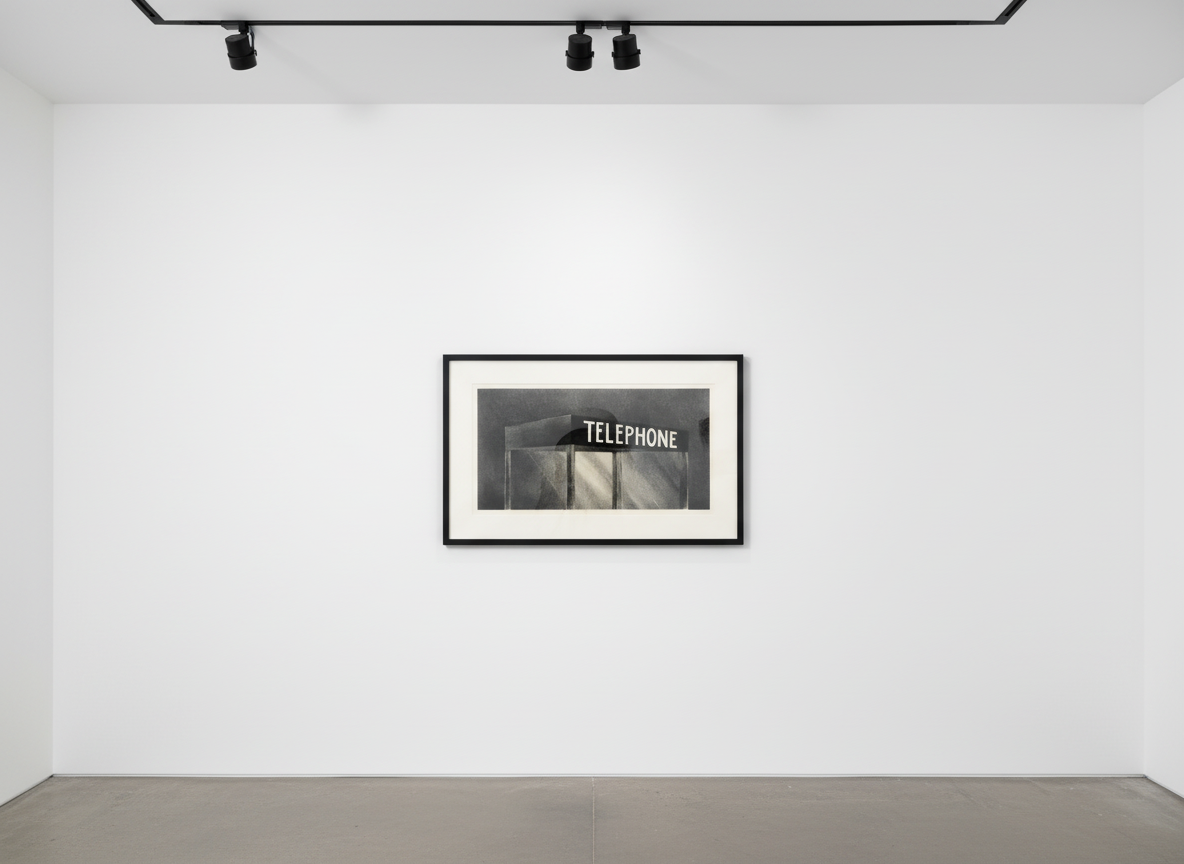
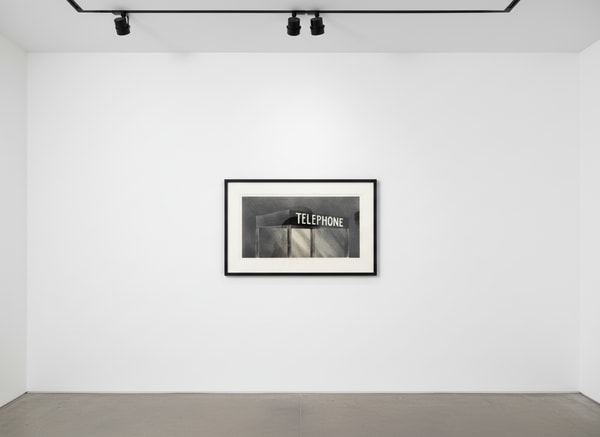
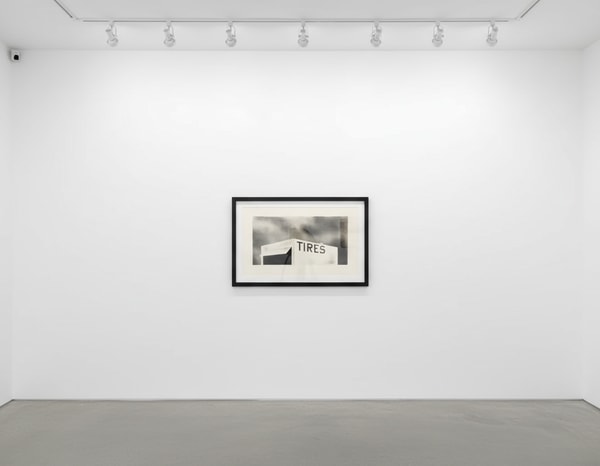
Telephone — Ed Ruscha. Available at Guy Hepner, New York.
Finally, Ruscha's consistent practice and ongoing engagement with his themes lends coherence to his market. Unlike artists whose careers fragment into disconnected phases, Ruscha's work rewards sustained attention, with later paintings entering productive dialogue with earlier achievements. Collectors can build meaningful groups of works that illuminate the artist's evolution while maintaining strong aesthetic unity.
Acquiring Ed Ruscha at Guy Hepner
Guy Hepner is pleased to offer works by Ed Ruscha to discerning collectors seeking to acquire pieces by this essential American artist. Our inventory includes paintings, works on paper, and significant prints spanning Ruscha's celebrated career. Whether you are establishing a position in his work or adding to an existing collection, our advisory team provides expert guidance on provenance, condition, and market positioning. We invite collectors to contact Guy Hepner directly to discuss available Ed Ruscha artworks and to arrange private viewings at our New York gallery.
Browse Series
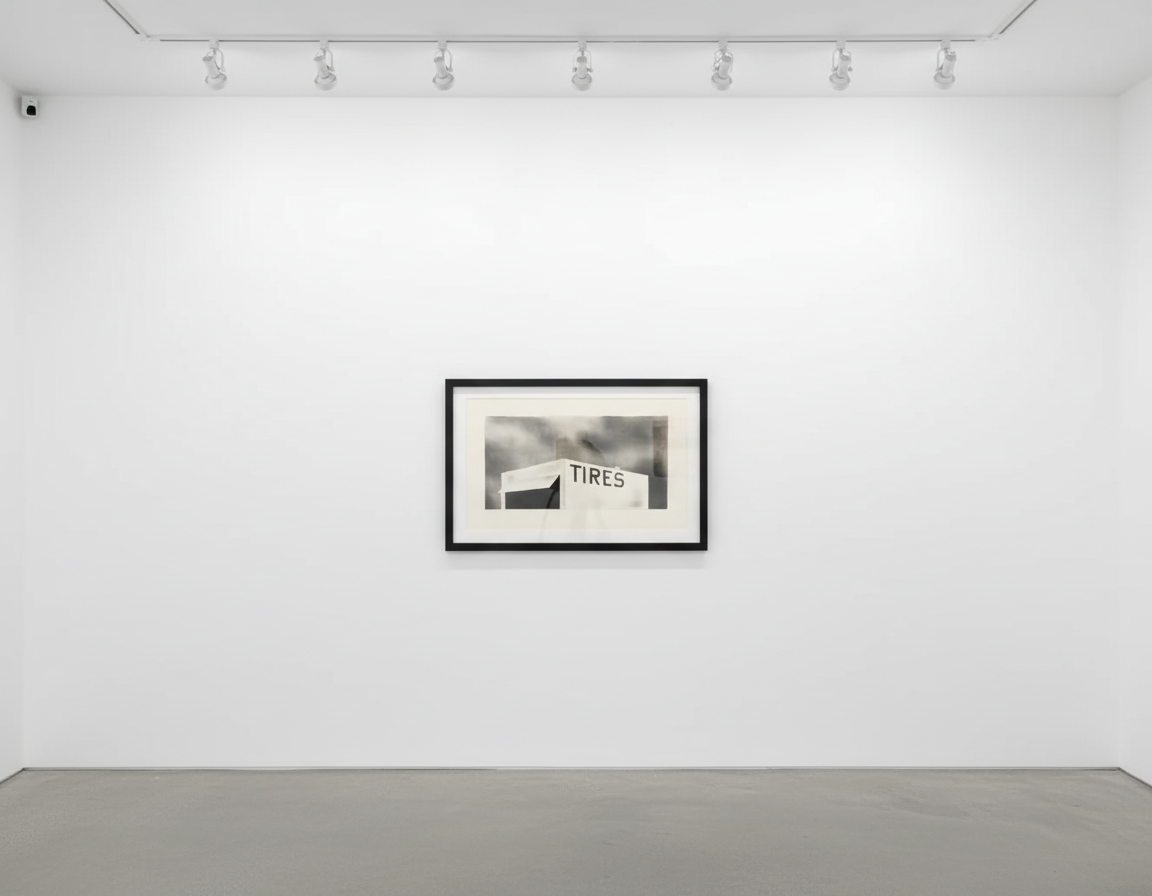
Works For Sale
Available through Guy Hepner
More from Guy Hepner