Flowers

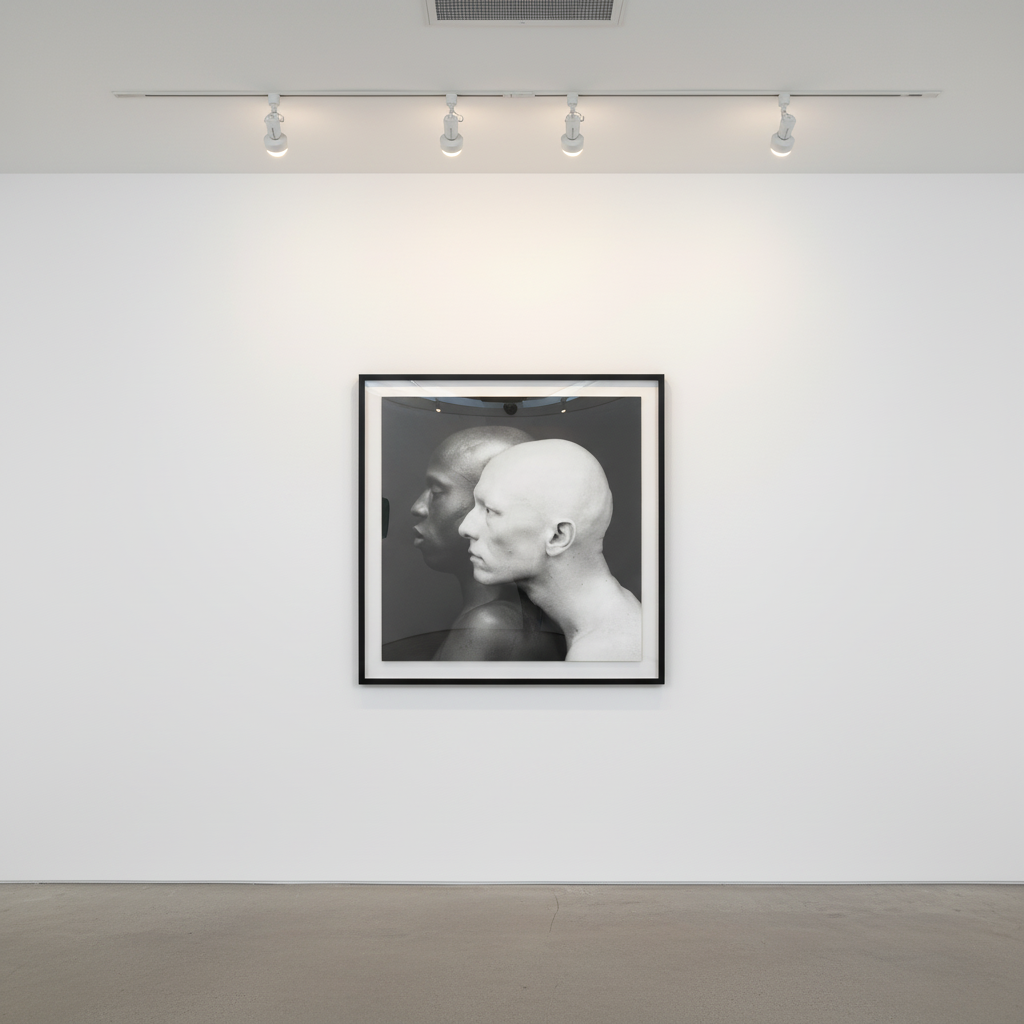
Robert Mapplethorpe remains one of the most influential and consequential photographers of the twentieth century, an artist whose singular vision transformed the medium and redefined what photography could express and achieve. From his emergence in the New York art scene of the late 1970s until his untimely death in 1989, Mapplethorpe created a body of work that continues to challenge, seduce, and inspire. His photographs - characterised by their extraordinary technical precision, classical compositions, and unflinching exploration of beauty, sexuality, and the human form - occupy a unique position in the canon of contemporary art. Today, his legacy endures not only in museums and major collections worldwide but also in the sustained enthusiasm of collectors who recognise his work as both historically significant and aesthetically transcendent.
Born in 1946 in Floral Park, Queens, Robert Mapplethorpe grew up in a conventional Catholic household that would later stand in stark contrast to the transgressive nature of his mature work. His early life was marked by a restless search for identity and creative expression, leading him to enrol at the Pratt Institute in Brooklyn where he studied drawing, painting, and sculpture. During these formative years, Mapplethorpe began experimenting with mixed-media collages, often incorporating found images from magazines and other printed sources. It was through this process of appropriation and assemblage that he first encountered the Polaroid camera, a tool that would fundamentally alter his artistic trajectory.
Throughout the early 1970s, Mapplethorpe's relationship with the musician and poet Patti Smith proved instrumental to his development. The pair lived together at the Chelsea Hotel, immersing themselves in New York's avant-garde community and supporting each other's artistic ambitions. During this period, Mapplethorpe began transitioning from collage to photography, initially using Polaroids before acquiring a medium-format Hasselblad camera that would become synonymous with his mature aesthetic. His early Portraits of Smith, fellow artists, and members of the underground scene revealed an emerging mastery of light, composition, and psychological depth.
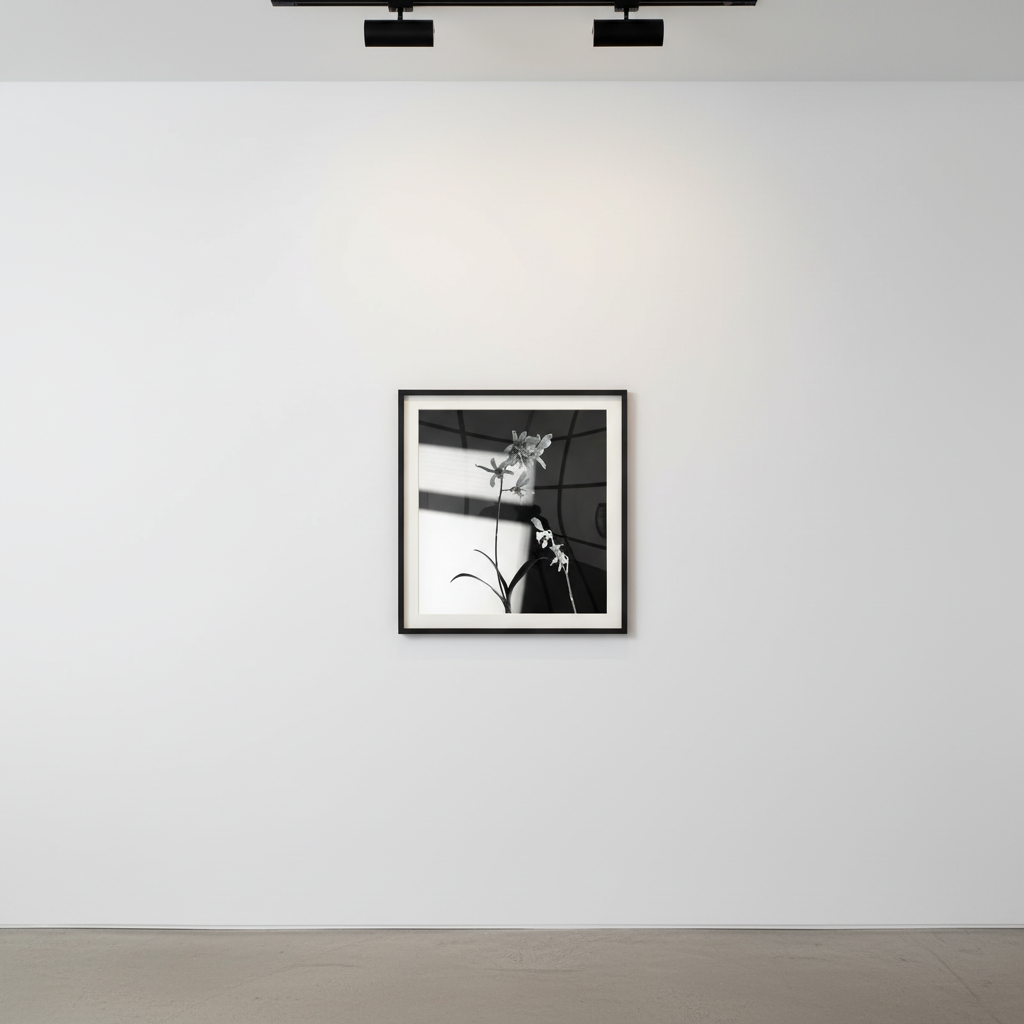
Flowers — Robert Mapplethorpe. Available at Guy Hepner, New York.
Mapplethorpe's mature work is distinguished by its remarkable formal elegance and its willingness to confront subjects that mainstream culture often deemed taboo. His portraits of the male figure - particularly those exploring the Black male body and the leather subculture of New York - challenged conventional representations of masculinity, race, and desire. Works such as the celebrated portrait of Ken Moody and Robert Sherman exemplify his ability to transform the human body into sculptural form, employing dramatic lighting and precise composition to create images of profound beauty and emotional resonance. These photographs drew explicit connections between classical aesthetics and contemporary identity, positioning the body as both subject and object of artistic contemplation.
Yet Mapplethorpe's genius extended far beyond his figure studies. His self-portraits constitute a remarkable chronicle of artistic self-examination, capturing the photographer at various stages of his life and career with unflinching honesty. From early images presenting himself as a romantic provocateur to later works confronting his mortality during the AIDS crisis, these photographs reveal an artist perpetually interrogating his own image and legacy.
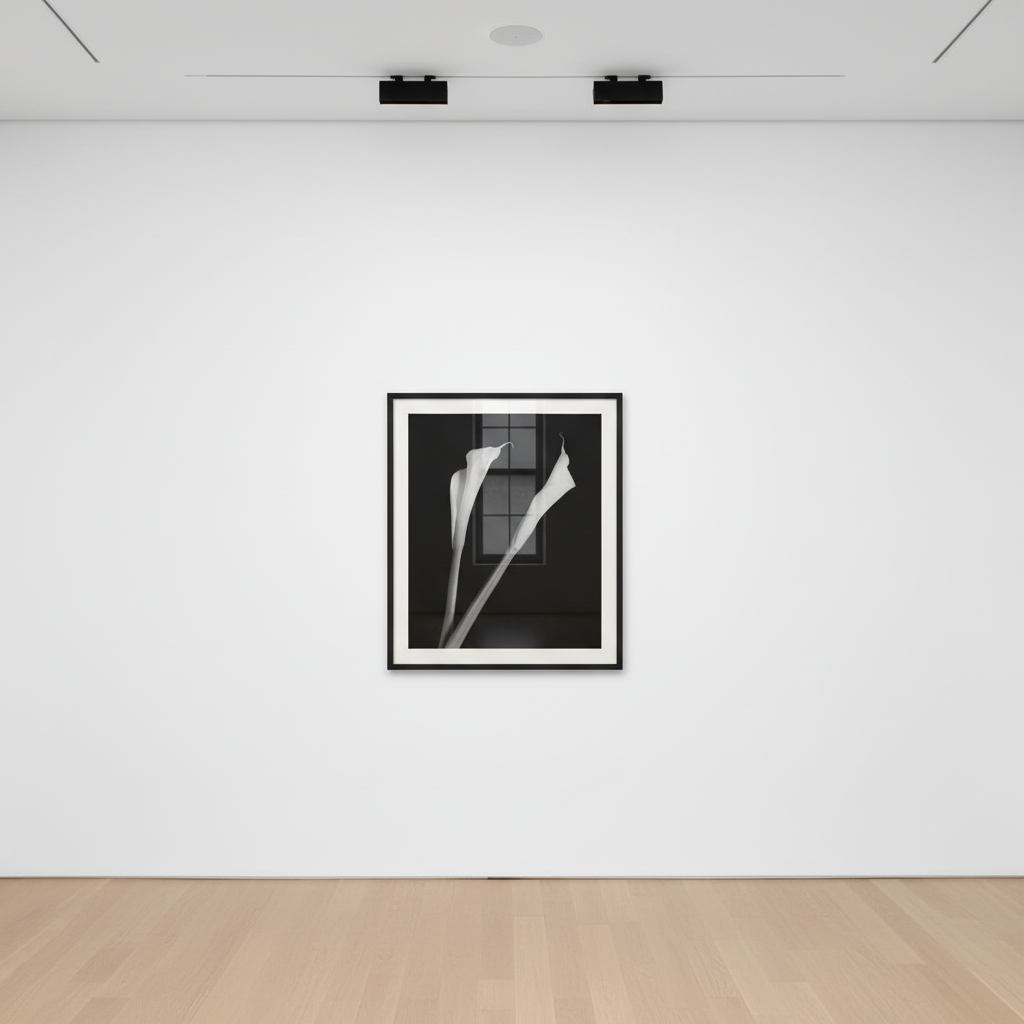
Calla Lilies — Robert Mapplethorpe. Available at Guy Hepner, New York.
Perhaps most surprisingly, given the controversial reputation that often precedes him, Mapplethorpe's flower photographs represent some of his most enduring and commercially significant work. His images of tulips, calla lilies, and other botanical subjects demonstrate the same formal rigour and sensual intensity that characterise his figure studies. These photographs transform organic forms into studies of line, curve, and shadow, revealing the inherent eroticism of natural beauty. The flowers appear sculptural, almost architectural, their petals and stems rendered with such precision that they seem to exist outside of time. According to the Art Basel and UBS Art Market Report, Mapplethorpe's floral works have consistently attracted strong collector interest, appealing to those who appreciate his technical mastery while perhaps seeking works of quieter provocation.
Robert Mapplethorpe's position in the art market reflects his enduring importance to the history of photography and contemporary art. Major auction houses including Christie's and Sotheby's have consistently presented his works in their most prestigious sales, with important prints achieving substantial results that underscore his blue-chip status. His photographs are held in the permanent collections of virtually every major museum of modern and contemporary art, from the Guggenheim and Whitney in New York to the Centre Pompidou in Paris and the Tate in London.
For collectors, Mapplethorpe represents an opportunity to acquire works by an artist whose influence on subsequent generations of photographers and visual artists cannot be overstated. His technical innovations - particularly his mastery of platinum printing and his revolutionary approach to studio lighting - established new standards of excellence in fine art photography. Moreover, his willingness to address themes of identity, desire, and mortality with both elegance and honesty ensures that his work remains urgently relevant to contemporary discourse.
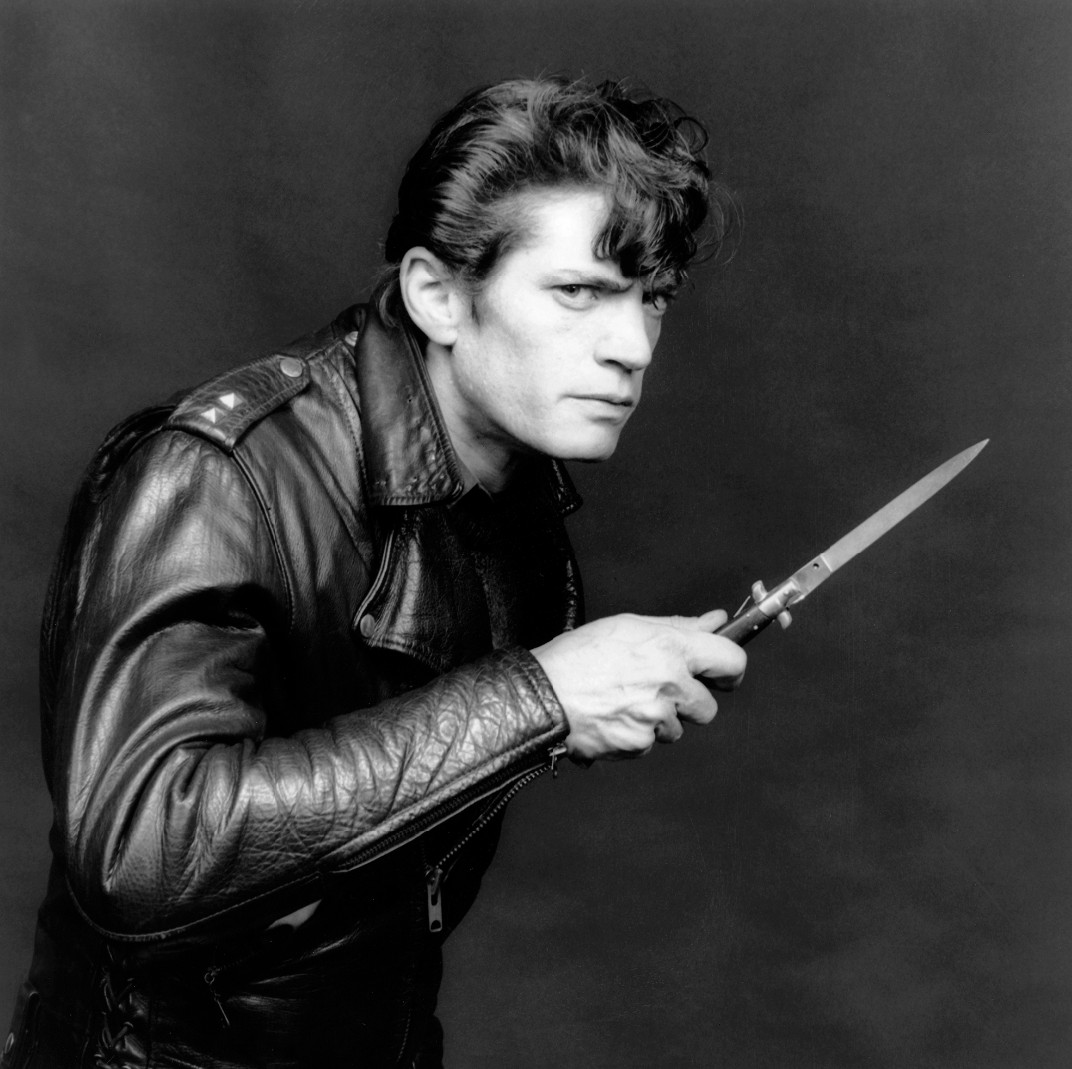
Self Portrait — Robert Mapplethorpe. Available at Guy Hepner, New York.
The Robert Mapplethorpe Foundation, established before his death to promote photography and support AIDS research, continues to carefully steward his legacy, controlling the authentication and limited production of posthumous editions. This institutional oversight has contributed to the stability and desirability of his market, providing collectors with confidence in the provenance and significance of available works.
Guy Hepner is proud to offer exceptional works by Robert Mapplethorpe, including his celebrated flower photographs and iconic portraits that demonstrate the full range of his artistic vision. Our gallery provides collectors with access to authenticated works accompanied by comprehensive provenance documentation and expert guidance. Whether you are drawn to the sculptural beauty of his calla lilies and tulips or the psychological depth of his portraiture, our team is prepared to assist in building a collection that reflects both aesthetic discernment and art historical significance. Contact Guy Hepner today to inquire about available works by Robert Mapplethorpe and discover why his photographs remain essential to any serious collection of contemporary art.
Explore Robert Mapplethorpe prints for sale at Guy Hepner: Flowers, Portraits.
Related Series