Flowers

March 5, 2024
Robert Mapplethorpe remains one of the most significant and influential photographers of the twentieth century, an artist whose uncompromising vision fundamentally transformed the medium and challenged the boundaries of fine art photography. His work continues to command extraordinary attention at auction houses and within prestigious private collections worldwide, cementing his position as a cultural force whose impact extends far beyond his tragically brief lifetime. At Guy Hepner, we recognize Mapplethorpe's photographs as essential acquisitions for discerning collectors seeking works that embody both historical importance and enduring aesthetic power.
Born on November 4, 1946, in Floral Park, New York, Robert Mapplethorpe emerged from a conventional Catholic upbringing to become one of the most provocative voices in contemporary art. His journey from suburban Long Island to the epicenter of New York's avant-garde scene represents one of the most remarkable transformations in modern artistic biography. After studying drawing, painting, and sculpture at Pratt Institute in Brooklyn, Mapplethorpe initially worked in mixed media, creating collages and assemblages before discovering photography as his primary means of expression.
The late 1960s proved formative for the young artist. Moving to New York City in 1967, Mapplethorpe immersed himself in the vibrant cultural landscape that would shape his artistic sensibilities. His legendary friendship and creative partnership with musician and poet Patti Smith provided both emotional sustenance and artistic inspiration during these early years of struggle and experimentation. The pair lived together at the Chelsea Hotel, a crucible of artistic innovation where Mapplethorpe began developing the visual language that would define his mature work.
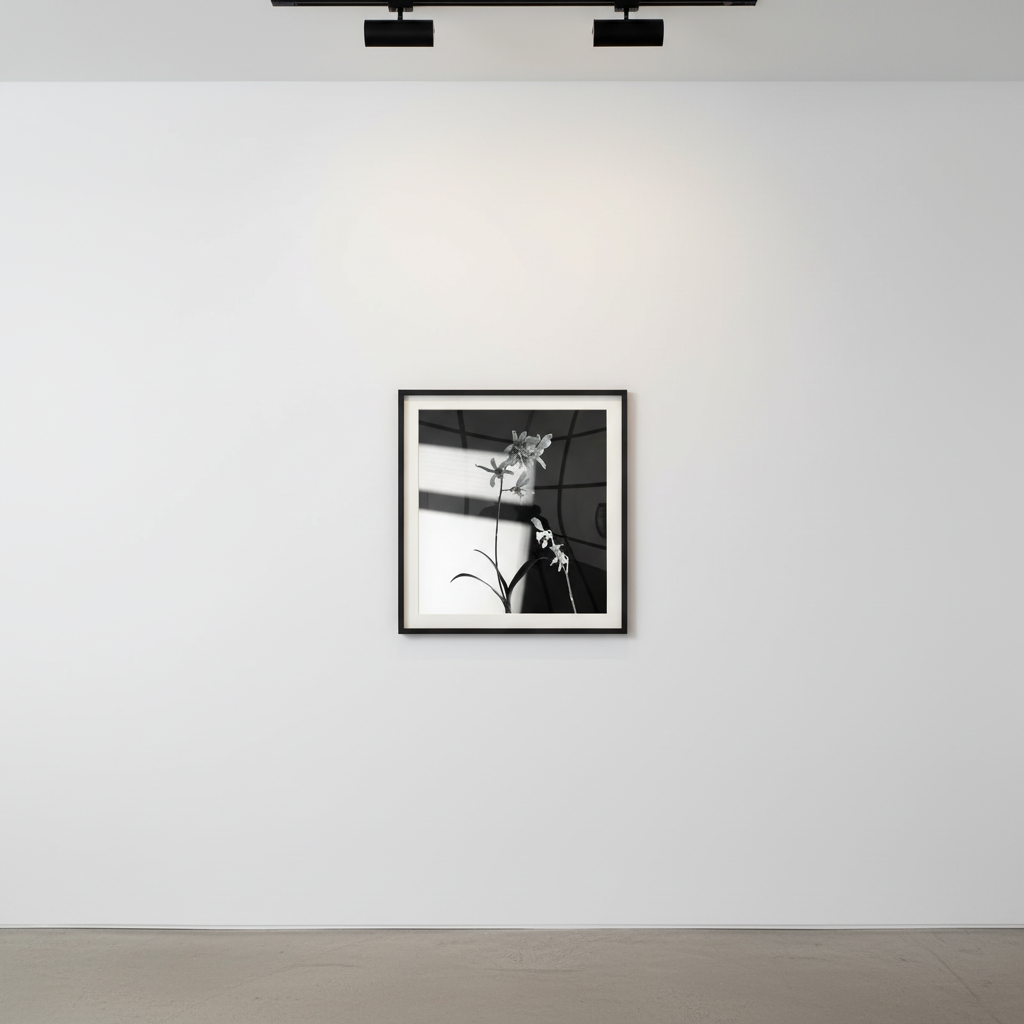
Flowers — Robert Mapplethorpe. Available at Guy Hepner, New York.
Mapplethorpe's distinctive aesthetic emerged fully in the 1970s and reached its apotheosis in the 1980s. His photographs are immediately recognizable - characterized by dramatic lighting, classical composition, and an almost sculptural approach to form that elevates his subjects into timeless icons. Working predominantly in black and white, Mapplethorpe brought the formal rigor of Renaissance painting to photography, treating the medium with a seriousness and intentionality that helped establish its legitimacy within fine art discourse.
His subject matter ranged across portraiture, figure studies, and still life, with each genre receiving the same meticulous attention and artistic gravity. Mapplethorpe's celebrity Portraits captured figures including Andy Warhol, Debbie Harry, and numerous luminaries of the art world, while his figure studies explored the human form with unprecedented frankness. His photographs of bodybuilder Lisa Lyon and his powerful portraits featuring Ken Moody and Robert Sherman demonstrated his ability to transform the human body into pure aesthetic form - sculptural, powerful, and transcendent.
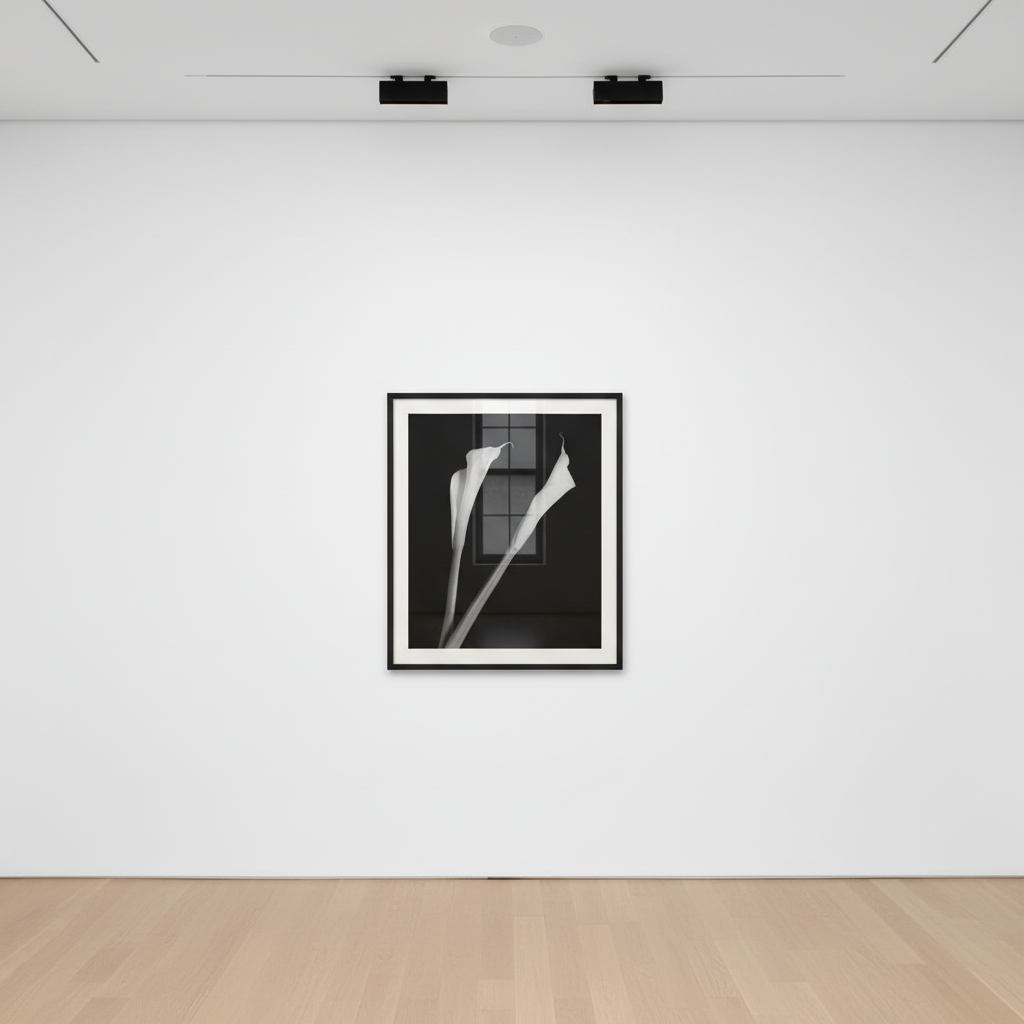
Perhaps most beloved among collectors are Mapplethorpe's extraordinary flower photographs. These images - featuring calla lilies, tulips, orchids, and roses - represent the artist at his most accessible yet equally sophisticated. In these botanical studies, Mapplethorpe applied the same exacting standards and sensual attention he brought to his figure work. The flowers become portraits in their own right, each petal and stem rendered with extraordinary precision and imbued with an almost erotic vitality that speaks to the artist's singular vision.
Calla Lilies — Robert Mapplethorpe. Available at Guy Hepner, New York.
Robert Mapplethorpe's influence on contemporary photography and visual culture cannot be overstated. His work sparked crucial debates about censorship, public funding for the arts, and the boundaries of acceptable expression - conversations that remain relevant today. The controversy surrounding his 1989 retrospective "The Perfect Moment" became a defining moment in American cultural politics, ultimately reinforcing the importance of artistic freedom and the power of provocative imagery.
From a market perspective, Mapplethorpe's photographs have demonstrated remarkable strength and consistent collector demand. According to data from Christie's and Sotheby's, his works regularly achieve significant results at auction, with major pieces commanding prices that reflect his canonical status within the medium. The Art Basel and UBS Global Art Market Report consistently identifies photography as a growing sector within the contemporary art market, with Mapplethorpe representing one of its most bankable names. His flower photographs, self-portraits, and figure studies all maintain strong secondary market performance, appealing to both established collectors and those newly entering the field.
What distinguishes Mapplethorpe's market position is the breadth of his appeal. His flower studies attract collectors who appreciate formal beauty and technical mastery, while his more challenging works draw those interested in art historical significance and cultural commentary. This versatility ensures robust demand across multiple collecting categories, making Mapplethorpe an exceptionally sound investment consideration.
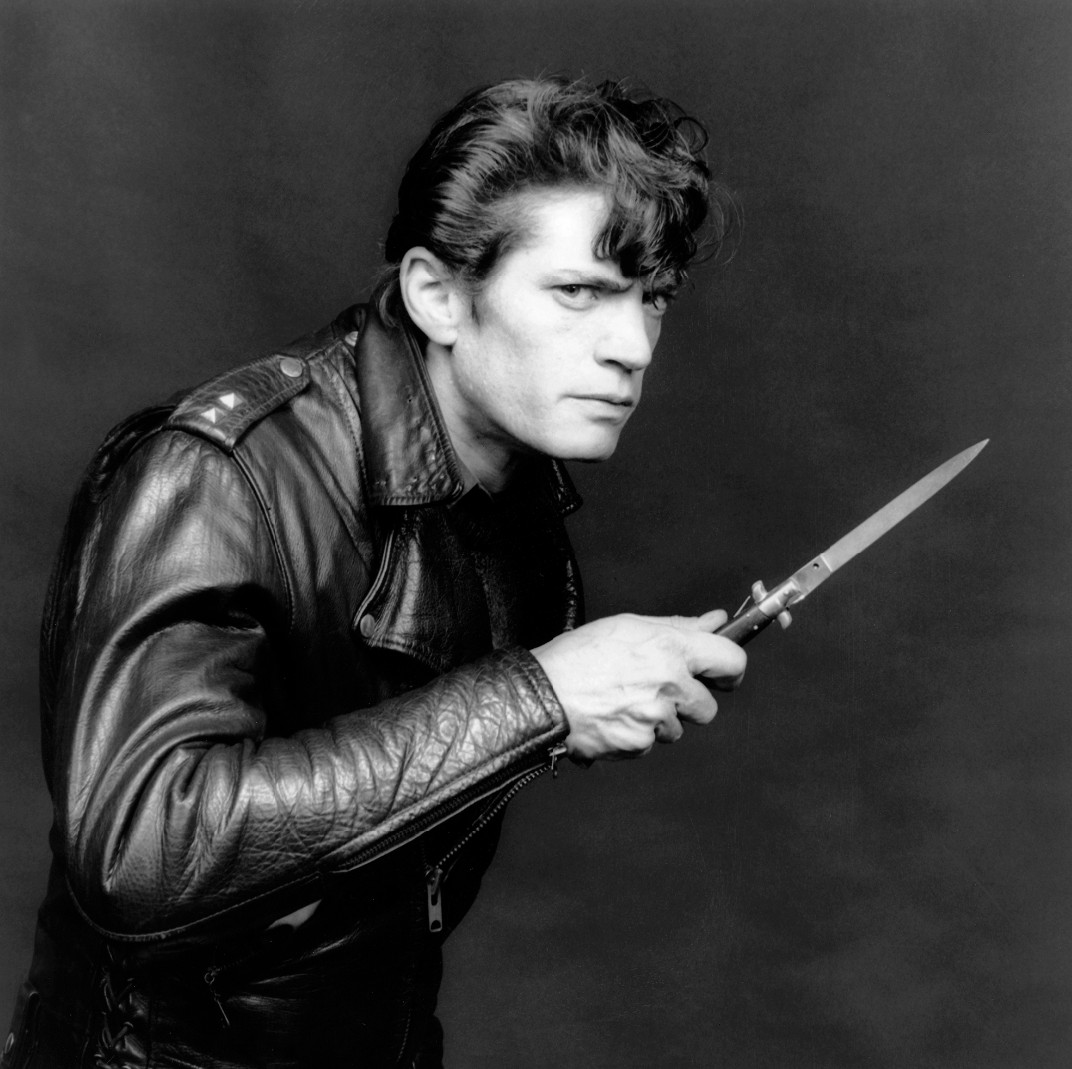
Self Portrait — Robert Mapplethorpe. Available at Guy Hepner, New York.
The enduring appeal of Robert Mapplethorpe's work lies in its perfect synthesis of formal excellence and conceptual depth. Each photograph demonstrates absolute mastery of light, composition, and printing technique while simultaneously engaging with larger questions about beauty, desire, and representation. His images possess a timeless quality that allows them to speak across generations - as relevant and arresting today as when they were first created.
For collectors, Mapplethorpe represents an opportunity to own works by an artist whose place in the canon is unassailable. His photographs hang in the world's most prestigious institutions, from the Museum of Modern Art to the Getty, and his influence is visible in countless contemporary practitioners working today. Acquiring a Mapplethorpe means participating in a legacy that continues to shape how we understand photography as fine art.
Guy Hepner is proud to offer exceptional works by Robert Mapplethorpe to our distinguished clientele. Our collection includes stunning examples from his celebrated flower series, powerful portraits, and other significant pieces that represent the full scope of his artistic achievement. We invite collectors to contact our gallery to discuss available works and discover how a Mapplethorpe photograph might enhance their collection. Our team of specialists stands ready to provide detailed provenance information, condition reports, and guidance on acquisition - ensuring that each client finds the perfect work to meet their collecting goals.
Explore Robert Mapplethorpe prints for sale at Guy Hepner: Flowers, Portraits.
Related Series