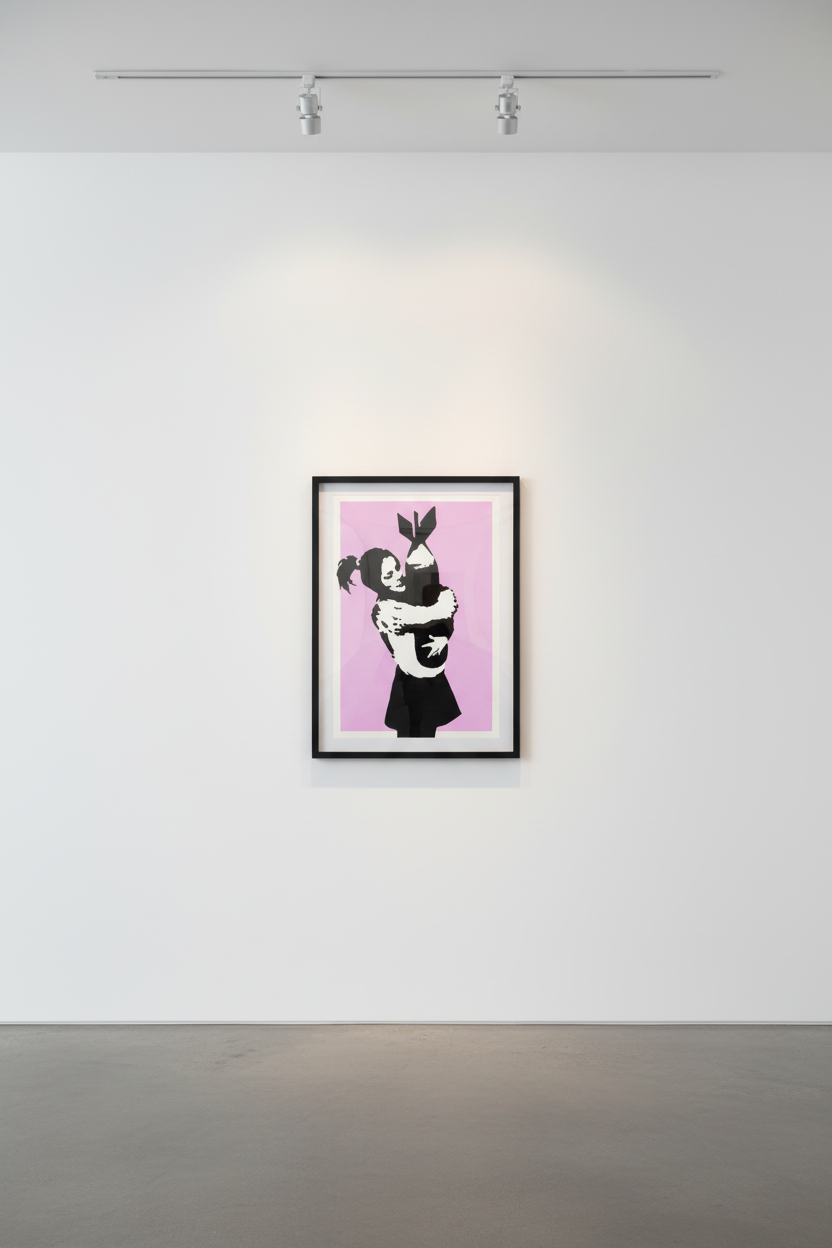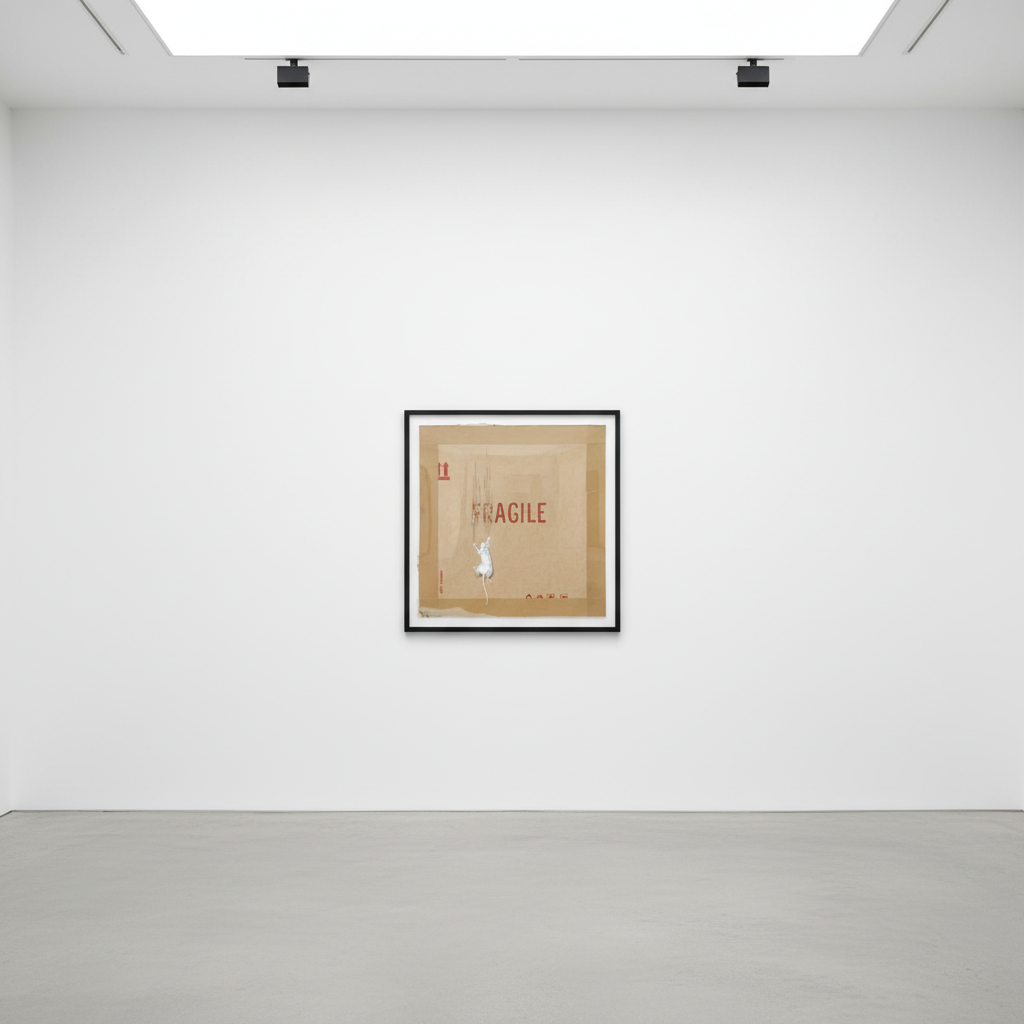
(Fr)agile

May 23, 2026
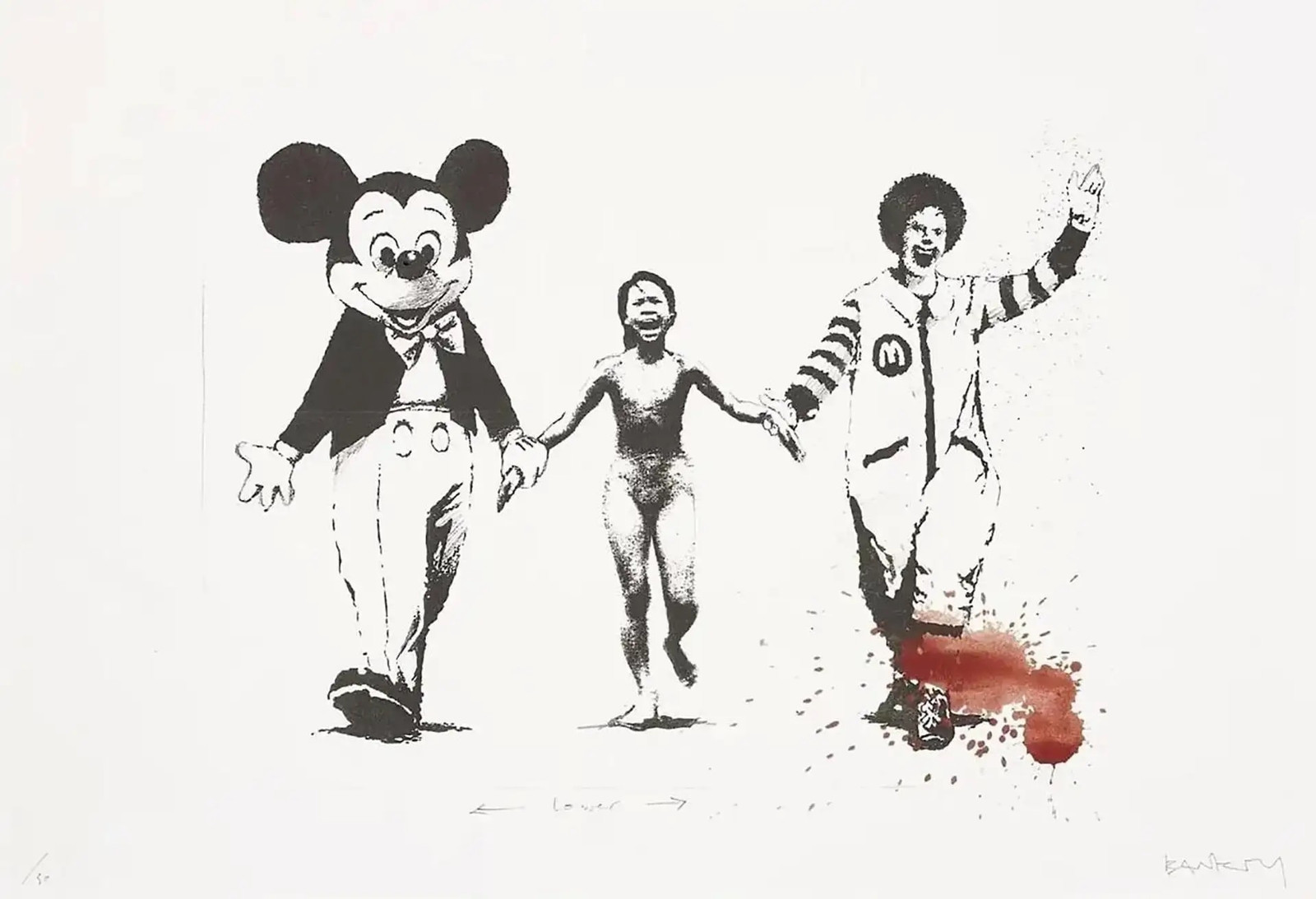
Banksy's artistic trajectory represents one of the most compelling narratives in contemporary art history. From his origins in the early 1990s as a graffiti writer experimenting with complex letterforms and wildstyle tags to his present-day status as a globally recognised social commentator whose work appears in war zones and prestigious auction houses alike, Banksy has continually evolved both his visual language and conceptual framework. This exploration examines how his aesthetic and ideological voice has transformed over three decades - from underground graffiti subculture to poignant political murals in Ukraine - while maintaining an unwavering commitment to accessibility, subversion, and the democratisation of public space.
Banksy's earliest works emerged from the vibrant and rebellious graffiti scene in Bristol during the early 1990s. He was initially part of a crew called the DryBreadZ, and his formative output focused heavily on traditional graffiti techniques - particularly wildstyle. This complex, interlocking letterform style emerged from New York City's pioneering graffiti culture and is characterised by angular shapes, arrows, sharp curves, and deliberately unreadable scripts designed to establish territorial presence and demonstrate technical mastery.
During this period, Banksy operated within the established conventions of graffiti culture, where reputation was built through prolific tagging and stylistic innovation within accepted parameters. His work from this era bears little resemblance to the iconic stencilled imagery that would later define his practice. Instead, these pieces reflect a young artist immersed in the competitive world of illegal street art, honing technical skills while absorbing the anti-establishment ethos that would become central to his mature work.
The pivotal shift in Banksy's methodology came in the mid-1990s when he began experimenting with stencil techniques. According to various accounts, this transition was partly pragmatic - stencils allowed for faster execution, reducing the risk of arrest during illegal painting sessions. However, this technical adaptation would prove transformative, enabling the clean, graphic aesthetic that distinguishes his subsequent work and allows his imagery to communicate instantly with viewers regardless of their familiarity with street art conventions.
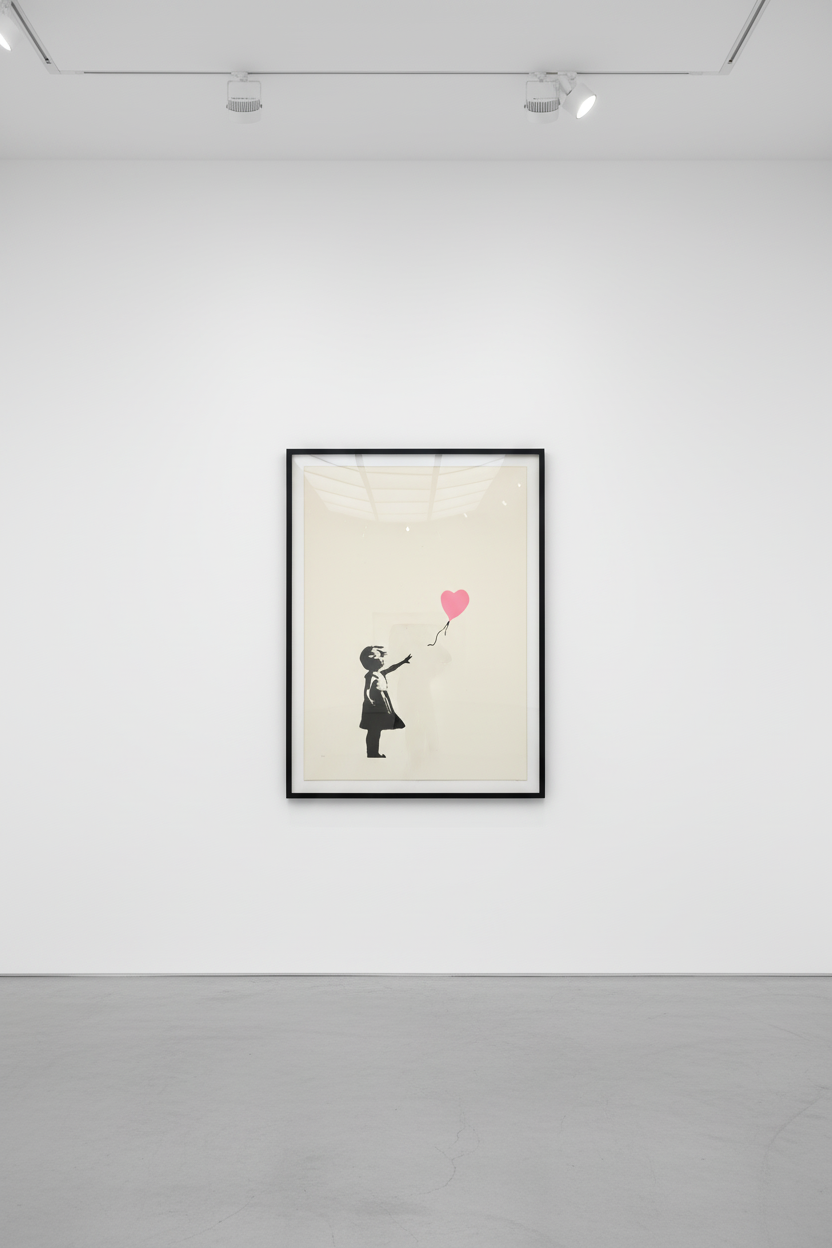
Girl with Balloon Pink AP — Banksy. Available at Guy Hepner, New York.
By the late 1990s and early 2000s, Banksy had refined his stencil technique into a sophisticated visual vocabulary that merged accessibility with subversion. This period saw the emergence of his most recognisable motifs - rats, policemen, children, and soldiers - rendered in stark black and white with occasional strategic colour accents. The simplicity of these images belied their conceptual complexity, creating works that functioned simultaneously as eye-catching street interventions and pointed social commentary.
The creation of Girl With Balloon in 2002 marked a watershed moment in Banksy's evolution. First appearing on a wall in South Bank, London, the image of a young girl releasing - or reaching for - a heart-shaped balloon accompanied by the words "There Is Always Hope" demonstrated his masterful ability to distil complex emotional narratives into deceptively simple compositions. This work exemplifies the artistic maturity Banksy achieved during this period, balancing sentimentality with ambiguity in ways that invite multiple interpretations while remaining immediately affecting.
This era also witnessed Banksy's increasing engagement with institutional critique and guerrilla gallery interventions. His unauthorised installations in major museums - including the British Museum, the Louvre, and the Metropolitan Museum of Art - demonstrated a sophisticated understanding of how context shapes meaning. By infiltrating these spaces, he challenged the boundaries between sanctioned and unsanctioned art while questioning who holds the authority to determine cultural value.
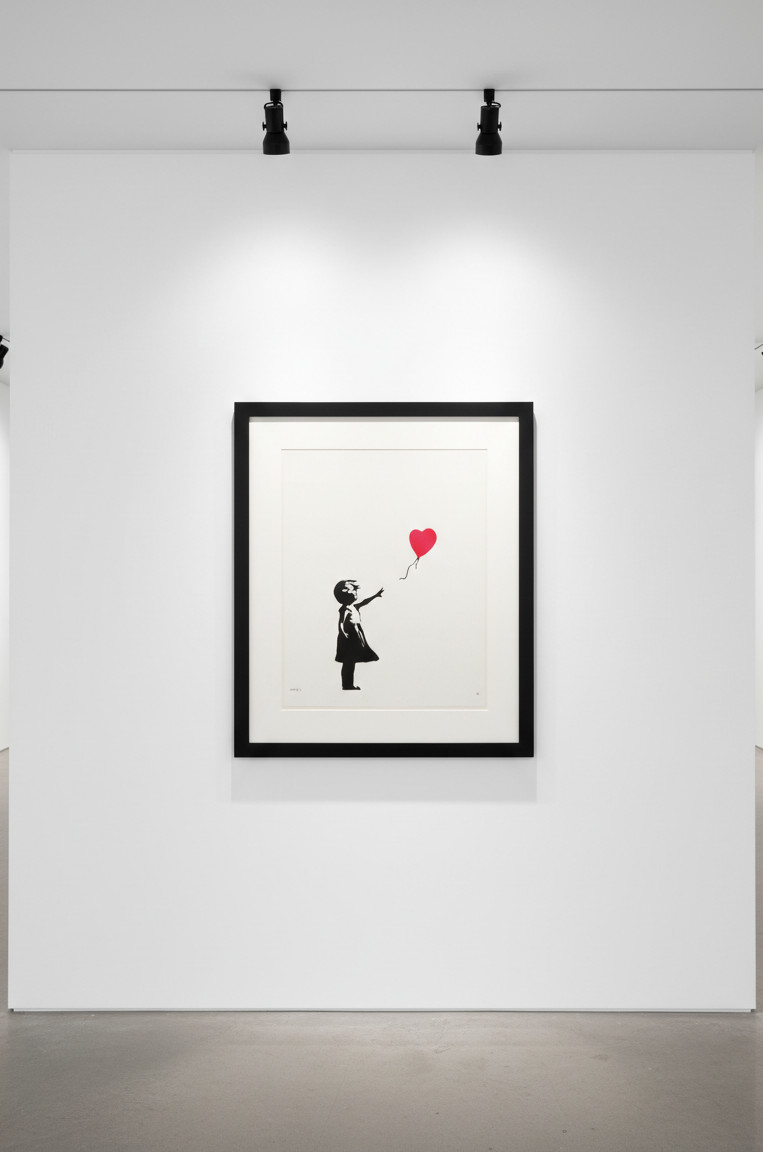
Girl With Balloon (Signed) — Banksy. Available at Guy Hepner, New York.
The mid-2000s through the present day have seen Banksy navigate an increasingly complex relationship with the art market and international recognition. His work began achieving significant results at major auction houses, with Sotheby's and Christie's recording landmark sales that positioned him among the most valuable living artists. The Art Basel and UBS Global Art Market Report has consistently noted the strength of his secondary market, reflecting sustained collector demand that transcends typical street art categorisation.
The infamous 2018 Sotheby's incident - when Girl With Balloon partially shredded itself moments after selling - epitomises Banksy's continued commitment to subverting market mechanisms even as he benefits from them. This performative gesture generated global media attention and paradoxically increased the work's value, demonstrating his unique ability to critique systems while operating within them.
Banksy's recent interventions in Ukraine following the 2022 invasion represent the latest evolution in his practice, returning to the street art roots that defined his early career while addressing urgent geopolitical concerns. These works - appearing on damaged buildings in Borodyanka, Irpin, and Kyiv - demonstrate his continued relevance as a social commentator and his willingness to place art in contexts of genuine danger and significance.
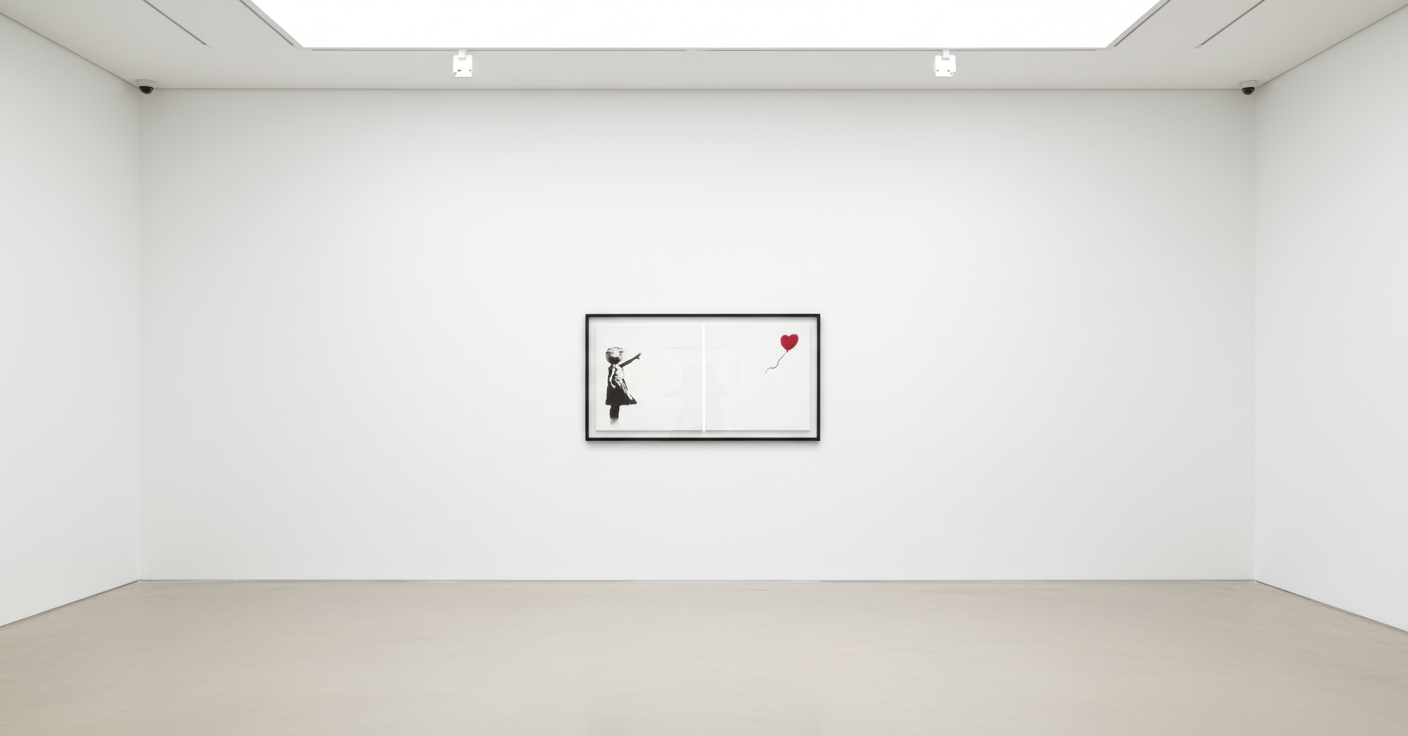
Girl With Balloon Diptych — Banksy. Available at Guy Hepner, New York.
For discerning collectors, Banksy's evolution represents more than stylistic development - it reflects an artist who has maintained conceptual integrity while achieving unprecedented mainstream recognition. His authenticated prints, particularly editions of Girl With Balloon, offer entry points into a practice that continues to shape conversations about art, value, and public engagement. The scarcity of verified works, combined with his cultural significance, positions Banksy as essential to any serious contemporary collection.
Guy Hepner is pleased to offer authenticated Banksy editions, including sought-after variations of Girl With Balloon. Our expertise in contemporary street art and commitment to provenance verification ensures collectors acquire works of unquestionable authenticity. Contact our gallery to enquire about available Banksy pieces and receive personalised guidance on building a collection that reflects both aesthetic vision and investment potential.
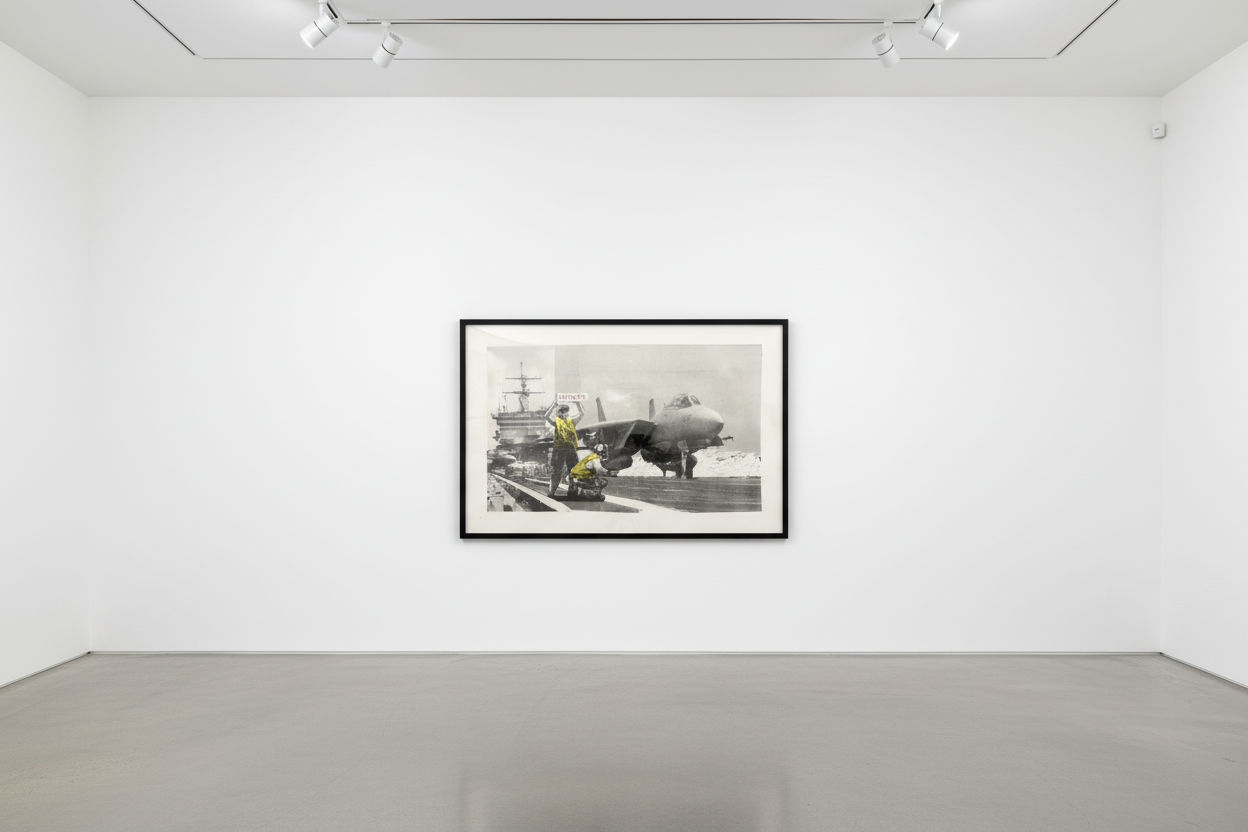
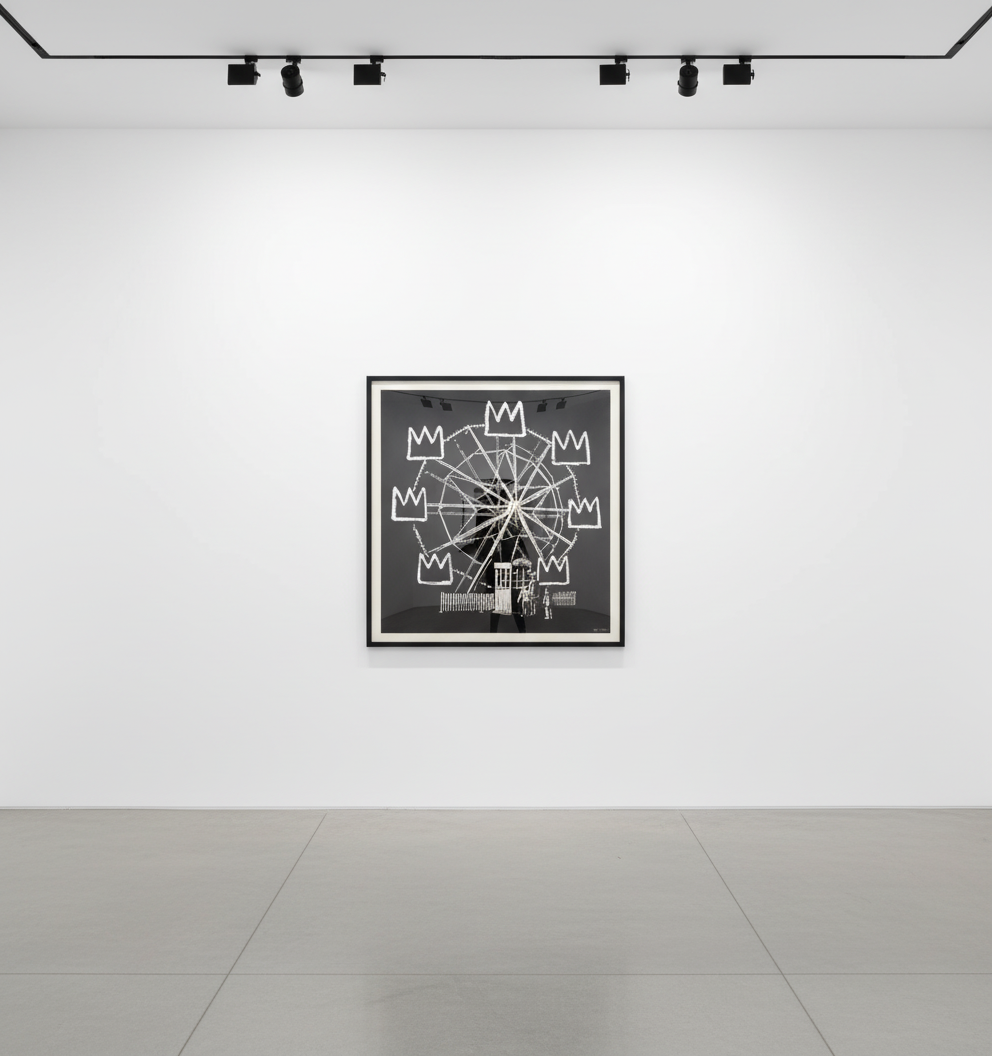
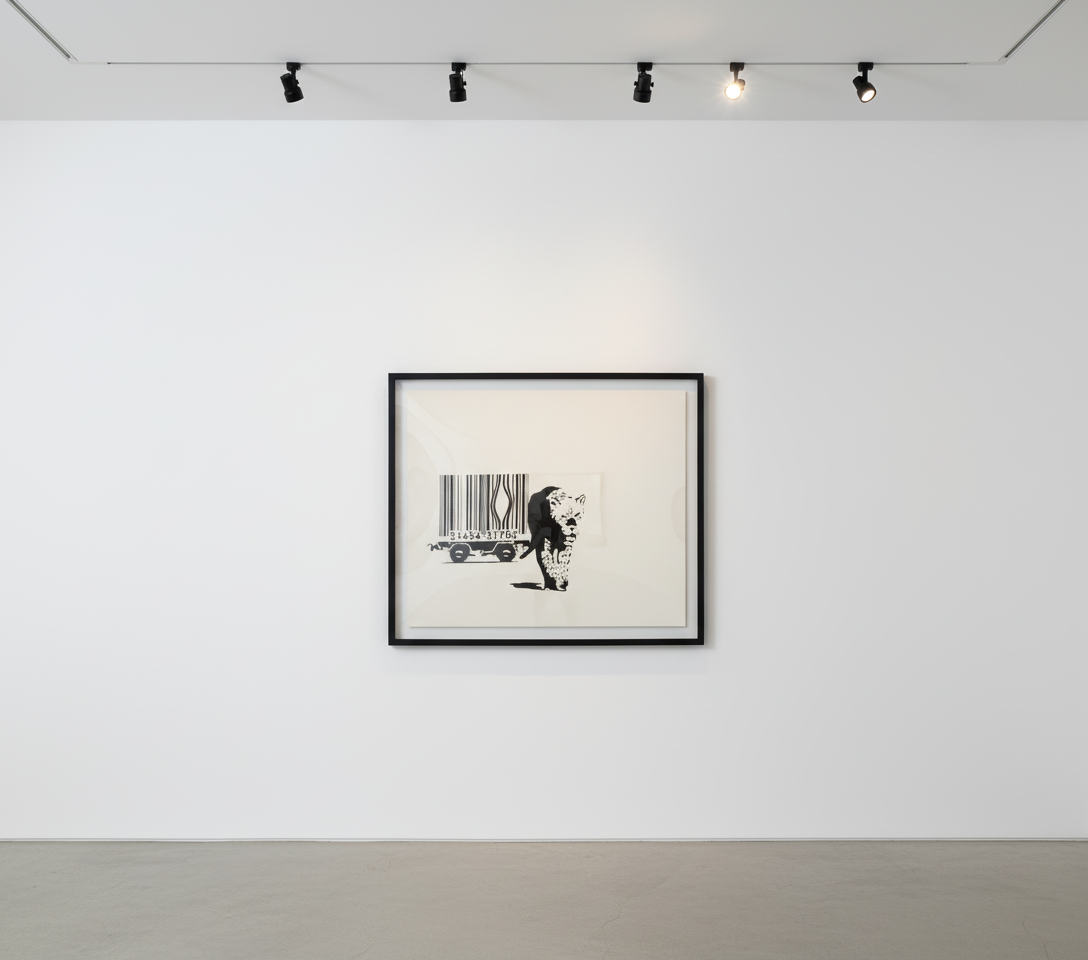
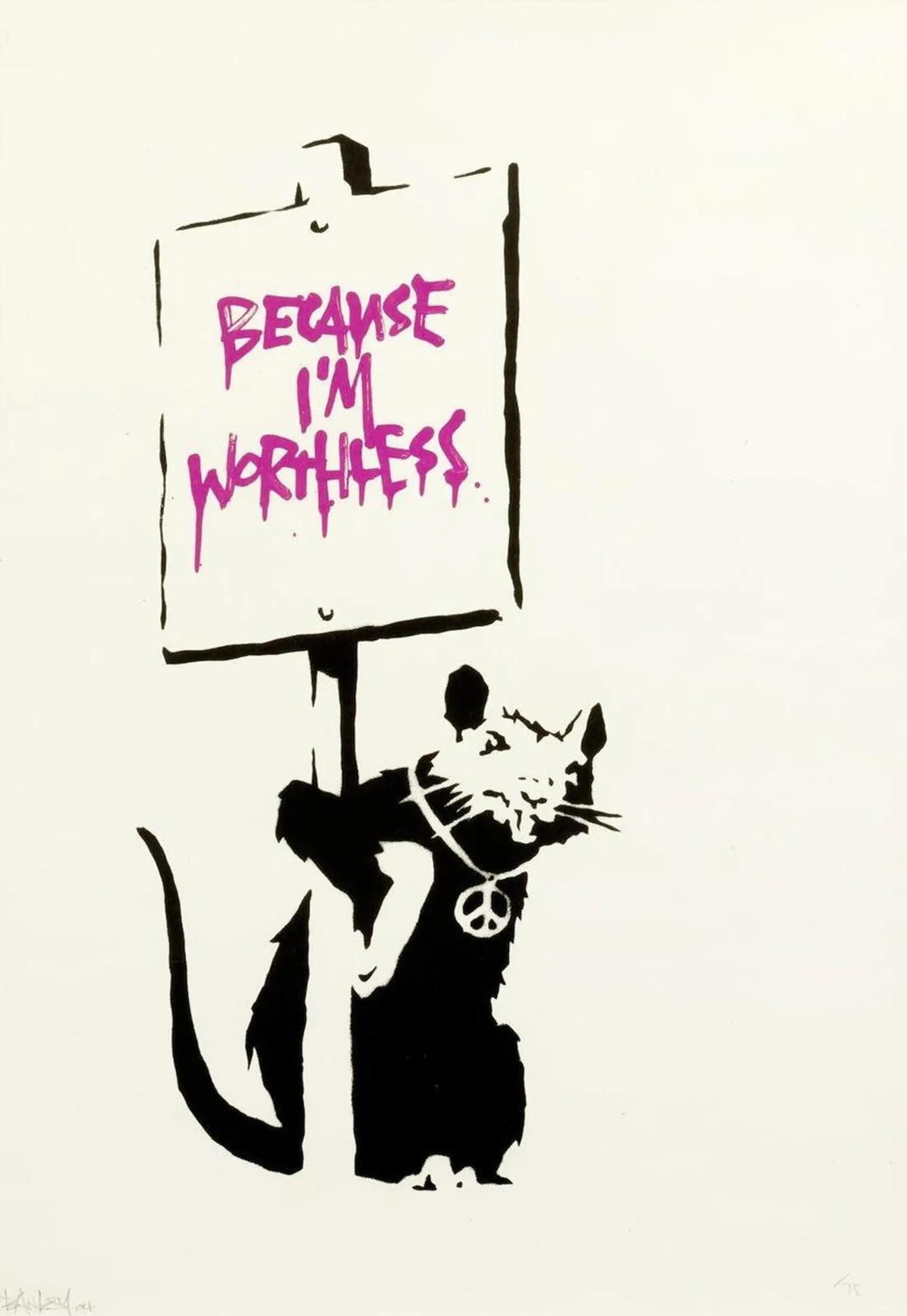
Explore Banksy prints for sale at Guy Hepner: (Fr)agile, Applause, Banksquiat, Barcode, Because I'm Worthless.
Related Series