The Evolution of David Hockney
The Evolution of David Hockney
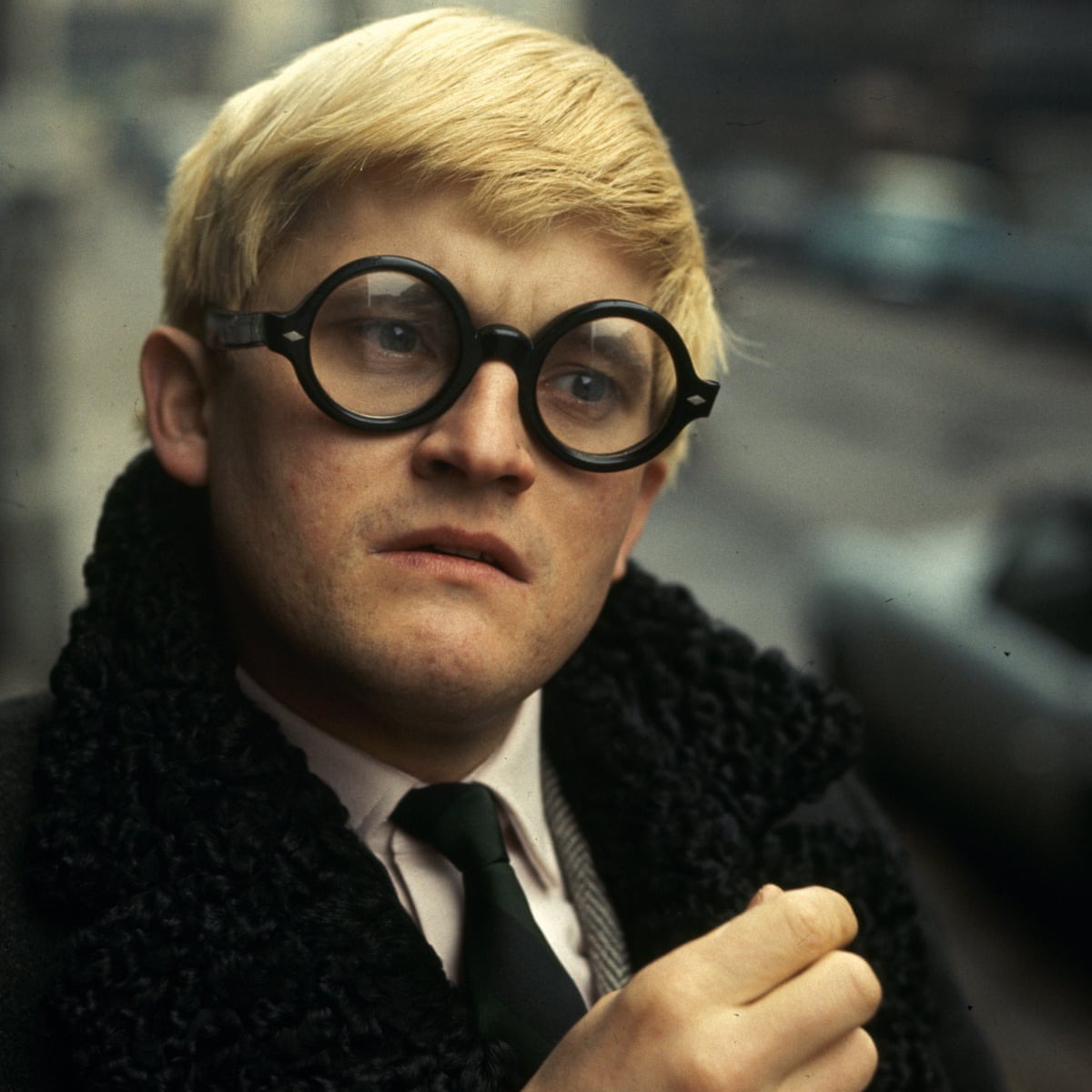
David Hockney stands as one of the most influential and beloved artists of the contemporary era, a creative force whose prolific career has spanned over six decades of continuous reinvention. From his early days as a provocative young talent in post-war Britain to his current status as a global art world icon, Hockney has consistently refused to be confined by medium, style, or technology. His evolution represents not merely a personal artistic journey but serves as a mirror reflecting broader transformations in art, society, and the ever-changing relationship between traditional craft and technological innovation. For collectors and institutions alike, understanding the trajectory of David Hockney's career provides essential context for appreciating why his works command such extraordinary attention at auction and why his pieces remain cornerstones of distinguished contemporary art collections worldwide.
Early Years: From the Royal College to Pop Art
Hockney's formal artistic education began at the Bradford School of Art before culminating at the prestigious Royal College of Art in London, where he studied alongside influential figures including R.B. Kitaj and Peter Blake. During these formative years, the young David Hockney experimented extensively with expressionism and abstraction, drawing inspiration from contemporaries such as Francis Bacon and the towering legacy of Pablo Picasso. However, it was during the early 1960s that Hockney found his distinctive voice, aligning himself with the burgeoning British Pop Art movement while simultaneously carving out territory uniquely his own.
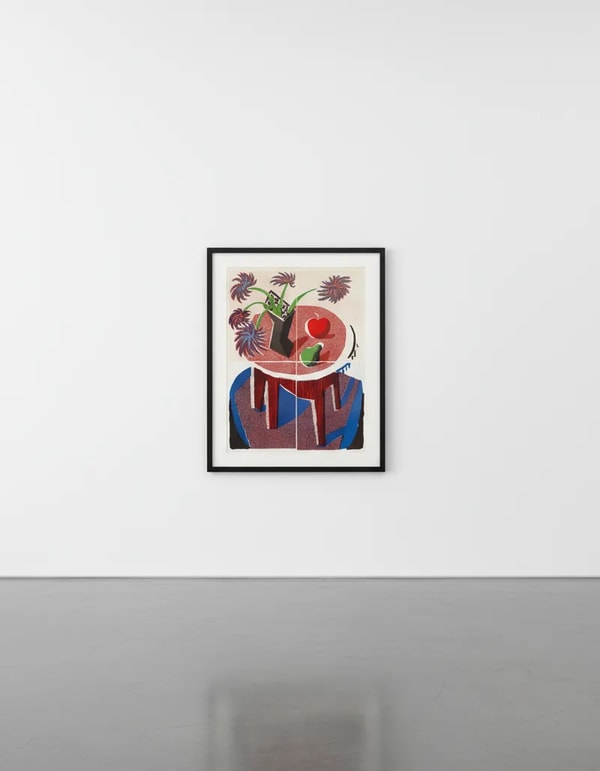
This period produced playful, text-based paintings such as We Two Boys Together Clinging from 1961, a work inspired by the poetry of Walt Whitman and layered with coded references to Hockney's own sexuality. These early works proved bold, graphic, and conceptual - testing the boundaries of figuration, narrative, and identity in a society where homosexuality remained criminalized in Britain. The courage Hockney demonstrated in embedding personal truths within his art established him as both an artistic innovator and a cultural pioneer, qualities that continue to resonate with collectors who recognize the historical significance of these groundbreaking statements.
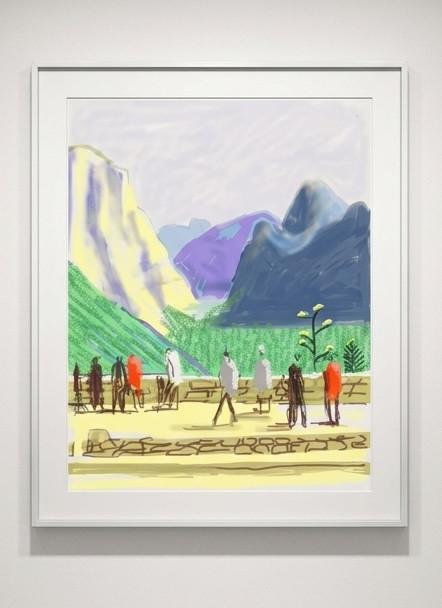
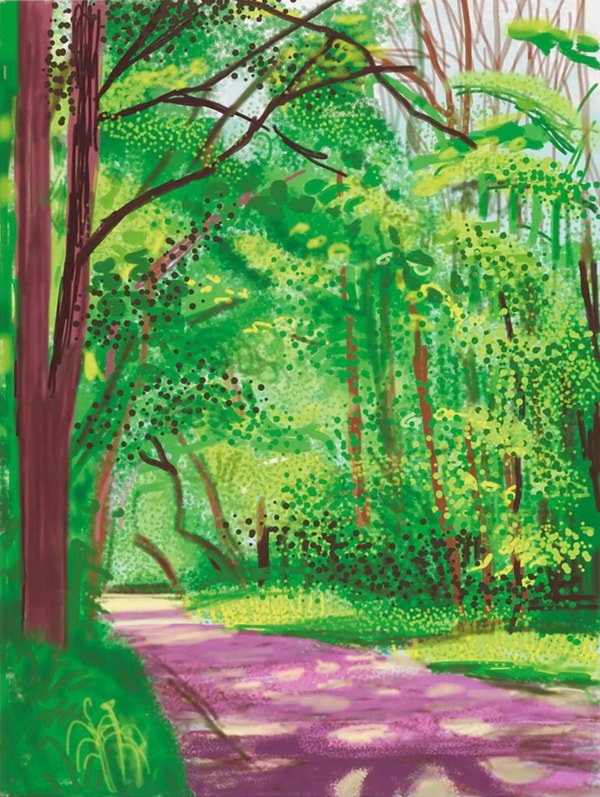
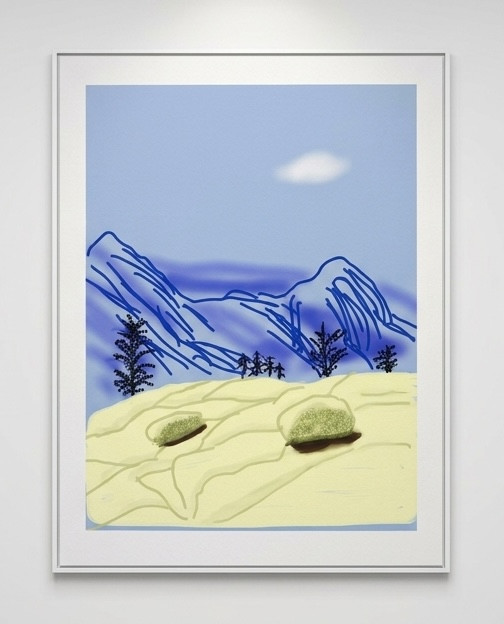
The Yosemite Suite No. 15 — David Hockney. Available at Guy Hepner, New York.
The California Years and the Swimming Pool Paintings
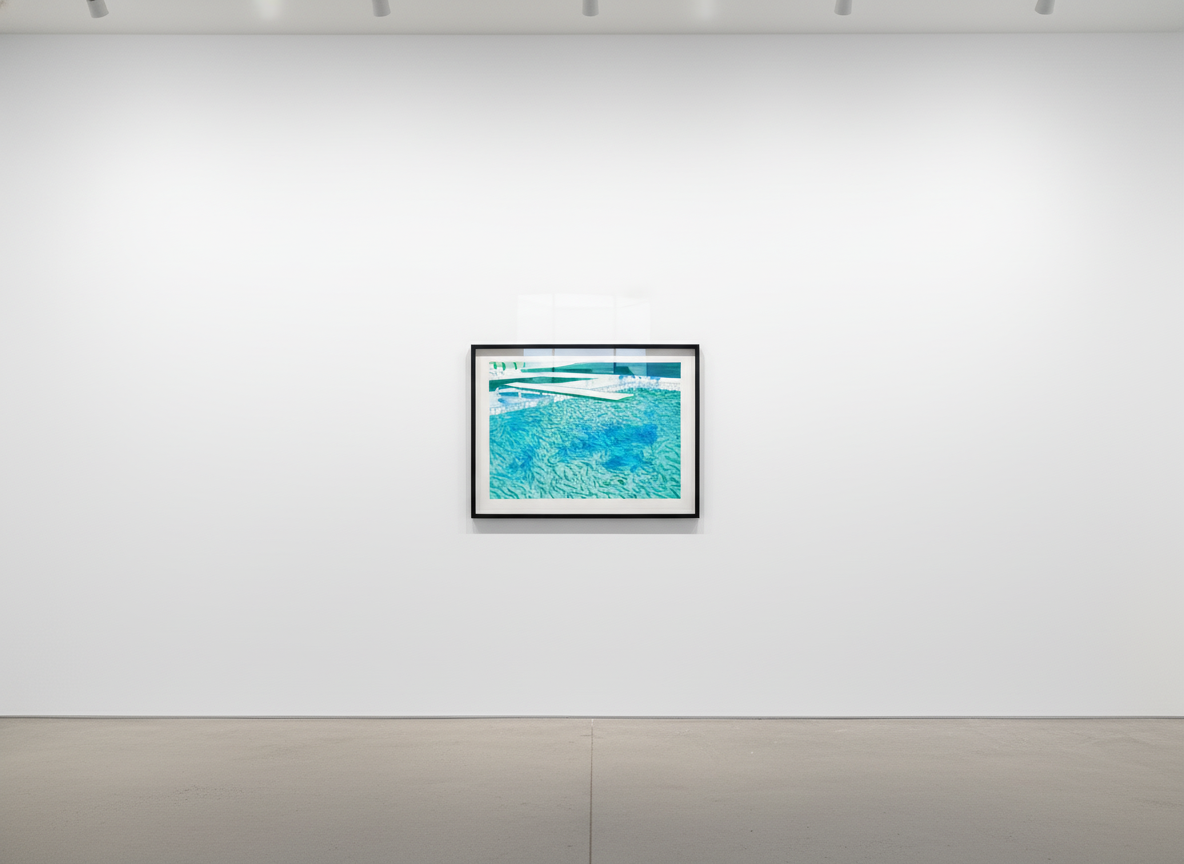
David Hockney's relocation to Los Angeles in 1964 marked a transformative chapter in his artistic evolution. The brilliant California light, the architecture of modernist homes, and the ubiquitous swimming pool became defining motifs that would cement his international reputation. Works such as A Bigger Splash from 1967 and Portrait of an Artist Pool with Two Figures from 1972 captured the essence of Southern California with crystalline clarity and psychological depth. These paintings demonstrated Hockney's masterful command of color, light, and composition while exploring themes of leisure, desire, and the constructed nature of paradise.
The swimming pool paintings represent perhaps the most recognizable period of Hockney's career and have achieved remarkable results at auction. According to Christie's, Portrait of an Artist Pool with Two Figures sold for over ninety million dollars in 2018, establishing a record for a living artist at that time. This extraordinary result underscores the enduring market strength of Hockney's most iconic period and demonstrates why collectors continue to pursue works from this transformative era with such determination. The California paintings remain touchstones of post-war art, combining technical virtuosity with accessible beauty in ways that transcend generational and cultural boundaries.
Embracing Technology: From Polaroids to iPads
What distinguishes David Hockney from many of his contemporaries is his unwavering willingness to embrace new technologies as tools for artistic exploration. Throughout the 1980s, Hockney created revolutionary photocollages using Polaroid photographs, assembling fragmented images into cohesive compositions that challenged conventional perspectives and expanded understanding of how we perceive space and time. His experiments with fax machines, photocopiers, and early computer programs demonstrated an artist perpetually curious about the intersection of art and technology.
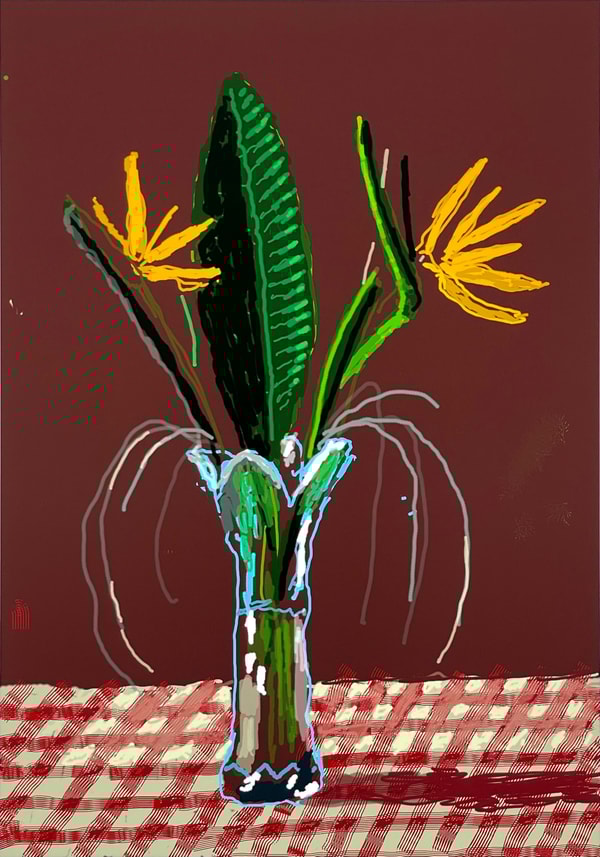
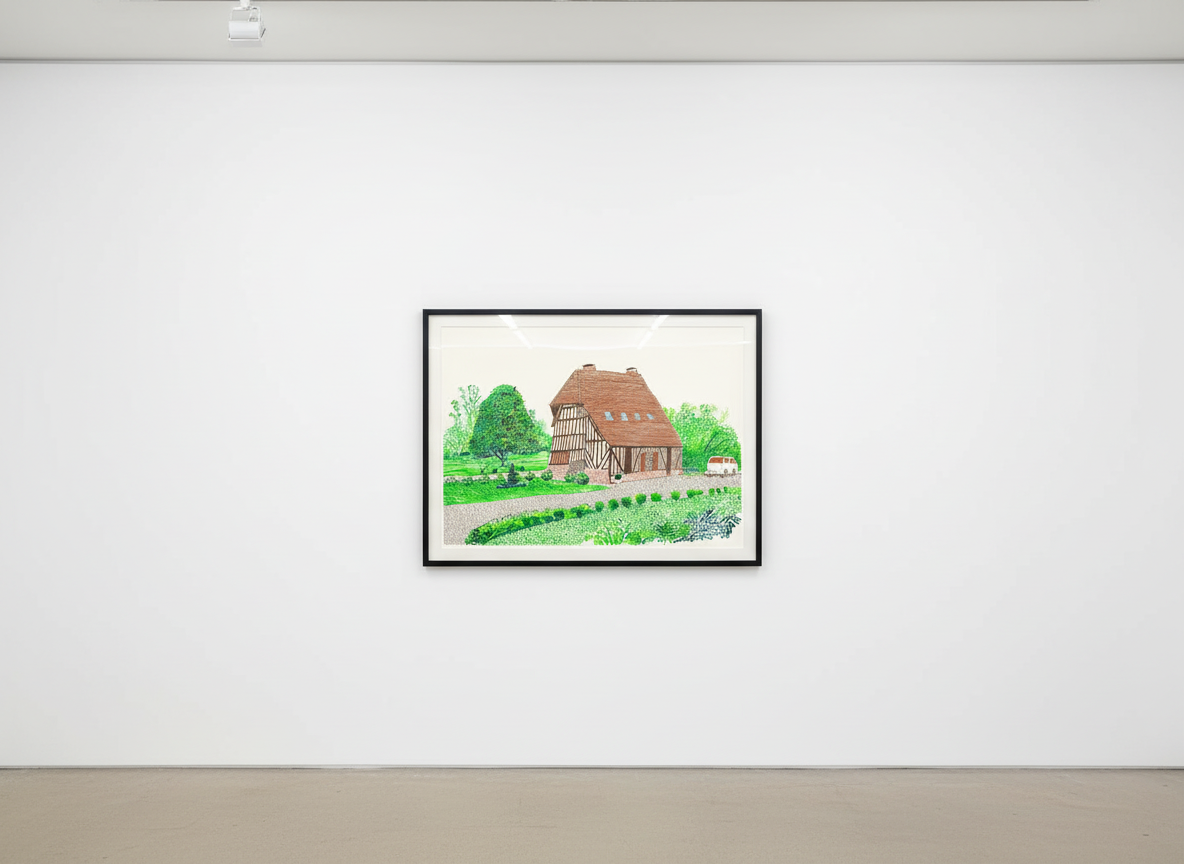
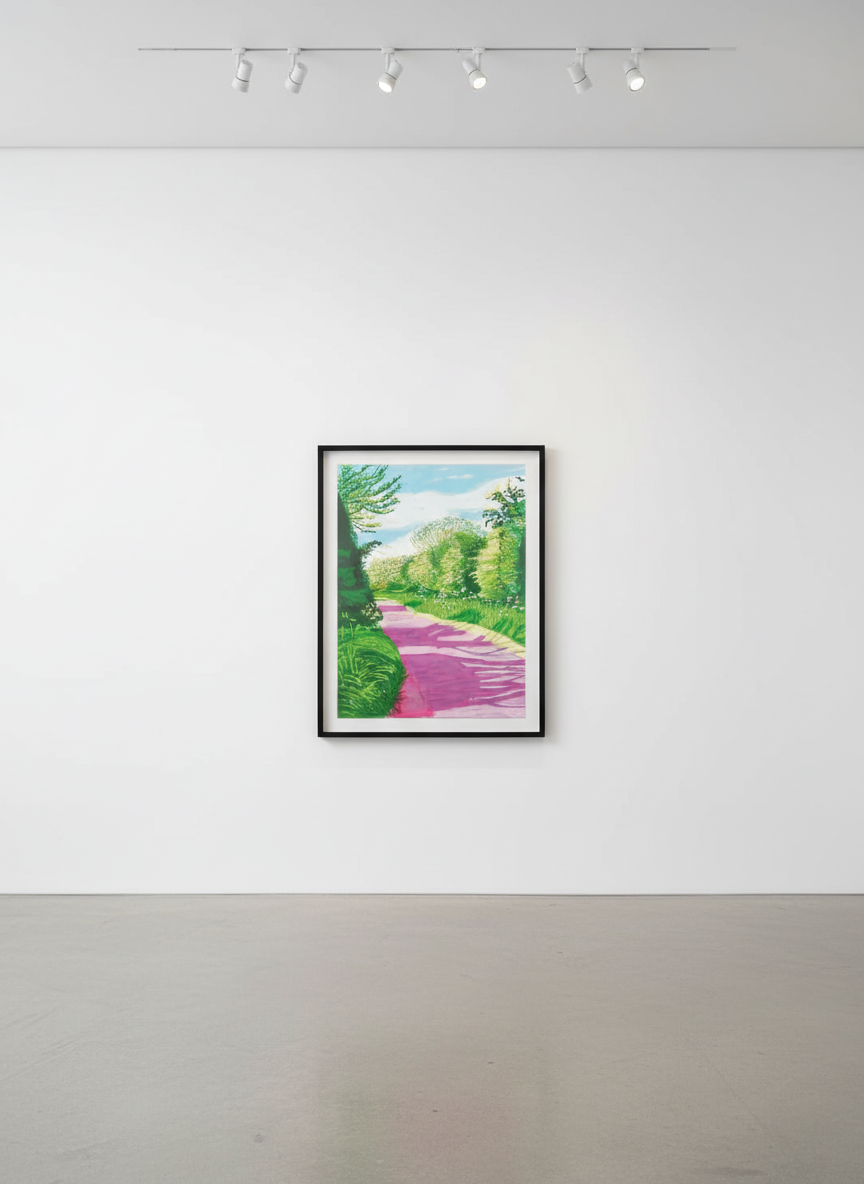
This technological enthusiasm reached new heights when Hockney began creating drawings on the iPhone and later the iPad. These digital works, including the celebrated series depicting the changing seasons in Yorkshire, proved that artistic mastery transcends any particular medium. The immediacy of digital creation allowed Hockney to capture fleeting moments of light and atmosphere with unprecedented spontaneity. According to the Art Basel and UBS Global Art Market Report, digital and technologically innovative works by established artists have seen increasing collector interest, reflecting broader market appreciation for artists who bridge traditional and contemporary methodologies.
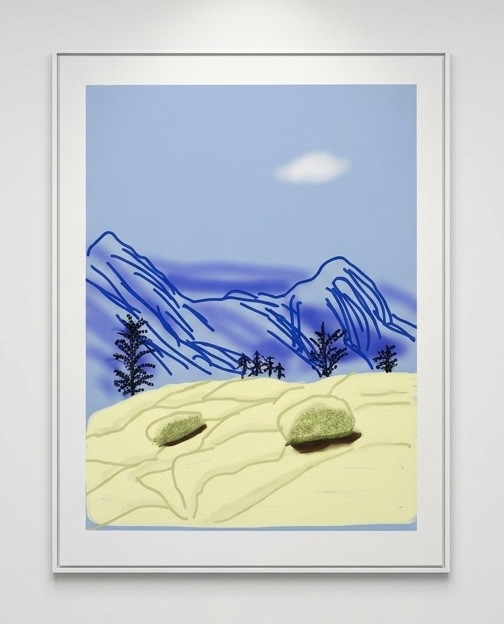
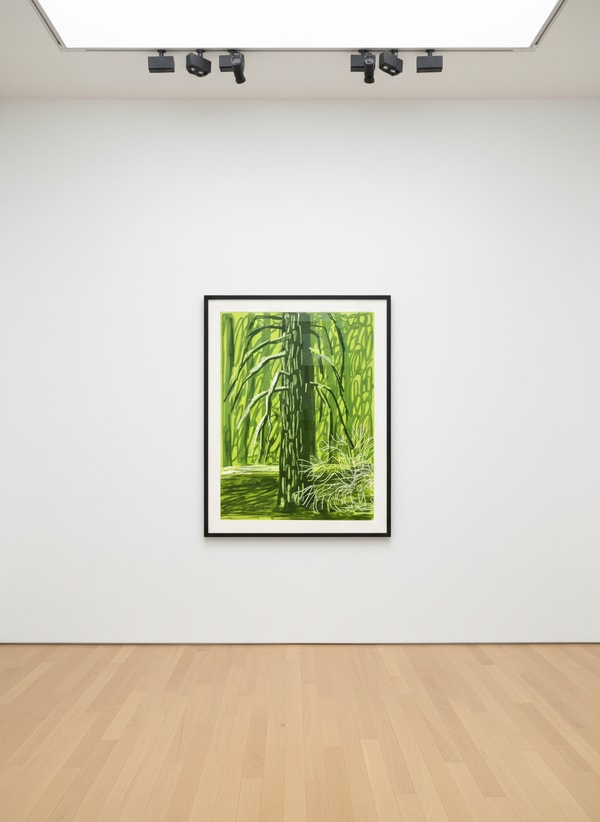
The Yosemite Suite No. 24 — David Hockney. Available at Guy Hepner, New York.
The Yosemite Suite and Recent Masterworks
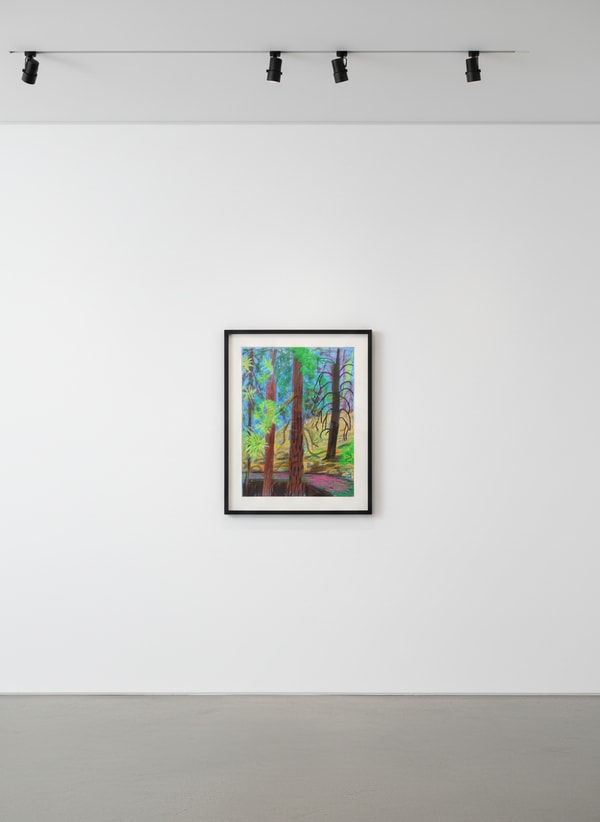
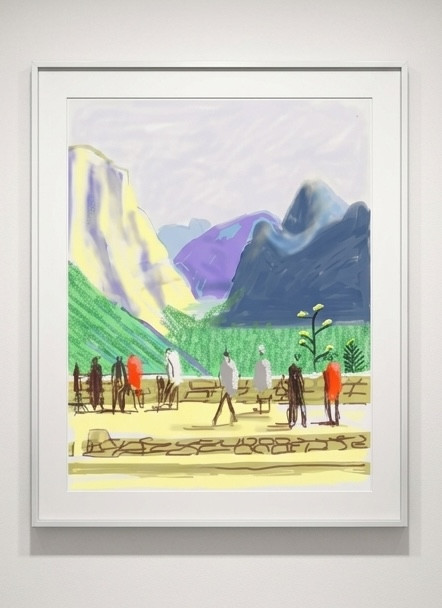
David Hockney's The Yosemite Suite represents a magnificent continuation of his engagement with landscape and technology. Created using an iPad, these vibrant depictions of the iconic American national park showcase Hockney's ability to translate the grandeur of nature through digital means while maintaining the emotional resonance of traditional painting. The series demonstrates his sustained technical innovation well into his eighties, proving that artistic evolution knows no age limit.
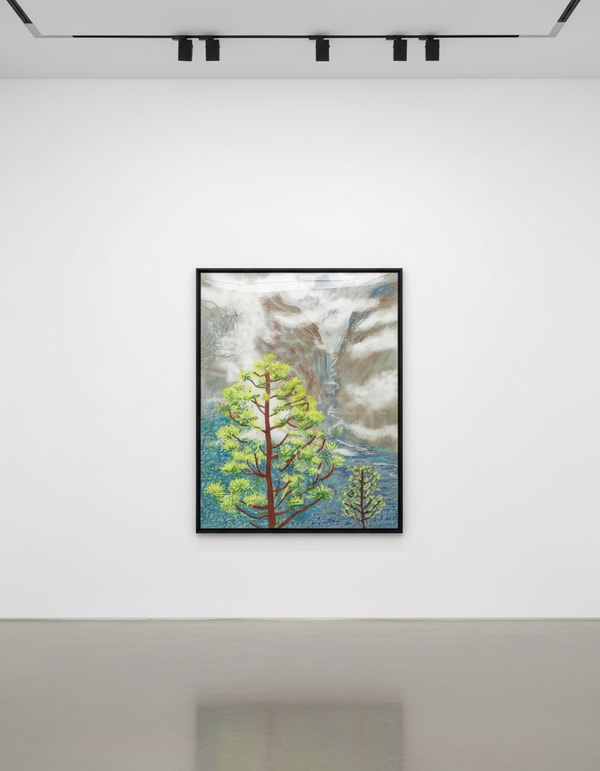
The Yosemite Suite connects Hockney to the great tradition of American landscape painting while simultaneously asserting his position at the vanguard of contemporary practice. These works capture the dramatic cliffs, waterfalls, and forests of Yosemite with bold color choices and dynamic compositions that feel both timeless and thoroughly modern. For collectors, the suite represents an opportunity to acquire works from an artist whose market position remains exceptionally strong. Sotheby's has consistently noted the robust demand for Hockney's prints and editions, which offer entry points into his oeuvre while maintaining the quality and vision that define his most celebrated paintings.
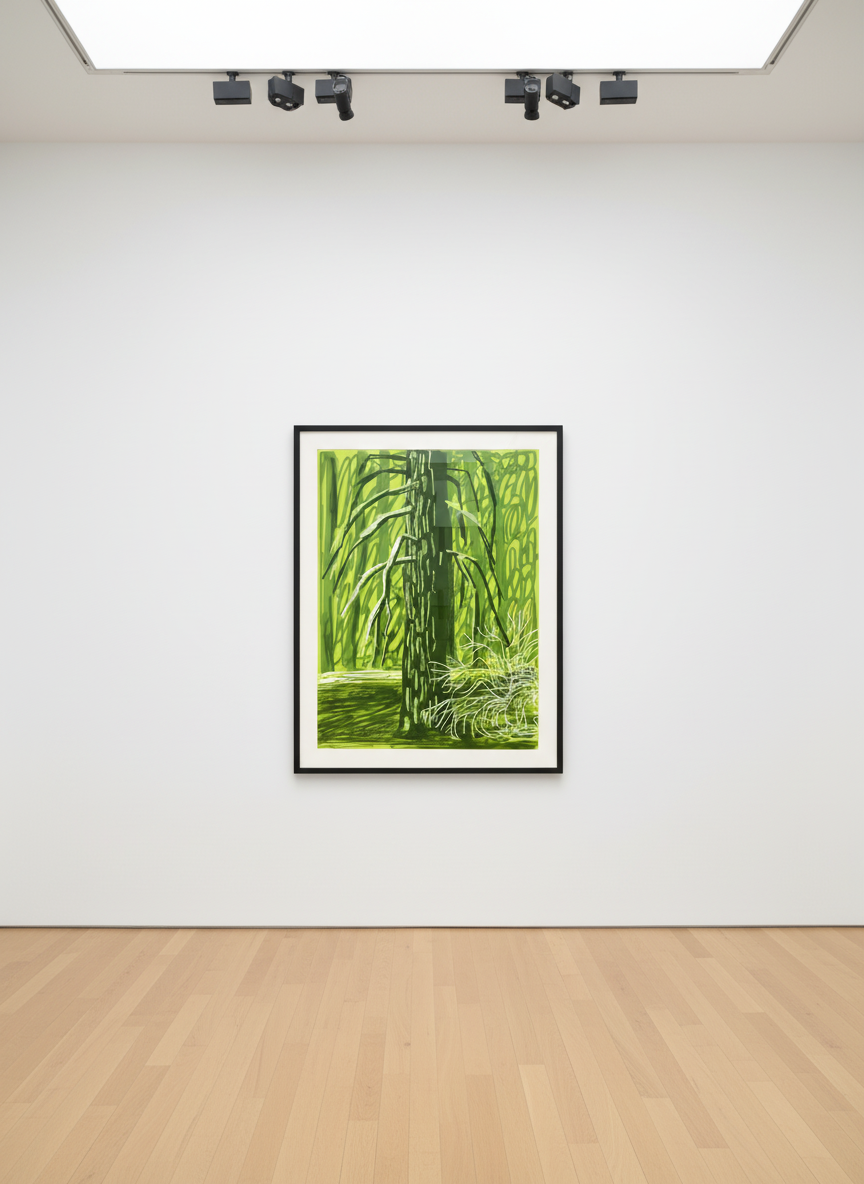
The Yosemite Suite No. 18 — David Hockney. Available at Guy Hepner, New York.
The evolution of David Hockney demonstrates why he remains one of the most significant artists working today. His ability to reinvent himself across decades while maintaining a coherent artistic vision speaks to a rare combination of technical skill, intellectual curiosity, and creative courage. For discerning collectors seeking works by this legendary artist, Guy Hepner is pleased to offer select pieces from The Yosemite Suite and other important David Hockney editions. We invite collectors to contact our gallery to discuss available works and to explore how these exceptional pieces might enhance distinguished collections.
Browse Series
Works For Sale
Available through Guy Hepner
David Hockney
The Yosemite Suite No. 6
2010
Enquire →
David Hockney
The Yosemite Suite No. 15
2010
Enquire →
David Hockney
The Yosemite Suite No. 24
2010
Enquire →
David Hockney
The Yosemite Suite No. 18
2010
Enquire →
David Hockney
Yosemite I, October 5th 2011
2011
Enquire →
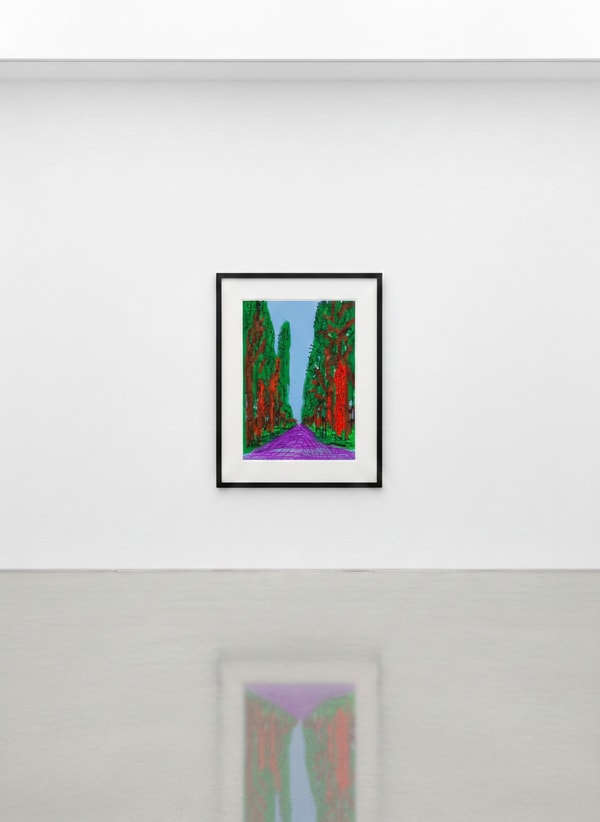
David Hockney
The Yosemite Suite No. 5
2010
Enquire →
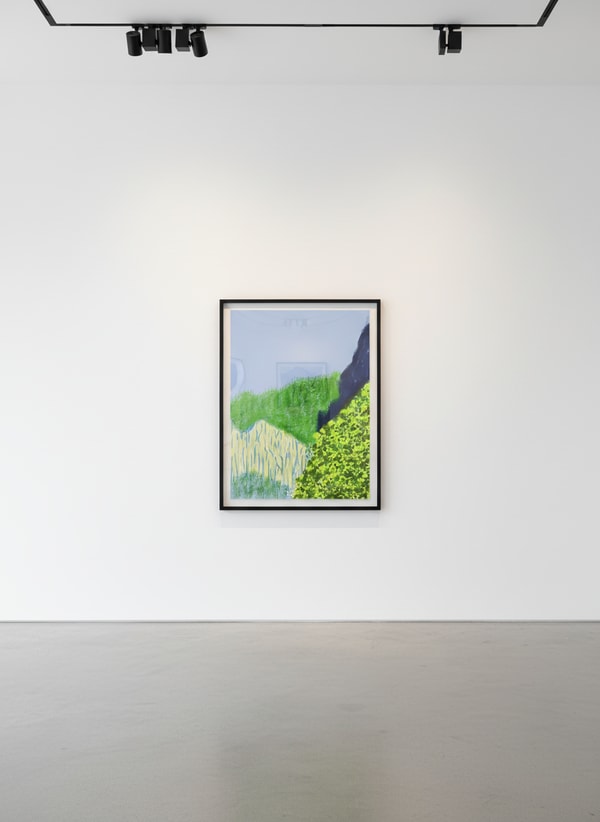
David Hockney
The Yosemite Suite No. 3
2010
Enquire →
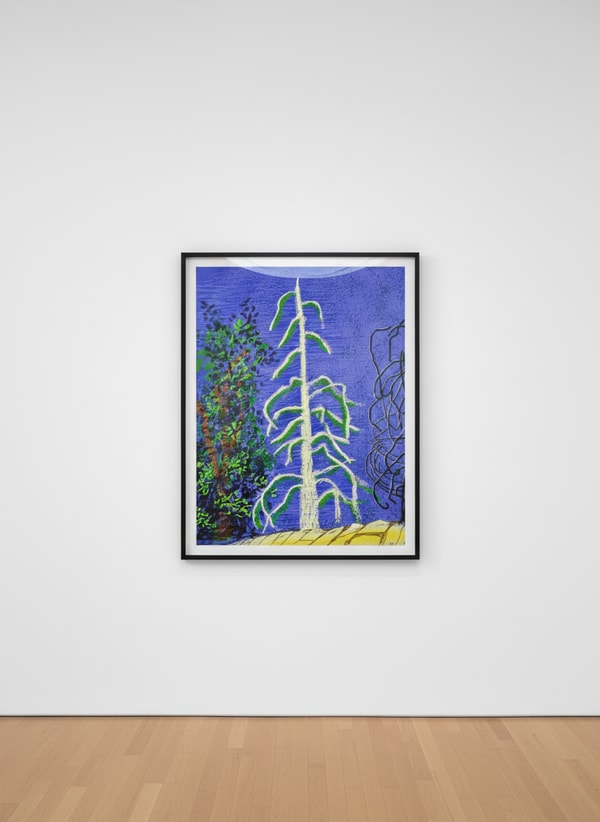
David Hockney
The Yosemite Suite No. 14
2010
Enquire →
More from Guy Hepner