Banksy The Art of Activism
Banksy The Art of Activism
Few artists have captured the world's attention with as much stealth, satire, and political urgency as Banksy. The anonymous British street artist, active since the early 1990s, has evolved from a Bristol-based graffiti writer into a global cultural phenomenon whose work commands both critical acclaim and extraordinary market value. While many recognize his instantly iconic imagery - balloon girls, rats with placards, or confrontational coppers - it is Banksy's political artworks and audacious street interventions that truly define him as one of the most significant activist-artists of our time. His ability to merge accessible visual language with profound social commentary has created a new paradigm for art as resistance, influencing generations of artists and reshaping public perception of street art as a legitimate and powerful medium.
The Evolution of Banksy as Political Provocateur
Banksy emerged from the vibrant Bristol underground scene of the early 1990s, where graffiti culture intersected with punk ethos and anti-establishment sentiment. Unlike traditional graffiti artists focused primarily on stylistic virtuosity, Banksy quickly distinguished himself through content-driven work that weaponized wit against institutional power. His transition from freehand spray painting to stencil-based techniques around 2000 proved transformative, allowing him to execute complex, provocative imagery in mere minutes while evading authorities.
This technical evolution coincided with an increasingly sophisticated political voice. Banksy's art does not whisper - it shouts from walls in Gaza, bridges in London, and underpasses in Los Angeles. His interventions confront topics such as war, capitalism, surveillance, immigration, and systemic inequality with a sharp visual language and deeply resonant symbolism. Works like Napalm from 2004 exemplify his unflinching approach, featuring the iconic Vietnam War photograph of Phan Thi Kim Phúc flanked by Mickey Mouse and Ronald McDonald - a scathing indictment of American militarism and the commercialization of human suffering.
The artist's anonymity serves not merely as mystique but as methodology. By remaining faceless, Banksy ensures that attention remains fixed on the message rather than the messenger, while simultaneously critiquing the cult of celebrity that dominates contemporary culture.
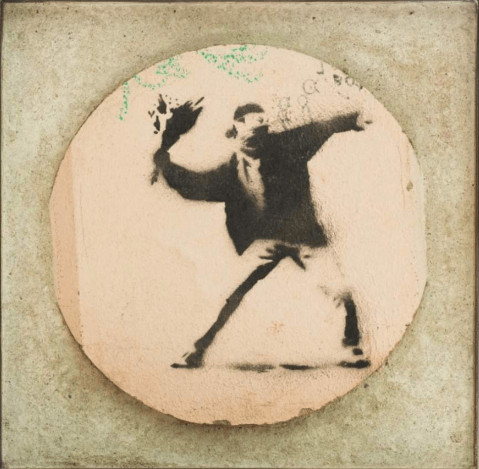
Flower Thrower Wall — Banksy. Available at Guy Hepner, New York.
Iconic Political Works and Guerrilla Interventions
Among Banksy's most celebrated political statements, Flower Thrower stands as perhaps his definitive image of peaceful resistance. Created in 2003 on a wall in Jerusalem near the Israeli West Bank barrier, the work depicts a masked Palestinian protester in aggressive stance, arm cocked to throw not a Molotov cocktail but a bouquet of flowers. This powerful subversion transforms an image of violence into one of hope, suggesting that beauty and compassion might serve as weapons against oppression. The work has been reproduced countless times and remains one of the most recognizable symbols of nonviolent protest in contemporary visual culture.
Kissing Coppers, originally painted in Brighton in 2004, offers another masterful example of Banksy's ability to challenge authority through subversive imagery. The work depicts two male police officers locked in passionate embrace, simultaneously humanizing figures of state power while challenging heteronormative assumptions about masculinity and authority. The piece sparked considerable controversy upon its creation and has since become an enduring symbol of LGBTQ visibility and resistance against institutional rigidity.
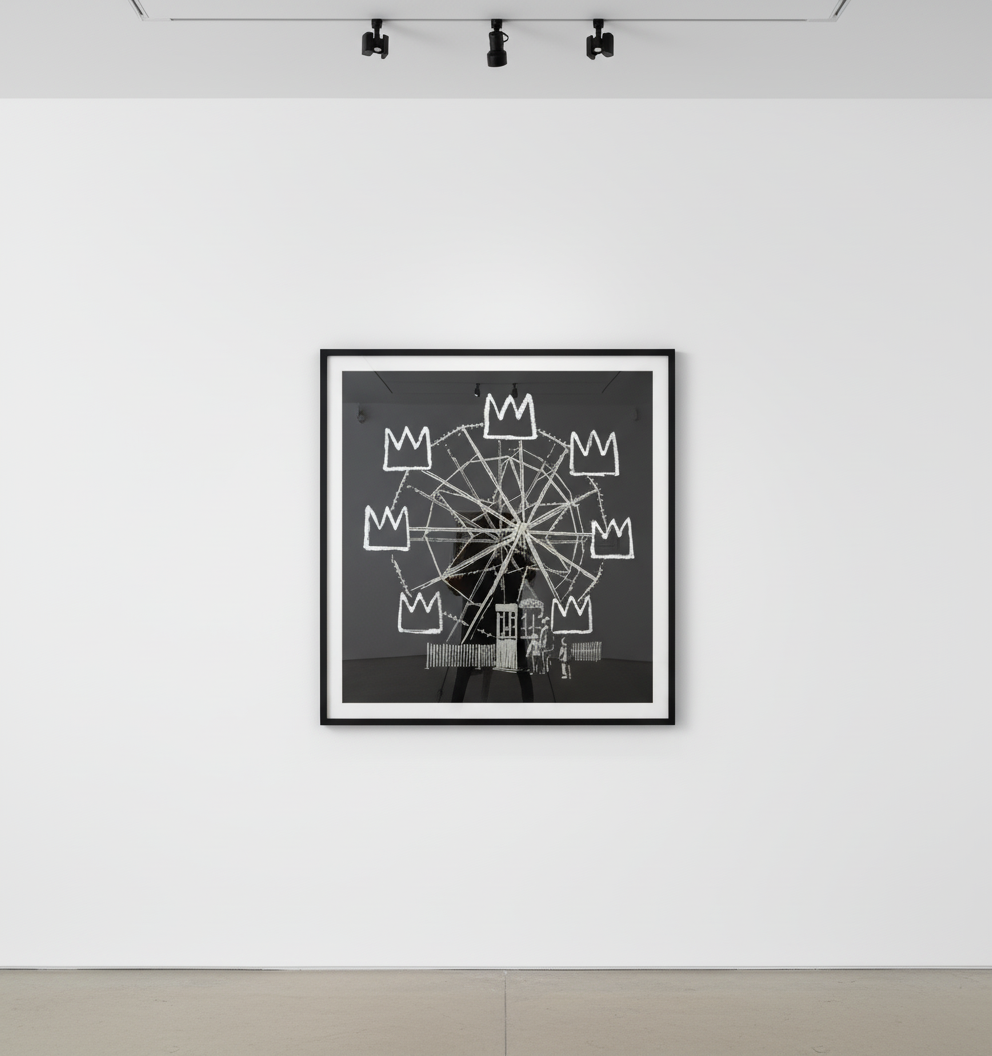
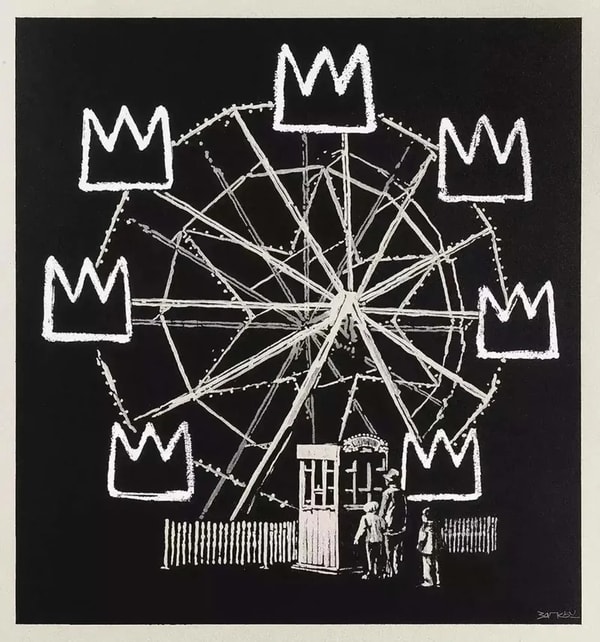
Banksquiat Black — Banksy. Available at Guy Hepner, New York.
Flying Copper presents yet another meditation on state power, depicting a riot police officer with a smiley face in place of his visor, angel wings sprouting from his back. This jarring juxtaposition of militarized authority with symbols of innocence and joy creates cognitive dissonance that forces viewers to question the humanity beneath the uniform. Such works demonstrate Banksy's sophisticated understanding of visual semiotics and his ability to compress complex political ideas into immediately comprehensible images.
Beyond individual works, Banksy has orchestrated elaborate guerrilla interventions that blur the boundaries between art, activism, and performance. His 2015 Dismaland project transformed a derelict seaside resort into a dystopian anti-theme park, featuring contributions from numerous artists united in critiquing consumer culture, refugee crises, and environmental destruction. The installation attracted over 150,000 visitors before its materials were shipped to Calais to construct shelters for displaced migrants - extending the artwork's political function beyond mere commentary into direct action.
Market Significance and Collector Interest
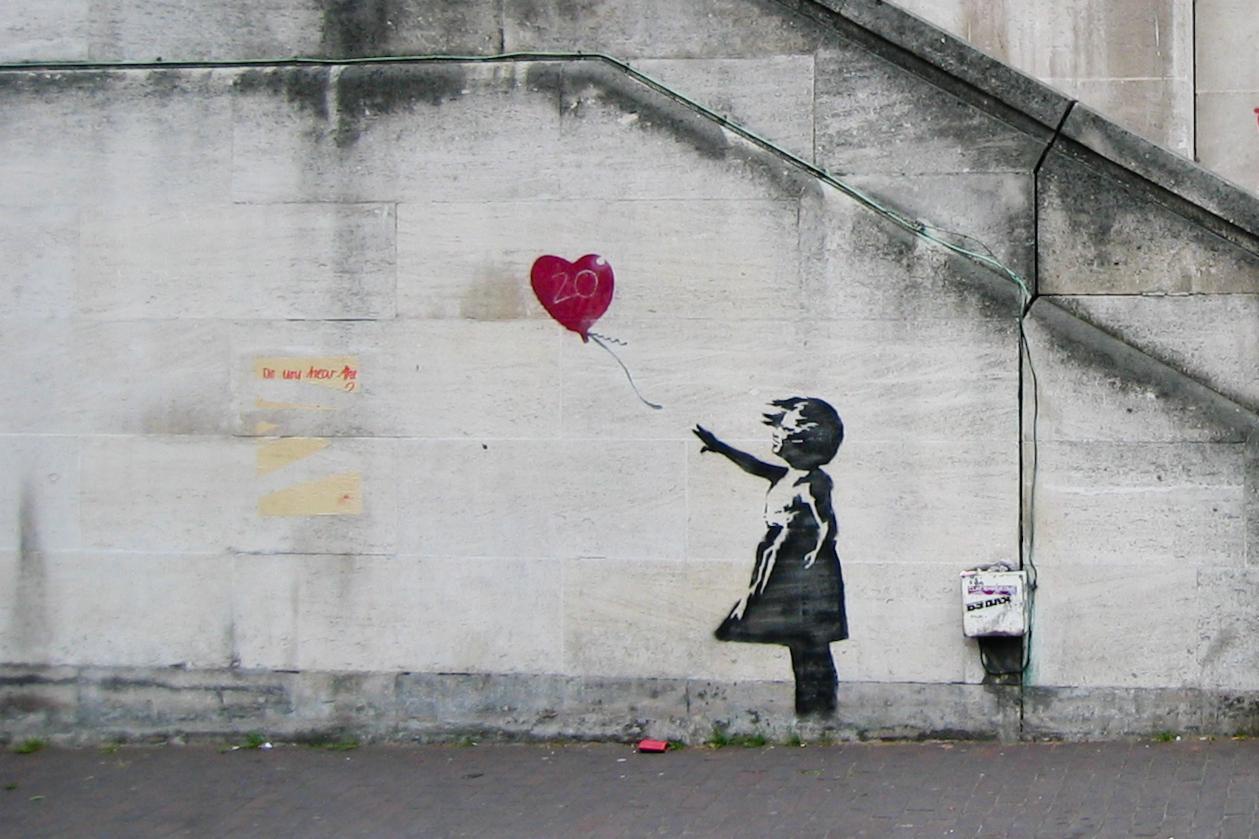
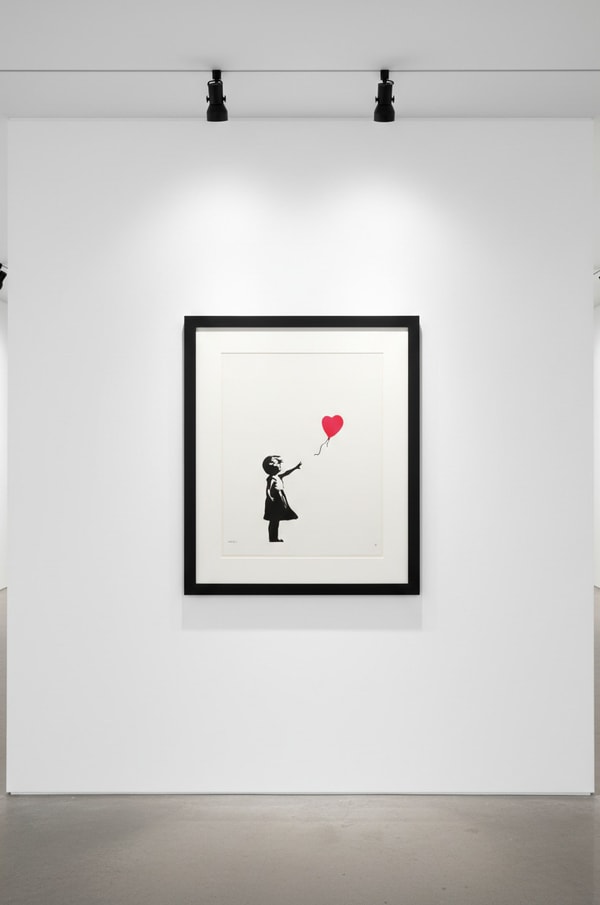
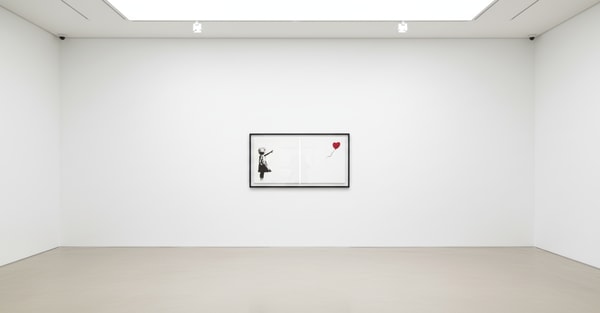
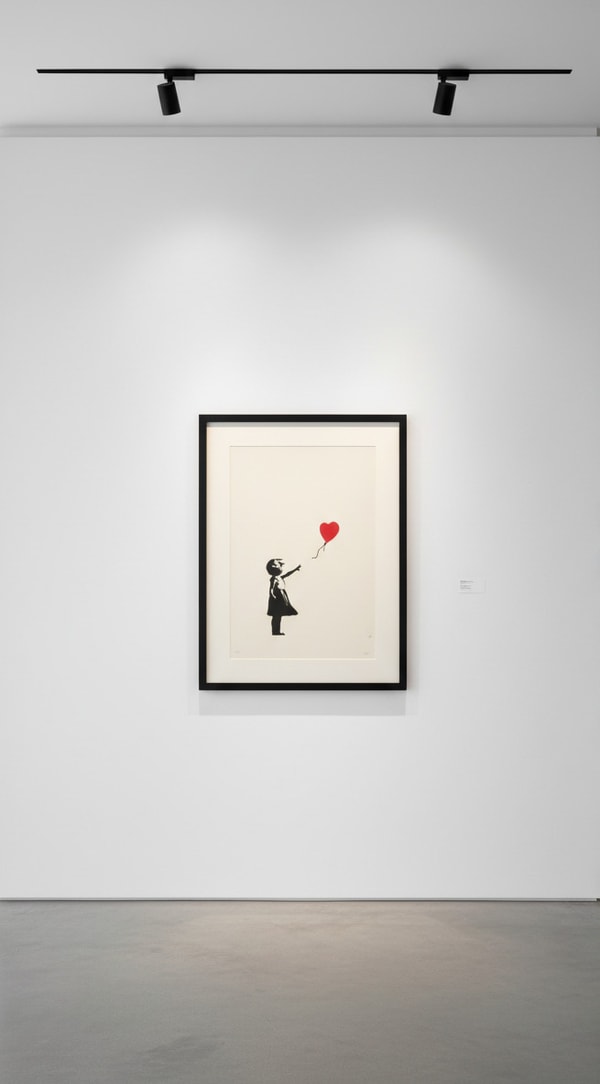
The art market has responded to Banksy with unprecedented enthusiasm, elevating street art from subcultural curiosity to blue-chip investment category. According to Art Basel and UBS Global Art Market Reports, Banksy consistently ranks among the top-selling living artists globally, with his works achieving remarkable results at auction. Christie's and Sotheby's have facilitated numerous record-breaking sales, including the legendary self-shredding of Girl with Balloon at Sotheby's in 2018 - itself a performative critique of art market commodification that paradoxically increased the work's value.
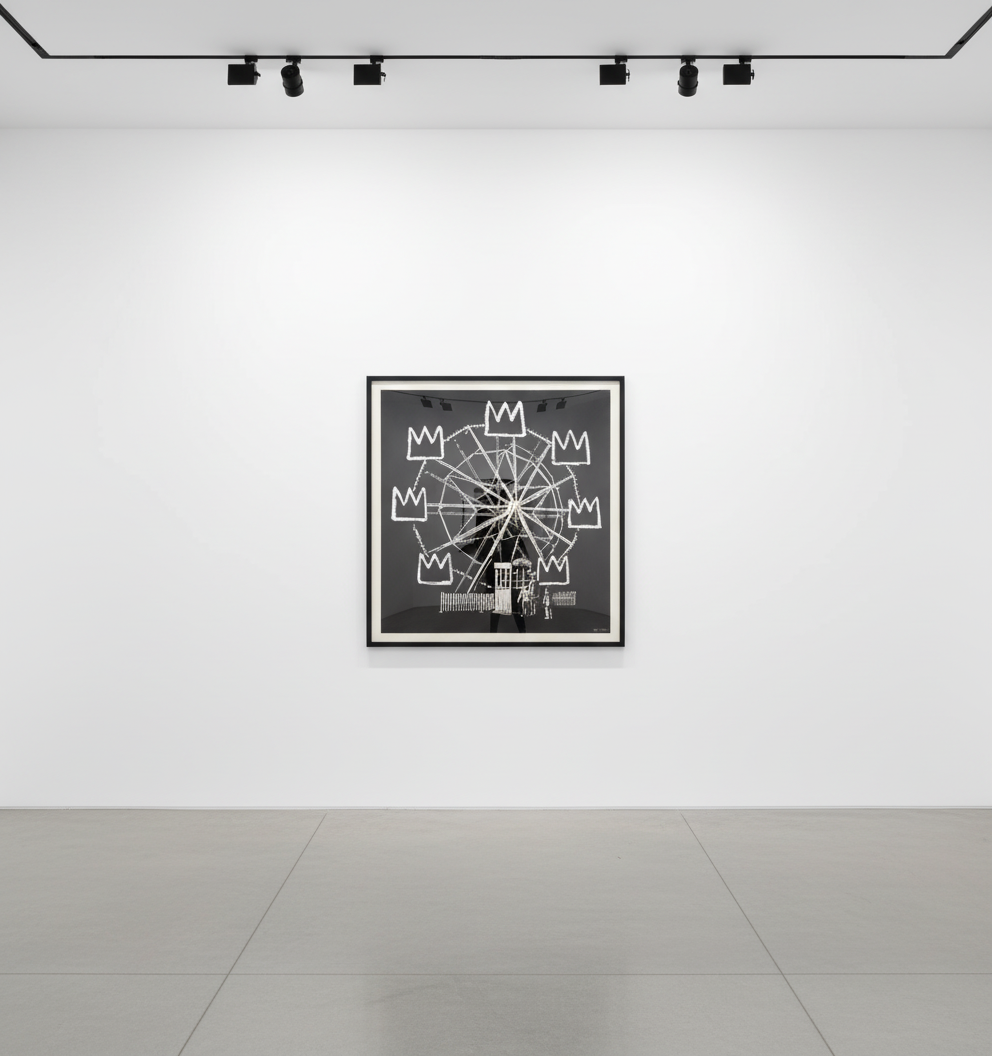
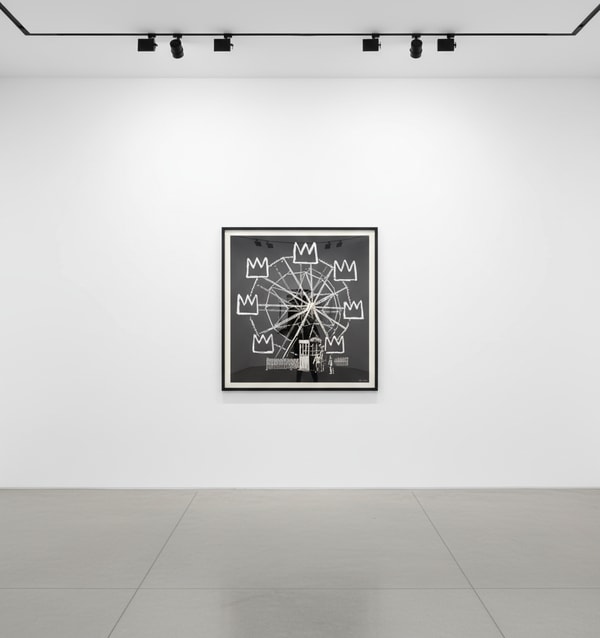
Banksquiat Grey — Banksy. Available at Guy Hepner, New York.
This market success raises fascinating questions about the relationship between activist art and capital. Banksy has repeatedly expressed ambivalence about his commercial popularity, yet collectors remain undeterred. The appeal lies partly in the works' aesthetic power and cultural significance, but also in their function as artifacts of our political moment. Owning a Banksy means possessing a piece of visual history that speaks to contemporary anxieties about war, inequality, surveillance, and environmental collapse. For discerning collectors, these works represent not merely financial investments but statements of value - both aesthetic and ethical.
The secondary market for Banksy prints and authenticated works remains robust, with signed editions commanding significant premiums. His practice of releasing affordable prints alongside singular pieces has created multiple entry points for collectors at various levels, democratizing access while maintaining exclusivity for rare works. This strategic approach to distribution mirrors his populist artistic philosophy, ensuring that Banksy's message reaches beyond elite collecting circles.
Acquiring Banksy at Guy Hepner
Guy Hepner is proud to offer authenticated Banksy works for collectors seeking to acquire pieces by this generation-defining artist. Our current inventory includes significant prints and editions that exemplify Banksy's mastery of political commentary and visual impact. Each work is thoroughly vetted through Pest Control, the artist's authentication body, ensuring provenance and legitimacy. For private inquiries regarding available Banksy works, pricing, and acquisition services, we invite collectors to contact our gallery directly to discuss how these powerful statements of artistic activism might enhance their collections.
Works For Sale
Available through Guy Hepner
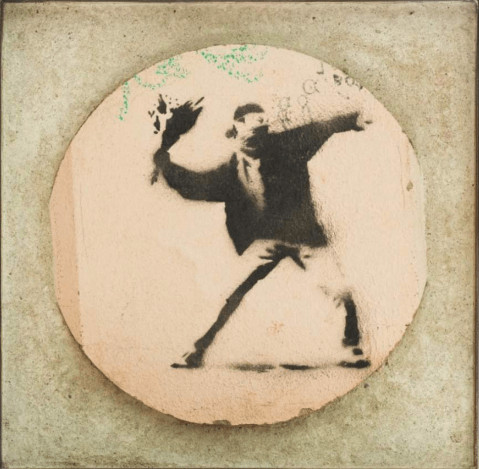
Banksy
Flower Thrower Wall
2008
Enquire →
Banksy
Girl With Balloon (Signed)
2004
Enquire →
Banksy
Girl With Balloon Diptych
2006
Enquire →

Banksy
Banksquiat Black
2019
Enquire →
Banksy
Banksquiat Grey
2019
Enquire →
Banksy
Girl With Balloon Unsigned
2004
Enquire →
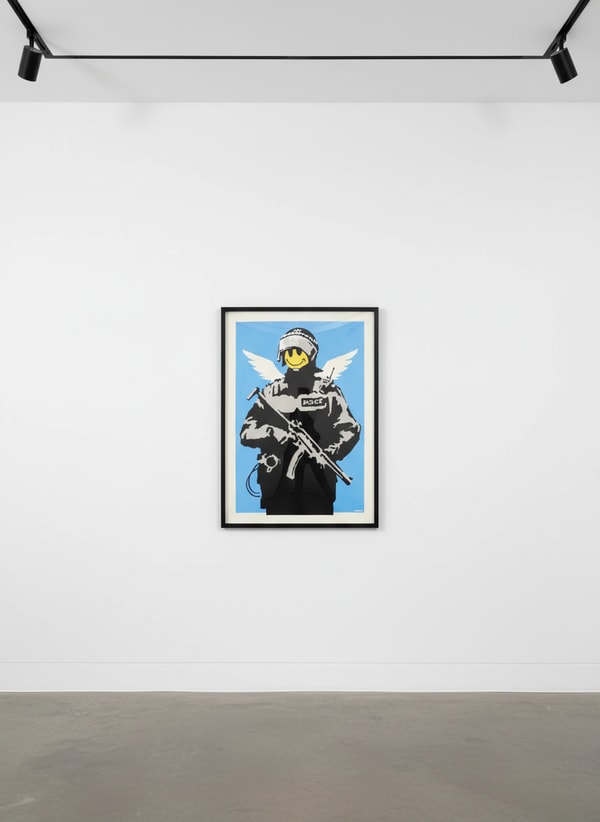
Banksy
Flying Copper (Unsigned)
2003
Enquire →
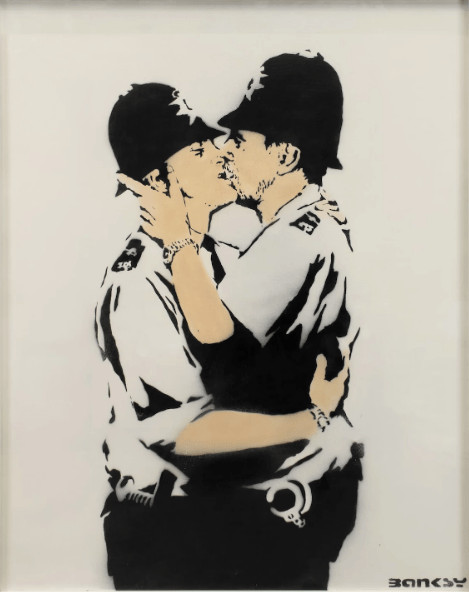
Banksy
Kissing Coppers
2006
Enquire →
More from Guy Hepner