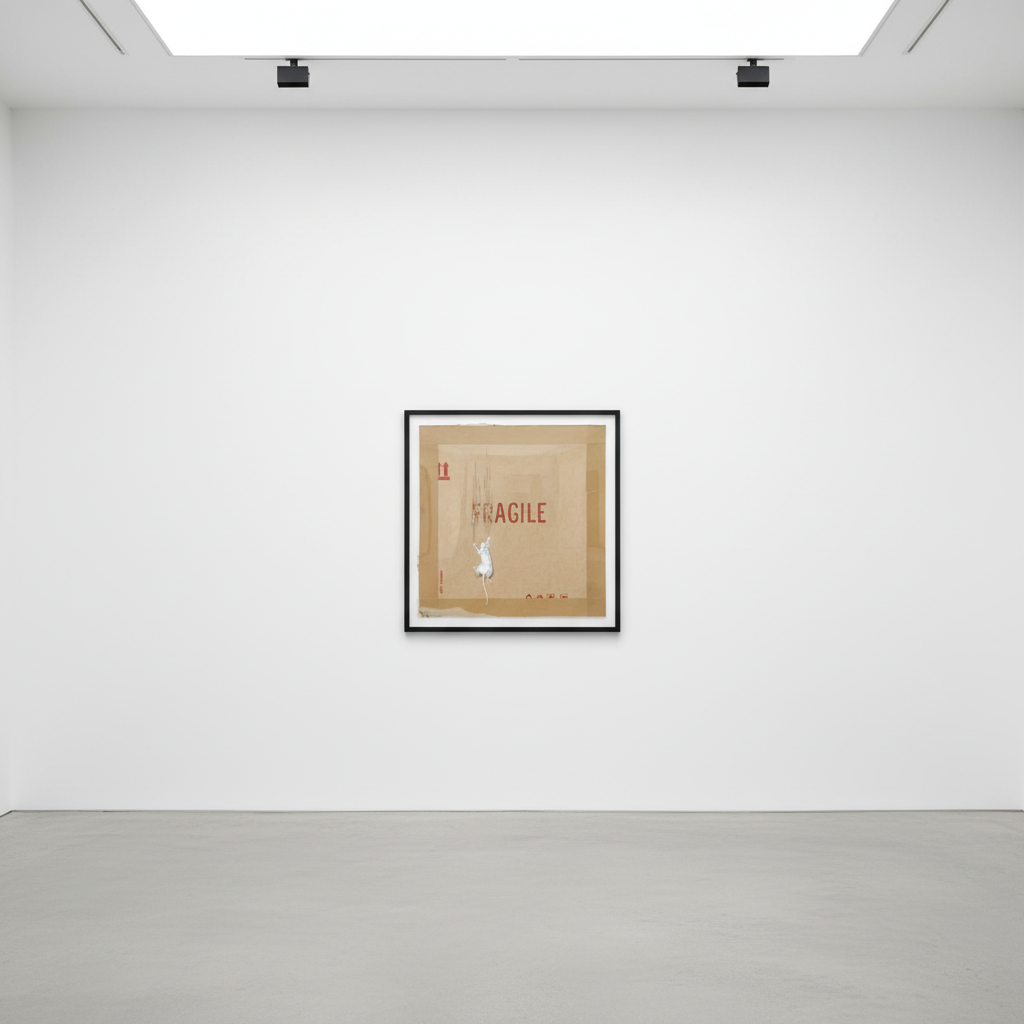
(Fr)agile


Banksy is a household name in contemporary art—despite, or perhaps because of, the fact that no one officially knows who he is. The anonymous British street artist has become a global icon by blending razor-sharp satire with stenciled street interventions, often appearing overnight and without permission. His works have sold for tens of millions at auction, his murals draw pilgrims from around the world, and his name has become synonymous with both artistic rebellion and cultural commentary. But what exactly explains Banksy's unprecedented popularity? Why does his work resonate so deeply with audiences across generations and borders? Here, we explore the key reasons behind Banksy's fame and enduring cultural relevance—from his subversive messages and powerful visual language to his remarkable ability to challenge the art world itself.
At the heart of Banksy's popularity is his unwavering commitment to social and political critique. His work addresses some of the most pressing issues of our time: war, poverty, environmental degradation, government surveillance, corporate greed, and systemic injustice. Rather than preaching or moralizing, Banksy uses humor, irony, and visual simplicity to convey profound messages that transcend language barriers and cultural boundaries.
His iconic Flower Thrower depicts a masked protester about to hurl not a Molotov cocktail but a bouquet of flowers—transforming an image of violence into a call for peace. Similarly, his interventions on the West Bank barrier in Palestine brought international attention to the Israeli-Palestinian conflict, using the wall itself as both canvas and subject matter. These works demonstrate Banksy's genius for distilling complex geopolitical realities into instantly comprehensible visual statements.
What distinguishes Banksy from other politically engaged artists is his ability to remain relevant across decades. His critiques of consumerism, militarism, and institutional power feel as urgent today as when they first appeared on walls in Bristol and London. This timelessness—rooted in universal themes rather than fleeting headlines—ensures that each generation discovers Banksy anew and finds his work speaking directly to contemporary concerns.
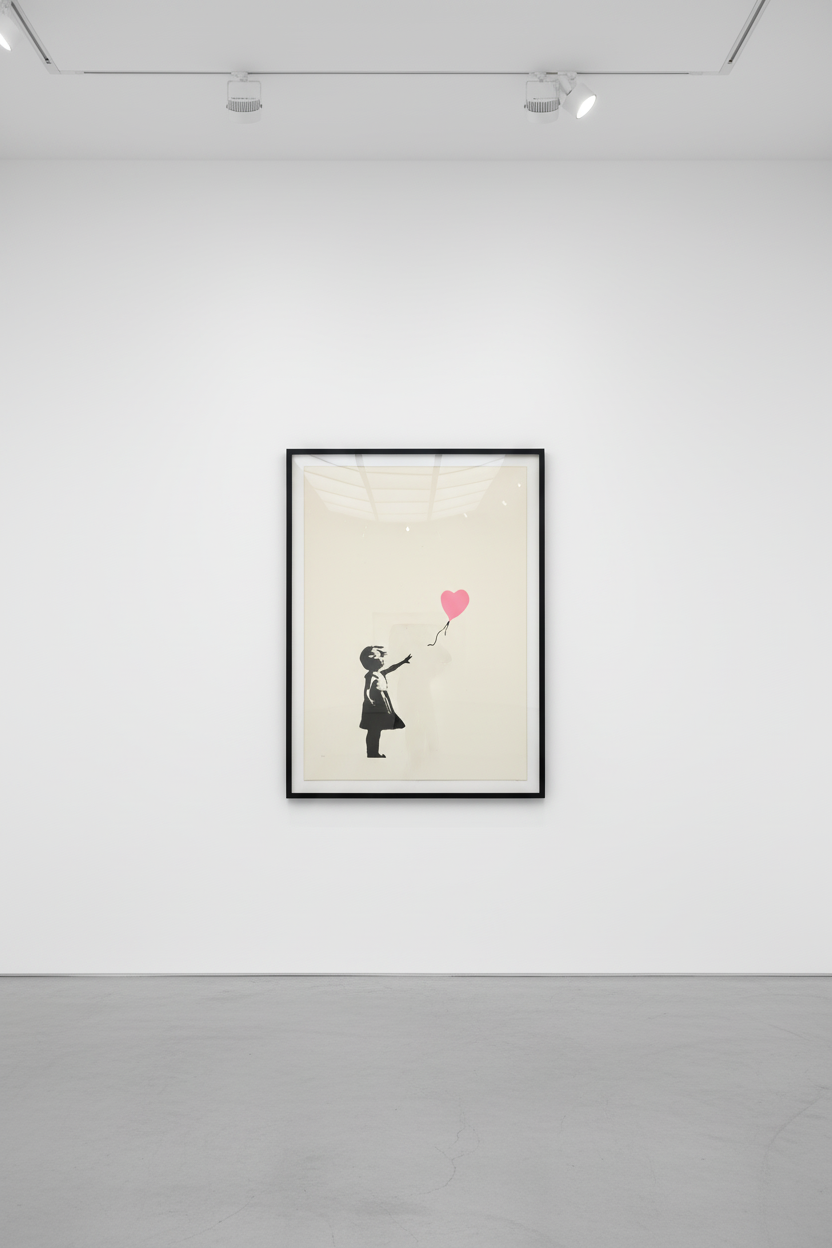
Girl with Balloon Pink AP — Banksy. Available at Guy Hepner, New York.
Banksy's persistent anonymity has proven to be one of the most effective branding strategies in contemporary art history. In an age of relentless self-promotion and social media saturation, his refusal to reveal his identity creates an irresistible mystique. The unknown face behind the stencils transforms Banksy from a mere artist into a cultural phenomenon—part revolutionary figure, part urban legend.
This anonymity also reinforces his anti-establishment message. By remaining faceless, Banksy shifts attention entirely onto the work and its meaning rather than the personality behind it. He cannot be easily commodified, interviewed, or absorbed into the celebrity machinery that typically surrounds successful artists. The mystery invites endless speculation and media coverage, keeping Banksy perpetually in the public consciousness without requiring traditional promotional efforts.
His guerrilla approach to art-making further amplifies this rebellious appeal. Works appear without warning on buildings, bridges, and public spaces worldwide, often in locations that challenge authority or highlight social issues. This element of surprise and transgression transforms each new Banksy piece into an event, generating immediate global attention and reinforcing his outsider status. The Art Basel and UBS Global Art Market Report has consistently noted how Banksy's unconventional approach has influenced broader market dynamics, particularly in how street art has gained institutional acceptance.
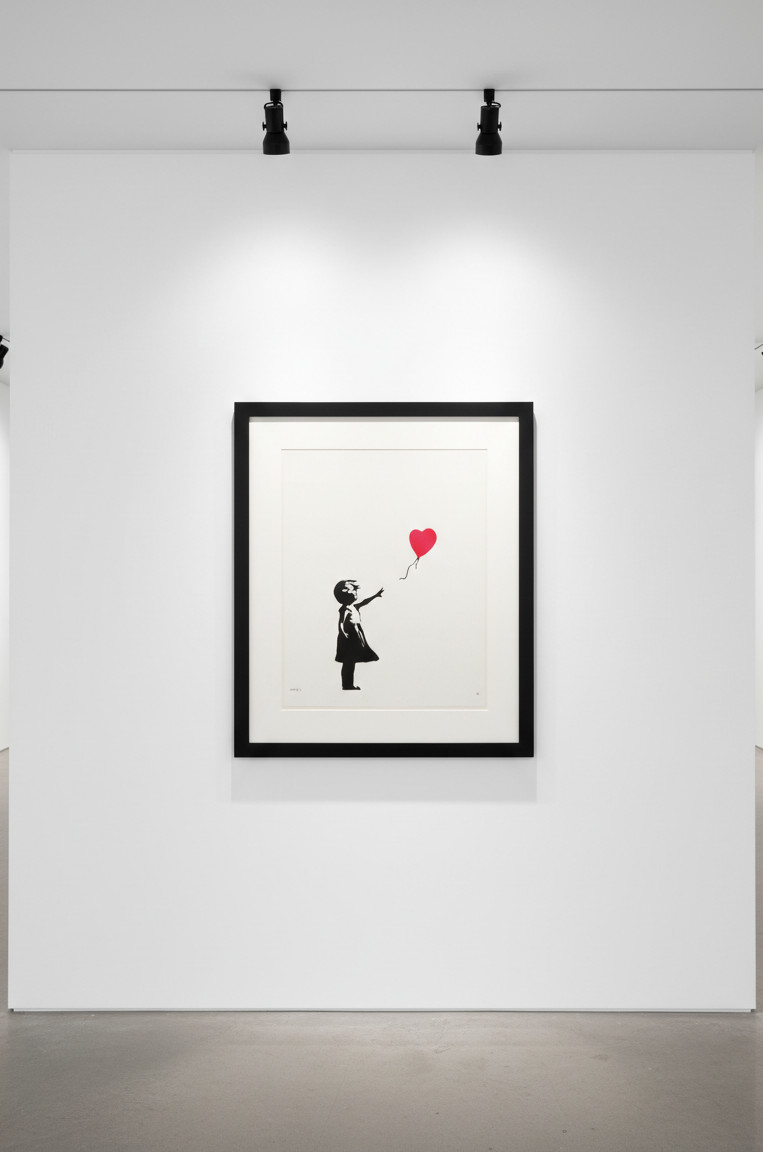
Girl With Balloon (Signed) — Banksy. Available at Guy Hepner, New York.
Unlike much contemporary art that requires extensive theoretical knowledge to appreciate, Banksy's work communicates instantly and emotionally. His stencil technique produces clean, graphic images that read immediately—whether encountered on a city street or reproduced on a screen. This accessibility has been crucial to his mass appeal, allowing his work to transcend the traditional boundaries of the art world.
The Girl With Balloon series exemplifies this approach perfectly. The simple image of a young girl reaching toward a heart-shaped balloon escaping her grasp evokes universal themes of innocence, hope, loss, and longing. First appearing on a London wall in 2002, this motif has become one of the most recognized artworks of the twenty-first century. Its emotional directness requires no art historical education to understand—viewers respond viscerally to its poignant simplicity.
This visual accessibility extends to Banksy's use of recognizable cultural imagery and symbols. By appropriating and subverting familiar icons—from Mickey Mouse to the Queen of England—he creates work that feels simultaneously populist and provocative. Audiences appreciate both the immediate visual pleasure and the deeper satirical commentary, creating multiple entry points for engagement.
Banksy's cultural significance has translated into extraordinary market performance, establishing him as one of the most valuable living artists in the world. Sotheby's made auction history in 2018 when Girl With Balloon partially shredded itself moments after selling for over one million pounds—a moment of pure Banksy theater that only increased the work's value and cultural cachet. The piece, retitled Love is in the Bin, later resold at Sotheby's for approximately eighteen million pounds, demonstrating how Banksy's subversive gestures paradoxically enhance rather than diminish market value.
Christie's has similarly achieved remarkable results with Banksy works, reflecting sustained institutional and private collector interest. According to Art Basel and UBS market analyses, Banksy consistently ranks among the top-selling contemporary artists globally, with demand spanning established collectors, new market entrants, and institutional buyers. His prints, in particular, have proven exceptionally strong performers, offering accessibility at various price points while maintaining significant appreciation potential.
For collectors, Banksy represents a rare convergence of cultural relevance, visual power, and investment potential. His works carry meaning beyond mere decoration—they make statements, provoke conversations, and connect owners to broader social dialogues. The limited availability of authenticated pieces, combined with ever-growing global recognition, creates sustained upward pressure on values across his oeuvre.
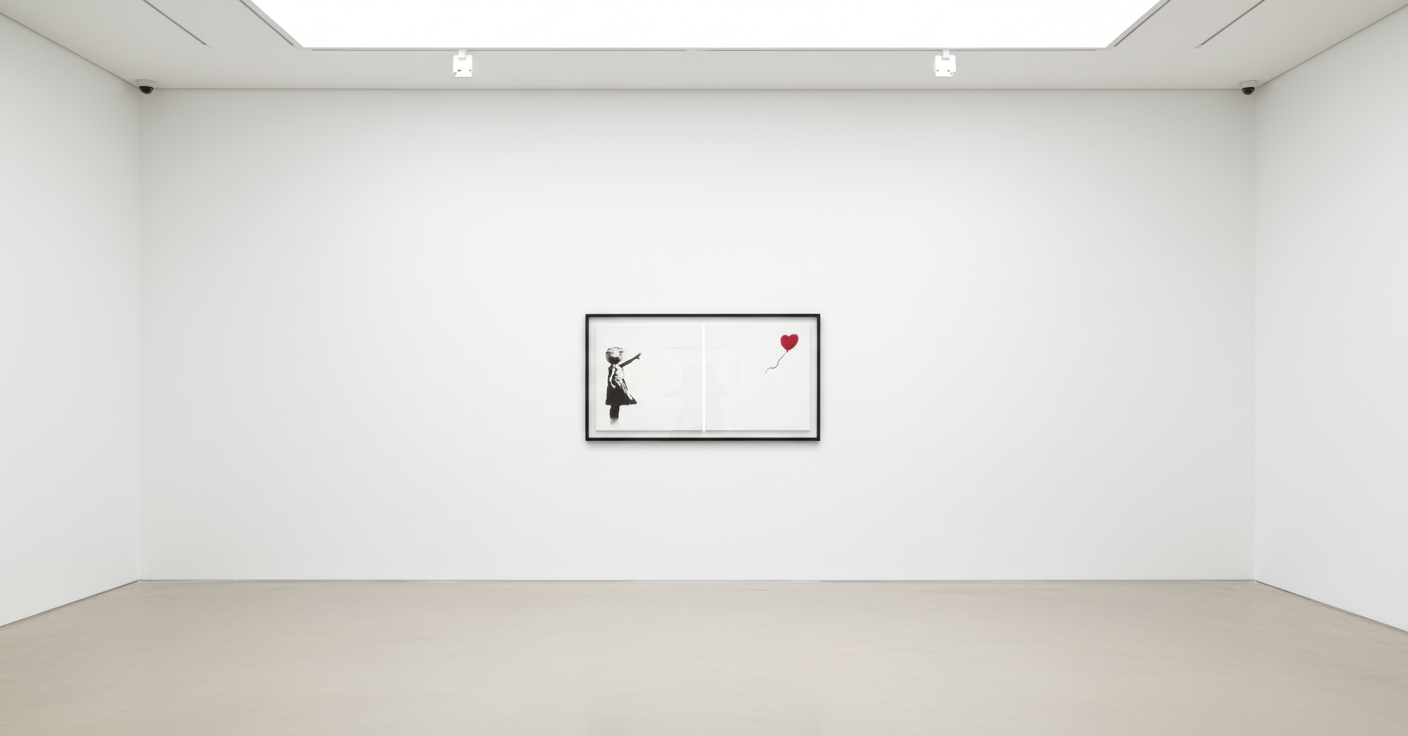
Girl With Balloon Diptych — Banksy. Available at Guy Hepner, New York.
Guy Hepner is proud to offer authenticated Banksy works for discerning collectors seeking to acquire pieces by this generation-defining artist. Our current inventory includes exceptional examples from the iconic Girl With Balloon series in various editions and formats. Each work comes with full authentication documentation and provenance verification, ensuring collectors can acquire with complete confidence. To inquire about available Banksy editions, pricing, and acquisition opportunities, we invite you to contact our gallery directly. Our specialists are available to guide both emerging and established collectors through the process of adding these historically significant works to their collections.
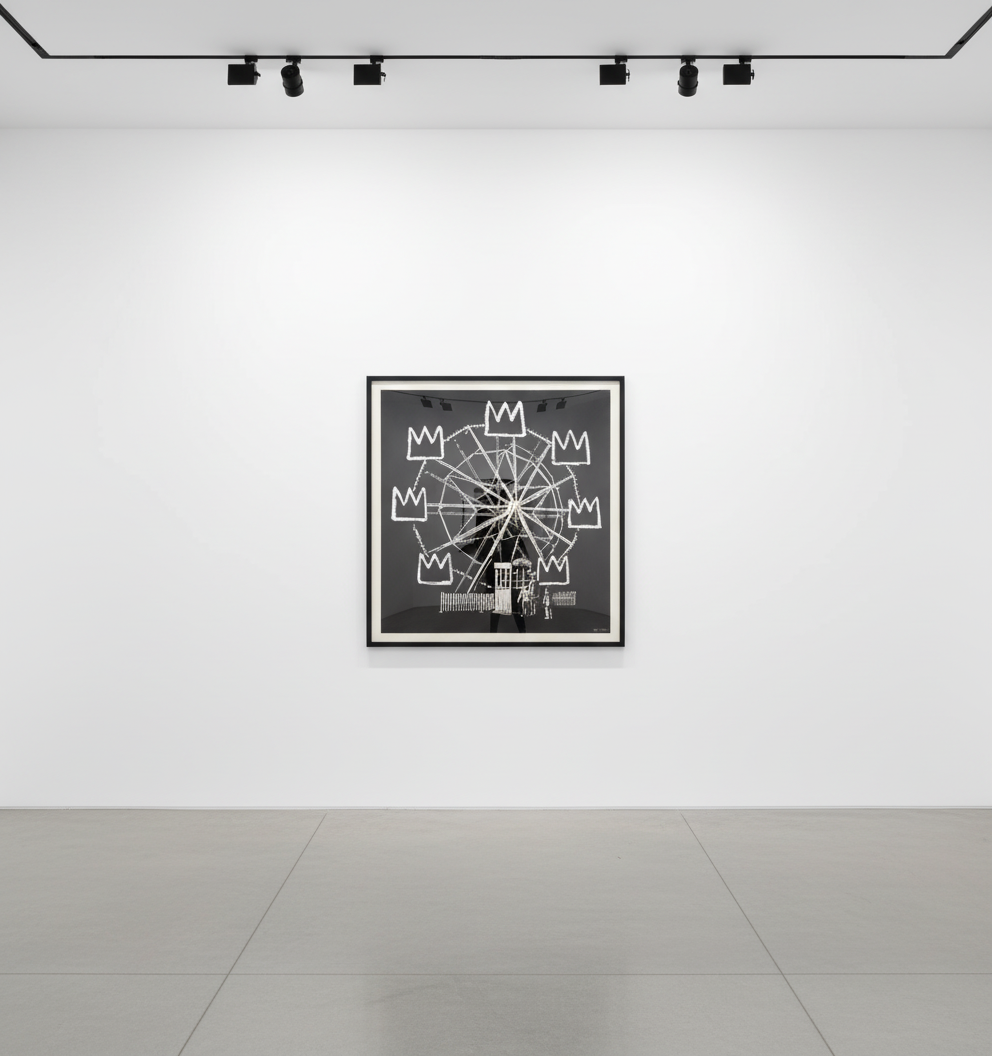
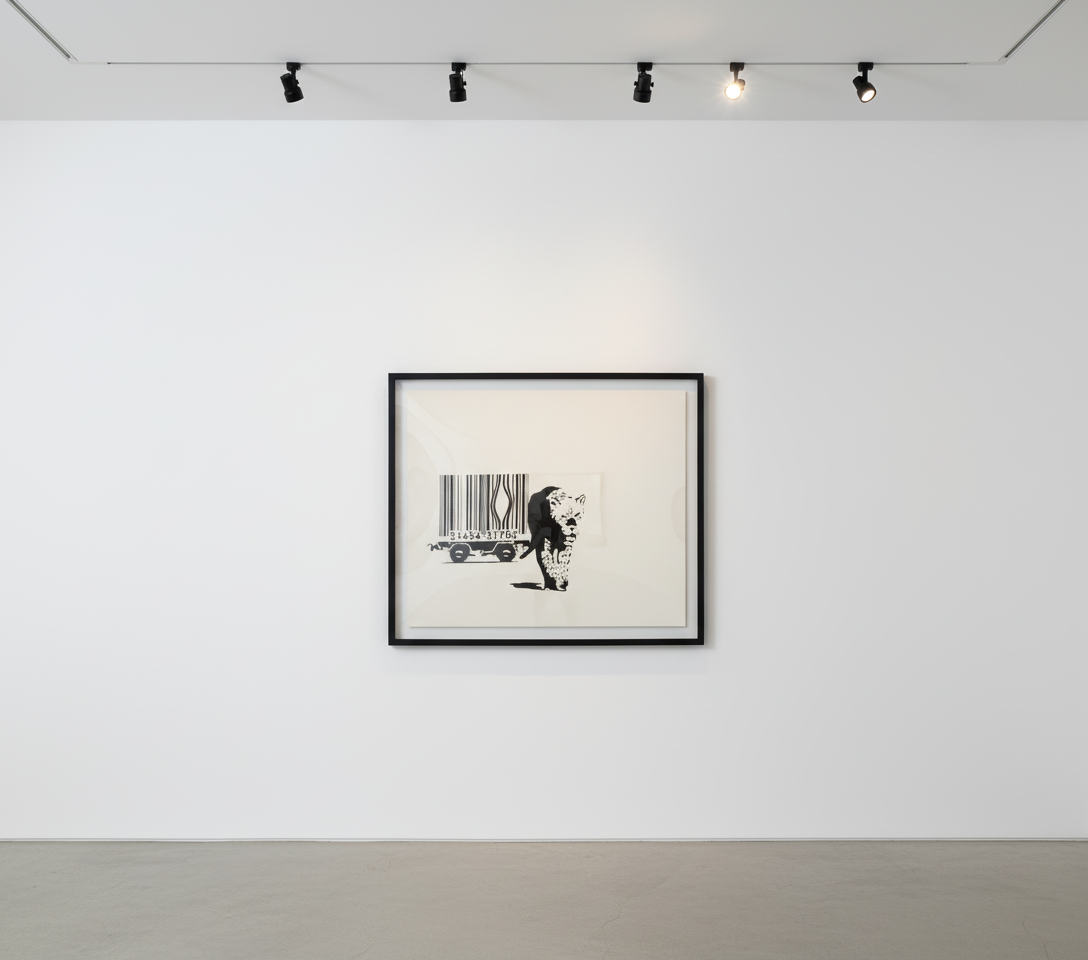
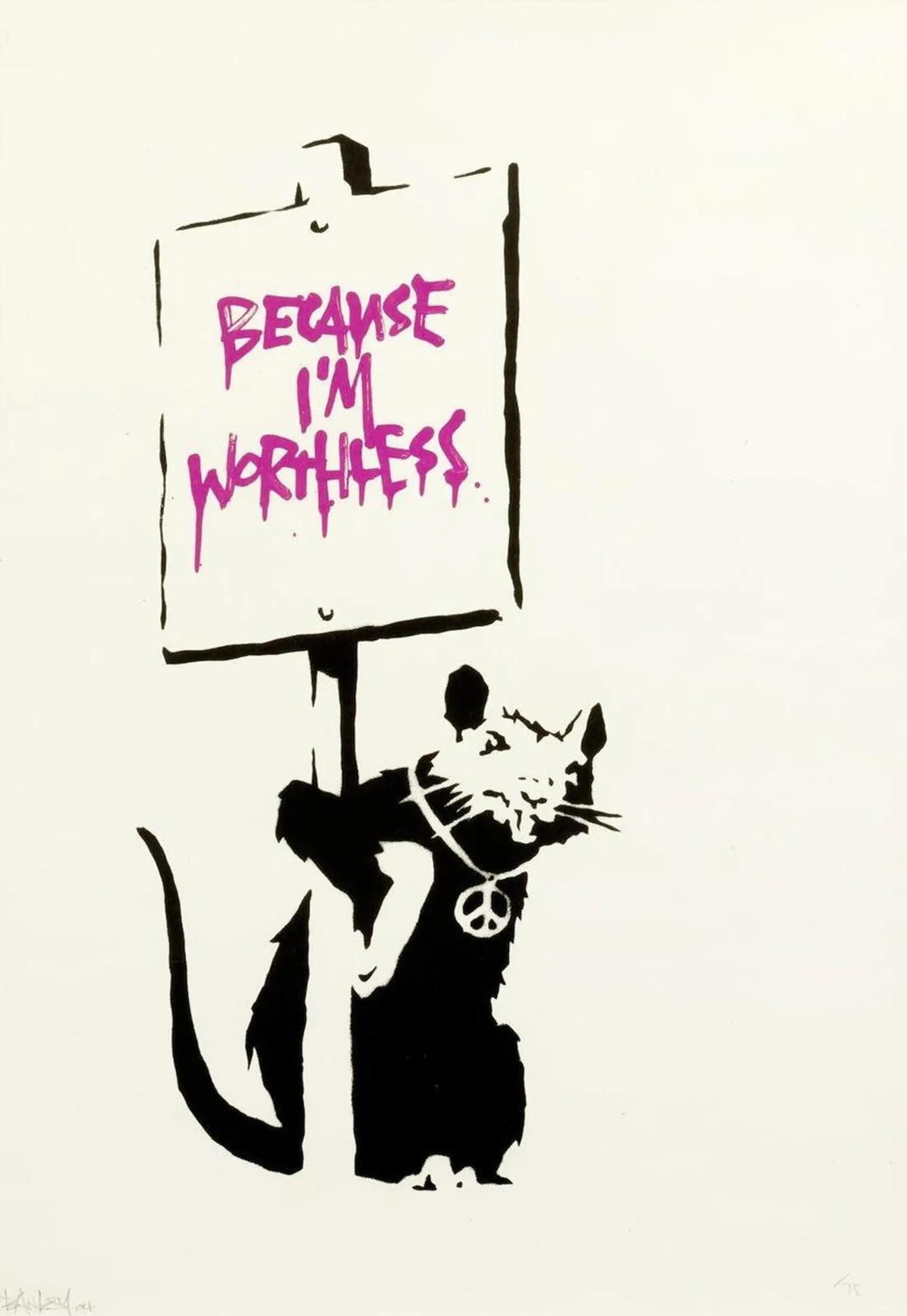
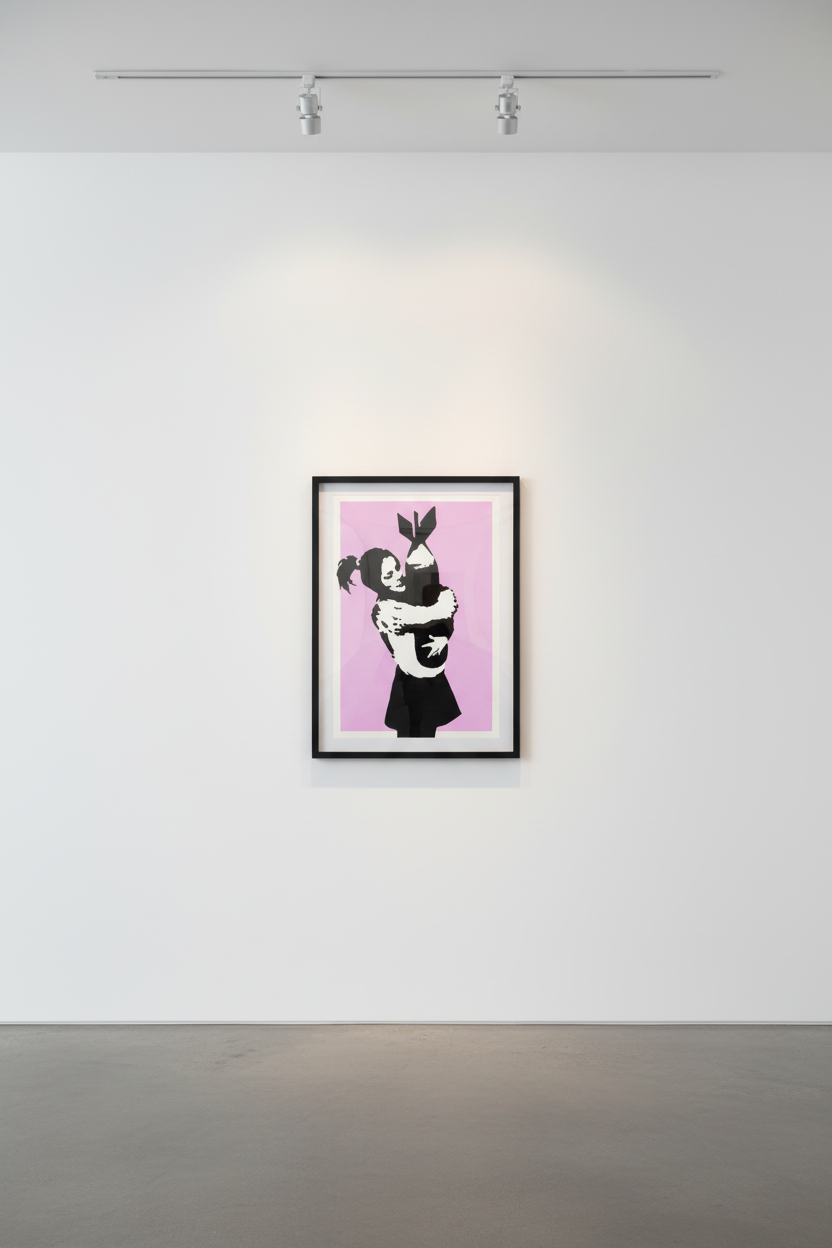
Explore Banksy prints for sale at Guy Hepner: (Fr)agile, Applause, Banksquiat, Barcode, Because I'm Worthless.
Related Series