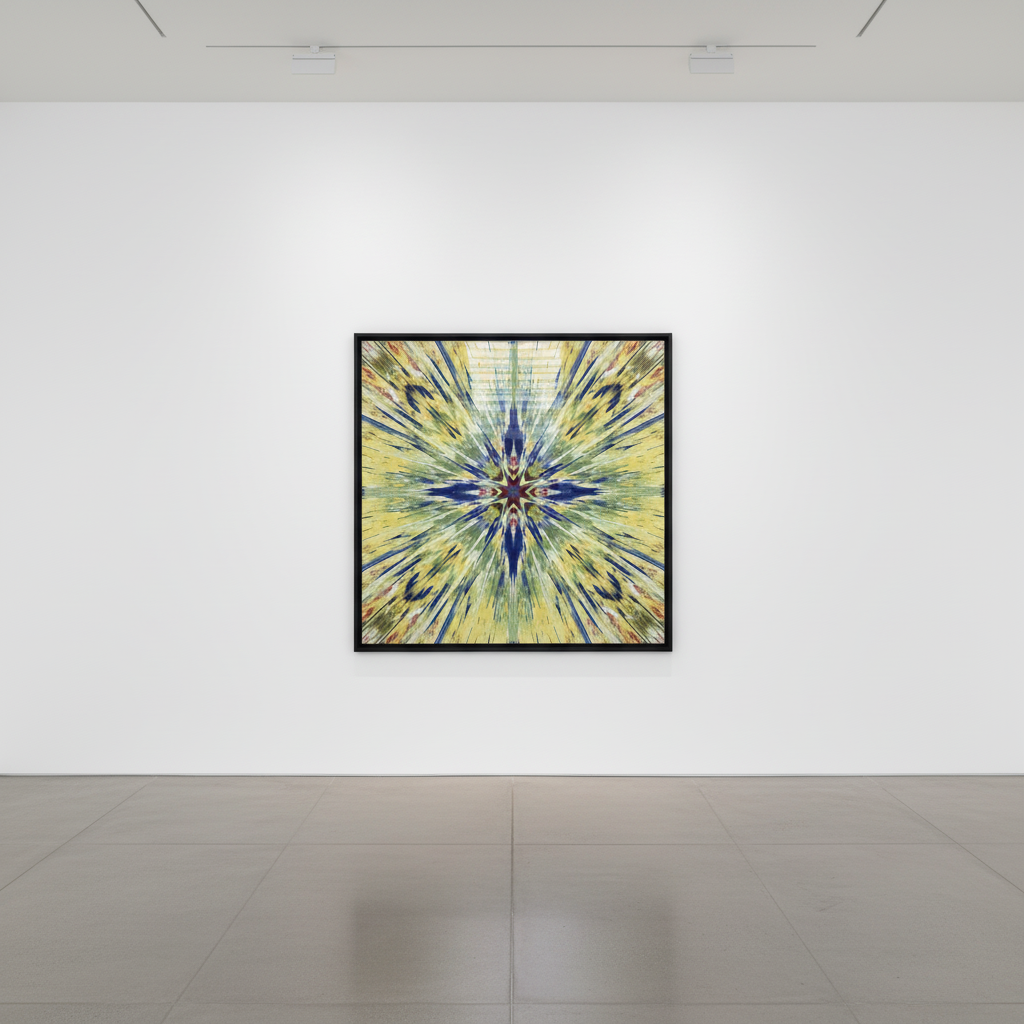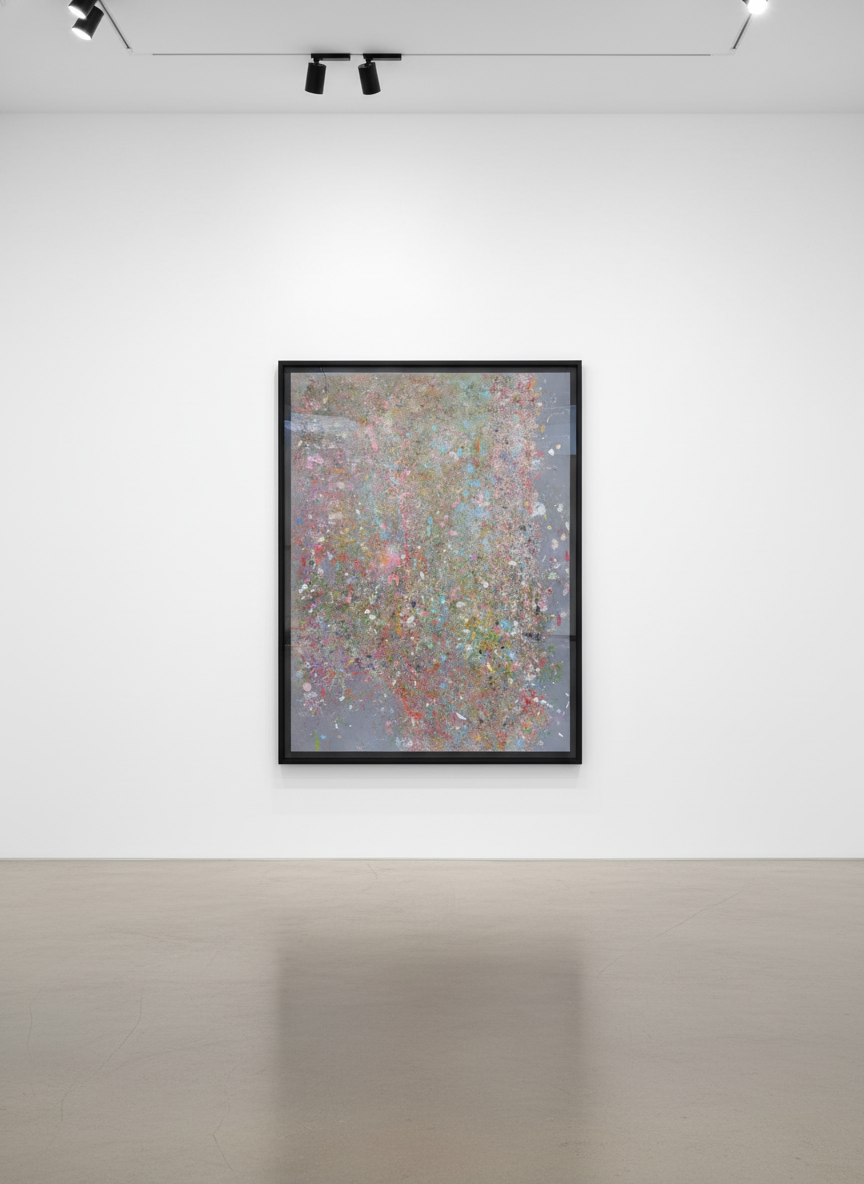
Blossoms

Since 1986, Damien Hirst has created one of the most recognisable and debated bodies of work in contemporary art history - the Spot Paintings. By his own estimation, Hirst has produced approximately 1,400 of these works since beginning the series in 1988, each one contributing to a visual vocabulary that has become synonymous with his name. While minimalist in their initial appearance, the Spot Paintings reveal themselves to be remarkably complex upon closer examination, inviting multiple interpretations that have sustained critical discourse for over three decades.
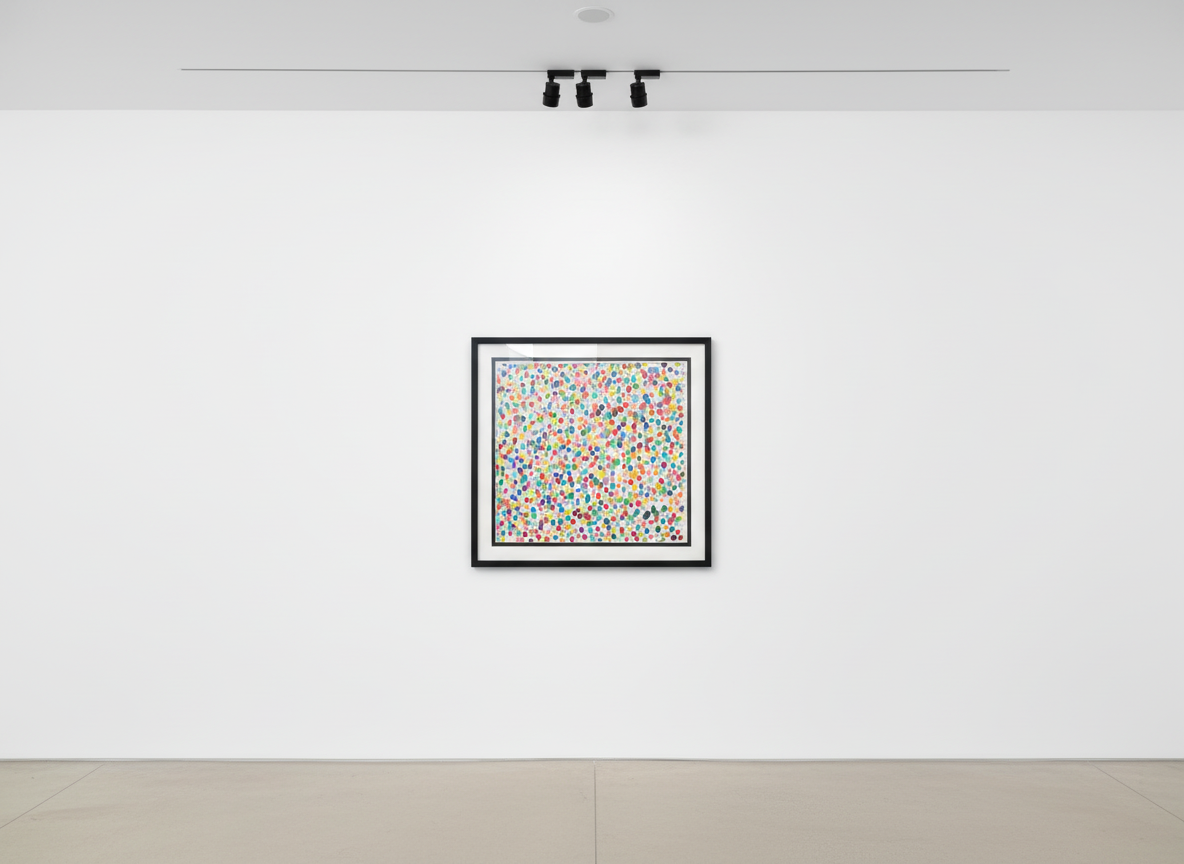
The genius of Hirst's approach lies in the deceptive simplicity of the format - countless dots arranged in grid formations across vibrant colour fields. Each spot differs from its neighbour, with no colour repeated within a single composition. This systematic yet seemingly random arrangement creates an optical experience that oscillates between order and chaos, between the clinical and the euphoric. The pharmaceutical titles that accompany many of these works - names like Methylamine 13c, Mannitol, and Opium - further deepen the conceptual framework, drawing connections between the seductive appeal of colour and the promise of chemical transformation.
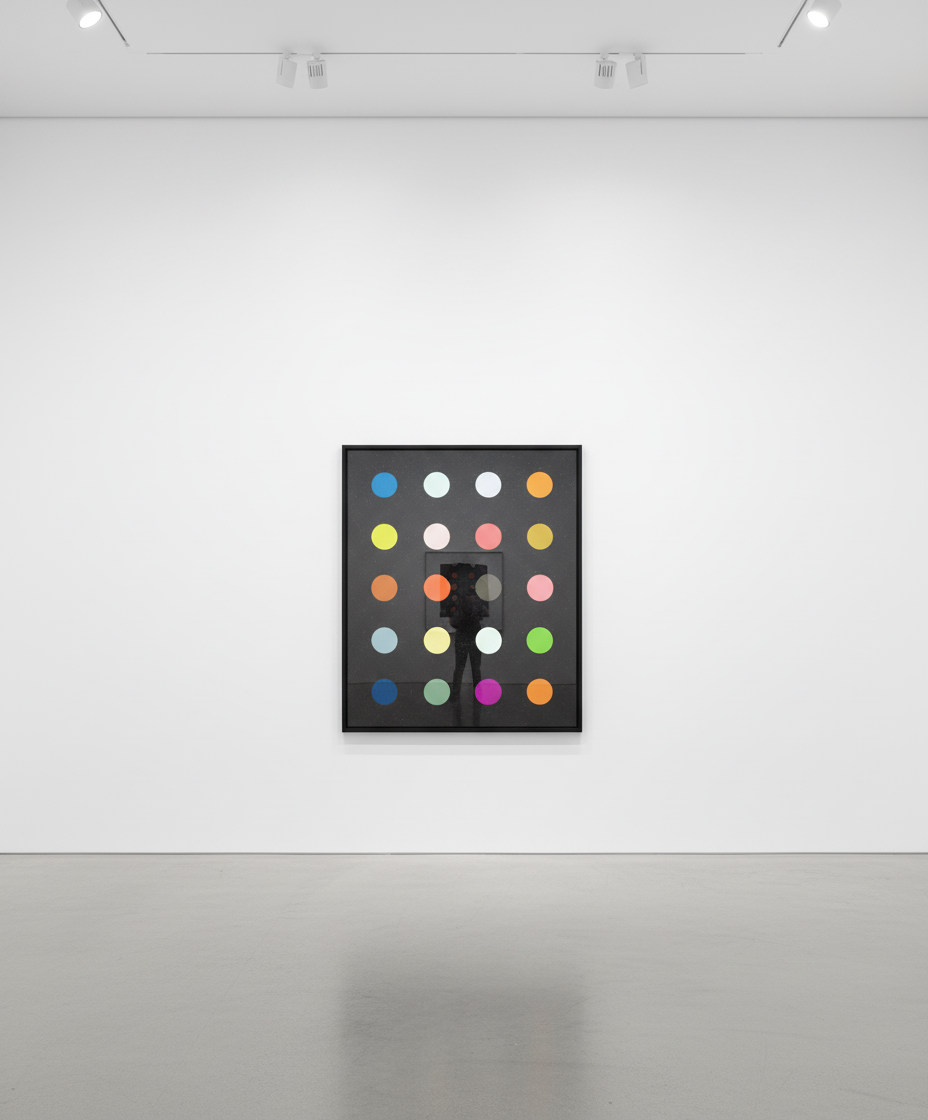
Methylamine 13c — Damien Hirst. Available at Guy Hepner, New York.
Hirst's Spot Paintings occupy a unique position in the contemporary art market. According to data compiled by major auction houses including Christie's and Sotheby's, these works have consistently performed as blue-chip investments, with significant examples achieving prices in the millions. The Art Basel and UBS Global Art Market Report has repeatedly identified Hirst as among the top-selling living artists, with the Spot Paintings representing a cornerstone of collector interest. Their institutional presence - spanning major museums from the Tate to the Guggenheim - further cements their art historical significance.
To understand the cultural weight of Hirst's spots, one must consider their conceptual predecessor in the work of Roy Lichtenstein, the American artist widely regarded as a founding father of Pop Art. Lichtenstein's revolutionary use of Ben-Day dots transformed the landscape of post-war contemporary art, establishing a visual language that continues to resonate with collectors and institutions alike.
Lichtenstein's fascination with comic imagery emerged in the early 1960s, when he began exploring the visual mechanics of mass media and consumer culture. The Ben-Day dot - a printing technique named after illustrator Benjamin Henry Day Jr - became his signature device. By meticulously hand-painting these dots through stencils and careful brushwork, Lichtenstein created texture, shading, and unexpected depth while simultaneously mimicking the mechanical reproduction processes of commercial printing.
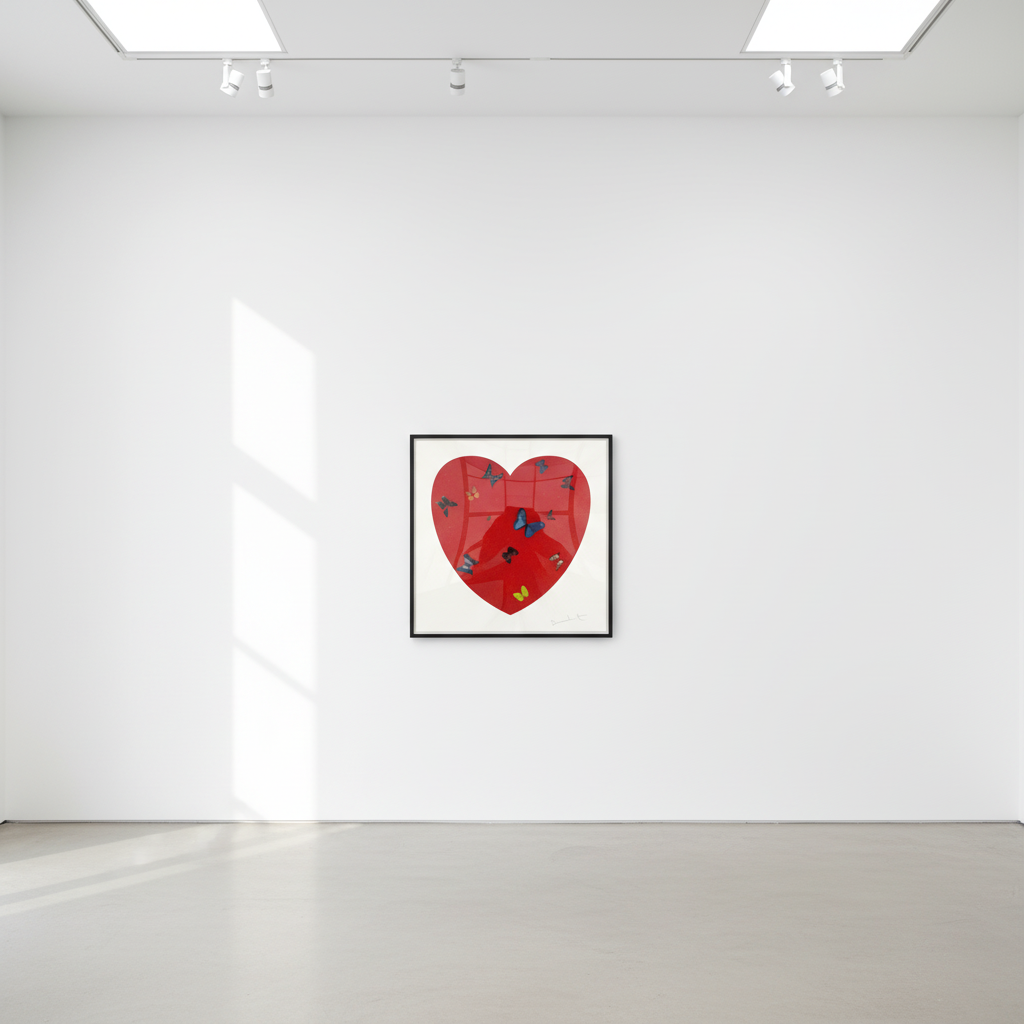
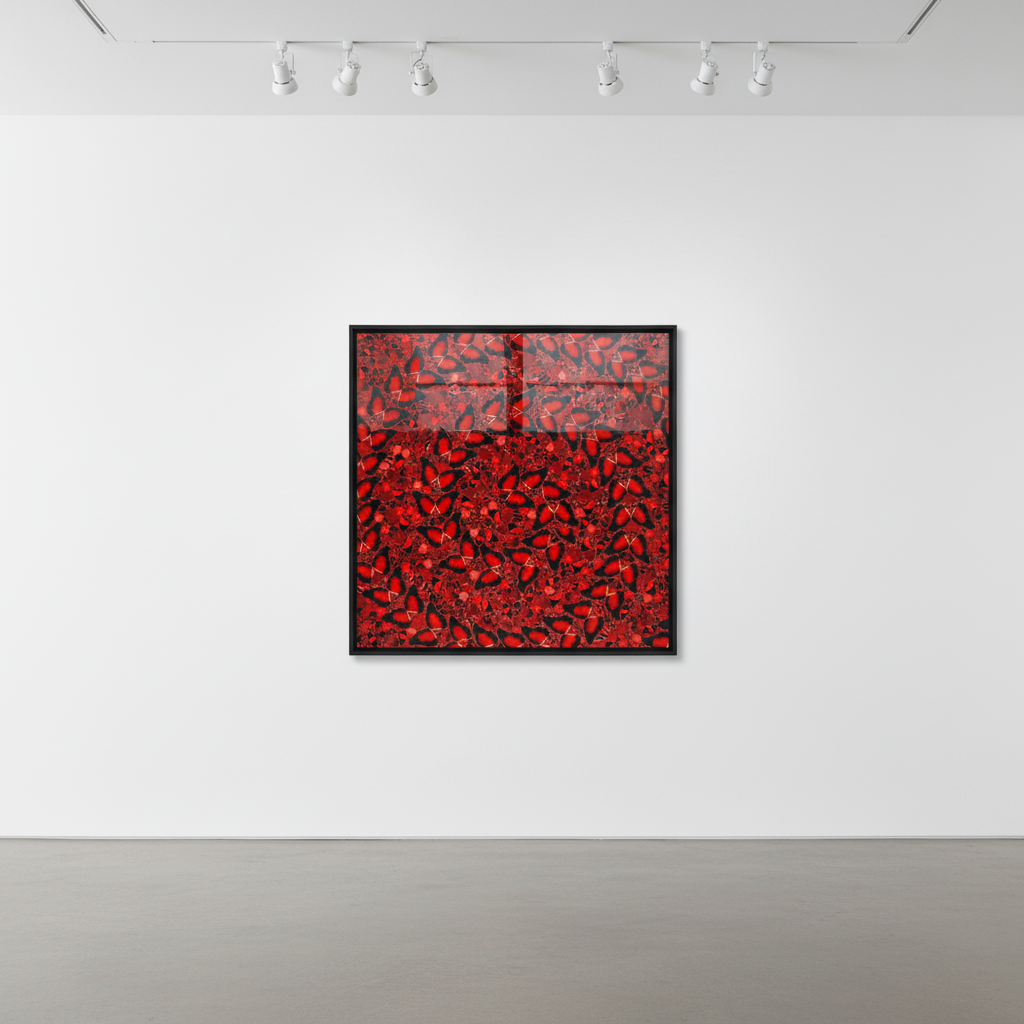
All you need is love, love, love (Diamond Dust) — Damien Hirst. Available at Guy Hepner, New York.
This technique represented a profound conceptual statement about the boundaries between high art and popular culture. Lichtenstein took imagery considered lowbrow - romance comics, war comics, advertisements - and elevated them through the transformative act of painting. The labour-intensive process of recreating what appeared to be mass-produced imagery by hand created a productive tension between the industrial and the artisanal, between reproduction and originality. His works have achieved extraordinary prices at auction, with Christie's and Sotheby's regularly featuring his major paintings in their evening sales of post-war and contemporary art.
The dialogue between Hirst and Lichtenstein reveals fascinating parallels in their artistic strategies, despite the decades separating their respective practices. Both artists employed the dot as a fundamental unit of visual construction, yet their approaches diverge in meaningful ways that illuminate broader shifts in contemporary art.
Lichtenstein's dots served a representational function, creating the illusion of printed imagery while simultaneously exposing the mechanics of visual reproduction. His work engaged directly with narrative content drawn from popular culture, using the dot as a means to an end. Hirst's spots, by contrast, are resolutely abstract - they represent nothing beyond themselves while simultaneously evoking everything from pharmaceutical promise to pure aesthetic pleasure.
Where Lichtenstein's dots appeared mechanical but were painstakingly hand-rendered, Hirst's spots achieve a machine-like precision that belies their handmade origins. This inversion speaks to the evolution of artistic production in the late twentieth and early twenty-first centuries. Hirst has been transparent about his studio practice, employing assistants to execute many of his Spot Paintings while maintaining that the conceptual authorship remains entirely his own. This approach, while controversial, connects to broader art historical precedents from Renaissance workshops to Andy Warhol's Factory.
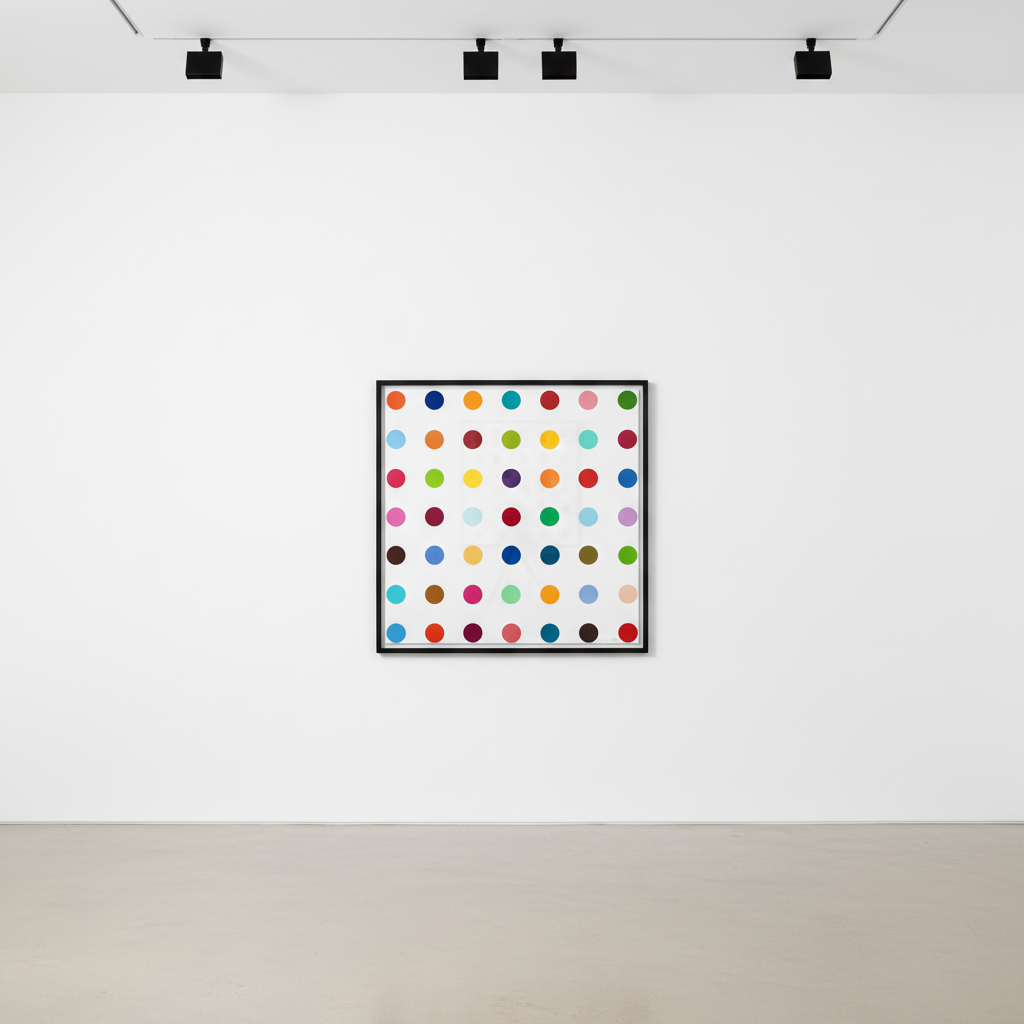
Mannitol — Damien Hirst. Available at Guy Hepner, New York.
The market has validated both artists' approaches. According to auction records from Christie's and Sotheby's, works by both Hirst and Lichtenstein have achieved landmark prices that reflect their enduring significance. The Art Basel and UBS Global Art Market Report consistently ranks both artists among the most sought-after names in their respective categories - Lichtenstein as a pillar of post-war American art, Hirst as a defining figure of the Young British Artists movement and beyond.
For discerning collectors, works by Damien Hirst represent both cultural capital and tangible investment potential. The Spot Paintings in particular offer an entry point into the practice of one of the most influential living artists, with works available across a range of scales and price points. From intimate compositions to monumental installations, the series demonstrates remarkable versatility while maintaining consistent visual impact.
The pharmaceutical series - including works such as All You Need Is Love, Love, Love and Memento - combines the formal elegance of the spot format with titles that invite reflection on mortality, desire, and the human condition. These conceptual dimensions elevate the works beyond mere decoration, offering collectors pieces that reward sustained contemplation while making bold visual statements.
Guy Hepner is pleased to offer exceptional works by Damien Hirst, including significant examples from the Spot Paintings and pharmaceutical series. Our gallery maintains access to a curated selection of prints and editions that represent the finest of Hirst's output. For collectors seeking to acquire works by this defining contemporary artist, we invite you to contact our team for private viewing appointments and detailed information on available inventory, pricing, and acquisition opportunities.
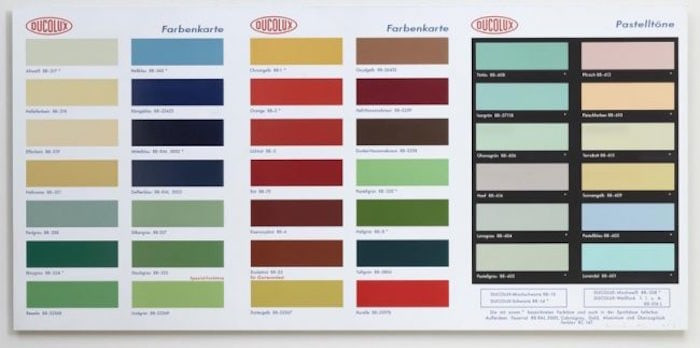
--- **Browse Damien Hirst prints and editions** at Guy Hepner: [Damien Hirst art for sale](/damien-hirst) | [Sell your Damien Hirst](/sell/damien-hirst)Explore Damien Hirst prints for sale at Guy Hepner: Blossoms, Colour Chart, H1 - Enter the Infinite, H10 - the Empresses, H11 - the Currency.
Related Series