Blossoms
5 works

Damien Hirst's sculptural works represent the most commanding segment of his market, with three-dimensional pieces consistently achieving the highest valuations among his diverse oeuvre. Guy Hepner, The global art market's return to growth in 2025, as documented by Art Basel and UBS in their 2026 report, has intensified demand for blue-chip sculptural works that demonstrate both conceptual depth and material presence.
Hirst's position as the leading figure of the Young British Artists movement, combined with authentication through Science Ltd and representation by White Cube, establishes an institutional framework that supports sustained market confidence. His landmark "Beautiful Inside My Head Forever" single-artist auction at Sotheby's in 2008—which achieved $198 million in total sales—demonstrated unprecedented collector appetite for his sculptural editions.
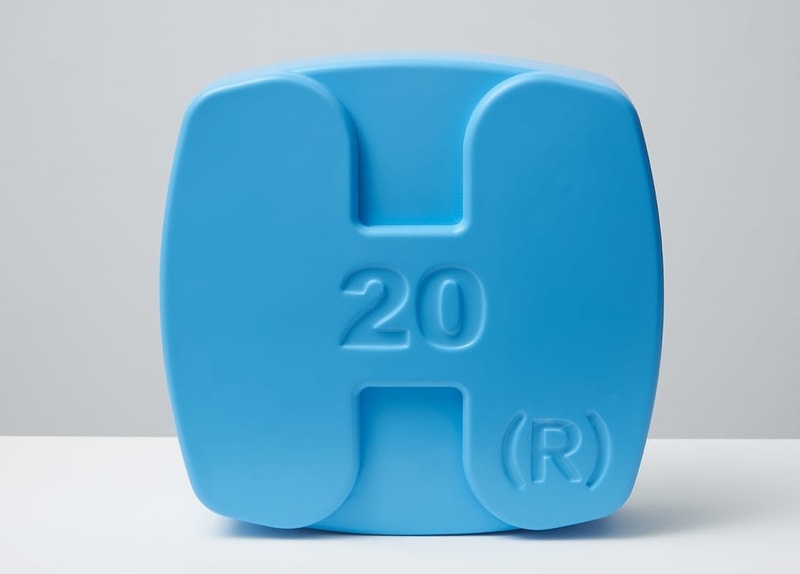
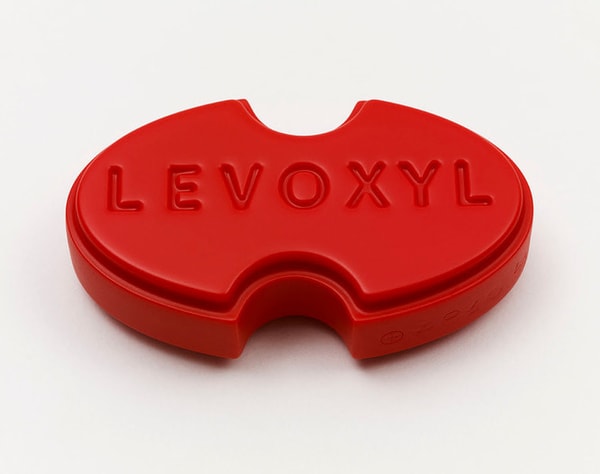
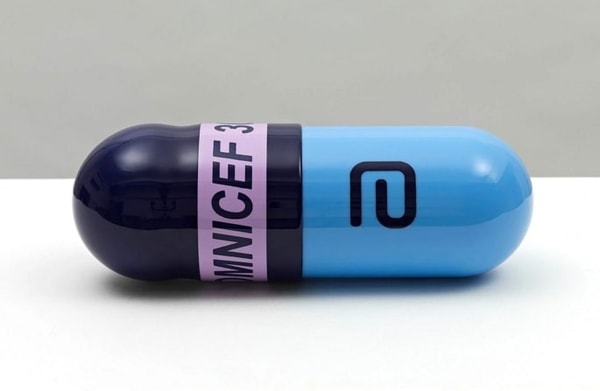
The pill sculptures represent Hirst's most direct engagement with pharmaceutical iconography as freestanding objects. Departing from the cabinet-based installations of his pharmacy works, these individual pill forms isolate the symbolic power of medication, transforming clinical objects into monuments of contemporary anxiety, hope, and consumption. Each sculpture functions as both portrait and commentary—capturing the specific visual identity of branded pharmaceuticals while questioning the cultural mythologies surrounding healing, dependency, and the body.
Executed in 2014, this series emerged during a period of renewed sculptural focus in Hirst's practice, following his exploration of large-scale installations and painted works. The selection of specific medications—from cardiovascular treatments to antibiotics to common decongestants—reveals a systematic cataloguing of the contemporary medicine cabinet. These works participate in a tradition extending from Pop Art's engagement with consumer products through to Hirst's own formaldehyde vitrines, yet they achieve a formal clarity and chromatic intensity that distinguishes them within his broader output.
The pharmaceutical industry's visual language—precise colors, embossed typography, geometric forms—provides Hirst with a ready-made aesthetic vocabulary that he amplifies to monumental scale. In doing so, the sculptures collapse distinctions between fine art, industrial design, and medical commerce.
Each sculpture in this collection utilizes polyurethane resin with ink pigment, a medium that achieves exceptional color saturation and surface finish. This industrial material choice aligns conceptually with pharmaceutical manufacturing processes while enabling the precise replication of pill forms at dramatically increased scale. The resin captures light with a luminosity that recalls the glossy coatings of actual medications, creating objects that oscillate between sculpture and oversized replica.
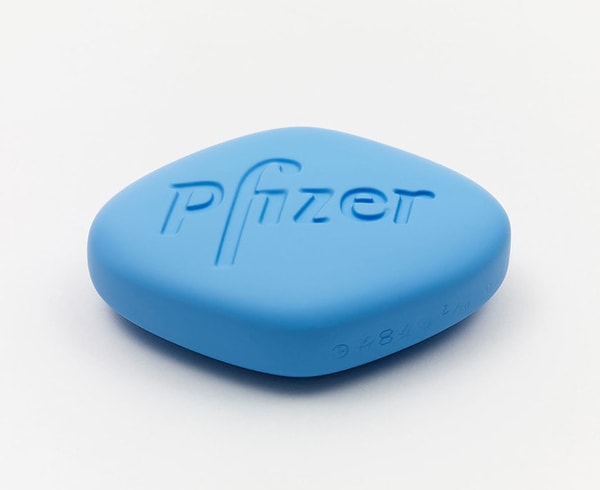
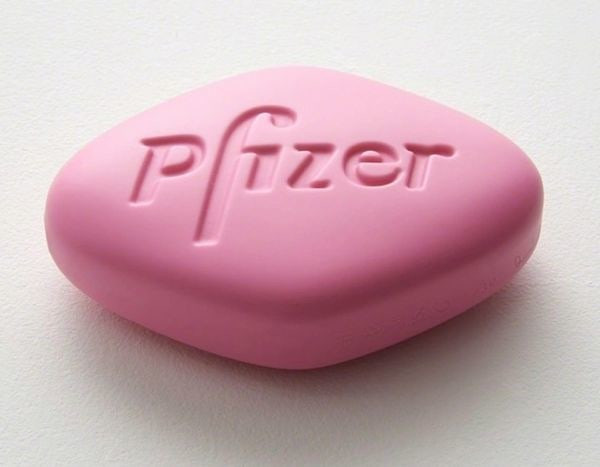
The chromatic range demonstrates remarkable specificity. VISKEN 5 and Pfizer 100mg in baby blue reference the calming associations of pharmaceutical branding, while Valium 5MG Roche in yellow captures the distinctive identity of one of the twentieth century's most culturally significant medications. The pink variant of Pfizer 100mg offers chromatic variation within the brand identity, while Sudafed PE in clear polyurethane resin introduces transparency as both material quality and potential metaphor for bodily permeability.
Surface detailing includes pharmaceutical typography and manufacturer markings rendered with technical precision. These inscriptions—brand names, dosage specifications, company identifiers—become sculptural elements in themselves, embossed or imprinted text that transforms medical information into aesthetic content. The works range in scale while maintaining proportional accuracy to their pharmaceutical sources, ensuring recognizability regardless of dimensional amplification.
Valium 5MG Roche (Yellow) commands particular significance given Valium's cultural history as both legitimate treatment and symbol of mid-century anxieties regarding medication dependency. The yellow coloration directly references Roche's iconic branding, making this work instantly recognizable to audiences familiar with pharmaceutical visual culture.
Pfizer 100mg in both baby blue and pink iterations engages with one of the most commercially successful and culturally discussed medications of recent decades. These works carry associations extending beyond pharmaceutical function into broader conversations about masculinity, performance, and bodily intervention.
Sudafed PE in clear polyurethane resin offers a distinctive material approach within the series, its transparency creating complex interactions with ambient light and viewing environment. This technical variation provides collectors with an alternative visual experience while maintaining conceptual continuity.
Damien Hirst emerged as a defining figure of the Young British Artists movement in the late 1980s, building a body of work across painting, sculpture, and printmaking united by a sustained conceptual interest in mortality, science, medicine, and belief systems. His prints and editions extend the visual language developed across his sculptural and painted work — repetition, colour systems, and the tension between clinical precision and organic subject matter — into widely accessible reproducible form.
Hirst's work is held in the permanent collections of major museums worldwide, and his 2008 "Beautiful Inside My Head Forever" single-artist auction at Sotheby's, which bypassed the traditional gallery system entirely, remains one of the most widely discussed events in the recent history of the contemporary art market.
14 works available
Damien Hirst
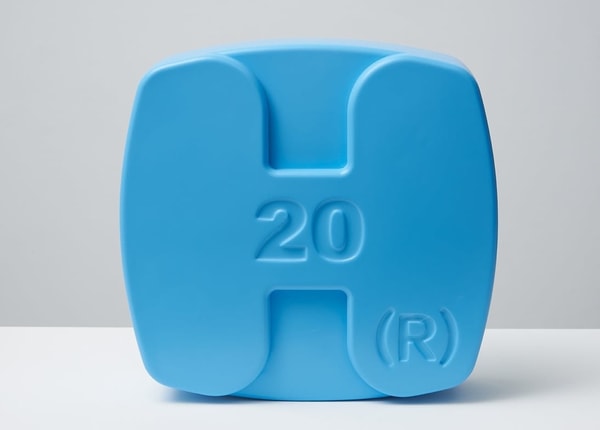
Hygroton (Blue)
2014
Damien Hirst
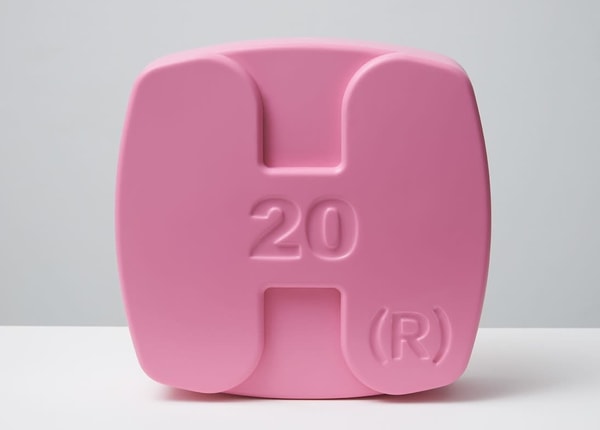
Hygroton (Pink)
2014
Damien Hirst
Levoxyl dp 112
2014
Damien Hirst
Omnicef 300mg
2014
Damien Hirst
Pfizer 100mg (Baby Blue)
2014
Damien Hirst
Pfizer 100mg (pink)
2014
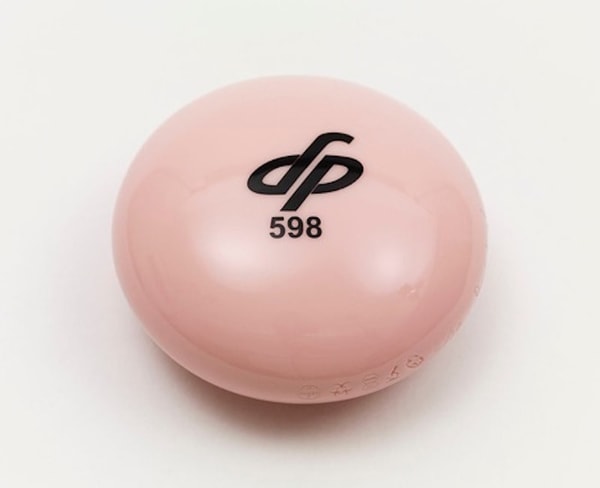
Damien Hirst
Sp 598
2014
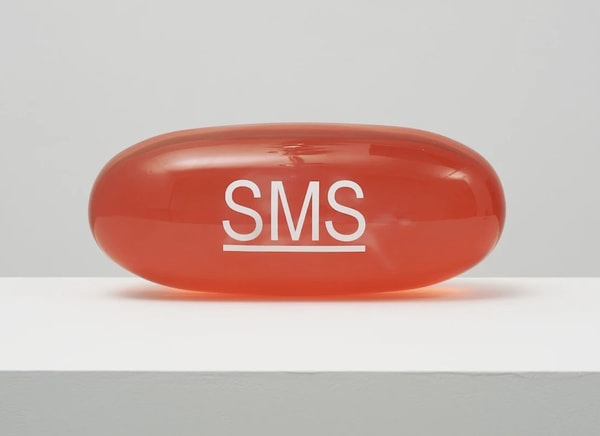
Damien Hirst
Sudafed PE
2014
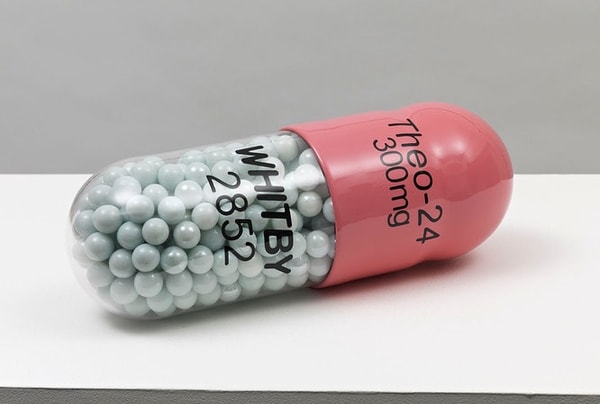
Damien Hirst
Theo-24 300mg WHITBY 2852
2014
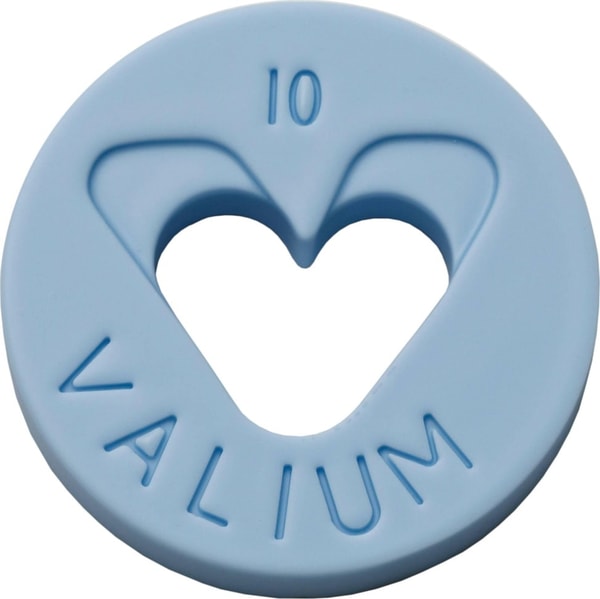
Damien Hirst
Valium 10mg Roche (Baby blue)
2014
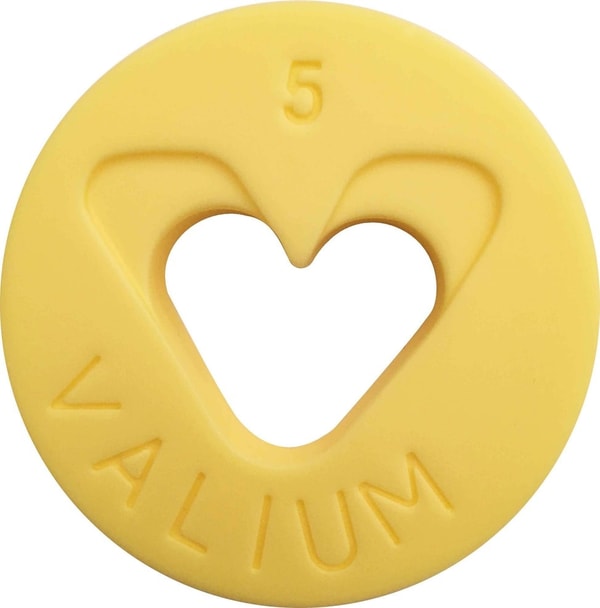
Damien Hirst
Valium 5MG Roche (Yellow)
2014
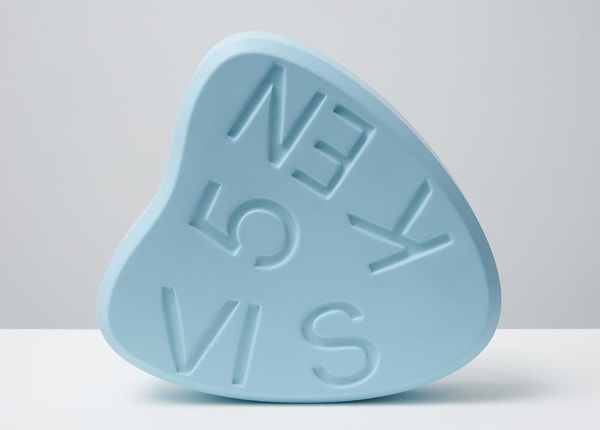
Damien Hirst
VISKEN 5 (Baby Blue)
2014
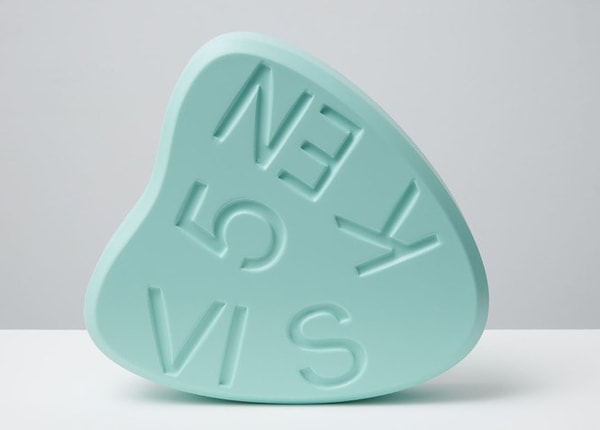
Damien Hirst
VISKEN 5 (Mint)
2014
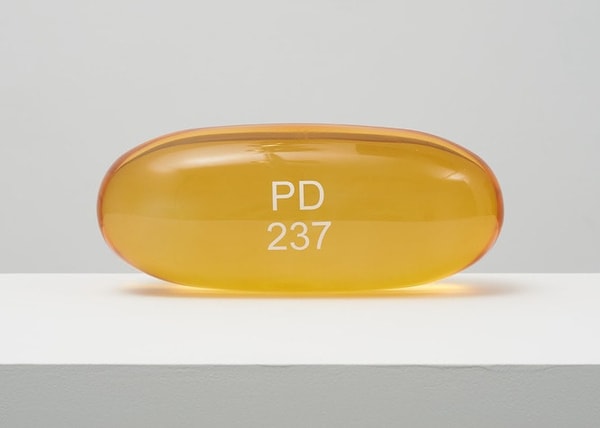
Damien Hirst
Zarontin PD 237
2014
Five Facts About Damien Hirst Sculptures
Hirst's 2014 pill sculptures render individual pharmaceutical tablets at dramatically enlarged scale, cast in polyurethane resin with ink pigment.
Works in the series are modelled on specific real medications, including Valium 5mg and 10mg Roche, Pfizer 100mg, VISKEN 5 and Sudafed PE, each replicating the precise colour and branding of its pharmaceutical source.
The Sudafed PE sculpture is cast in clear polyurethane resin rather than an opaque pigmented resin, introducing transparency as a distinct material variation within the series.
The pill sculptures extend Hirst's earlier engagement with pharmaceutical iconography seen in his Medicine Cabinets and Pharmacy installation, isolating individual tablets as freestanding sculptural objects rather than cabinet displays.
Surface detailing on each sculpture includes embossed pharmaceutical typography and manufacturer markings reproduced with technical precision from the source medication.
Market Data
See real auction history, estimate ranges and price benchmarks for individual Sculptures prints, sourced from Christie's, Sotheby's and other major auction houses.
Frequently Asked Questions
Damien Hirst Sculptures prints for sale are available at Guy Hepner Gallery, 177 Tenth Avenue, New York. We offer authenticated editions with full provenance documentation sourced from the secondary market and directly from publishers.
Damien Hirst Sculptures works — 14 available — are typically produced as limited editions, individually signed and numbered by the artist. Contact Guy Hepner Gallery for edition details on specific works.
Pricing for Damien Hirst Sculptures prints varies by edition size, date, and condition. Contact Guy Hepner Gallery for current market pricing and availability.
From the Journal
More Damien Hirst Series
View all Damien Hirst works →