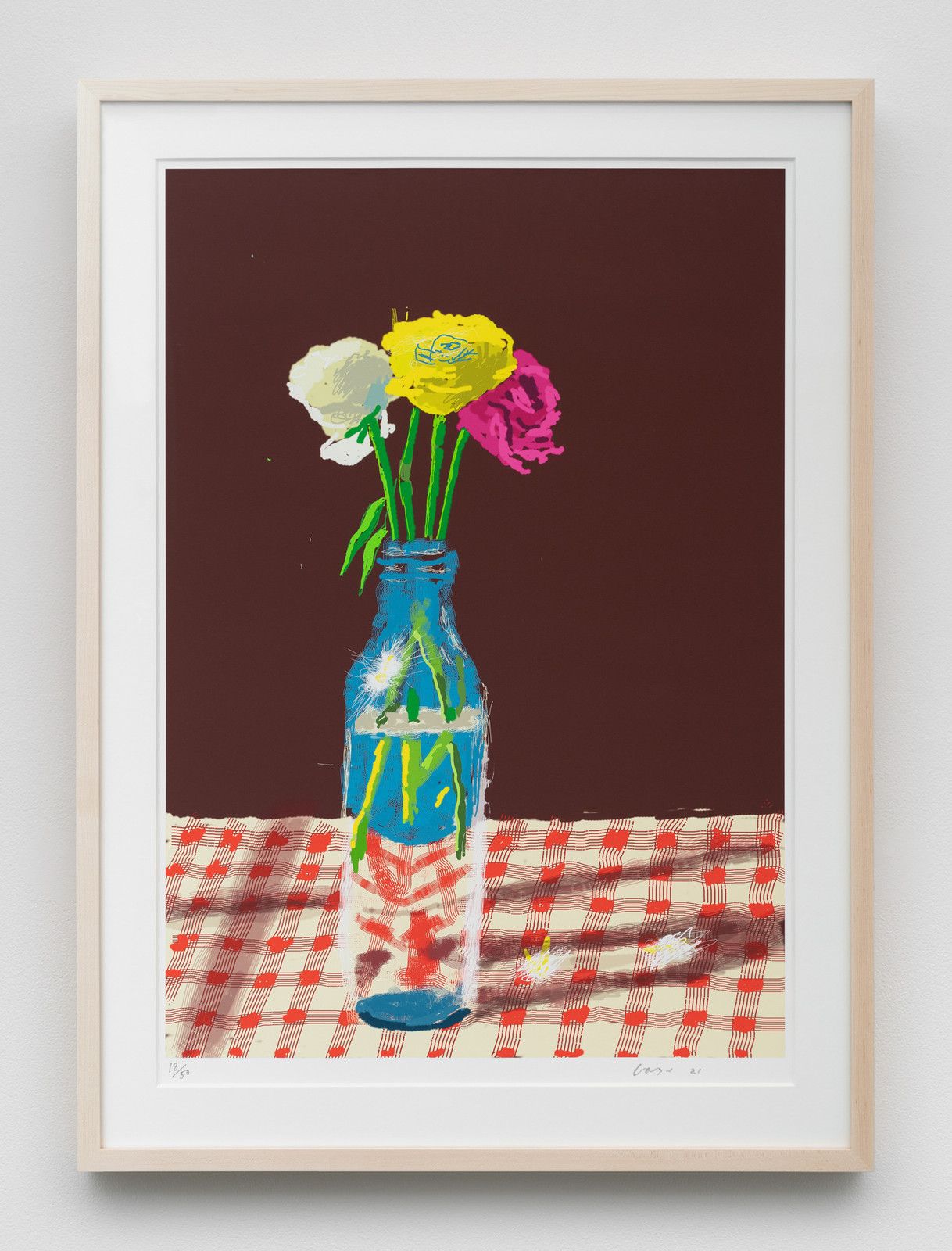
20 Flowers

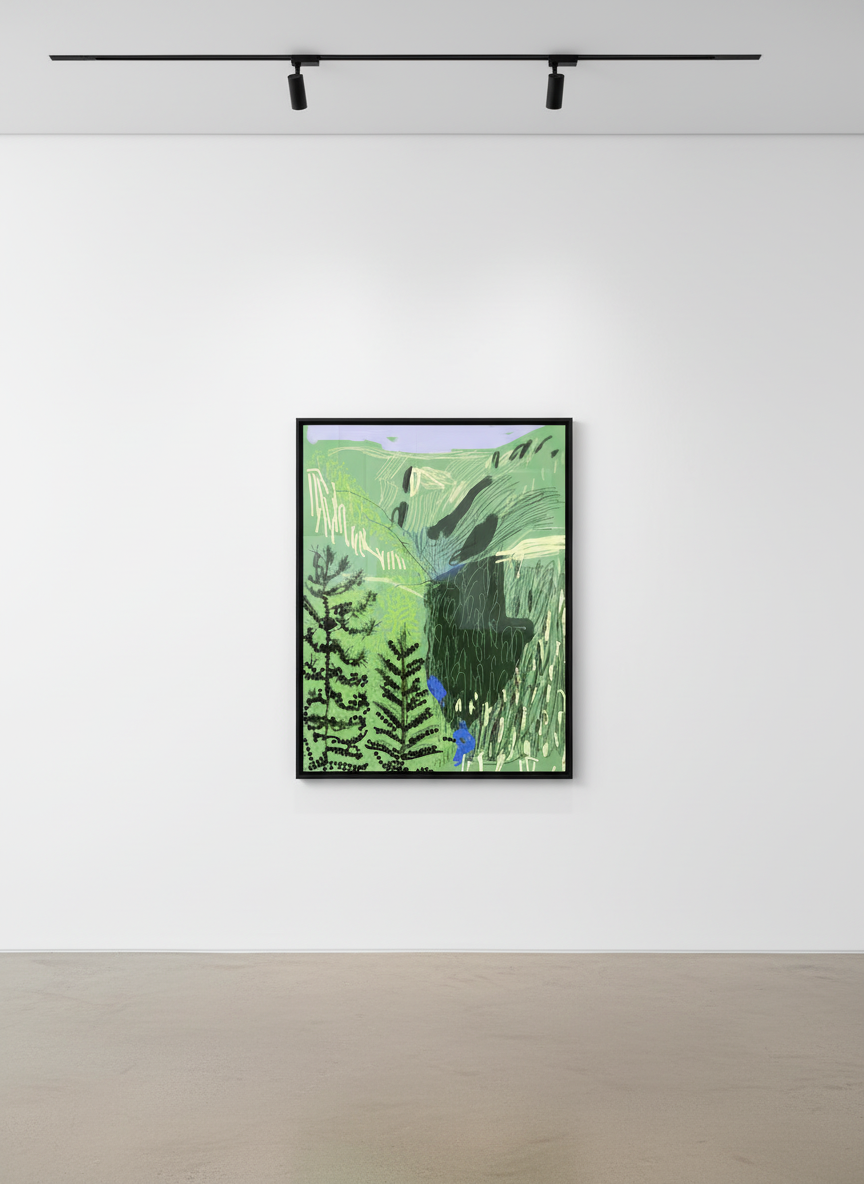
David Hockney stands as one of the most influential artists of the past century, a visionary whose contributions to printmaking have fundamentally reshaped our understanding of the medium. From his earliest etchings produced as a student in Bradford to his groundbreaking digital prints created in his eighties, Hockney has consistently pushed the boundaries of what prints can achieve. His six-decade journey through lithography, etching, and computer-generated imagery represents not merely a personal artistic evolution but a comprehensive reimagining of printmaking's possibilities in contemporary art.
Hockney's engagement with printmaking began in earnest during the late 1950s while studying at the Royal College of Art in London. These formative years established the technical foundation and conceptual curiosity that would define his subsequent decades of work. His early etchings, particularly the celebrated series A Rake's Progress from 1961 to 1963, demonstrate a remarkable sophistication for an artist still in the early stages of his career. This suite of sixteen etchings draws inspiration from William Hogarth's eighteenth-century morality tale while documenting Hockney's own transformative experiences as he transitioned from working-class Bradford to the intoxicating art world of New York City.
These early prints reveal Hockney's distinctive ability to merge personal narrative with broader social commentary, a characteristic that would become a hallmark of his practice. The technical precision of his line work, combined with an almost diaristic honesty, established Hockney as a printmaker of exceptional promise. His willingness to engage with historical precedents while maintaining a thoroughly contemporary voice set him apart from his peers and signalled the innovative approach that would characterise his entire career.
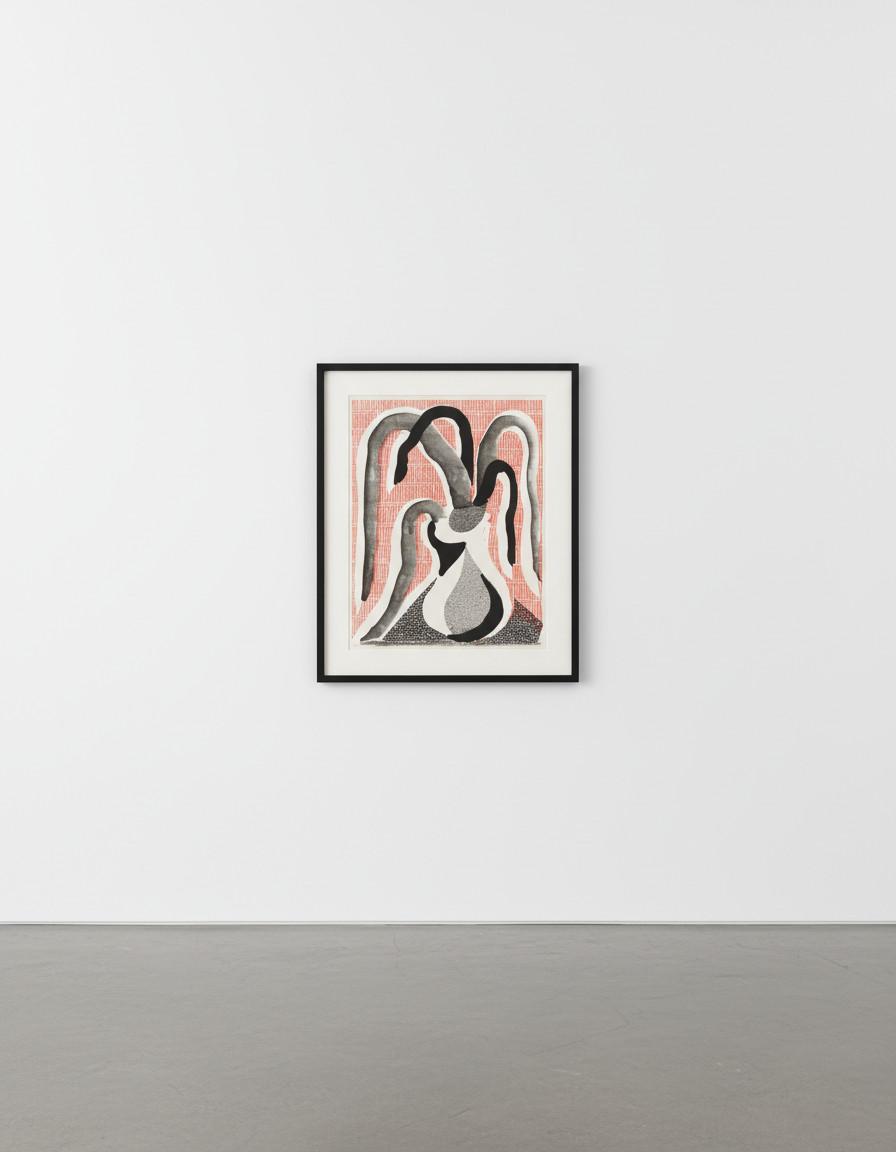
Drooping Plant, June 1986 — David Hockney. Available at Guy Hepner, New York.
The 1960s and 1970s marked a period of extraordinary expansion in Hockney's printmaking practice. His relocation to Los Angeles introduced new subjects - swimming Pools, domestic interiors, and the particular quality of Californian light - that would become synonymous with his artistic identity. During this period, Hockney increasingly turned to lithography, a medium that allowed for greater tonal range and the luminous colour that his sun-drenched subjects demanded.
His collaborative relationships with master printers, particularly at Gemini G.E.L. in Los Angeles and Tyler Graphics, proved instrumental in advancing both his technical capabilities and the medium itself. These partnerships exemplified Hockney's approach to printmaking as a collaborative rather than solitary endeavour, one in which the exchange between artist and craftsperson generates innovations impossible for either party working alone.
The prints from this era demonstrate Hockney's growing mastery of colour and composition. Works depicting still life arrangements and intimate domestic scenes showcase his ability to transform everyday subjects into compelling visual experiences. His approach to depicting flowers, fruit, and familiar objects reveals an artist deeply engaged with the challenges of representation, constantly questioning how two-dimensional images can capture the vibrancy of lived experience.
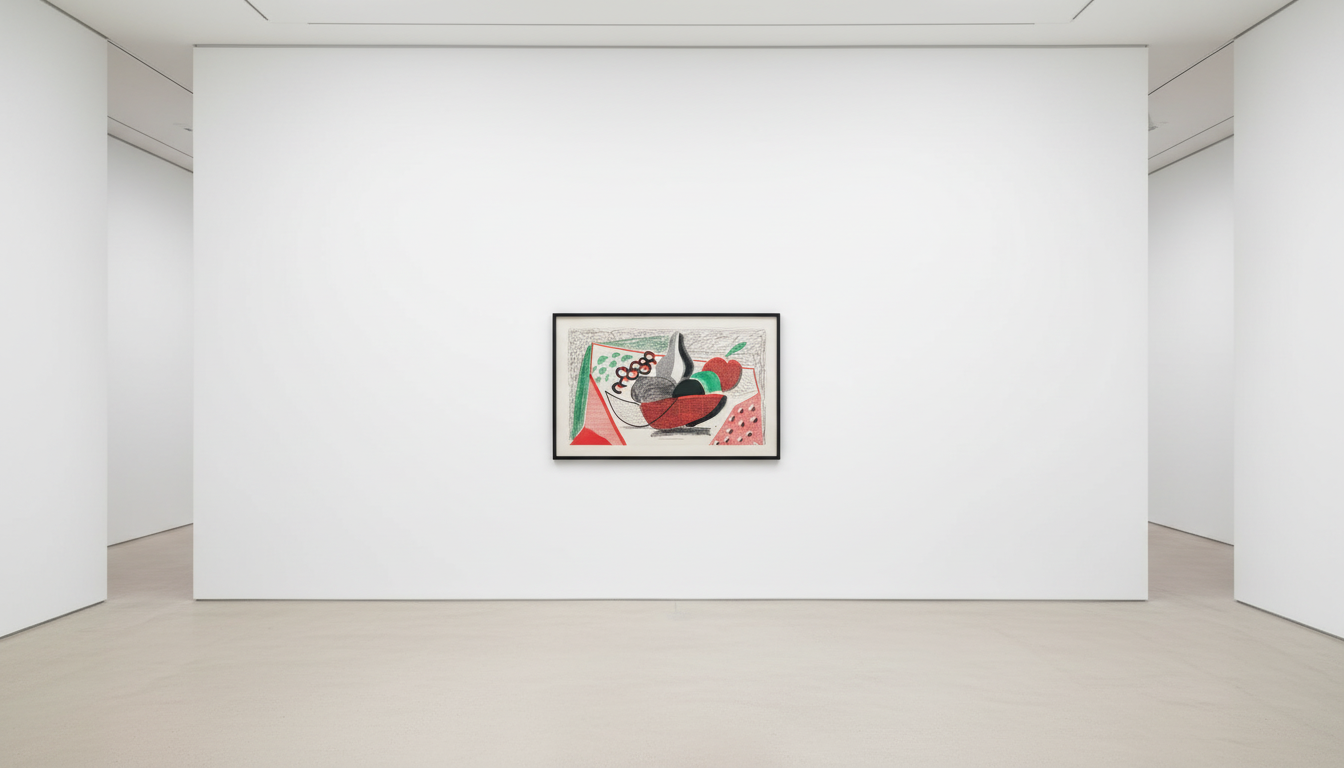
Apples Pears & Grapes — David Hockney. Available at Guy Hepner, New York.
Perhaps no aspect of Hockney's printmaking career better illustrates his innovative spirit than his embrace of digital technology. Beginning in the 1980s with photocopier experiments and accelerating through his adoption of computer software and later the iPad, Hockney has consistently positioned himself at the forefront of technological integration in fine art printmaking.
His home-made prints created using office photocopiers in the mid-1980s challenged conventional hierarchies within the art world, questioning distinctions between original and reproduction, fine art and commercial printing. These works, initially dismissed by some critics, have subsequently been recognised as pioneering explorations of democratised image-making technologies that anticipated many developments in contemporary art practice.
The Art Basel and UBS Global Art Market Report has consistently highlighted the strength of the prints and multiples category, with works by established masters like Hockney commanding significant collector interest. Recent auction results at Christie's and Sotheby's confirm the robust market for Hockney's printed works across all periods of his career. His early etchings, mid-career lithographs, and recent digital prints all attract serious collector attention, with exceptional examples regularly exceeding pre-sale estimates.
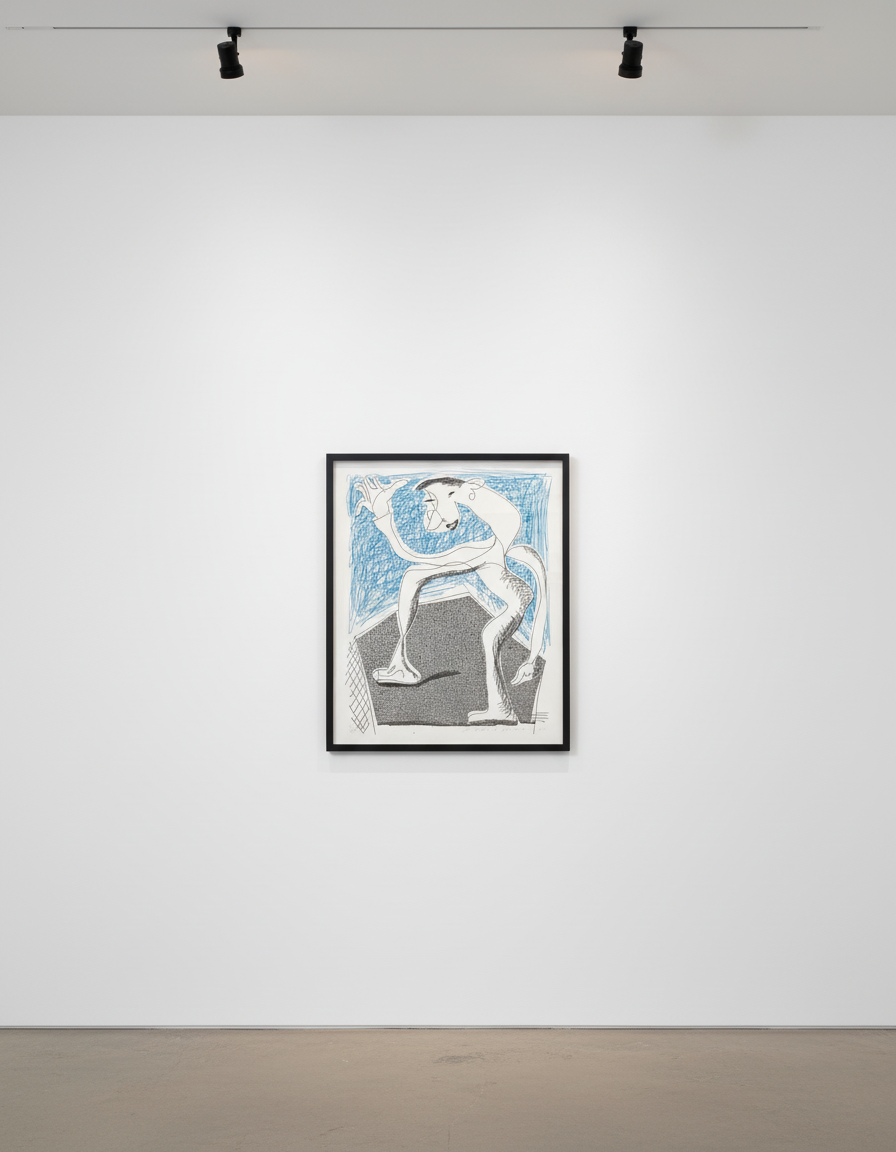
Waving — David Hockney. Available at Guy Hepner, New York.
The market strength of David Hockney prints reflects several factors that make them particularly attractive to discerning collectors. First, Hockney's position within art history is unassailable - his contributions to Pop Art, his role in legitimising openly gay subject matter in fine art, and his technical innovations ensure lasting scholarly and institutional interest. Second, prints offer collectors access to Hockney's vision at price points more accessible than his paintings, while still acquiring works that bear the artist's direct involvement and approval.
Furthermore, Hockney's prints possess exceptional display qualities. Their intimate scale and vibrant colour make them ideal for domestic settings, while their art-historical significance ensures they hold their own in sophisticated collections. The artist's meticulous attention to print quality, his insistence on working with the finest printers and materials, means that properly cared-for examples retain their visual impact decades after creation.
For collectors seeking to acquire David Hockney prints, Guy Hepner offers an exceptional selection of authenticated works spanning the artist's remarkable career. Our gallery specialises in sourcing museum-quality examples with impeccable provenance, providing collectors with the confidence and expertise essential when acquiring works of this calibre. We invite you to contact our specialists to discuss available works and explore how a Hockney print might enhance your collection.
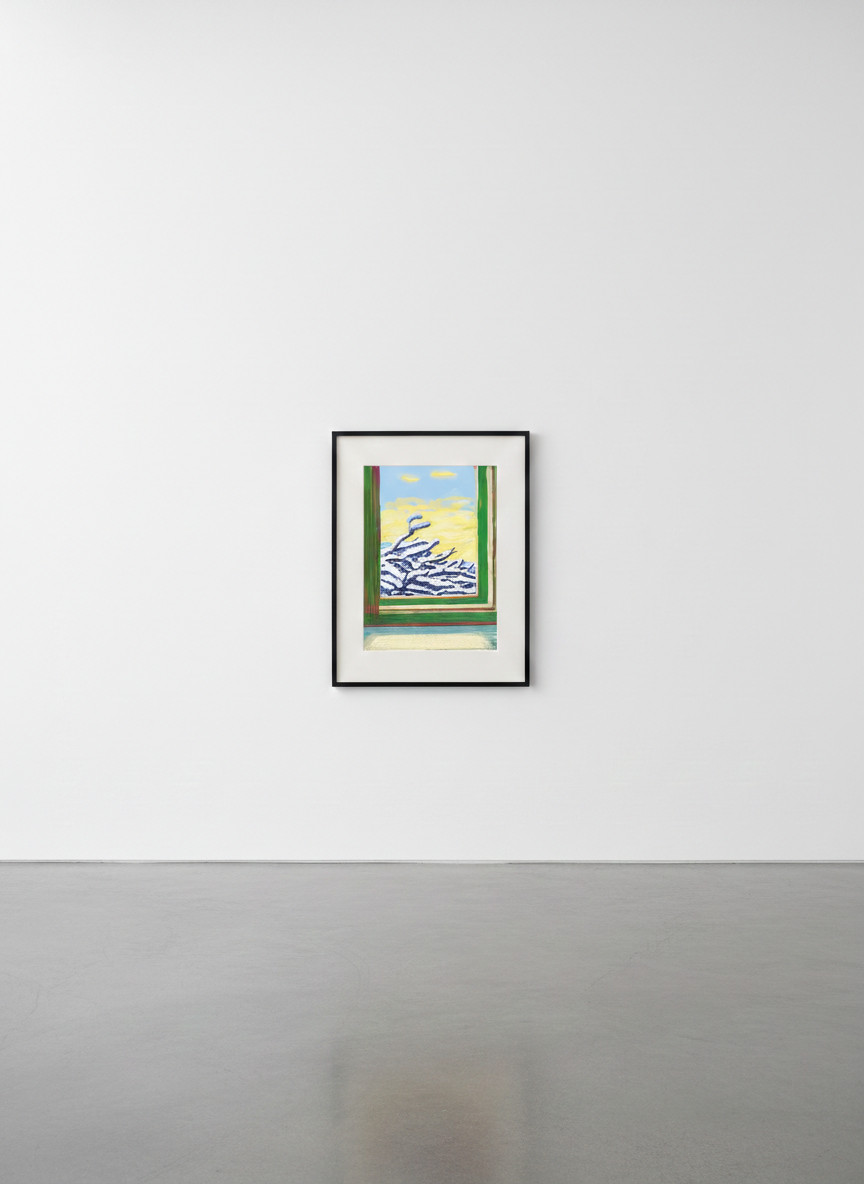
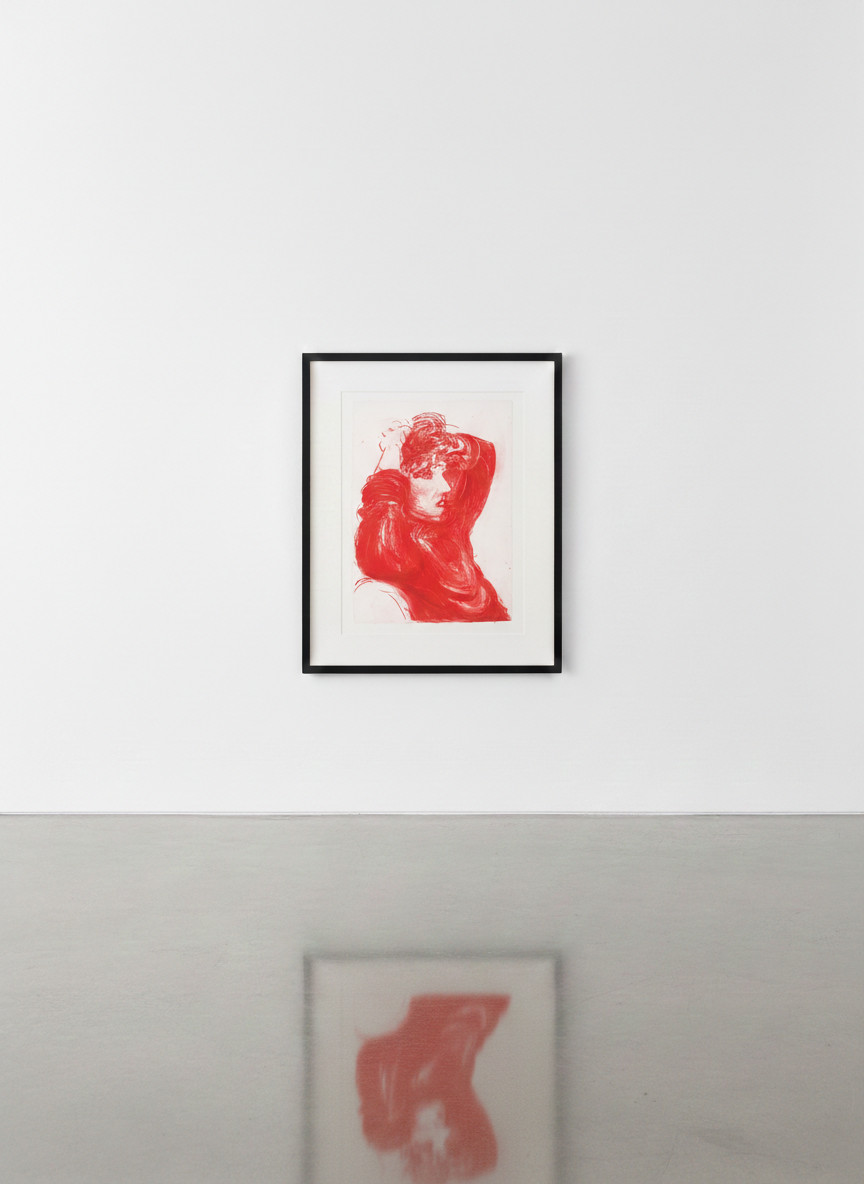
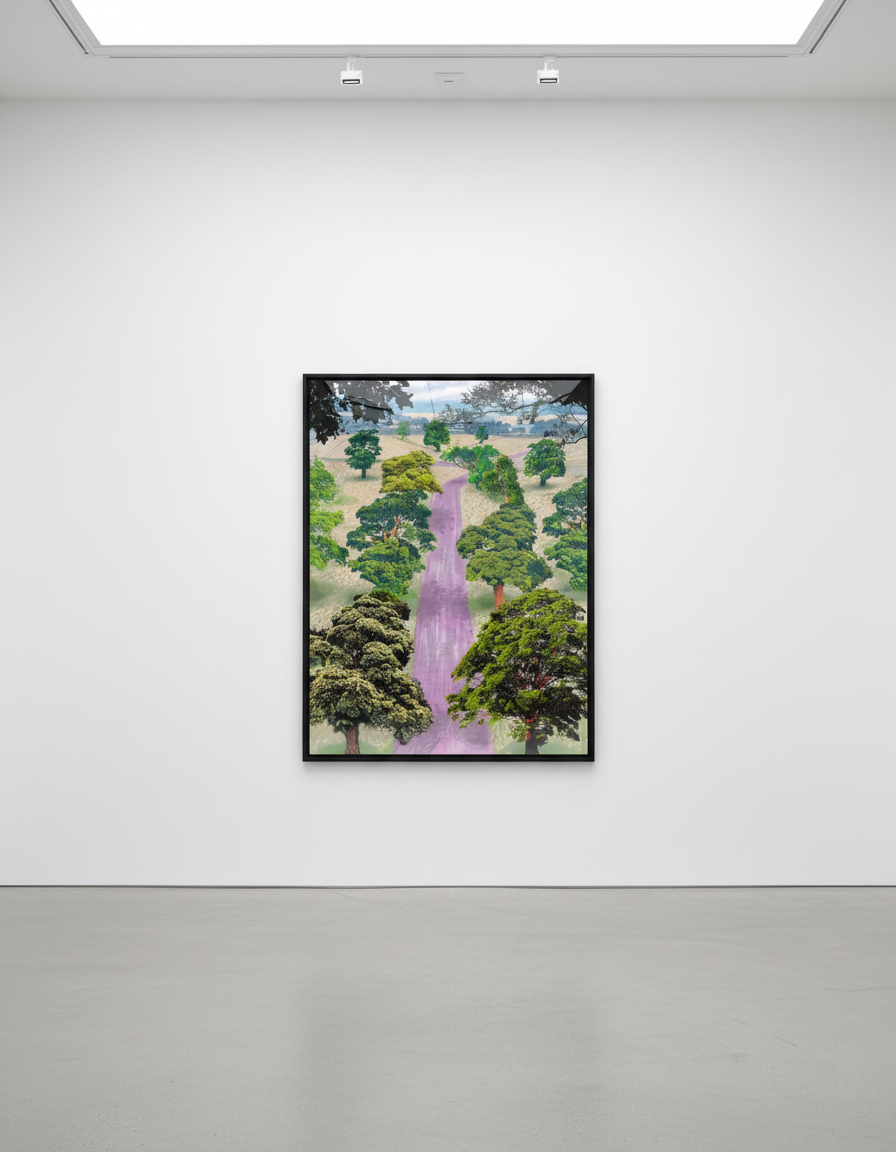
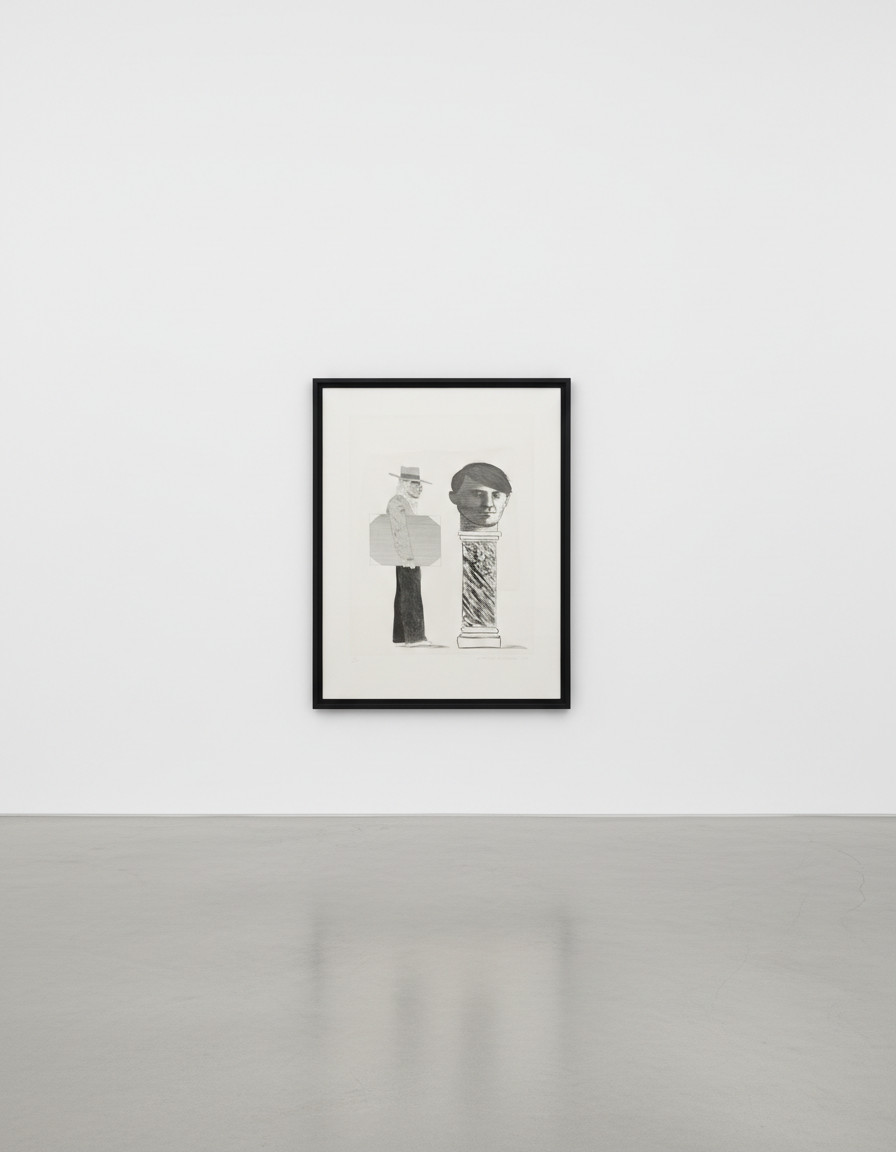
--- **Browse David Hockney prints** at Guy Hepner: [David Hockney art for sale](/david-hockney) | [Sell your Hockney](/sell/david-hockney)Explore David Hockney prints for sale at Guy Hepner: 20 Flowers, A Bigger Book & My Window, Celia, Computer Drawings, Homage to Picasso.
Related Series