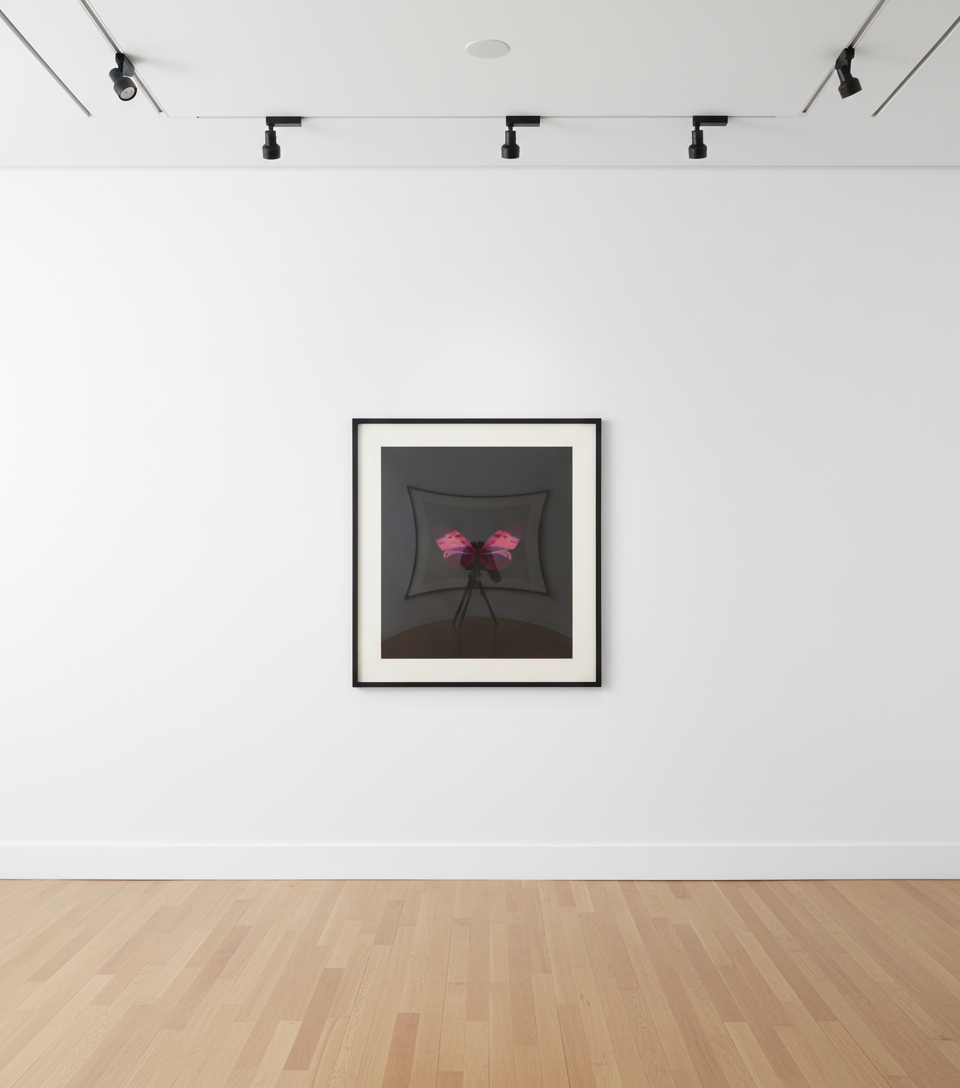
Blossoms
5 works

The Spot Paintings stand as Damien Hirst's most systematically conceived and commercially significant body of work, representing a cornerstone of contemporary art investment since their inception in 1986. Guy Hepner, As the leading figure of the YBA movement—whose landmark "Beautiful Inside My Head Forever" single-artist auction achieved $198 million at Sotheby's in September 2008—Hirst commands a market position that few contemporary artists have ever attained.
5 billion valuation in 2024, the Spot Paintings represent precisely the caliber of blue-chip contemporary work that sophisticated collectors seek for portfolio stability and long-term appreciation.
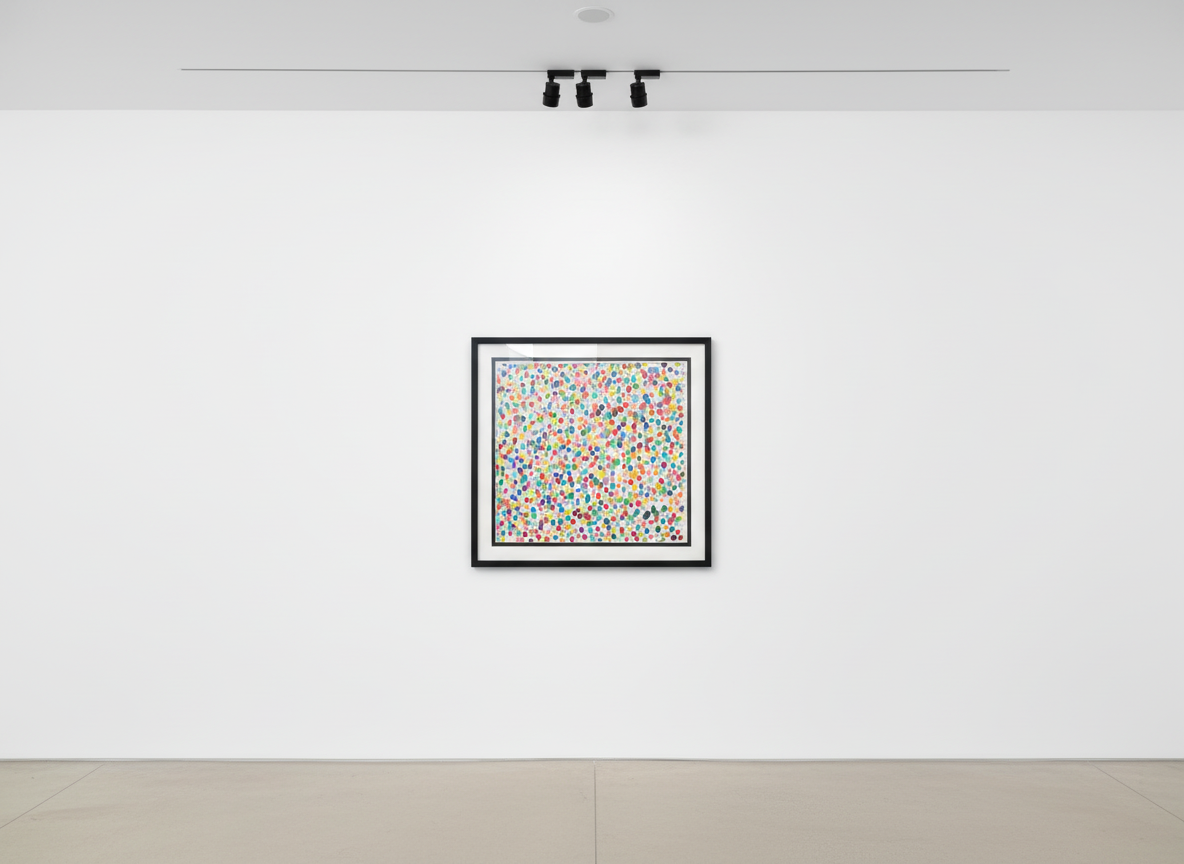
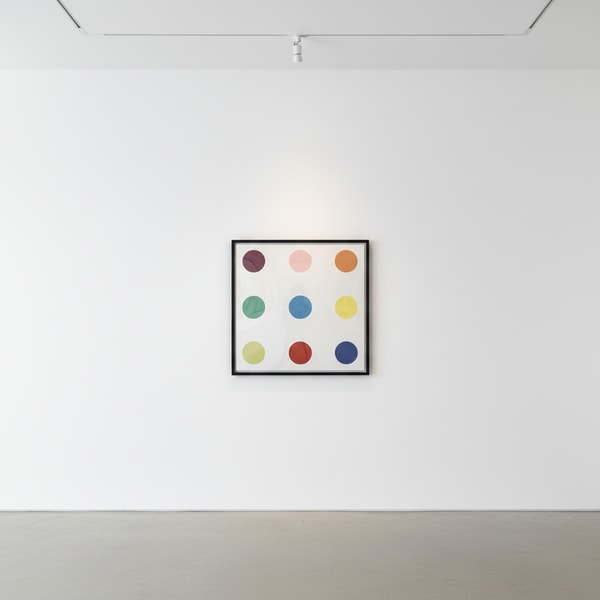
The Spot Paintings emerged from Hirst's early investigations into systems, pharmaceutical aesthetics, and the tension between mechanical precision and human imperfection. Beginning in 1986 and continuing through various iterations over subsequent decades, this body of work comprises over 1,400 individual paintings—each featuring rows of randomly colored circles arranged in precise grid formations against white backgrounds.
Hirst conceived the series as an exploration of color relationships freed from compositional hierarchy, drawing conceptual lineage from minimalism while subverting its principles through deliberate chromatic chaos. The pharmaceutical undertones—Hirst has explicitly connected the spots to pills and the promise of chemical happiness—align with his broader artistic investigation of mortality, medicine, and humanity's relationship with science.
The series divides into distinct categories: the original Spot Paintings executed by assistants under Hirst's direction, the rare hand-painted examples created by the artist himself, and later variations including the Controlled Substances paintings featuring color names derived from pharmaceutical compounds. This hierarchical structure creates nuanced market distinctions that informed collectors must understand.
Spot Paintings employ household gloss paint on canvas, a deliberately industrial medium choice that reinforces the works' conceptual remove from traditional artistic gesture. The signature aesthetic features perfectly circular dots of varying diameters—depending on the specific painting and period—arranged in grid formations with consistent spacing. Colors are selected randomly without repetition within individual works, creating compositions where no single hue dominates.
Authentication flows exclusively through Science Ltd, Hirst's studio operation, which maintains comprehensive records of the series. Given the systematic nature of production and the involvement of studio assistants in execution, provenance documentation and Science Ltd verification represent absolute prerequisites for any acquisition. Guy Hepner maintains direct authentication channels to ensure every work offered meets the highest standards of scholarly and market acceptance.
White Cube gallery continues as Hirst's primary representation, and the relationship between primary market presence and secondary market performance creates important dynamics for collectors to consider when evaluating acquisition timing and pricing structures.
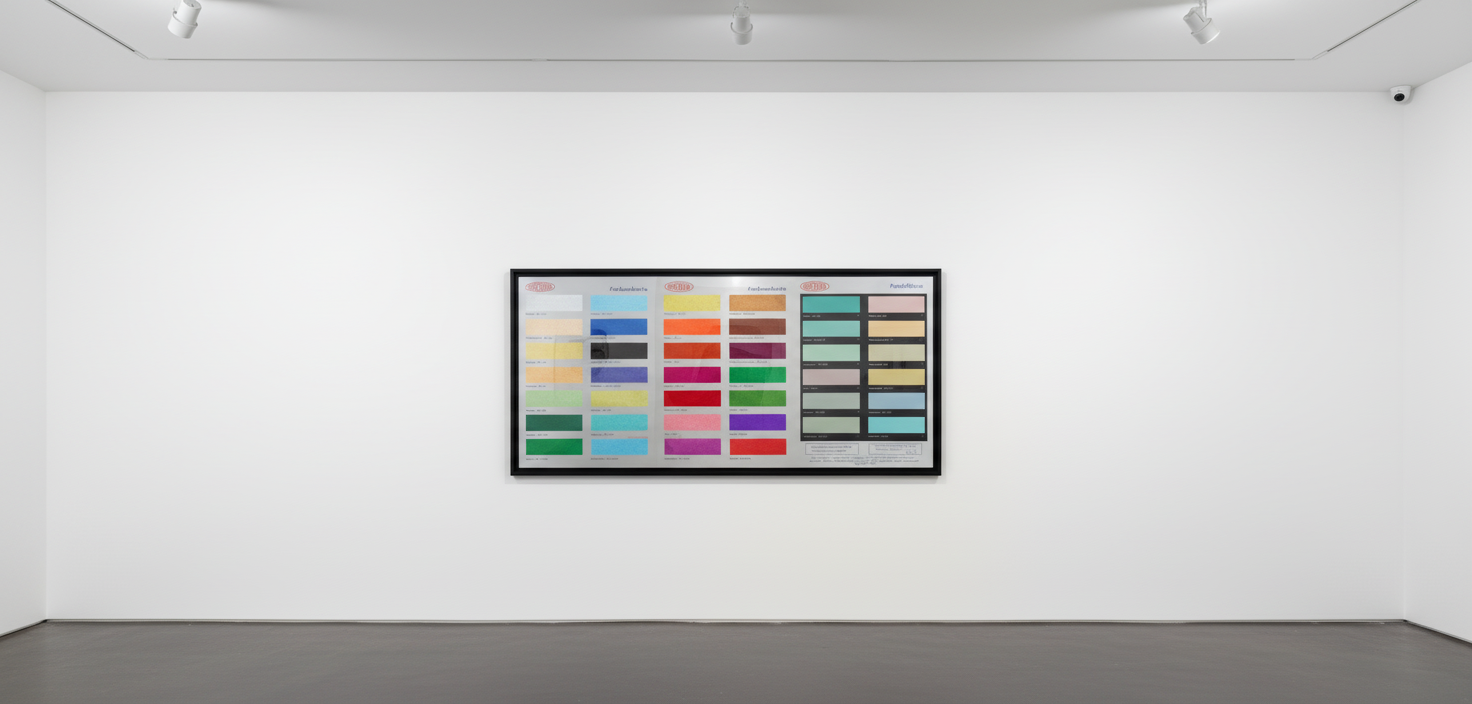
Biphenyl C (1995) exemplifies the mature Spot Painting aesthetic at its most refined. Executed in household gloss on canvas during the mid-1990s—the period when Hirst's market position solidified following his 1995 Turner Prize—this work demonstrates the precise technical execution and chromatic vibrancy that define the series' most sought-after examples.
Works from 1995 occupy a particularly significant position within the Spot Painting chronology. This year marked Hirst's Turner Prize victory and the consolidation of YBA market momentum, creating historical resonance that collectors consistently recognize. The title's pharmaceutical reference—biphenyl being an organic compound used in various industrial and medical applications—connects to Hirst's ongoing investigation of chemistry, medicine, and the clinical aesthetics of healing.
Damien Hirst emerged as a defining figure of the Young British Artists movement in the late 1980s, building a body of work across painting, sculpture, and printmaking united by a sustained conceptual interest in mortality, science, medicine, and belief systems. His prints and editions extend the visual language developed across his sculptural and painted work — repetition, colour systems, and the tension between clinical precision and organic subject matter — into widely accessible reproducible form.
Hirst's work is held in the permanent collections of major museums worldwide, and his 2008 "Beautiful Inside My Head Forever" single-artist auction at Sotheby's, which bypassed the traditional gallery system entirely, remains one of the most widely discussed events in the recent history of the contemporary art market.
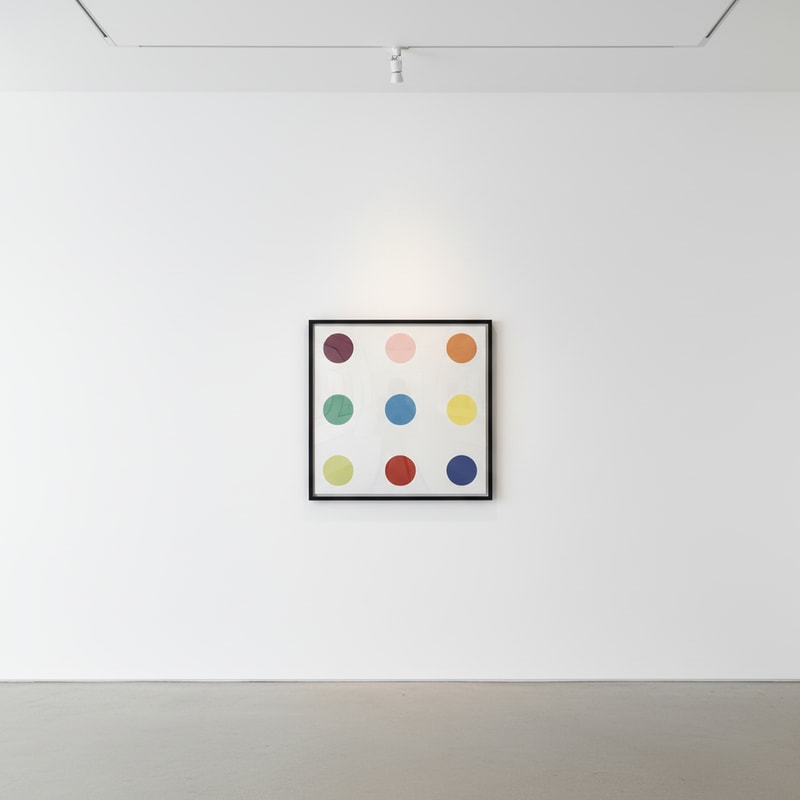
1 work available
Five Facts About Damien Hirst Spot Paintings
Hirst has produced well over a thousand spot paintings since 1986, making it one of the largest and longest-running series in contemporary art.
Each painting is titled after a pharmaceutical or biochemical compound, names Hirst selected from sources including the Physicians' Desk Reference and a trade catalogue of chemical reagents.
The dots were deliberately painted to remove any trace of the artist's hand — even the compass point used to mark each spot's centre was erased — so the works would appear machine-made rather than expressive.
Hirst has been open about delegating much of the physical painting of the spots to studio assistants, treating the series as a conceptual system rather than a demonstration of personal brushwork.
The tension between the paintings' clinical, orderly appearance and their unsettling pharmaceutical titles connects the series to Hirst's broader preoccupation with medicine, science and mortality.
Market Data
See real auction history, estimate ranges and price benchmarks for individual Spot Paintings prints, sourced from Christie's, Sotheby's and other major auction houses.
Frequently Asked Questions
Damien Hirst Spot Paintings prints for sale are available at Guy Hepner Gallery, 177 Tenth Avenue, New York. We offer authenticated editions with full provenance documentation sourced from the secondary market and directly from publishers.
Damien Hirst Spot Paintings works — 1 available — are typically produced as limited editions, individually signed and numbered by the artist. Contact Guy Hepner Gallery for edition details on specific works.
Pricing for Damien Hirst Spot Paintings prints varies by edition size, date, and condition. Contact Guy Hepner Gallery for current market pricing and availability.
From the Journal
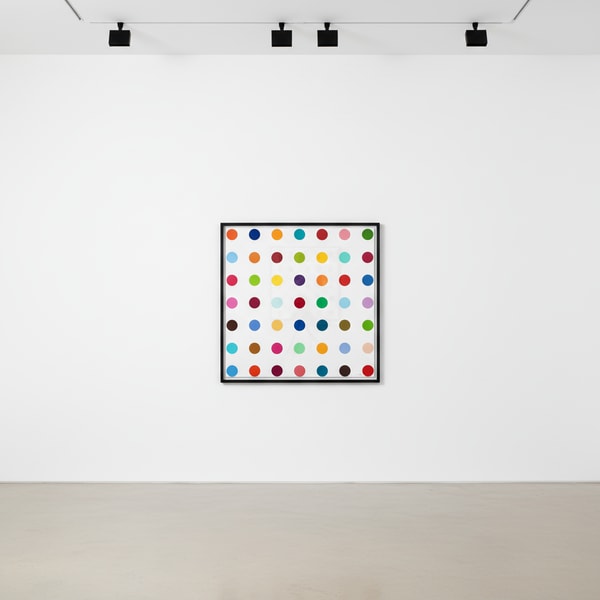
The Market and Meaning of Damien Hirst's Spot Paintings
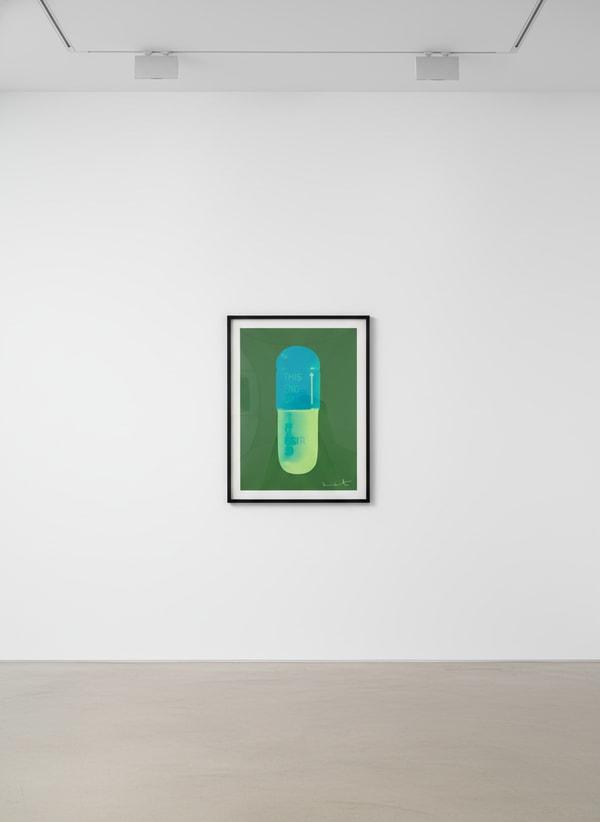
Damien Hirst: Spots

The Origins and Meaning of Damien Hirst’s Spin Paintings
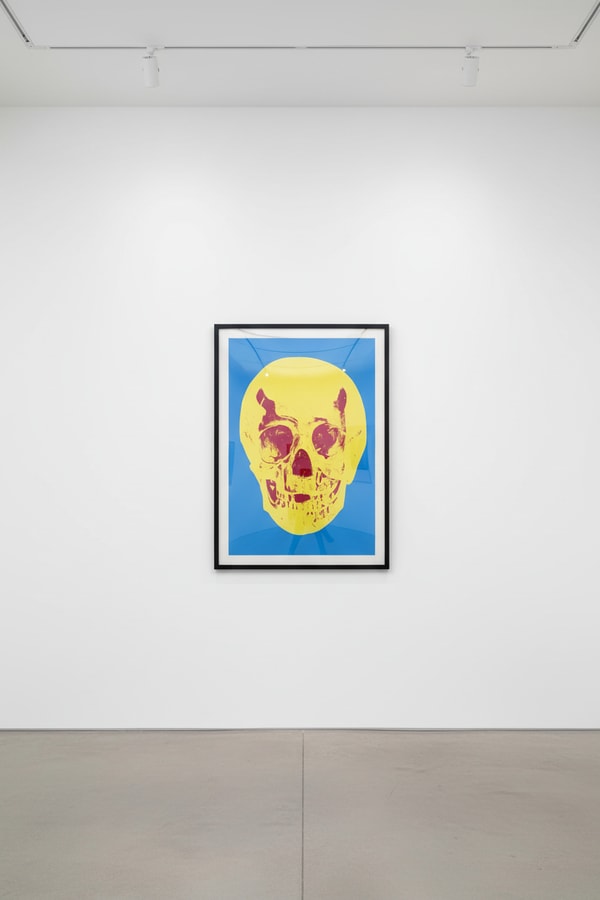
Damien Hirst Editions: A Complete Collector's Guide
August 2026
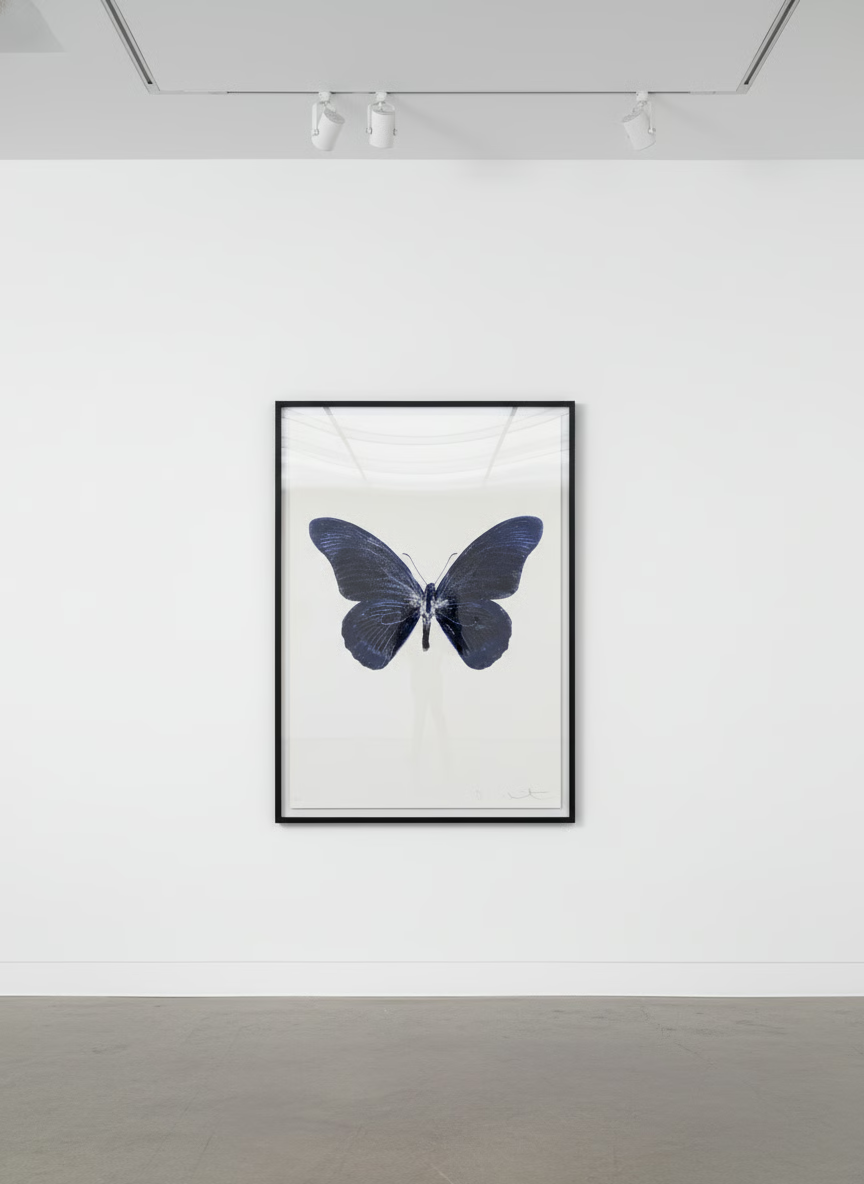
Damien Hirst Butterfly Prints: The Complete Collector's Buying Guide
August 2026
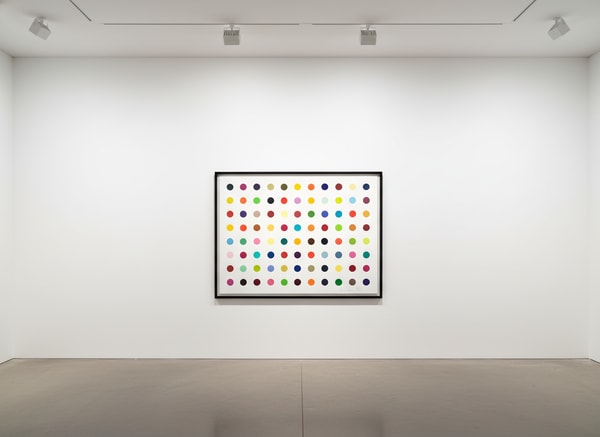
A Collector's Guide to Damien Hirst Spot Prints
June 2026
More Damien Hirst Series
View all Damien Hirst works →