25 Cats Named Sam
19 works


Geronimo F.S. II 384, from Cowboys and Indians, 1986
Screen print on Lenox Museum Board
36 x 36 in 91.4 x 91.4 cm
Edition of 250 plus 50 AP, 15 PP, 15 HC, 10 numbered in Roman Numerals, 36 TP
Andy Warhol’s Geronimo (1986), part of his Cowboys and Indians series, reimagines the historical Native American figure as a pop icon, blending themes of identity, myth, and cultural commodification. In this work, Warhol portrays Geronimo, the legendary Apache leader and symbol of resistance, using his signature silkscreen technique to render the image in bold, flat colors with striking contrasts. The vibrant palette, juxtaposed with the solemnity of Geronimo’s gaze, creates a tension between the commercialized aesthetic and the gravity of the figure’s historical significance. Warhol's depiction transforms Geronimo into a larger-than-life cultural symbol, inviting viewers to consider how history and mythology are repackaged in contemporary culture.The Cowboys and Indians series, which also includes figures like Annie Oakley and Sitting Bull, explores the romanticized imagery of the American West, often shaped by Hollywood and advertising. In Geronimo, Warhol confronts this myth-making process by presenting a figure who was both celebrated and vilified in American history. Through his iconic style, Warhol highlights the paradox of Geronimo’s legacy—a fierce leader and a victim of cultural appropriation—emphasizing how Native American history is often oversimplified and commodified in popular media. This work underscores the tension between historical authenticity and the sanitized, consumer-friendly narratives of the past.Warhol’s Geronimo is not merely a portrait but a commentary on the complex intersections of identity, power, and commodification. The piece challenges viewers to consider how images of historical figures are manipulated to fit modern cultural narratives. By placing Geronimo within the context of a pop art series, Warhol blurs the line between hero and product, raising questions about the ethics of commodifying cultural heritage. The choice of Geronimo, a figure of resilience and rebellion, adds a deeper layer of meaning to the work, as it critiques the ongoing marginalization and misrepresentation of Native American history.Through Geronimo, Warhol continues his exploration of fame, media, and cultural legacy, this time addressing a narrative far removed from the celebrity culture of his Marilyns and Elvises. The work invites reflection on how history is curated and consumed, encouraging viewers to grapple with the enduring impact of cultural erasure and romanticization. Warhol’s Geronimo captures both the power of an individual story and the broader implications of its reinterpretation in a world driven by mass media and commercial aesthetics.
Price on Application
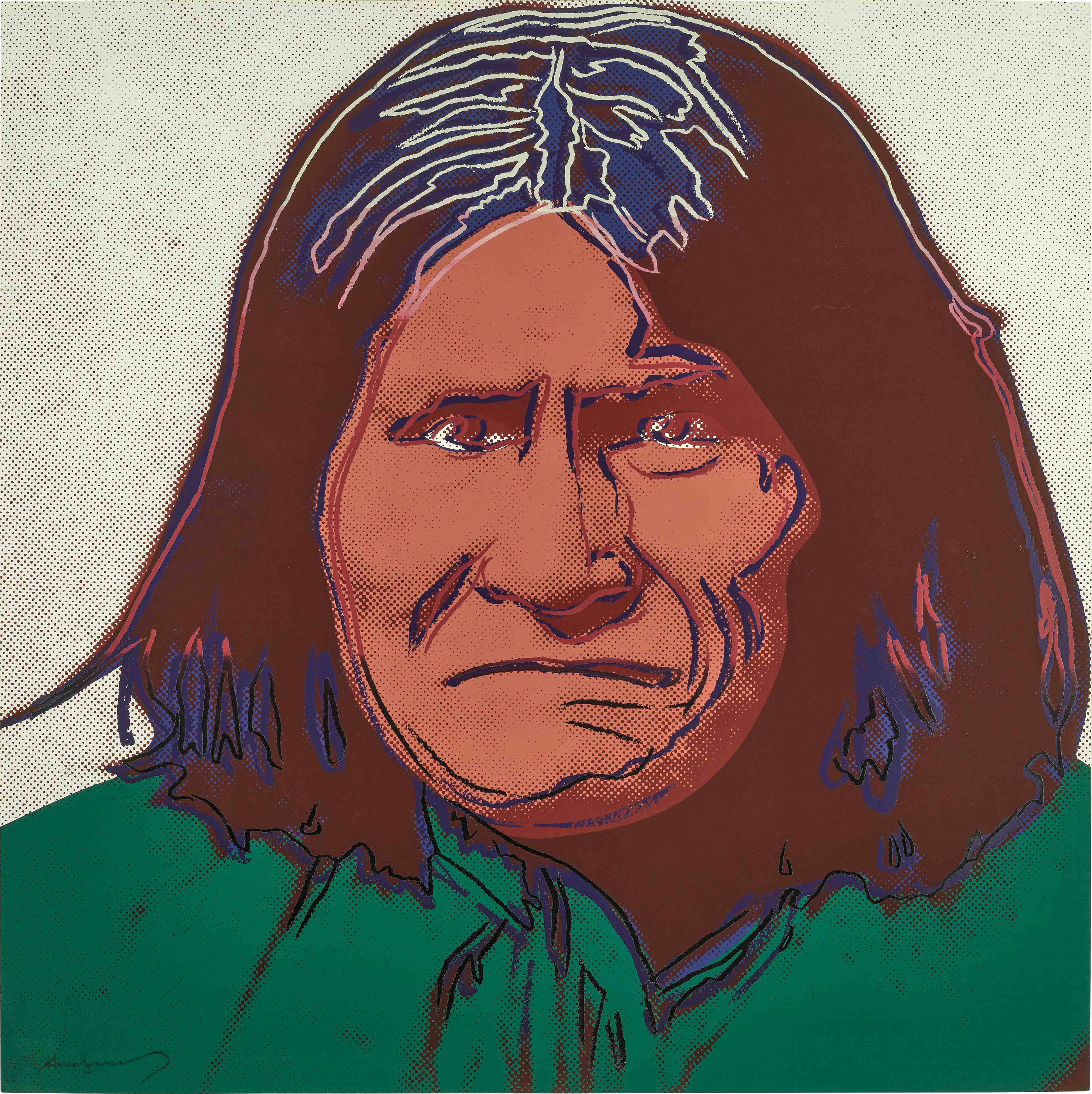
Geronimo, from Cowboys and Indians · Andy Warhol · Sotheby's · 2025-03 · $112,880
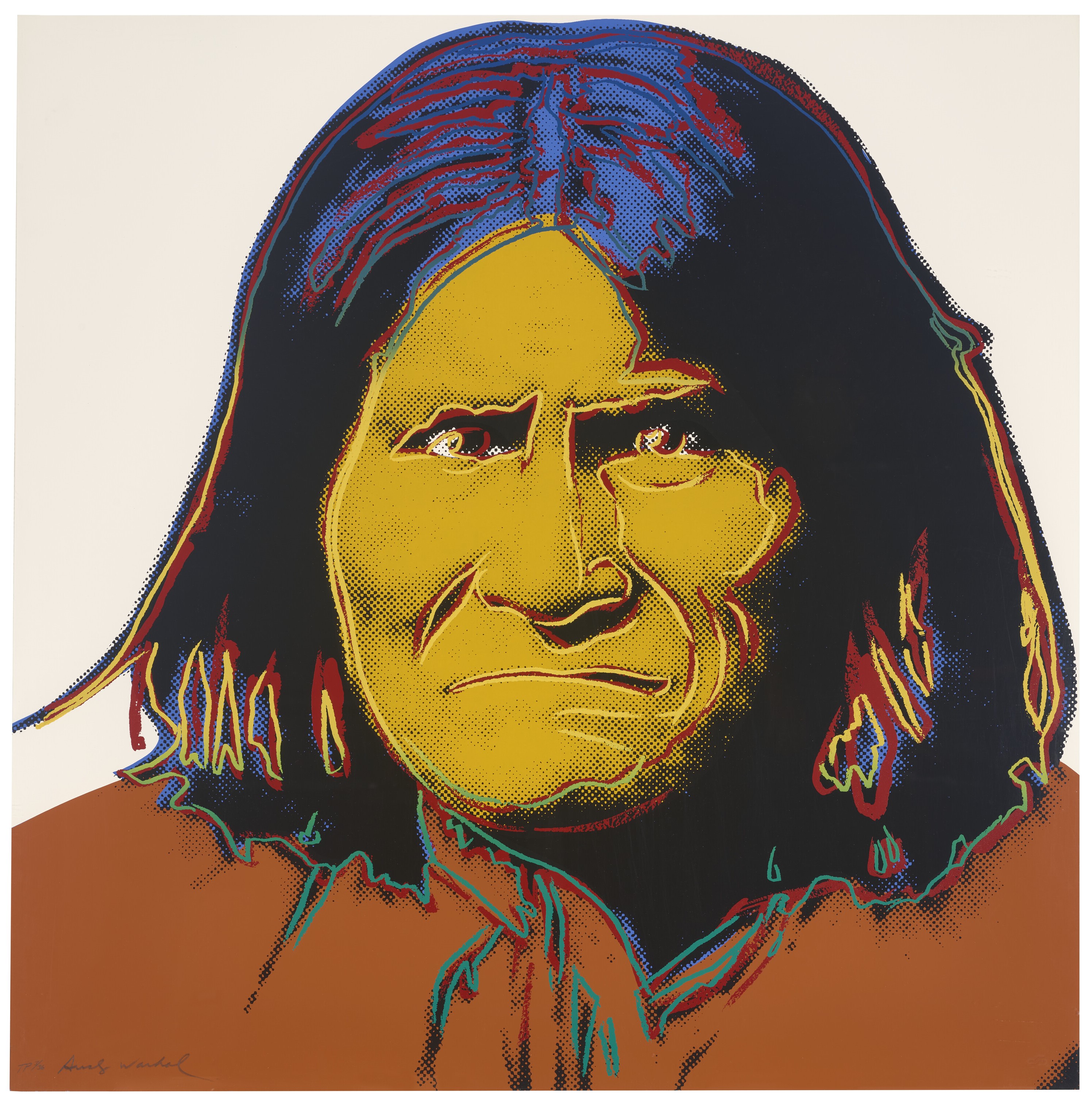
Geronimo, from Cowboys and Indians · Andy Warhol · Christie's · 2024-04 · $75,600
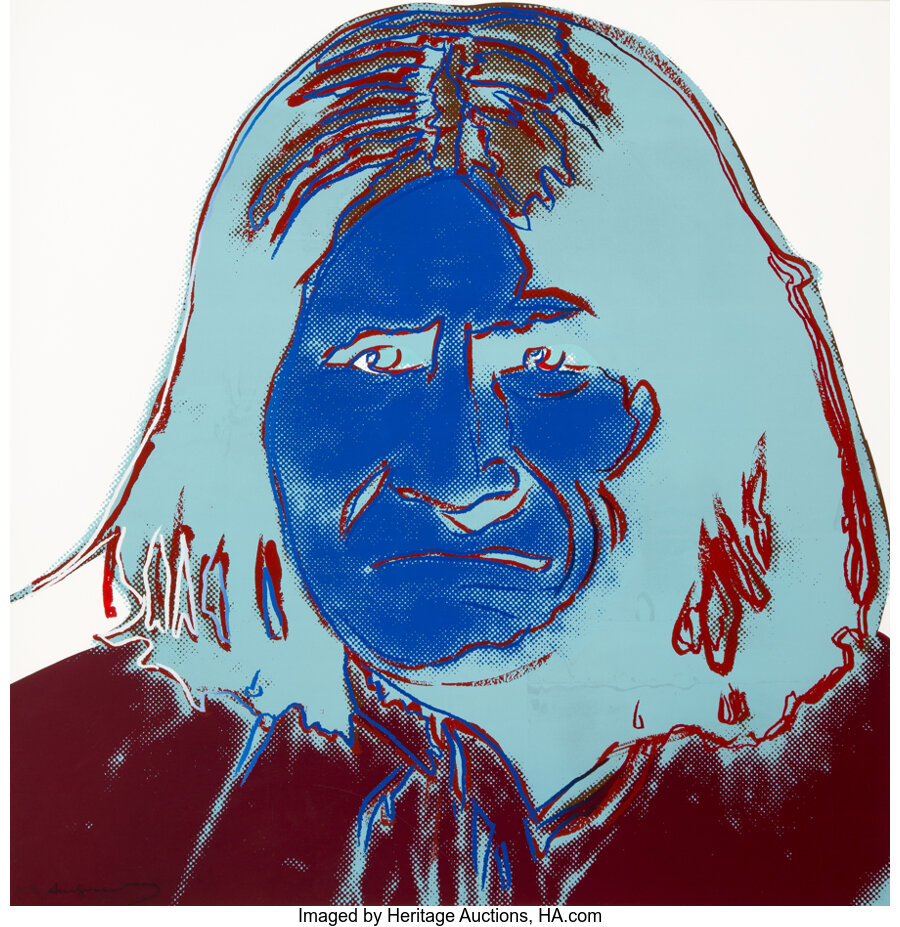
Geronimo, from Cowboys and Indians · Andy Warhol · Heritage Auctions · 2022-04 · $71,875
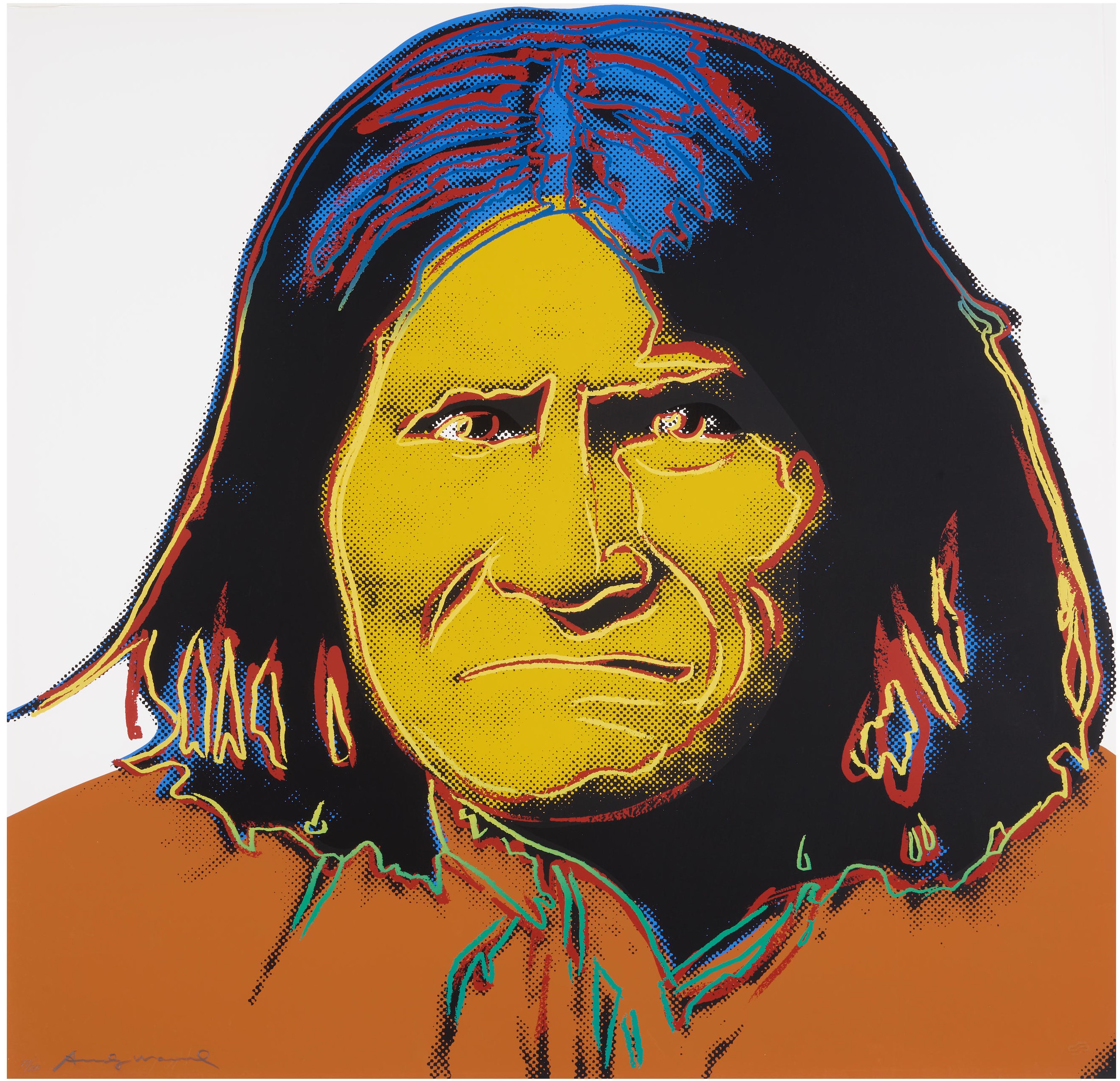
Geronimo, from Cowboys and Indians · Andy Warhol · Bonhams · 2024-10 · $57,600
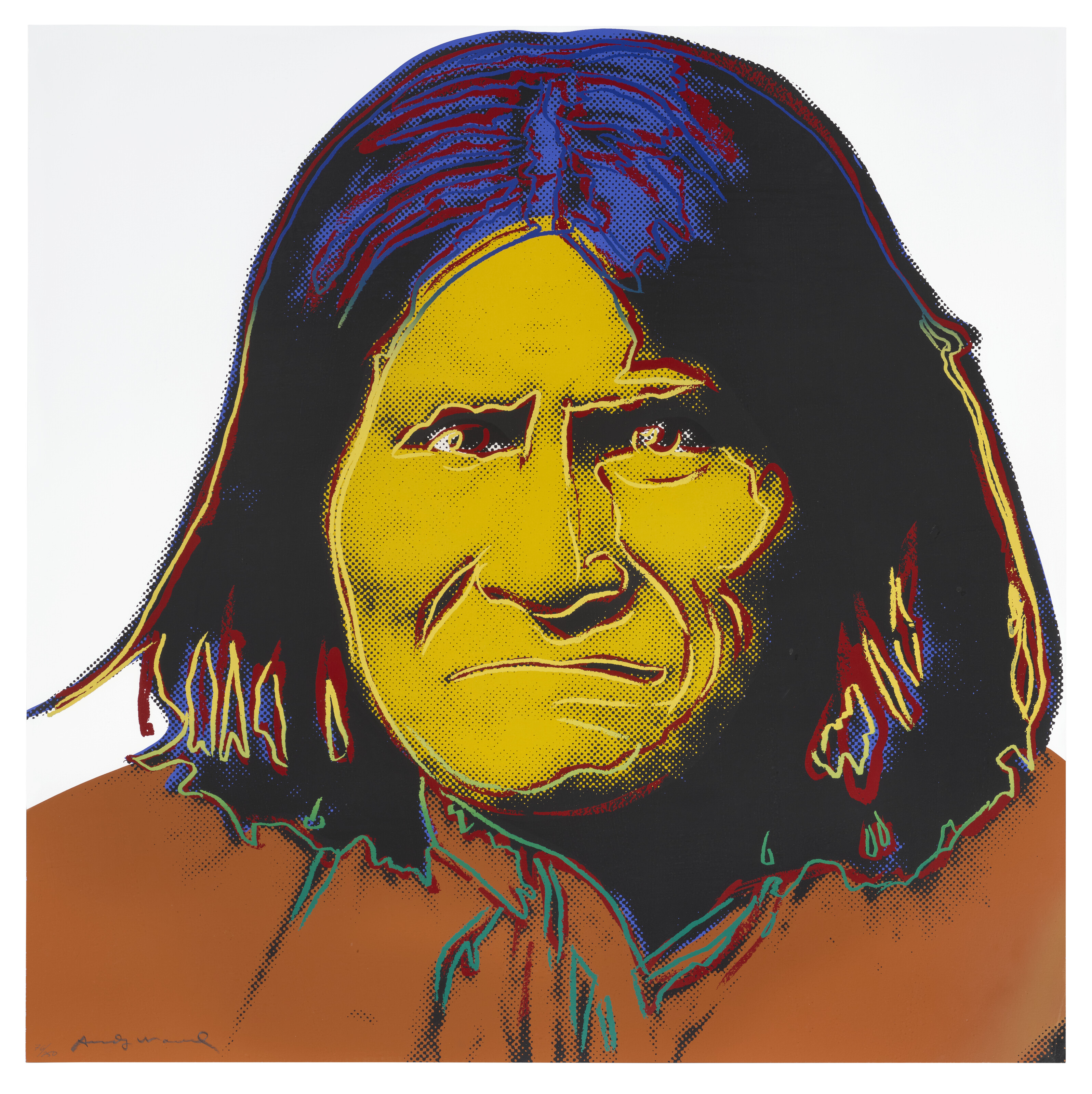
Geronimo, from Cowboys and Indians · Andy Warhol · Christie's · 2025-04 · $47,880
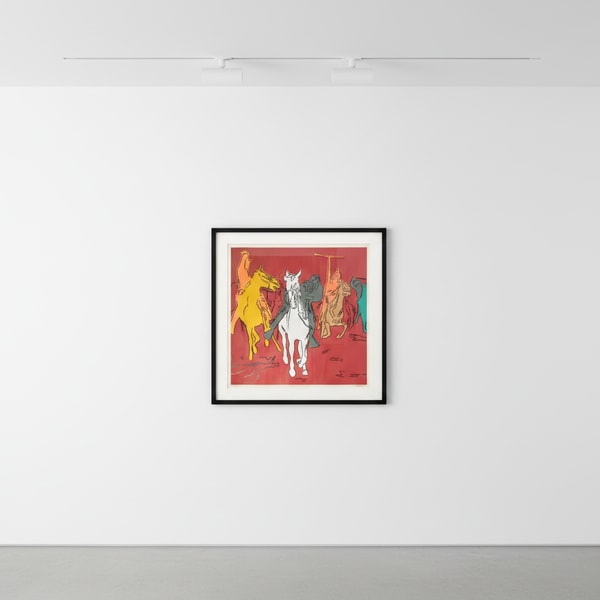
Andy Warhol
Action Picture F.S. II 375, from Cowboys and Indians
1986
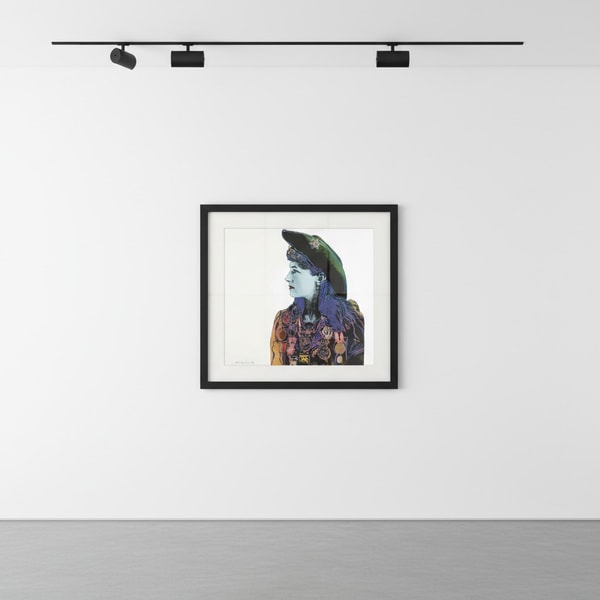
Andy Warhol
Annie Oakley F.S. II 378, from Cowboys and Indians
1986
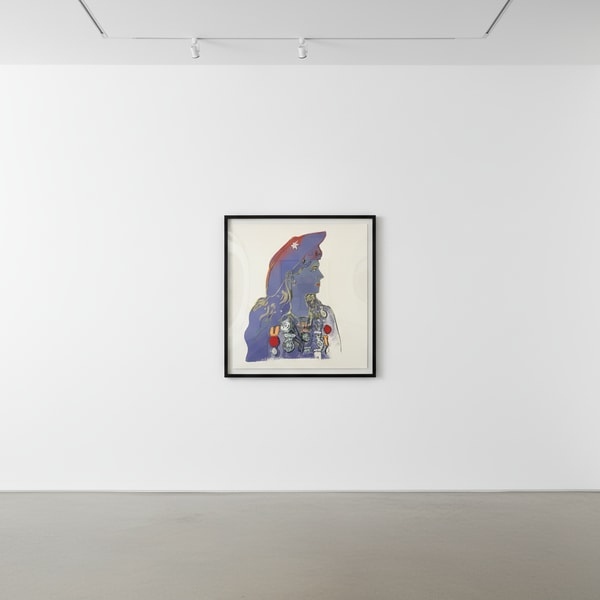
Andy Warhol
Annie Oakley F.S. II 378, from Cowboys and Indians
1986
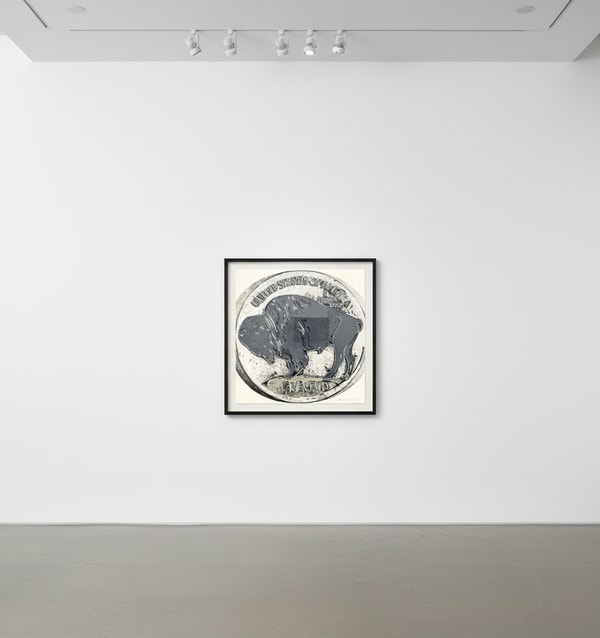
Andy Warhol
Buffalo Nickel F.S. II 374, from Cowboys and Indians
1986
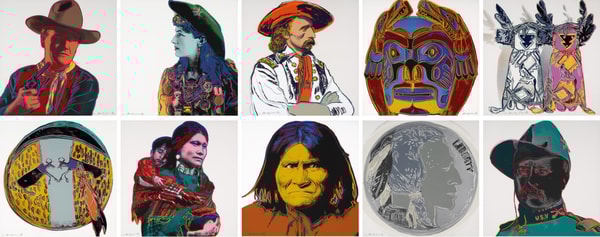
Andy Warhol
Cowboys and Indians F.S. II 377-386 Cowboys and Indians
1986
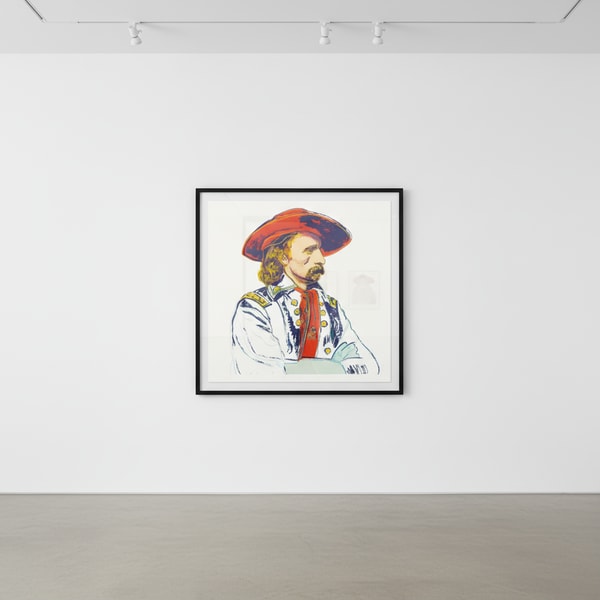
Andy Warhol
General Custer F.S. II 379, from Cowboys and Indians
1986

Andy Warhol
General Custer, from Cowboys and Indians, IIB.379,
1986
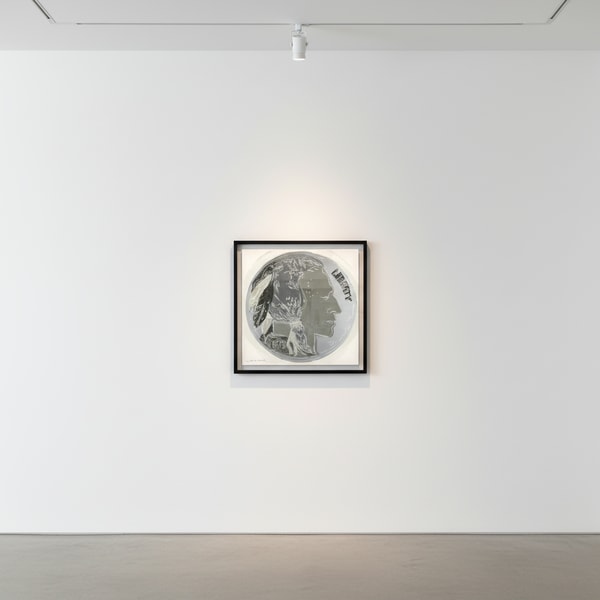
Andy Warhol
Indian Head Nickel F.S.II 385, from Cowboys and Indians
1986
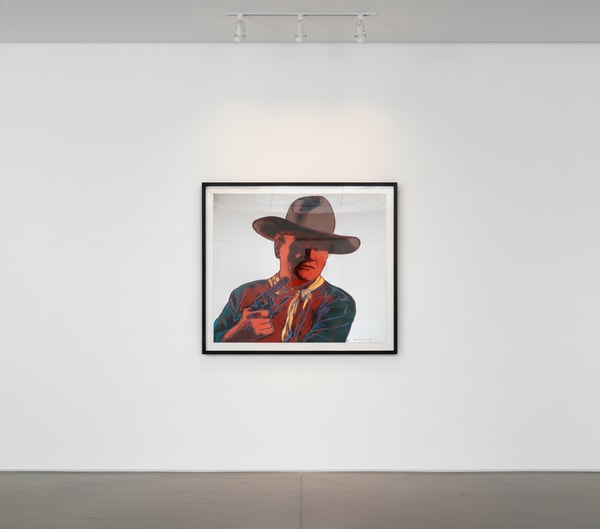
Andy Warhol
John Wayne F.S. II 377, from Cowboys and Indians
1986
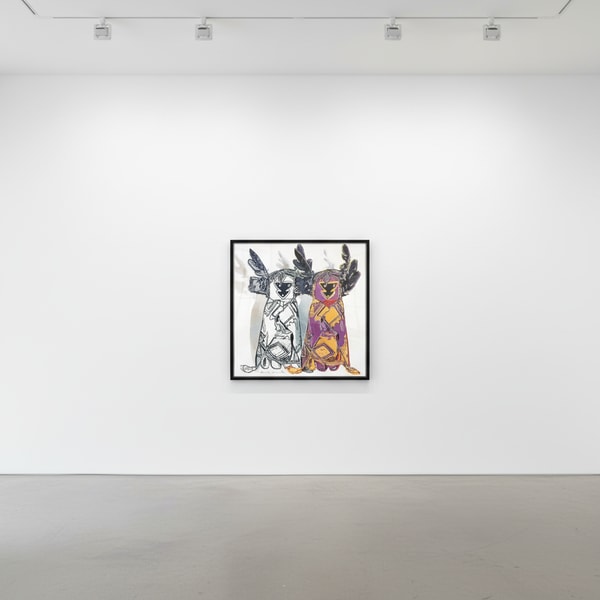
Andy Warhol
Kachina Dolls F.S. II 381, from Cowboys and Indians
1986
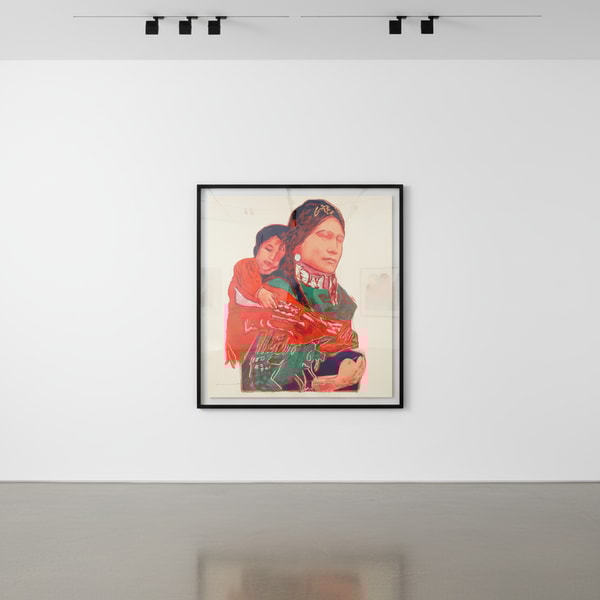
Andy Warhol
Mother and Child F.S. II 383
1986
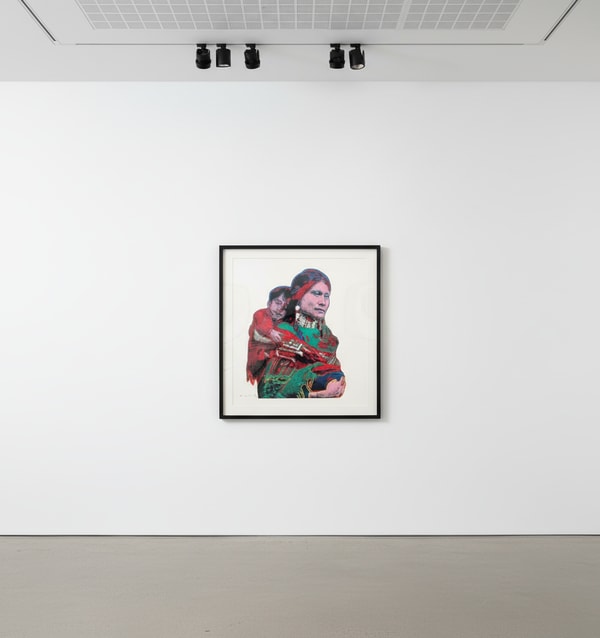
Andy Warhol
Mother and Child F.S. II 383, from Cowboys and Indians
1986
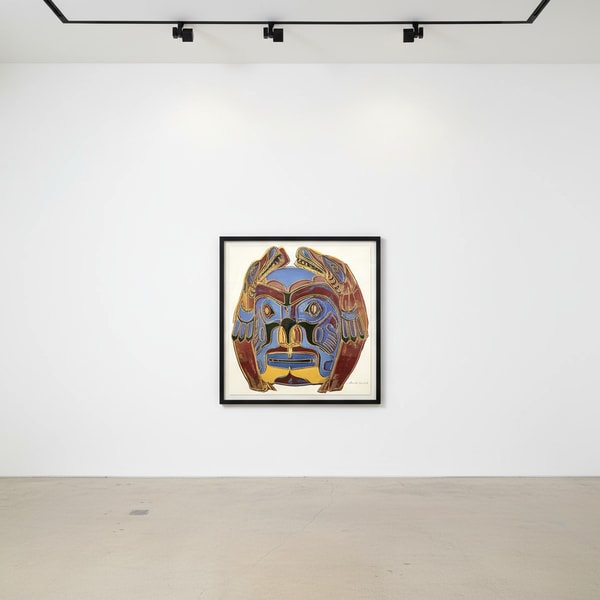
Andy Warhol
Northwest Coast Mask F.S. II 380, from Cowboys and Indians
1986
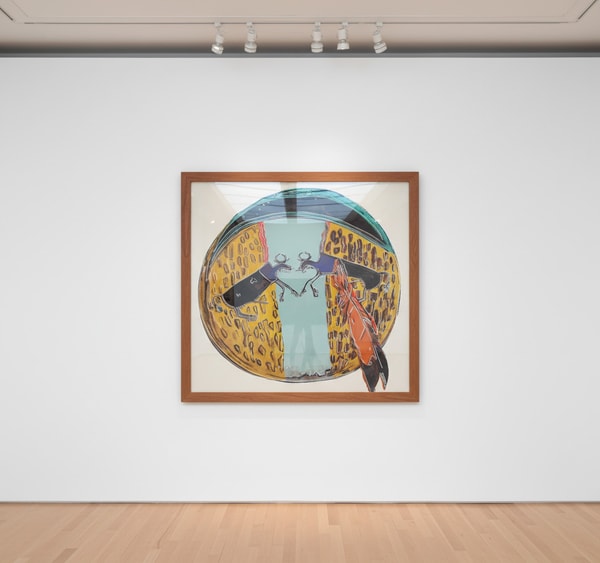
Andy Warhol
Plains Indian Shield F.S. II 382, from Cowboys and Indians
1986
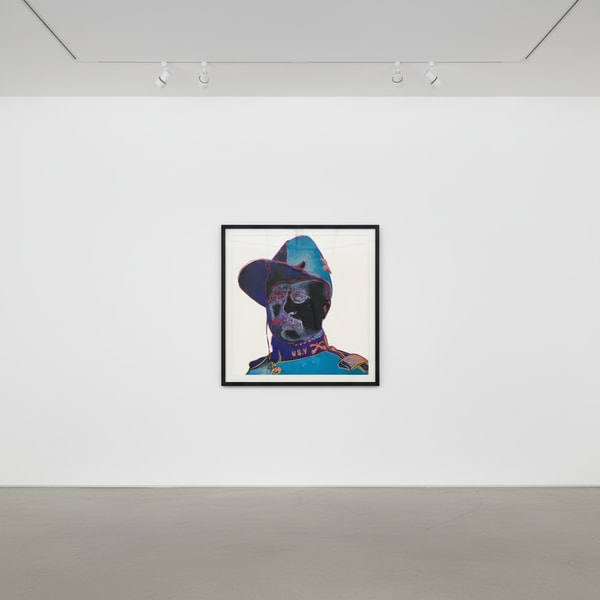
Andy Warhol
Teddy Roosevelt F.S. II 386, from Cowboys and Indians
1986
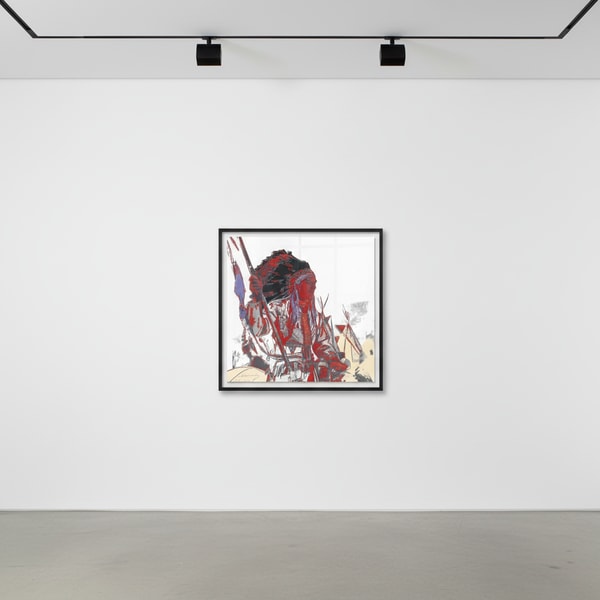
Andy Warhol
War Bonnet Indian F.S. II 373, from Cowboys and Indians
1986