


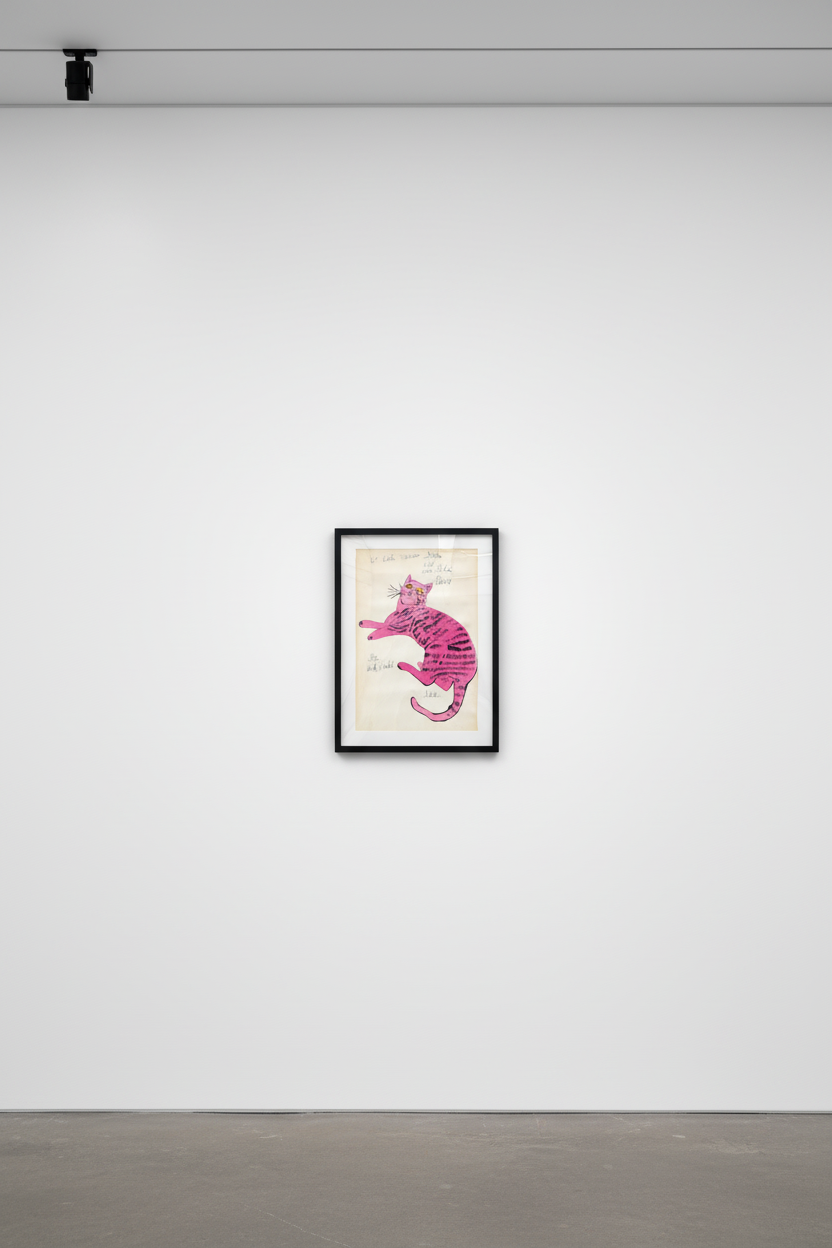
25 Cats Named Sam
20 works

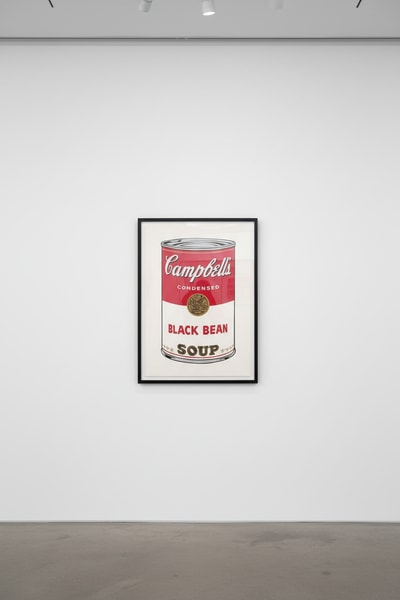
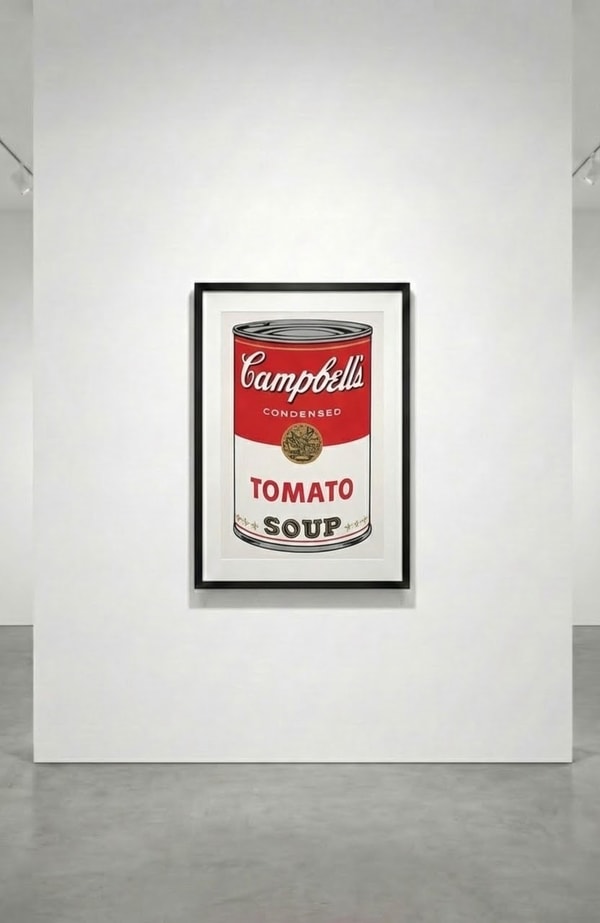
Campbell's Soup I (1968) is one of the most recognized print portfolios in the history of American art—and one of the most actively traded. The Tomato and Black Bean variants consistently lead individual print sales; less common soup varieties attract specialist collectors willing to pay premiums for completeness. Market liquidity is exceptional by blue-chip print standards.
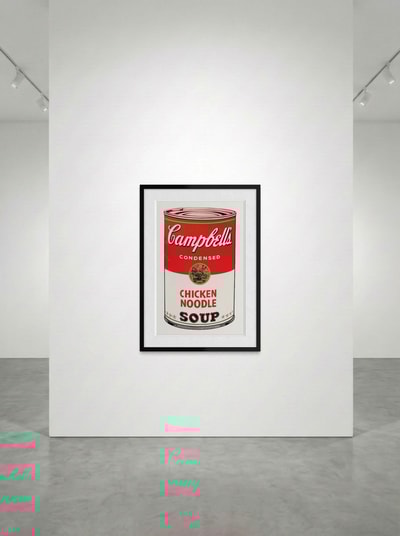
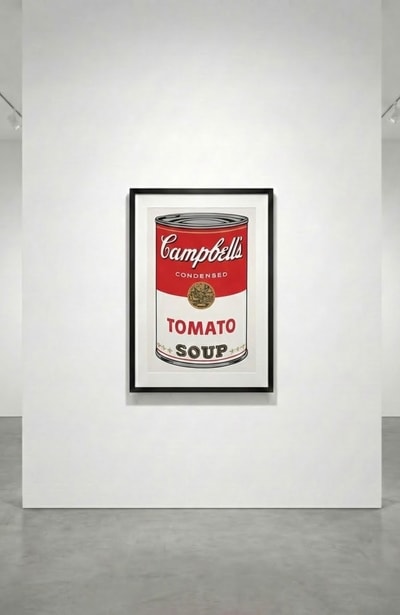
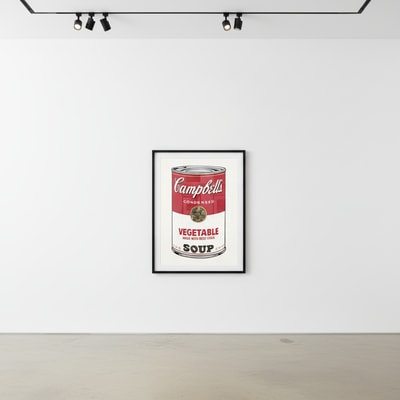
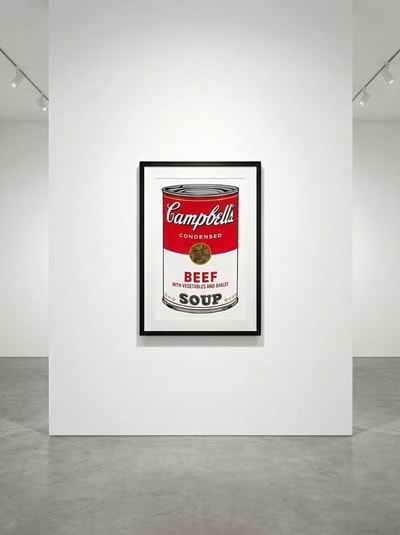
Published in 1968 by Factory Additions, Campbell's Soup I comprises ten screenprints on white paper, each measuring 35 × 23 inches, in an edition of 250 plus artist's proofs. The portfolio followed Campbell's Soup Cans (1962) by six years—by which point the image had already entered global visual culture—but the 1968 prints represent Warhol's most technically refined treatment of the subject. The Factory Additions imprimatur, the large format, and the edition discipline (250 is small by Pop Art standards) combine to produce a portfolio with genuine institutional credibility alongside strong retail demand.
Within the ten-print portfolio, collector hierarchy is clear:
Campbell's Soup I is among the most frequently forged works in the Warhol market. Authentication requirements:
To acquire works from Campbell's Soup I, contact us at 177 Tenth Avenue, New York, NY 10011 or visit guyhepner.com.
Campbell's Soup I occupies a distinct position relative to Warhol's original 1962 Campbell's Soup Cans paintings held by the Museum of Modern Art. Where the 1962 paintings established the visual language in a single unbroken run of thirty-two canvases, the 1968 print portfolio represents Warhol's return to the motif once it had already become inseparable from his public identity — created not to introduce the image but to consolidate and formalise it as a definitive edition.
Art historians have noted that the six-year gap between the two bodies of work marks a shift in Warhol's practice from painter working in relative obscurity to internationally recognised figure operating a commercial studio (the Factory) with dedicated print production capacity. Campbell's Soup I reflects that industrial-scale ambition: precise registration, a large uniform edition, and clean commercial presentation that contrasts with the looser, more hand-worked quality of the earlier canvases.
The portfolio remains one of the most exhibited Warhol print series internationally, appearing regularly in museum surveys of Pop Art and twentieth-century printmaking, and is held in institutional collections including the Museum of Modern Art, the Whitney Museum of American Art, and the Andy Warhol Museum.
11 works available
The Colourways
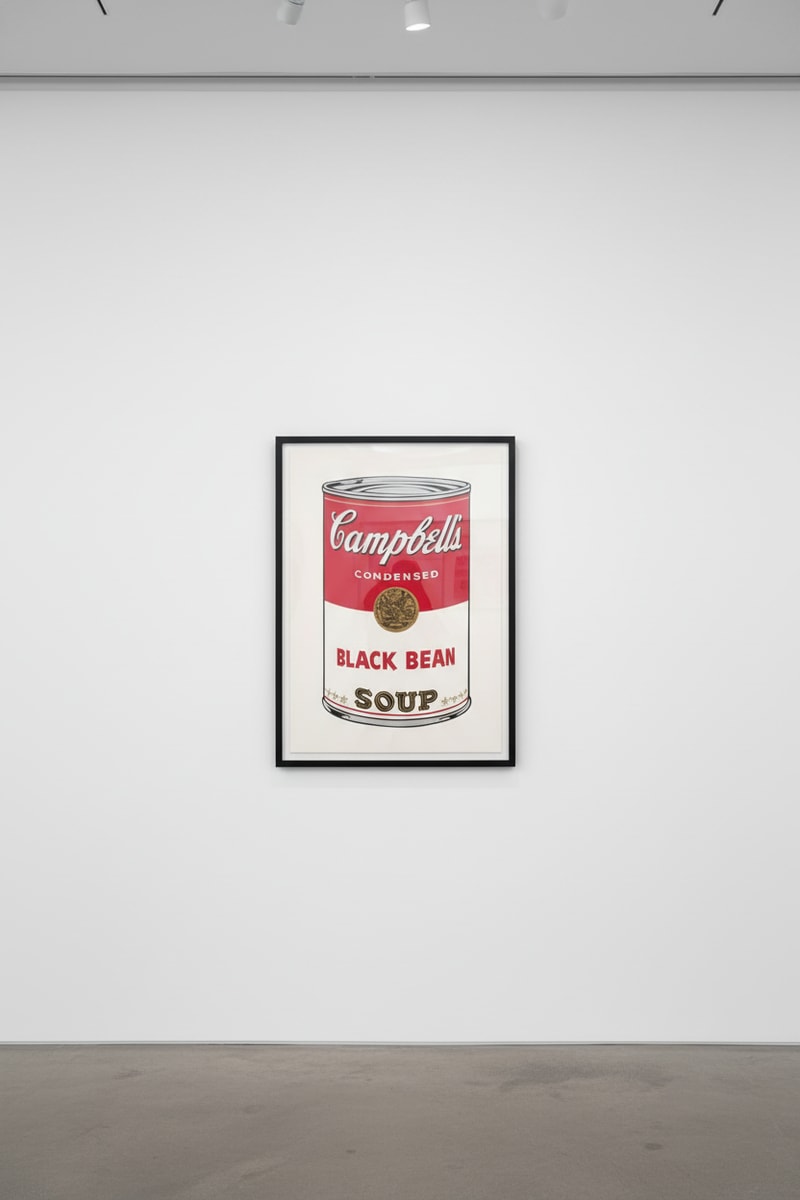
The ten prints in the 1968 portfolio are differentiated by soup variety, each labelled with its Feldman & Schellmann catalogue number. Badges below highlight colourways that are particularly in demand with collectors.
Other Campbell's Soup I Works
Five Facts About Andy Warhol Campbell's Soup I
Campbell's Soup I is a 1968 portfolio of ten screenprints by Andy Warhol, published by Factory Additions, New York, in an edition of 250.
Each screenprint measures 91.8 x 61.3 cm (36.1 x 24.1 in) and reproduces the original Campbell's Soup can labels of the time, unlike the updated label designs used in the later Campbell's Soup II (1969).
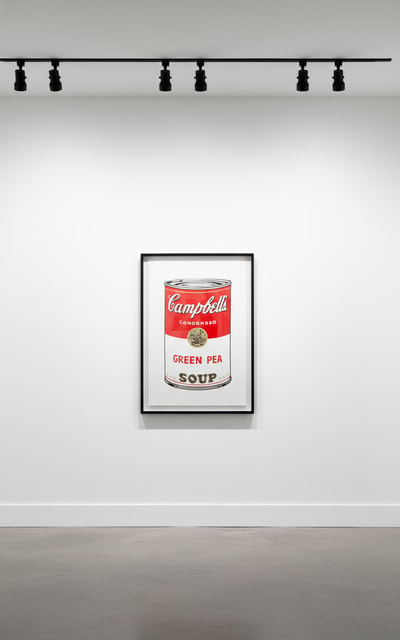
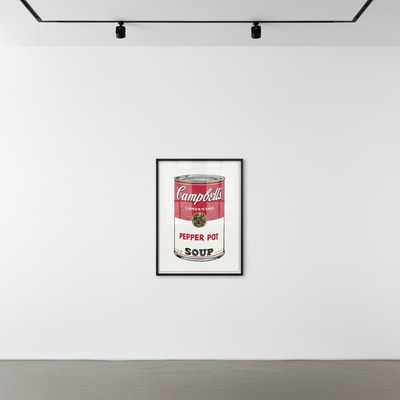
The ten varieties depicted are Black Bean, Chicken Noodle, Tomato, Onion, Vegetable, Beef with Vegetables and Barley, Green Pea, Pepper Pot, Consommé, and Cream of Mushroom.
The portfolios were printed by the Salvatore Silkscreen Company in New York and were originally sold directly from Warhol's studio, The Factory.
Complete sets are held in major museum collections including the Museum of Modern Art, the National Gallery of Australia, the Norton Simon Museum, and the Art Gallery of Ontario.
Market Data
See real auction history, estimate ranges and price benchmarks for individual Campbell's Soup I prints, sourced from Christie's, Sotheby's and other major auction houses.
Frequently Asked Questions
Andy Warhol Campbell's Soup I prints for sale are available at Guy Hepner Gallery, 177 Tenth Avenue, New York. We offer authenticated editions with full provenance documentation sourced from the secondary market and directly from publishers.
Andy Warhol Campbell's Soup I works — 11 available — are typically produced as limited editions, individually signed and numbered by the artist. Contact Guy Hepner Gallery for edition details on specific works.
Pricing for Andy Warhol Campbell's Soup I prints varies by edition size, date, and condition. Contact Guy Hepner Gallery for current market pricing and availability.
From the Journal
More Andy Warhol Series
View all Andy Warhol works →