Sculptures

Yves Klein stands as one of the most influential and radical artists of the twentieth century, a visionary whose brief but extraordinary career fundamentally transformed the conceptual boundaries of contemporary art. Born on April 28, 1928, in Nice, France, Klein emerged as a leading figure in the post-war European avant-garde movement, challenging conventional notions of artistic practice and pushing the boundaries of what art could represent. His work transcended mere aesthetics, embodying philosophical inquiries into immateriality, the void, and the infinite possibilities of pure color.
Klein's artistic journey was shaped by diverse influences, including his early training in judo - which he studied extensively in Japan - and his deep interest in Rosicrucianism and Eastern philosophy. These experiences cultivated his belief in the spiritual dimensions of art and his conviction that color itself possessed the power to evoke profound emotional and transcendental experiences. His meteoric rise in the art world during the late 1950s and early 1960s established him as a pioneer of Performance Art, Minimal Art, and Conceptual Art, movements that would define the latter half of the century. Despite his untimely death in 1962 at just thirty-four years of age, Klein's legacy continues to resonate with collectors, institutions, and artists worldwide.
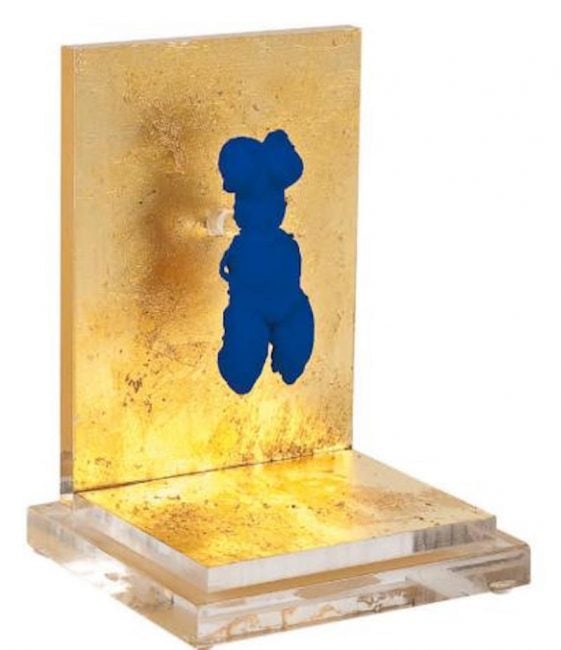
Petite Venus — Yves Klein. Available at Guy Hepner, New York.
The creation of International Klein Blue, commonly known as IKB, represents one of the most significant innovations in the history of artistic materials. In 1957, Yves Klein patented a specific formulation of ultramarine pigment that would become inextricably linked with his artistic identity and philosophical vision. Developed in collaboration with Edouard Adam, a Parisian paint supplier and chemist, this revolutionary formulation utilized a synthetic resin binder that preserved the luminous intensity of pure pigment in ways that traditional oil-based mediums could not achieve.
What distinguished International Klein Blue from conventional ultramarine was its remarkable ability to maintain the raw, vibrant quality of dry pigment even when applied to canvas or sculpture. The color possesses an almost hallucinatory depth - a saturated, radiant blue that appears to vibrate with inner light. For Klein, this was not merely an aesthetic achievement but a spiritual one. He believed that blue represented the infinite, the immaterial realm beyond physical existence. In his own words, blue had "no dimensions" and existed "beyond dimensions."
Klein's monochrome paintings, which he began creating in earnest from 1957 onwards, were revolutionary in their radical simplicity. These works - uniformly covered in International Klein Blue - challenged viewers to engage with pure color as a complete artistic statement. The monochrome canvases were not representations of anything external; they were experiences unto themselves, invitations to meditate upon the infinite. This approach anticipated Minimalism and influenced generations of artists who followed.
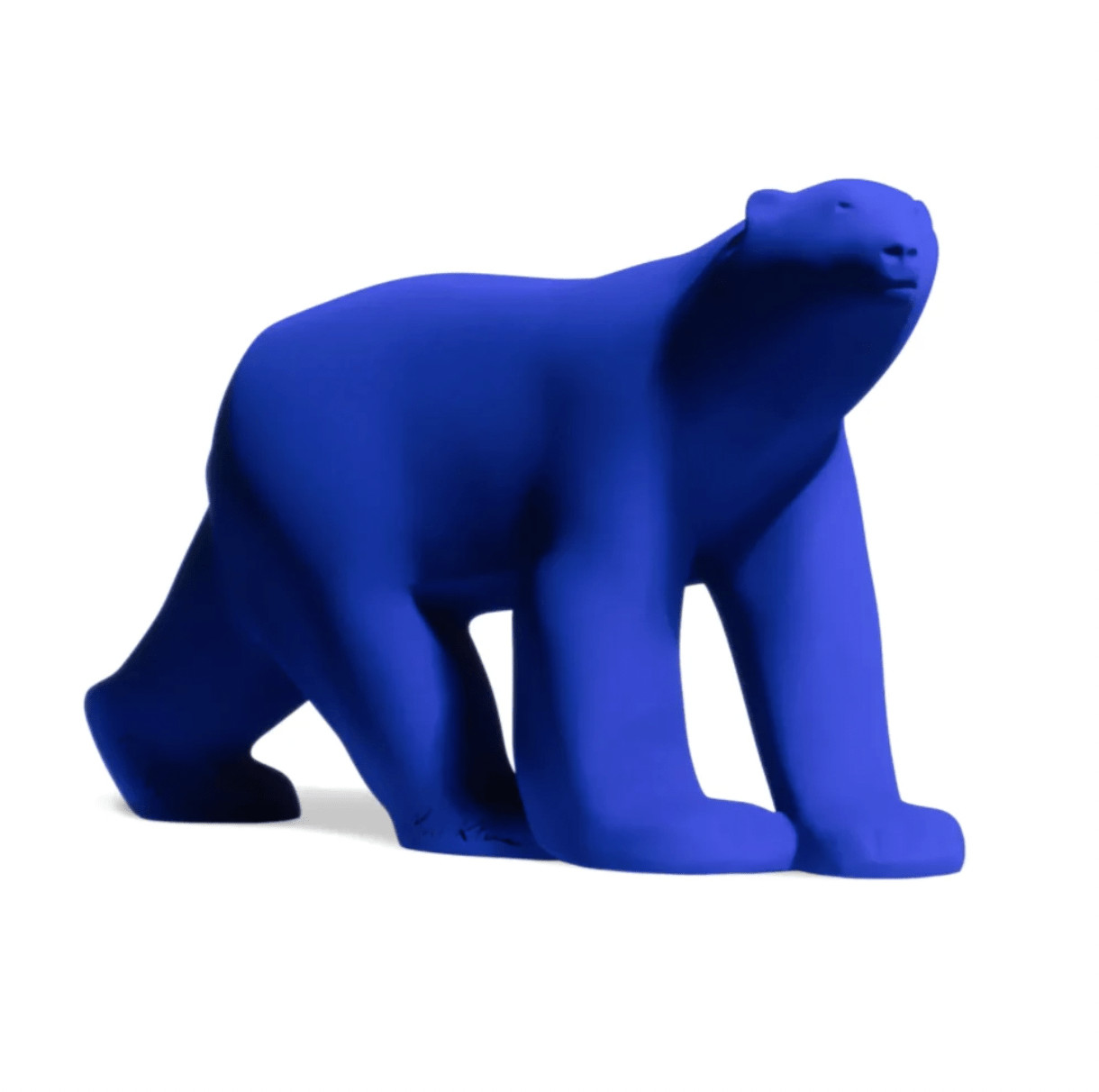
L'Ours Pompon — Yves Klein. Available at Guy Hepner, New York.
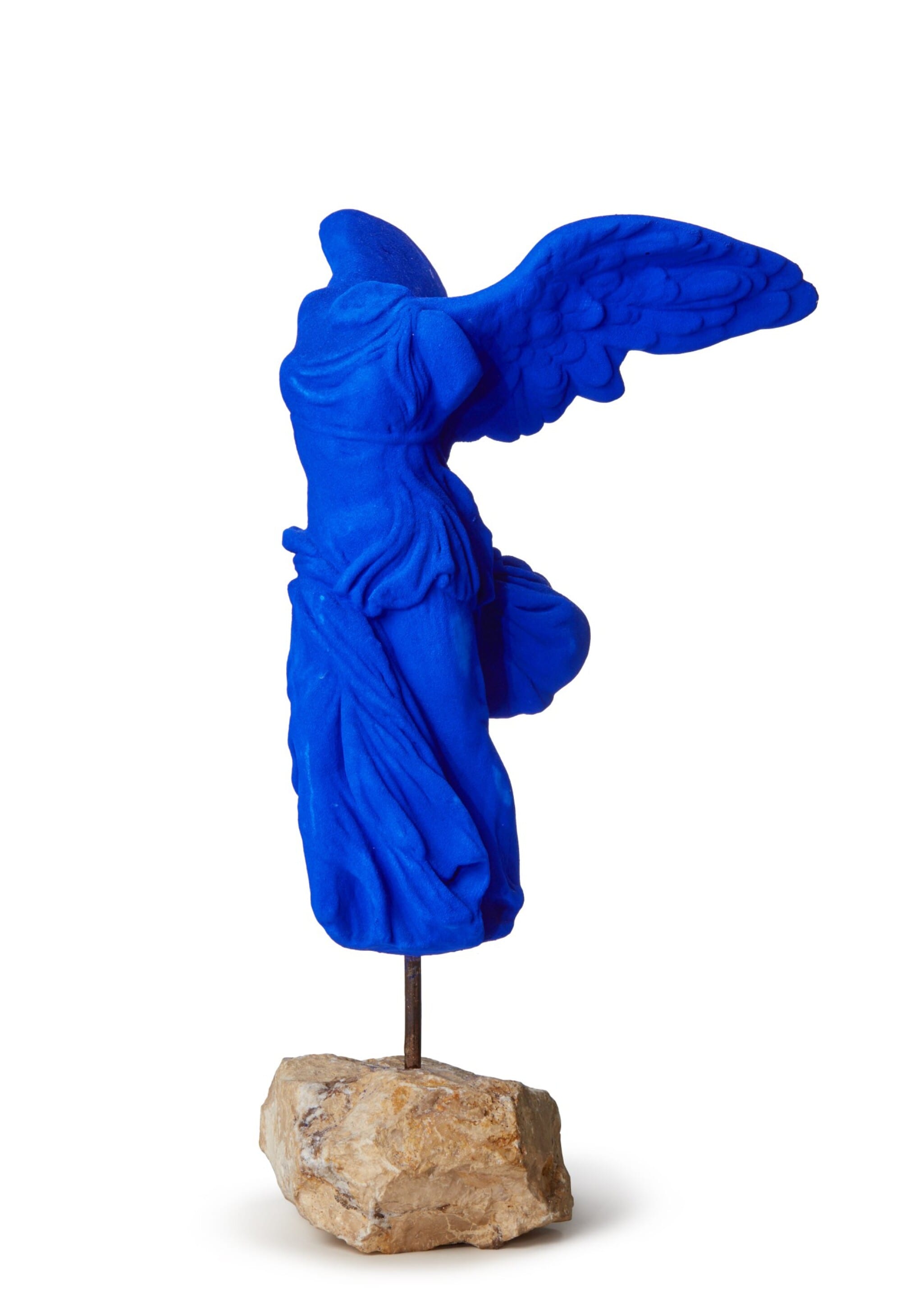
Beyond his iconic monochrome paintings, Yves Klein extended his revolutionary use of International Klein Blue to three-dimensional works that remain among the most sought-after pieces in the contemporary art market. His blue sculptures - including reimagined classical forms such as the Venus de Milo and the Winged Victory of Samothrace - represent a fascinating dialogue between antiquity and modernity, between traditional form and radical color intervention.
These sculptural works demonstrate Klein's conceptual sophistication. By coating reproductions of classical sculptures in his signature blue, he simultaneously honored and subverted art historical tradition. The familiar forms become estranged, transformed into objects that exist outside conventional aesthetic categories. Works such as Victoire de Samothrace and Venus d'Alexandrie embody this transformative vision, rendering ancient masterpieces in the artist's unmistakable chromatic vocabulary.
The auction market consistently reflects the enduring significance of Yves Klein's contributions to contemporary art. According to data from Christie's and Sotheby's, Klein's works regularly achieve exceptional results, with major pieces commanding prices in the tens of millions of dollars. His auction record demonstrates sustained collector interest across all categories of his practice, from monochrome paintings to sculptures and works on paper. The Art Basel and UBS Global Art Market Report has consistently identified Klein as a blue-chip artist whose market remains robust even during periods of broader economic uncertainty.
Collectors are drawn to Klein's work for multiple reasons. The historical importance of his innovations cannot be overstated - he fundamentally expanded the definition of art and influenced countless subsequent movements. The visual impact of International Klein Blue remains as arresting today as it was in the 1950s, offering an immediate aesthetic experience that requires no art historical knowledge to appreciate. Furthermore, the relative scarcity of his works - a consequence of his brief career - ensures that quality pieces remain highly coveted.
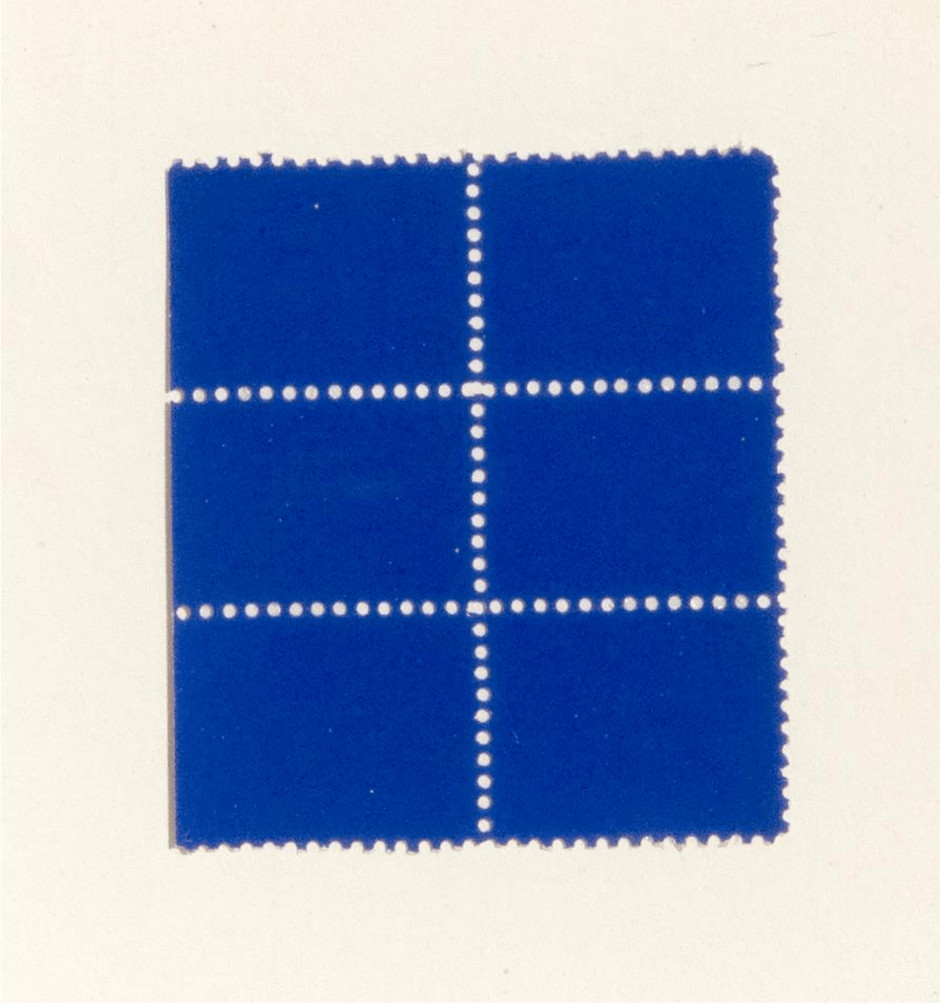
Untitled (IKB Stamps) — Yves Klein. Available at Guy Hepner, New York.
The continued fascination with Yves Klein among sophisticated collectors speaks to the timeless nature of his artistic vision. In an era increasingly dominated by digital experiences and virtual realities, Klein's emphasis on immateriality and transcendence feels remarkably prescient. His work anticipated contemporary conversations about the nature of experience, the relationship between physical and non-physical realms, and the capacity of art to facilitate spiritual encounters.
For institutional and private collectors alike, acquiring a work by Yves Klein represents an investment in one of the twentieth century's most consequential artistic legacies. His influence extends far beyond the art world, touching fashion, design, architecture, and popular culture. International Klein Blue has become a cultural touchstone, instantly recognizable and permanently associated with artistic innovation and intellectual ambition.
Guy Hepner is privileged to offer exceptional works by Yves Klein to discerning collectors worldwide. Our gallery maintains access to rare sculptures, editions, and works that exemplify the artist's revolutionary vision. We invite collectors to inquire about current availability, pricing, and acquisition opportunities. Whether you are building a significant collection or seeking a singular masterpiece, our team of specialists is prepared to assist you in securing works by this unparalleled artist. Contact Guy Hepner today to explore our Yves Klein inventory and discover how these extraordinary pieces might enhance your collection.
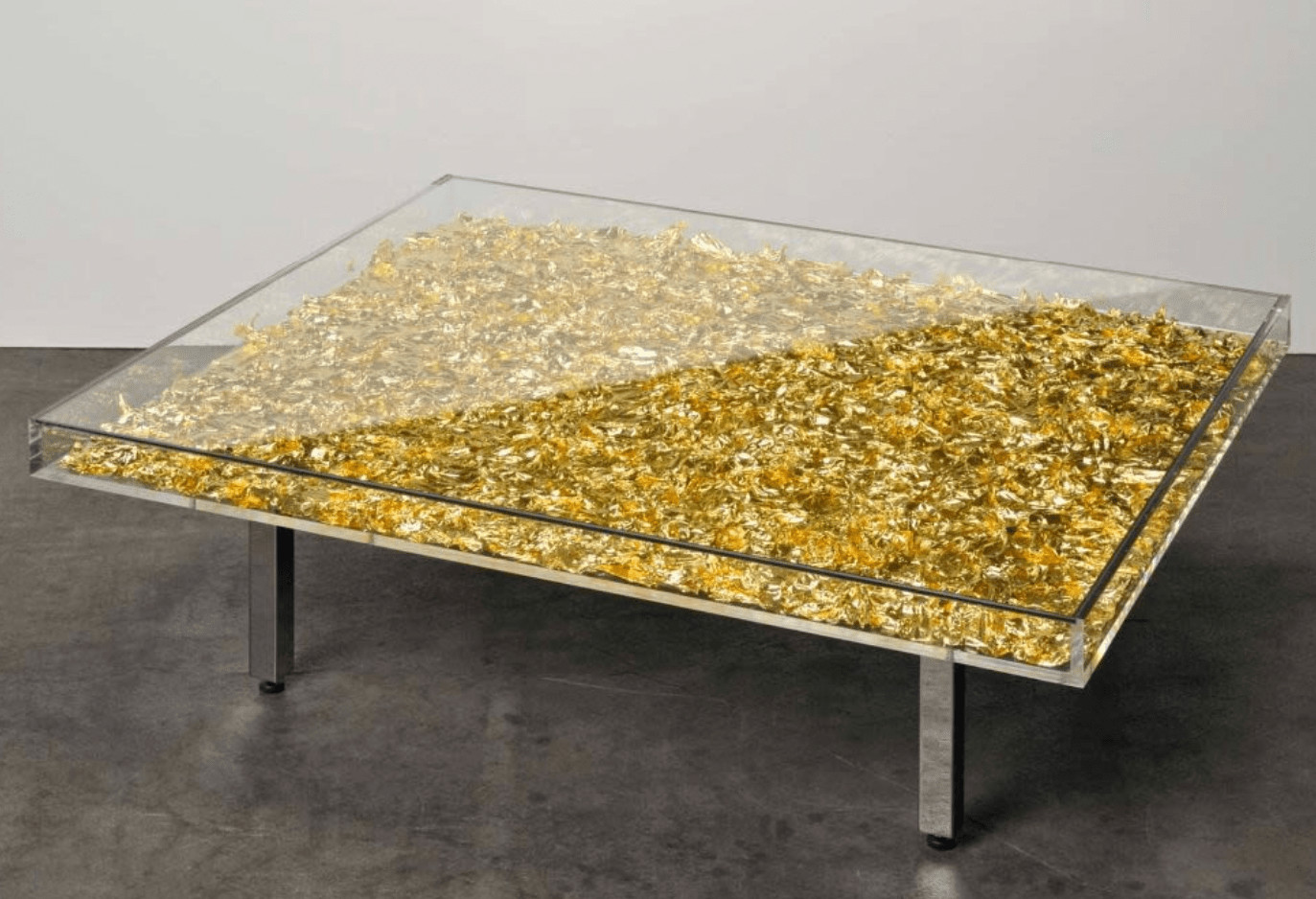
Explore Yves Klein prints for sale at Guy Hepner: Tables.
Related Series