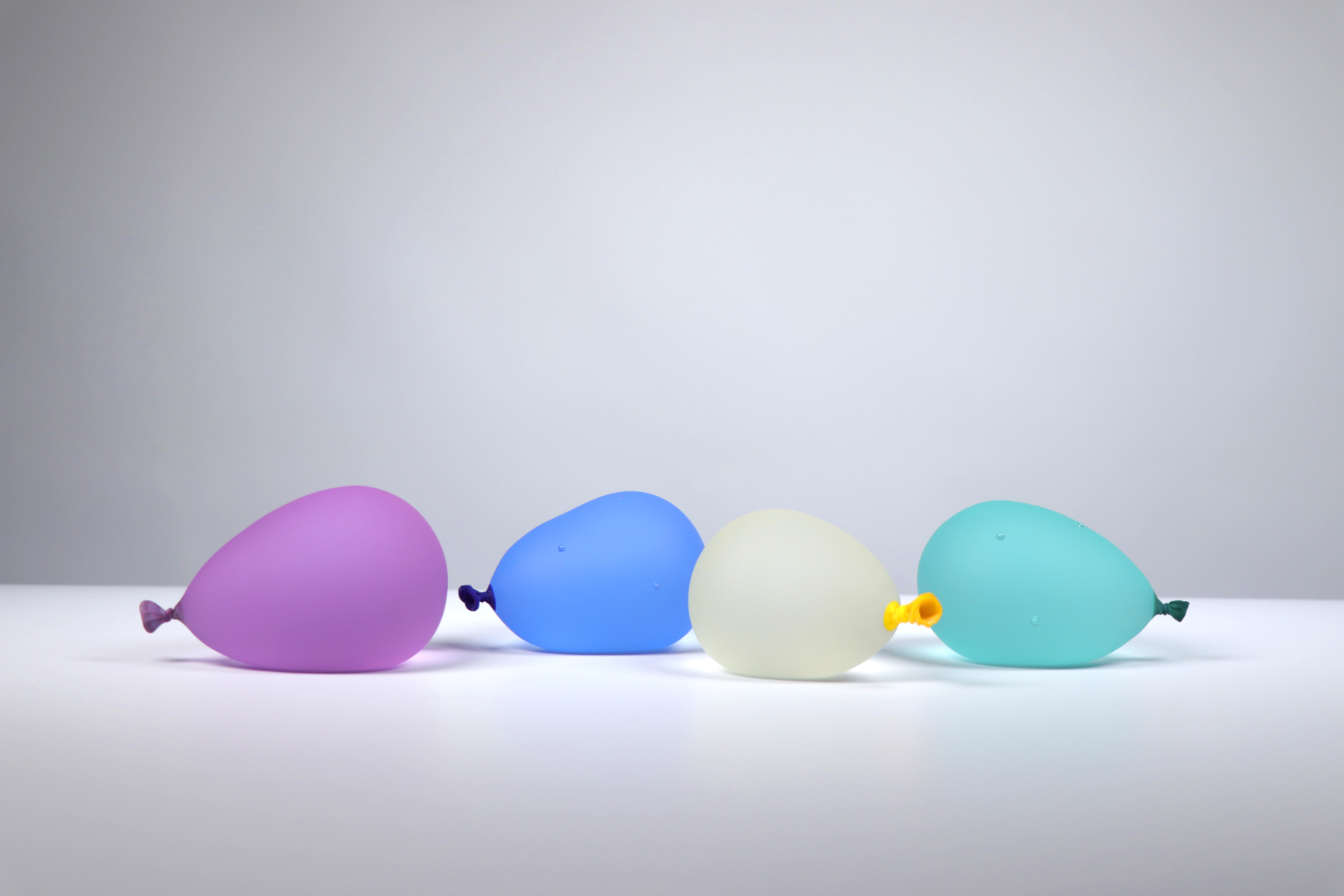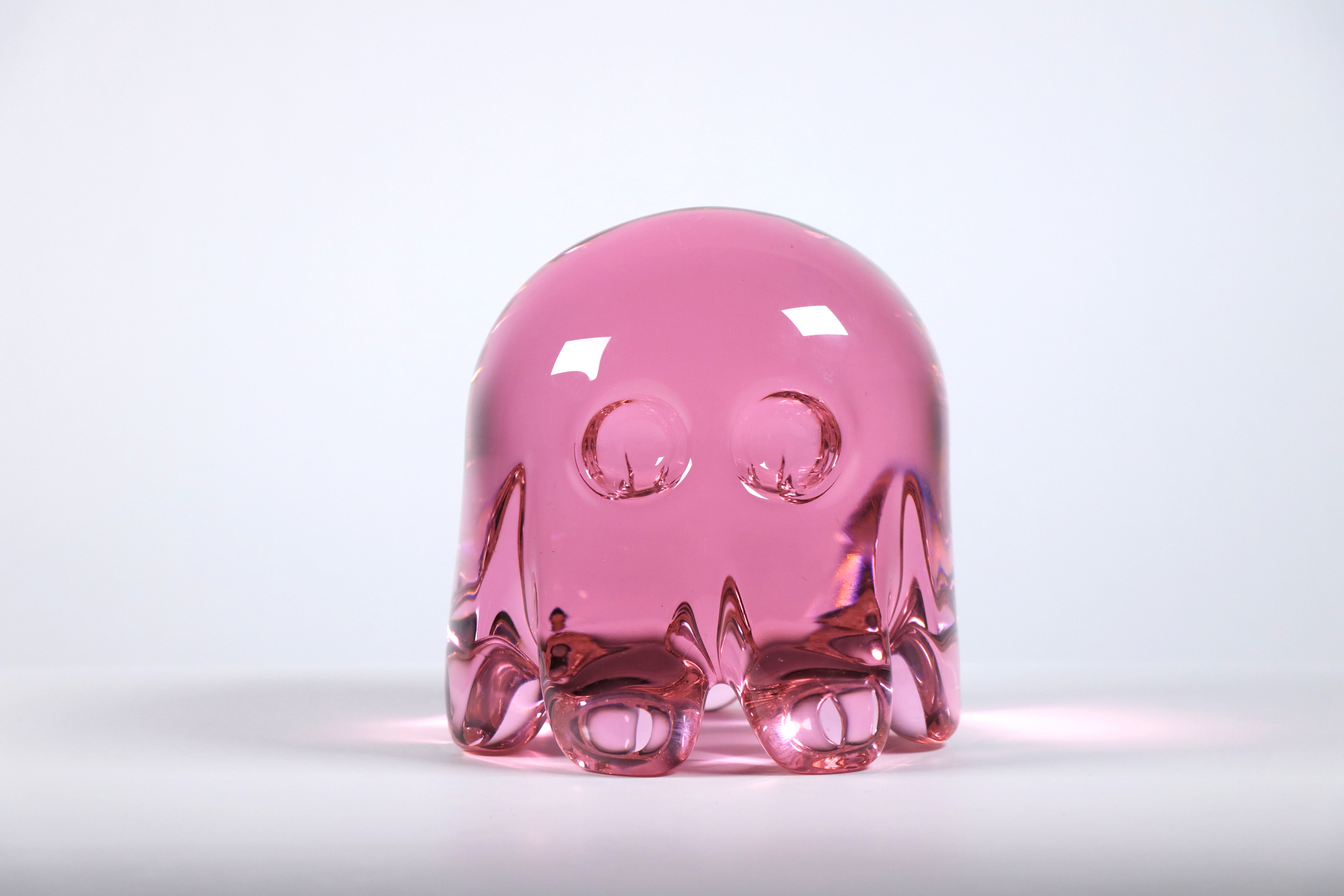
Pac- Man Ghosts

Dylan Martinez has emerged as one of the most compelling voices in contemporary glass art, creating works that dissolve the boundaries between reality and illusion with remarkable technical precision. His Pac-Man Ghosts series represents a masterful intersection of hyperreal sculptural practice and cultural nostalgia, transforming the beloved pixelated specters from the iconic 1980 arcade game into luminous three-dimensional glass forms. These sculptures captivate viewers through their uncanny verisimilitude while simultaneously celebrating the enduring power of popular culture imagery in fine art discourse.
Martinez's artistic philosophy centers on glass as a medium of revelation rather than mere representation. As the artist himself articulates, "Glass is the lie that reveals the truth" - a statement that encapsulates his approach to creating works that appear deceptively simple yet contain profound technical complexity. The Pac-Man Ghosts embody this principle perfectly, presenting familiar characters in an entirely new material context that forces viewers to reconsider both the objects themselves and their relationship to memory, perception, and artistic authenticity.
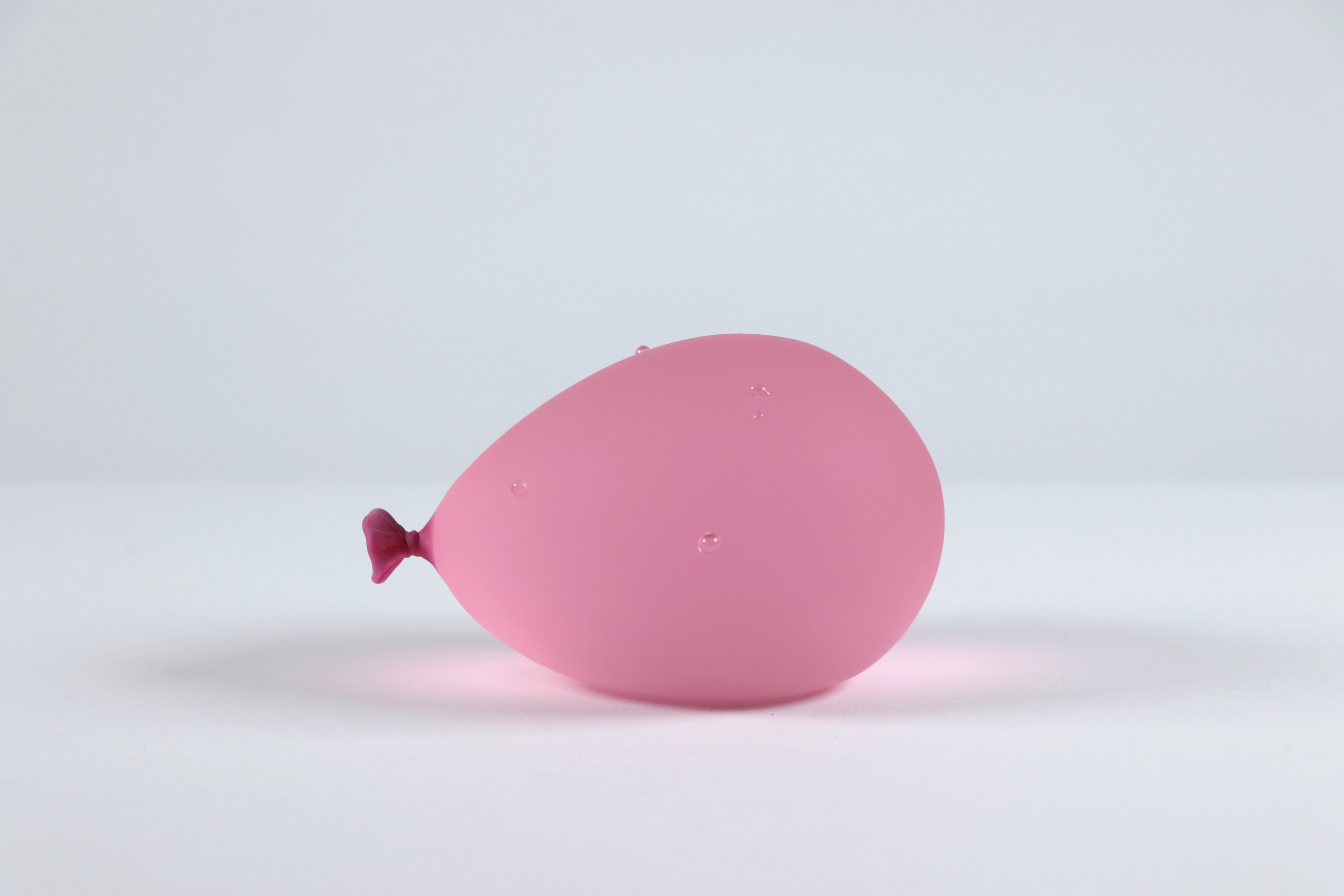
Limited Edition Goldfish Cracker Water Bag (203) — Dylan Martinez. Available at Guy Hepner, New York.
Dylan Martinez has established himself as a virtuoso of optical illusion through glass, developing a distinctive practice that exists at the threshold between the seen and the believed. His technical approach emphasizes glass's inherent movement and liquid qualities, capturing what he describes as the medium's essential fluidity frozen at a precise moment in time. This methodology requires exceptional skill in temperature control, timing, and an intuitive understanding of how glass behaves under manipulation.
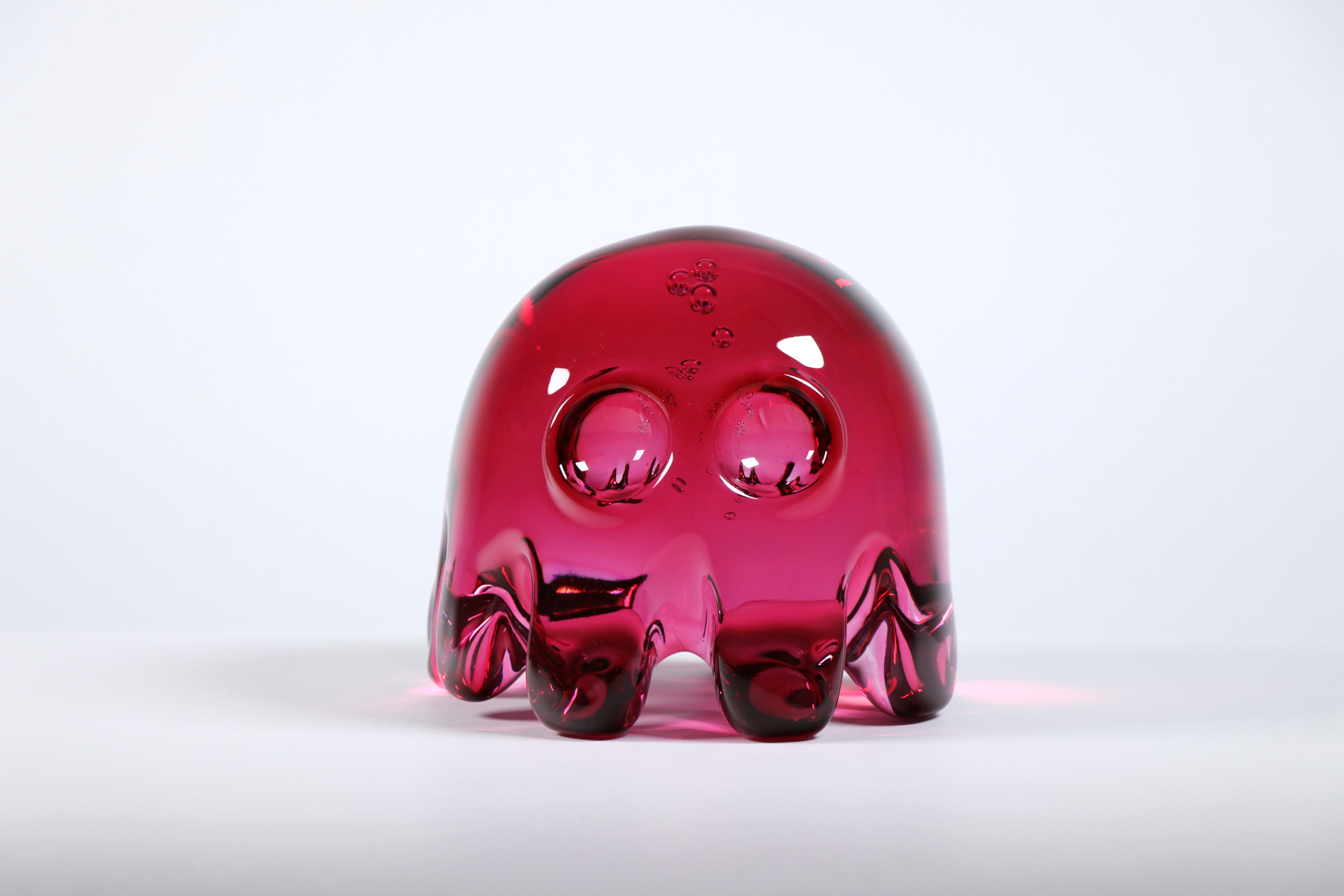
The Pac-Man Ghosts series demonstrates Martinez's ability to translate flat, pixelated imagery into volumetric forms while maintaining the essential character of the original designs. Each ghost - whether rendered in the classic red, pink, cyan, or orange - retains its immediately recognizable silhouette while gaining new dimensionality and presence through Martinez's intervention. The translucent properties of glass allow light to pass through and around these sculptures, creating an ethereal glow that references both the backlit arcade screens of the original game and the spectral nature of the characters themselves.
Martinez's blown glass technique involves multiple stages of heating, shaping, and careful cooling to achieve the smooth surfaces and precise forms his work demands. Unlike traditional decorative glass art, his sculptures prioritize conceptual resonance alongside technical achievement. The artist treats each piece as an investigation into how familiar imagery transforms when rendered in unexpected materials, challenging collectors and viewers to question their assumptions about both art objects and the cultural artifacts that inspire them.
BL 17 — Dylan Martinez. Available at Guy Hepner, New York.
The Pac-Man Ghosts series positions Dylan Martinez within a rich tradition of artists who have elevated popular culture imagery to fine art status. From Andy Warhol's Campbell's Soup Cans to Jeff Koons's balloon animals, the transformation of everyday cultural objects into collectible artworks has defined much of contemporary art's trajectory. Martinez's contribution to this lineage proves particularly compelling because his chosen medium - glass - adds layers of meaning that paint or steel cannot achieve.
Video game imagery has increasingly entered the fine art conversation as the generation that grew up with arcade games has matured into collectors and cultural arbiters. The Art Basel and UBS Global Art Market Report has documented growing collector interest in works that bridge generational nostalgia with contemporary artistic practice. Martinez's Pac-Man Ghosts speak directly to this demographic while maintaining sufficient artistic sophistication to appeal to traditional contemporary art collectors.
The ghosts themselves carry significant cultural weight beyond mere nostalgia. In the original game, Blinky, Pinky, Inky, and Clyde each possessed distinct behavioral patterns that players learned to anticipate and outmaneuver. Martinez's sculptures capture something of this personality in their physical presence - each ghost maintains its characteristic color while the glass medium suggests an otherworldly quality appropriate to their spectral nature. The tension between the hard geometric edges of pixel art and the organic fluidity of blown glass creates visual interest that rewards extended viewing.
Dylan Martinez's work has attracted significant attention from collectors who recognize the rare combination of technical excellence and conceptual accessibility his sculptures represent. The contemporary glass art market has experienced notable growth, with auction results at Christie's and Sotheby's demonstrating increased appetite for works that push the medium beyond traditional decorative applications. Martinez's ability to create pieces that function simultaneously as fine art objects and cultural commentary positions his work advantageously within this expanding market.
The Pac-Man Ghosts series appeals to multiple collector categories. Technology entrepreneurs and gaming industry professionals often seek works that celebrate their cultural touchstones while meeting rigorous aesthetic standards. Traditional contemporary art collectors appreciate Martinez's technical innovation and his thoughtful engagement with pop art history. Interior designers and architects value the sculptures' ability to serve as striking focal points that generate conversation and emotional connection.
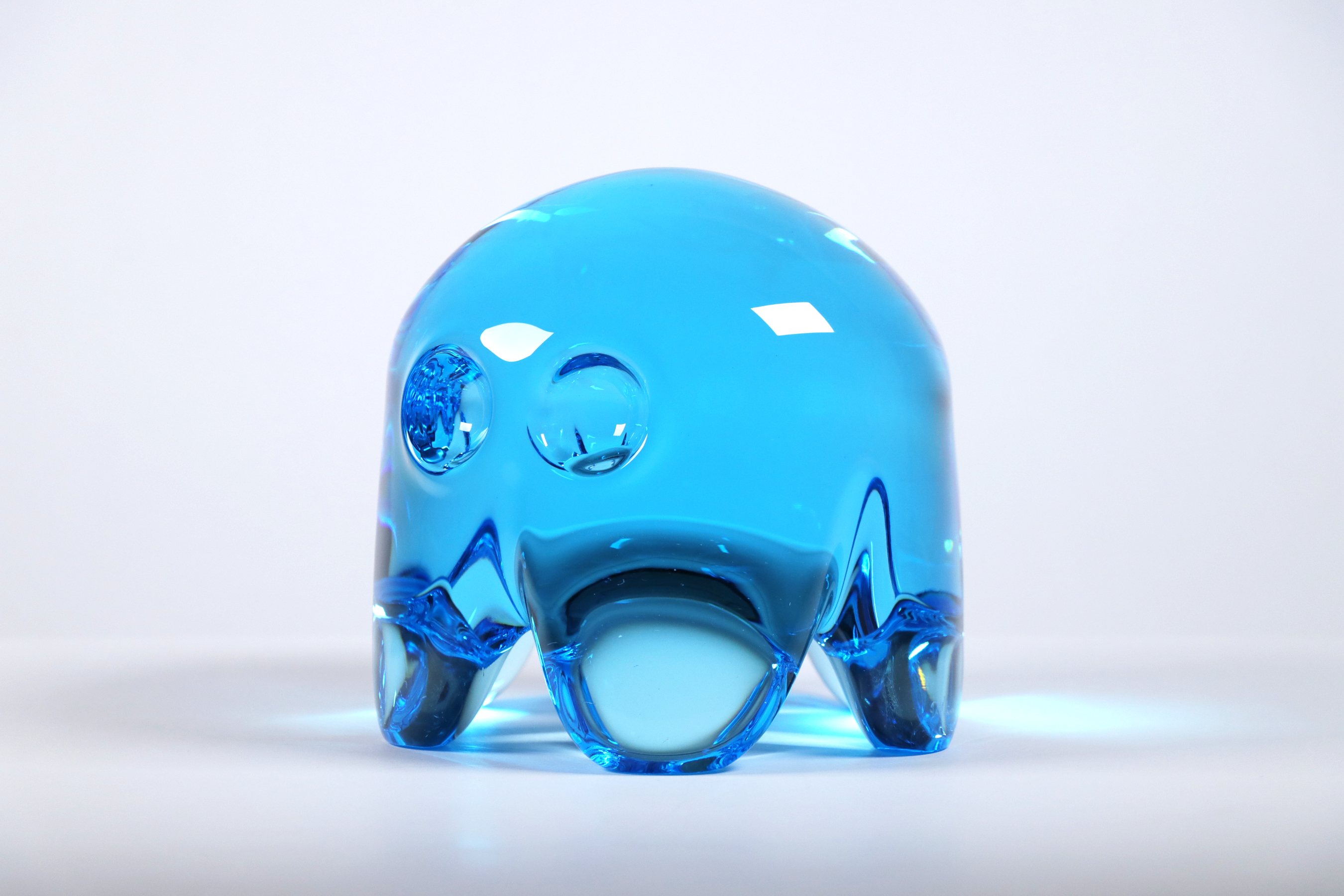
BL 33 — Dylan Martinez. Available at Guy Hepner, New York.
Martinez's broader body of work - including his celebrated water balloon series and other hyperreal glass sculptures - demonstrates consistent artistic vision and market viability. Collectors who acquire Pac-Man Ghosts often find themselves drawn to explore Martinez's full range of subjects, recognizing the coherent philosophy that unites his diverse output. Each piece represents not merely an object but an entry point into the artist's unique perceptual world.
The investment potential of Martinez's work reflects both his established reputation and the enduring appeal of his subject matter. As video game culture continues its integration into mainstream cultural discourse - evidenced by major museum exhibitions and academic study programs worldwide - artworks that thoughtfully engage this material stand to appreciate in both cultural significance and monetary value.
Guy Hepner is proud to offer exceptional works by Dylan Martinez, including sculptures from his acclaimed Pac-Man Ghosts series and related pieces that demonstrate his mastery of hyperreal glass artistry. Our gallery maintains direct relationships with the artist to ensure collectors receive authenticated works accompanied by full provenance documentation. Whether you seek a statement piece for a significant collection or wish to begin exploring Martinez's compelling artistic vision, our expert advisors provide personalized guidance through the acquisition process. Contact Guy Hepner to discuss available works by Dylan Martinez and discover how these remarkable sculptures might enhance your collection.
Explore Dylan Martinez prints for sale at Guy Hepner: Pac- Man Ghosts, H20/sio2 Water Bags, Swedish Fish Water Bags, Water Balloons.
Related Series