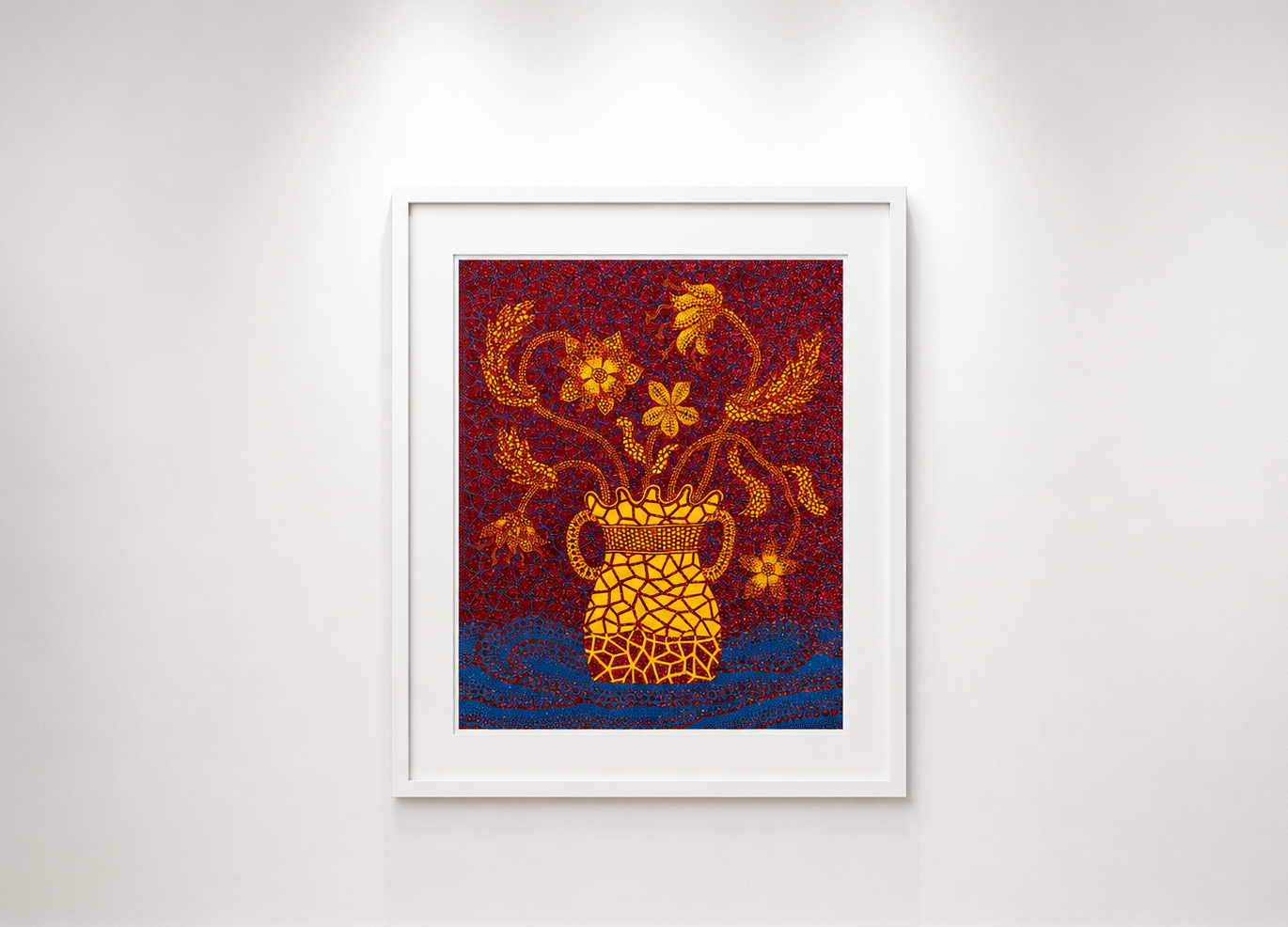
Flowers

Yayoi Kusama stands as one of the most recognisable and influential artists alive today. Her Pumpkins, polka dots and Infinity Mirror Rooms have transcended the contemporary art world to become global cultural phenomena, attracting millions of visitors to museum exhibitions and commanding significant prices at auction. For collectors seeking to acquire works by this visionary Japanese artist, the sheer scale of her popularity - spanning museum retrospectives, luxury brand collaborations and social media ubiquity - can make it difficult to know where to begin. This guide offers a comprehensive overview of Kusama's artistic journey, her defining motifs, current market dynamics and practical advice on how to collect Yayoi Kusama art thoughtfully and strategically.
Yayoi Kusama was born in 1929 in Matsumoto, Japan, into a conservative, land-owning family that discouraged her artistic ambitions. From early childhood, she experienced vivid hallucinations - fields of dots, Flowers and repeating patterns that seemed to cover everything around her, dissolving the boundaries between herself and her environment. Rather than suppressing these experiences, Kusama channelled them into her art, transforming personal psychological phenomena into a universal visual language that would eventually captivate audiences worldwide.
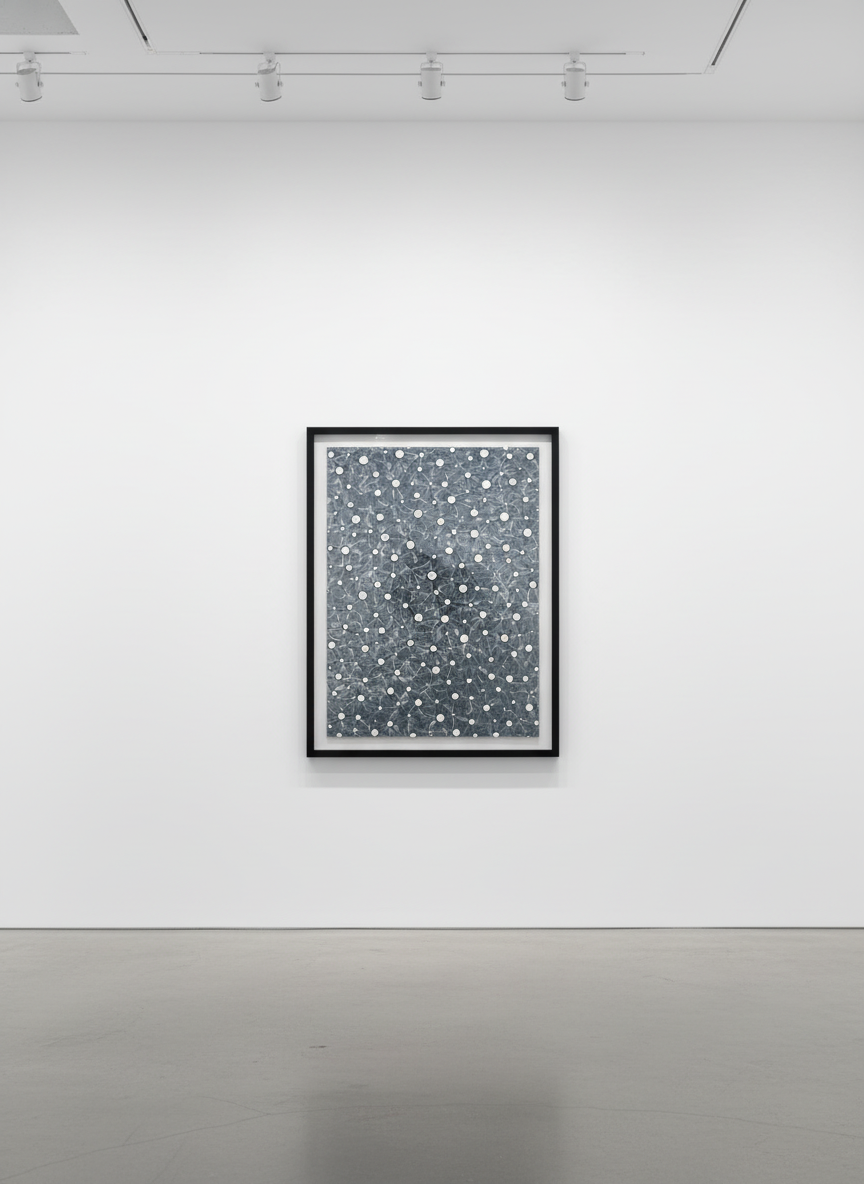
In the 1950s, Kusama made the bold decision to leave Japan for the United States, first settling briefly in Seattle before arriving in New York in 1958. There she immersed herself in the downtown avant-garde scene alongside contemporaries such as Andy Warhol, Claes Oldenburg and Donald Judd. Her early Infinity Net paintings - monumental canvases covered with obsessive, hand-painted loops and arcs - were exhibited in leading galleries and established her reputation within the emerging Minimalist and Pop art movements. These works demonstrated a meditative intensity and conceptual rigour that distinguished Kusama from her peers, even as she participated in the same experimental circles.
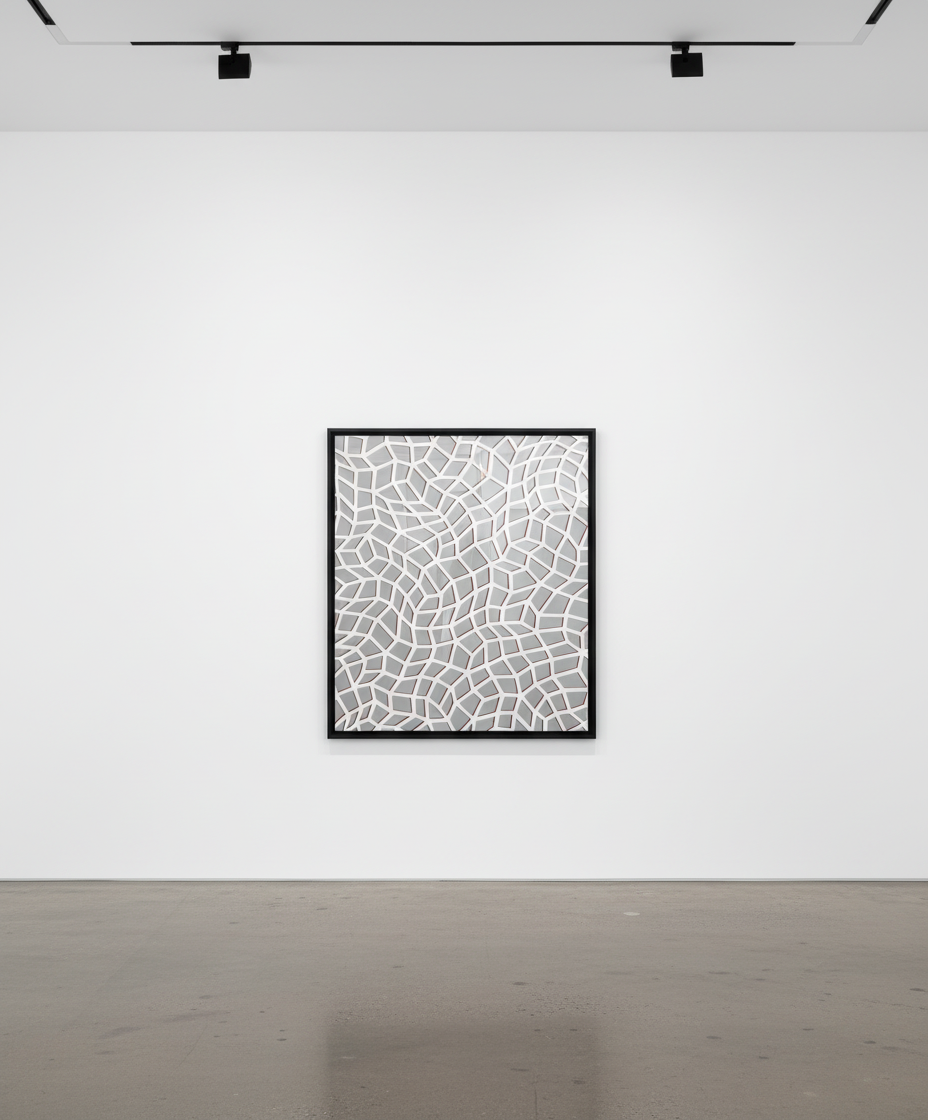
Infinity Nets — Yayoi Kusama. Available at Guy Hepner, New York.
Throughout the 1960s, Kusama expanded her practice to include soft sculpture, environmental installations and provocative happenings that challenged social conventions around sexuality, war and consumerism. She became a countercultural figure, staging nude protests against the Vietnam War and creating immersive environments that anticipated the experiential art installations of subsequent decades. Despite critical recognition, commercial success remained elusive, and in 1973, Kusama returned to Japan, where she voluntarily admitted herself to a psychiatric hospital. She has lived and worked there ever since, maintaining a studio across the street where she continues to produce art with remarkable prolificacy.
To collect Yayoi Kusama art effectively, one must understand the symbolic vocabulary that runs throughout her oeuvre. Her work is not merely decorative - each recurring element carries profound personal and philosophical significance.
The polka dot remains Kusama's most iconic motif, representing her concept of self-obliteration. By covering surfaces with infinite repetitions of dots, she seeks to dissolve the ego and merge individual consciousness with the cosmos. This idea connects to Buddhist philosophy and her own experiences of depersonalisation, transforming what might appear playful into something deeply metaphysical.
The Infinity Net series, which Kusama began in the late 1950s and continues to develop today, exemplifies her meditative practice. These paintings feature countless hand-painted loops that seem to extend beyond the canvas edges, creating an impression of boundless space. The physical act of painting each arc becomes a form of ritual repetition - simultaneously therapeutic and transcendent. Works from this ongoing series remain highly sought after by collectors who appreciate both their art-historical importance and their contemplative beauty.
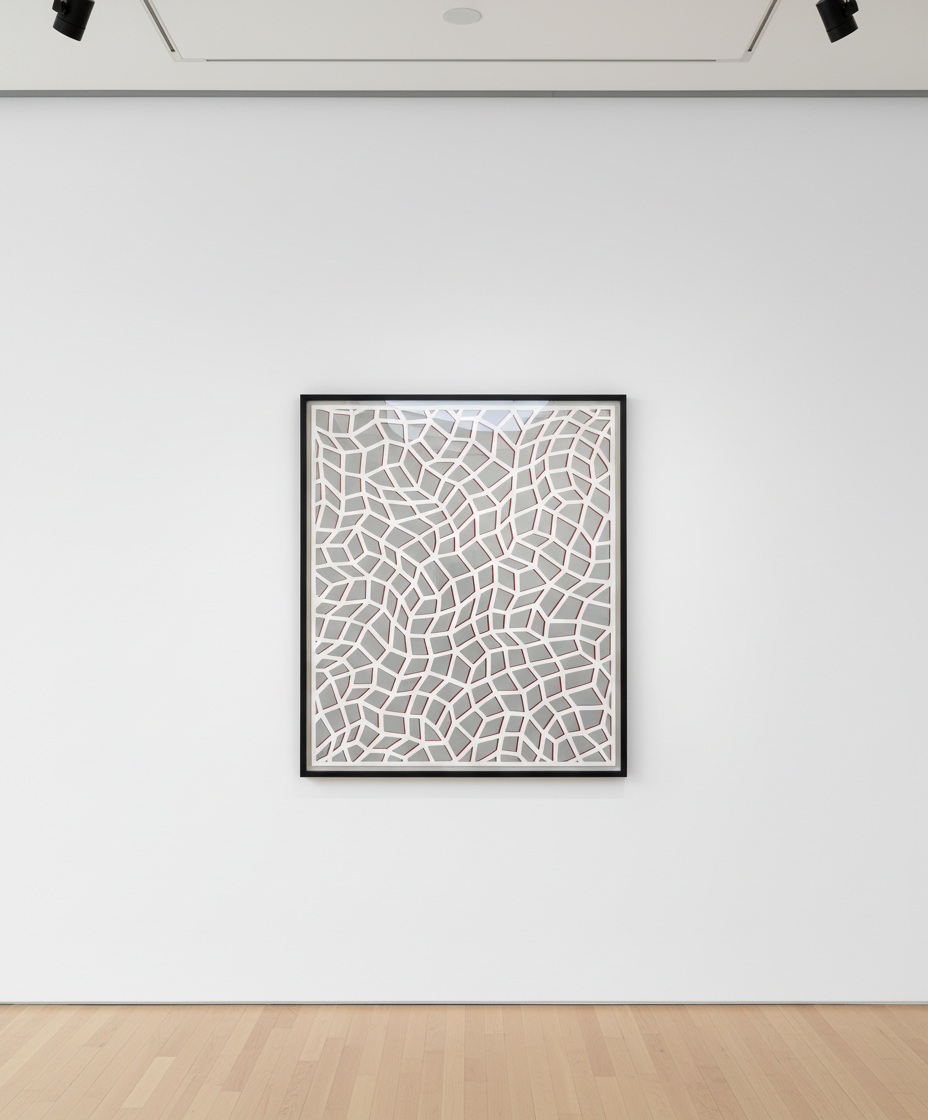
Infinity Nets (Orange) — Yayoi Kusama. Available at Guy Hepner, New York.
Kusama's pumpkins emerged as a central subject in the 1940s and have since become synonymous with her artistic identity. She has described the pumpkin as both humble and amusing, appreciating its unpretentious form and spiritual resonance. Whether rendered in painting, sculpture or monumental installation, her pumpkins embody a playful yet sincere engagement with natural forms.
The Infinity Mirror Rooms - immersive chambers lined with mirrors and illuminated by lights or filled with sculptural elements - represent perhaps Kusama's most celebrated contribution to contemporary art. These environments offer visitors the experience of dissolution that Kusama herself has described, surrounding them with seemingly endless reflections that challenge perceptions of space and self.
The market for Yayoi Kusama art has grown substantially over the past two decades, reflecting both her institutional recognition and her broad popular appeal. According to data from Christie's and Sotheby's, Kusama consistently ranks among the highest-selling female artists at auction, with works regularly achieving prices in the millions. The Art Basel and UBS Global Art Market Report has repeatedly highlighted her prominence within the contemporary segment, noting strong demand from collectors across Asia, Europe and the Americas.
Primary market works - those released through Kusama's representing galleries - remain exceptionally difficult to obtain due to extensive waiting lists and limited annual production. This scarcity has intensified secondary market activity, where collectors compete for paintings, prints and sculptures that become available through auction or private sale. Understanding provenance, condition and authenticity is essential when navigating this competitive landscape.
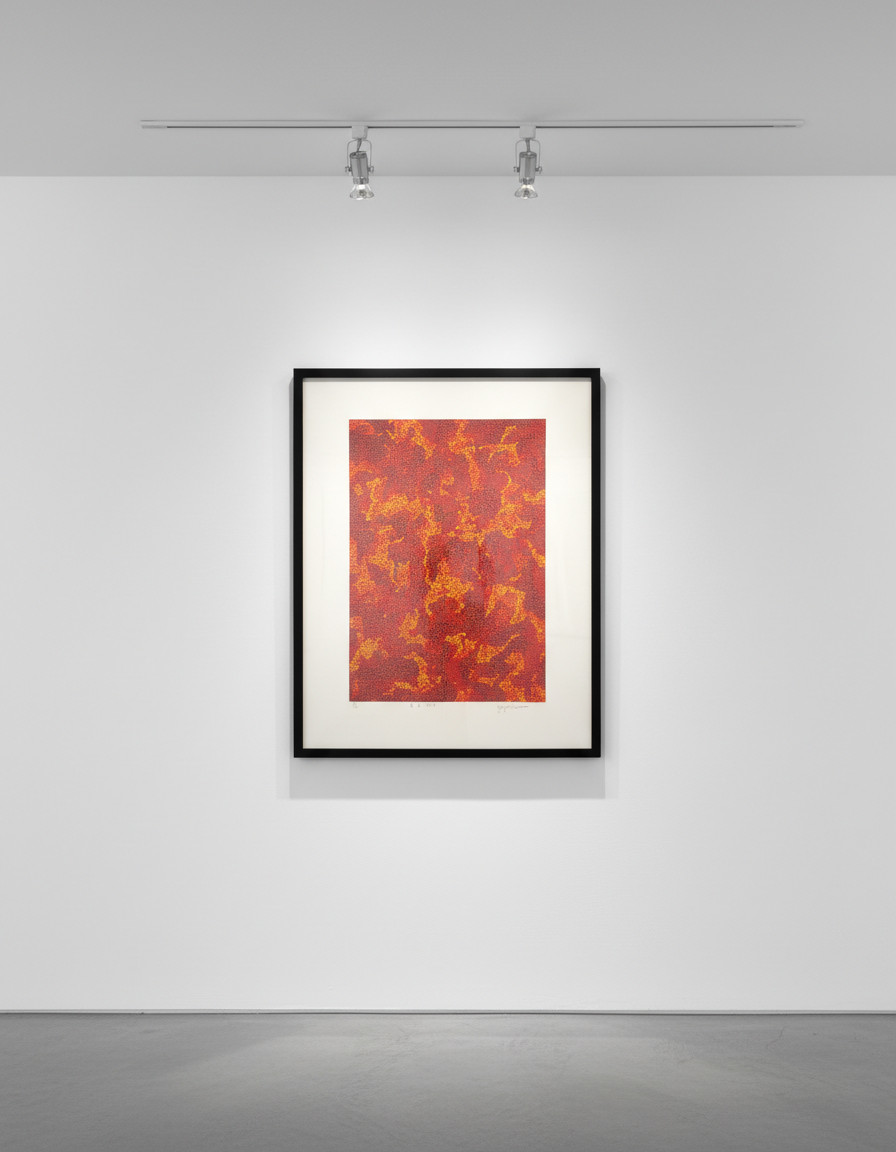
Madder Colored Cloud — Yayoi Kusama. Available at Guy Hepner, New York.
For collectors entering the Kusama market, prints and editioned works offer a more accessible entry point without sacrificing artistic significance. Her screenprints and lithographs - often featuring pumpkins, infinity nets or floral subjects - allow collectors to own authenticated works at price points considerably below unique paintings. As with any edition-based collecting, attention to print condition, edition size and documentation remains paramount.
Works from established series such as the Infinity Nets, My Eternal Soul and Love Forever tend to attract the strongest collector interest, combining recognisable visual impact with clear connections to Kusama's broader artistic project. Museum exhibition history, publication in catalogue raisonnés and gallery provenance all contribute to desirability and long-term value.
Guy Hepner is proud to offer collectors access to authenticated works by Yayoi Kusama, including paintings and prints from her most celebrated series. Our team provides expert guidance on provenance, condition and market positioning, ensuring that each acquisition meets the highest standards of quality and authenticity. Whether you are beginning your collection or seeking a significant addition to an established holding, we invite you to contact Guy Hepner to discuss currently available Yayoi Kusama artworks and discover how we can assist in building a collection of enduring cultural and financial value.
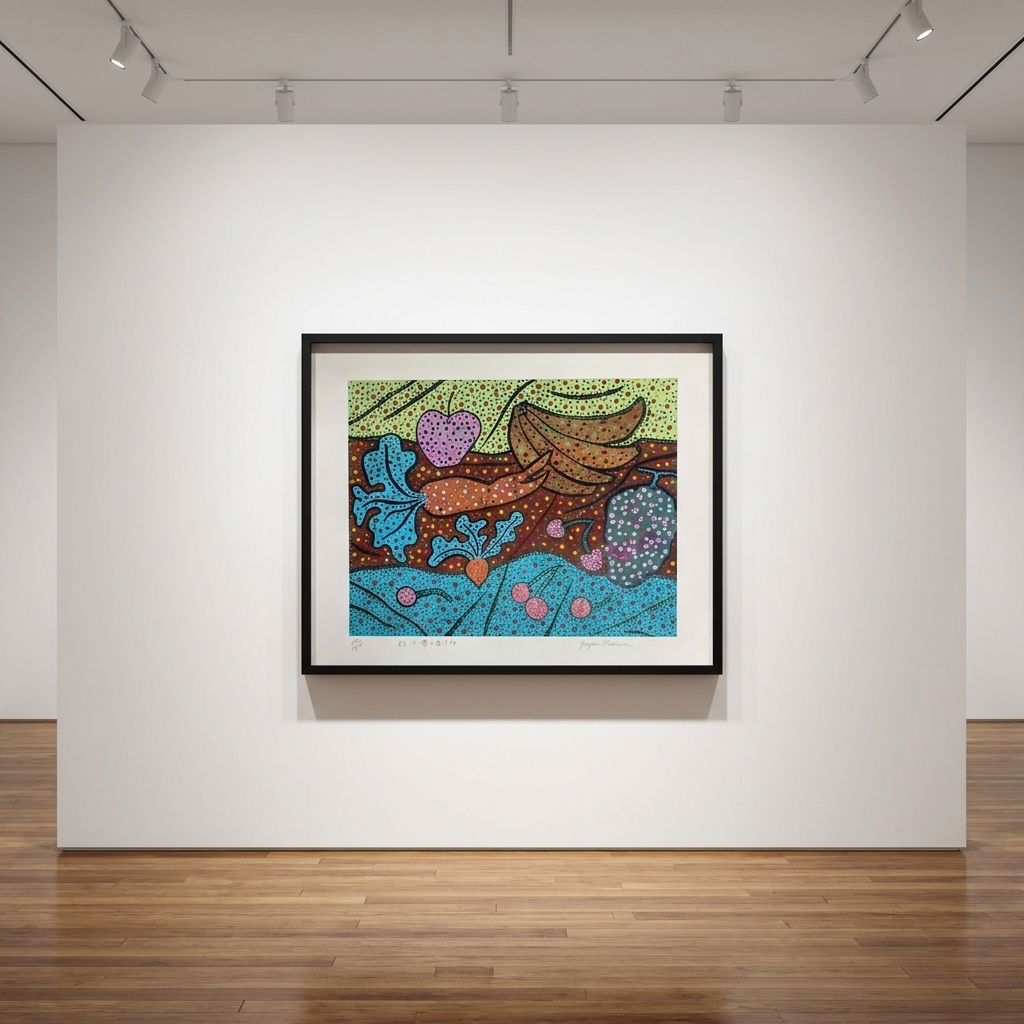
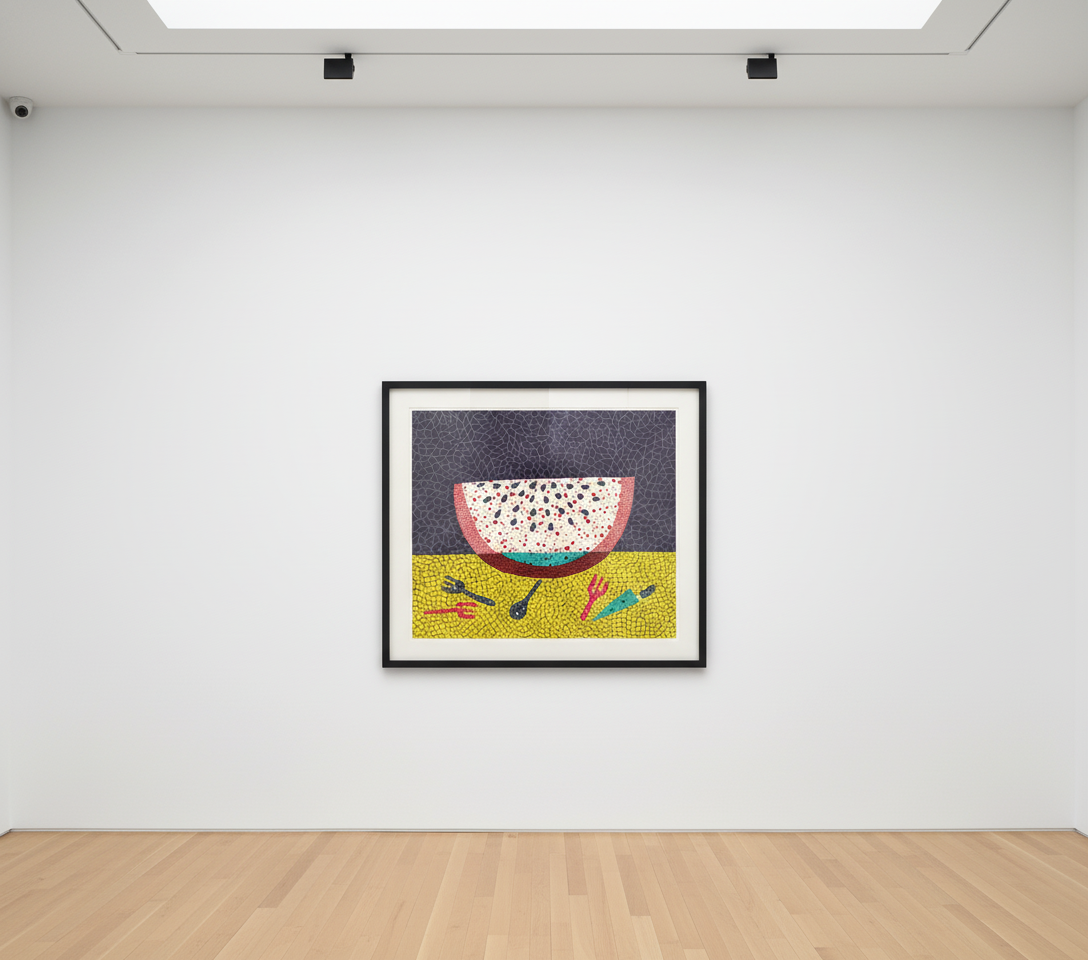
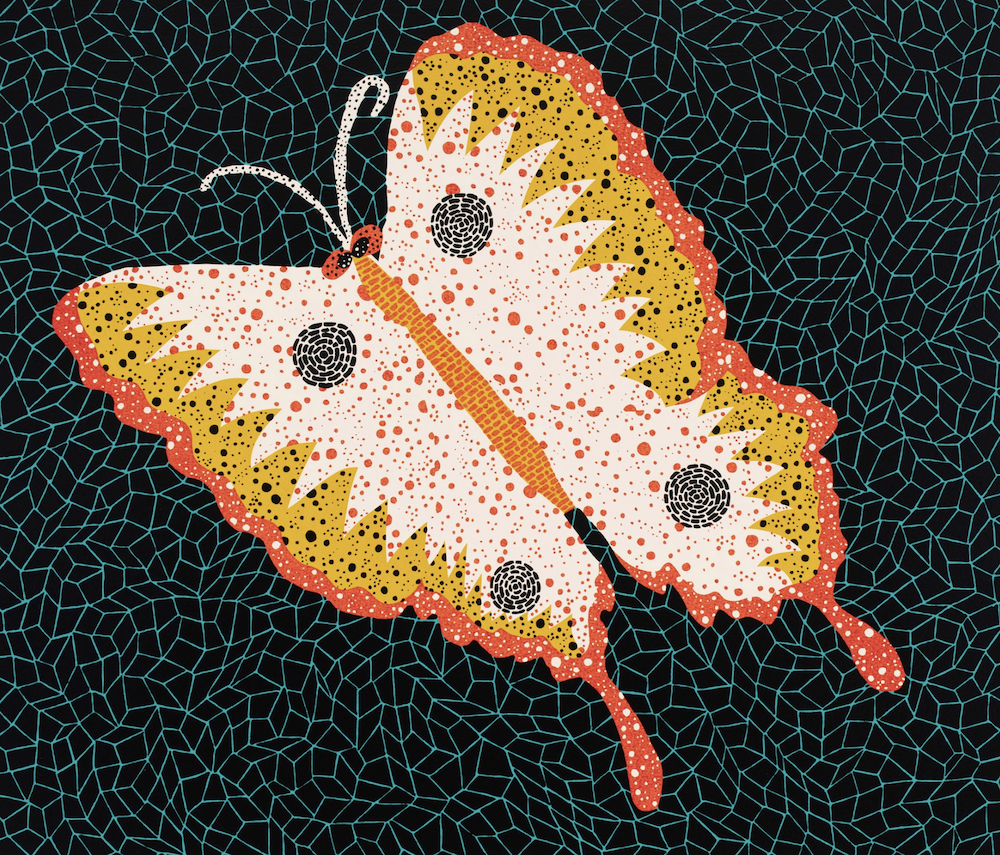
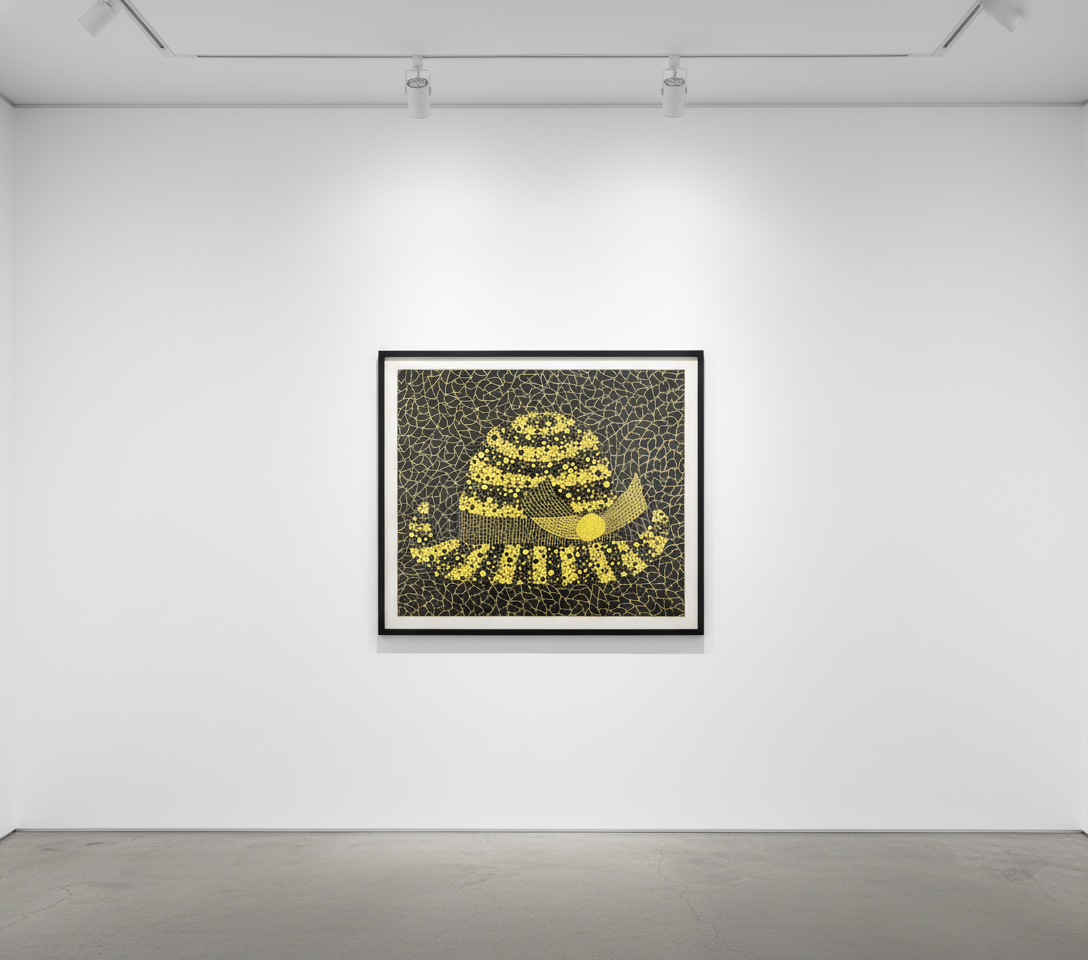
Explore Yayoi Kusama prints for sale at Guy Hepner: Flowers, Fruits, Watermelon, Fauna, Hats & Shoes.
Related Series