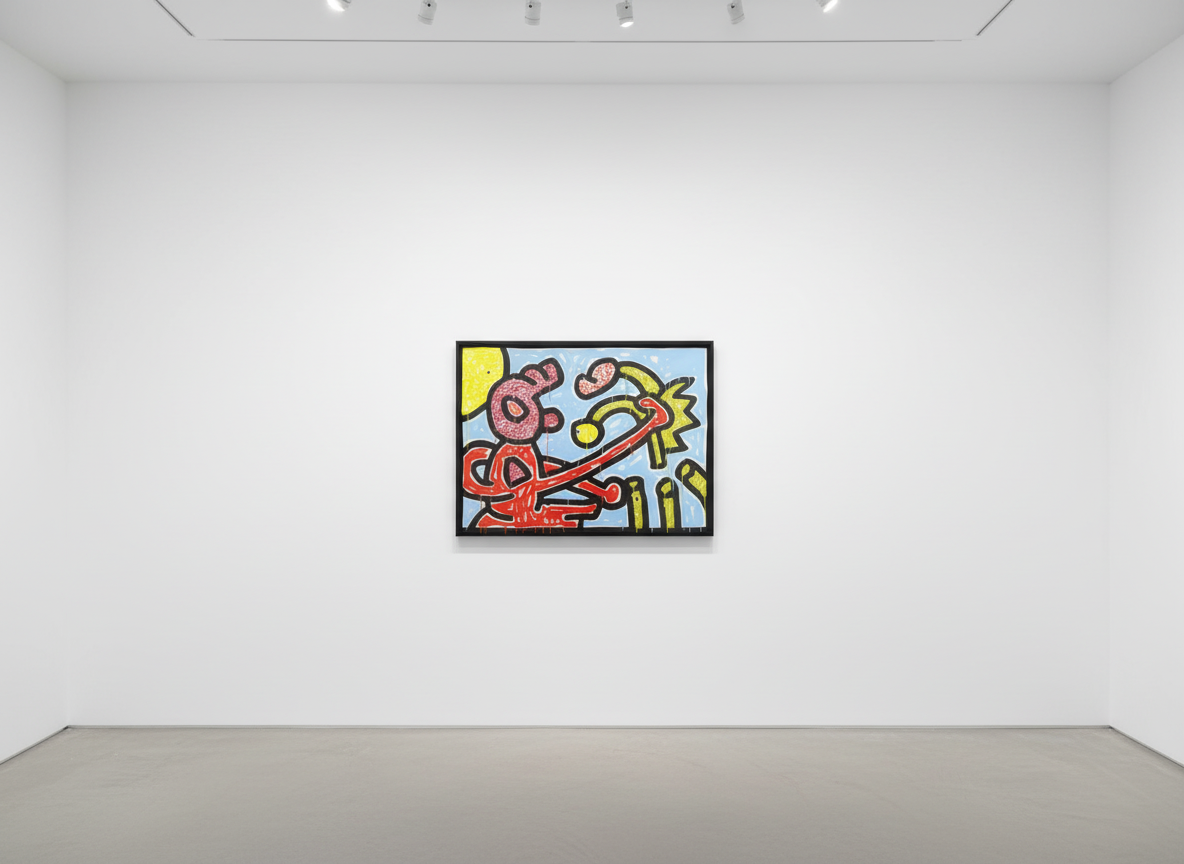
Andy Mouse

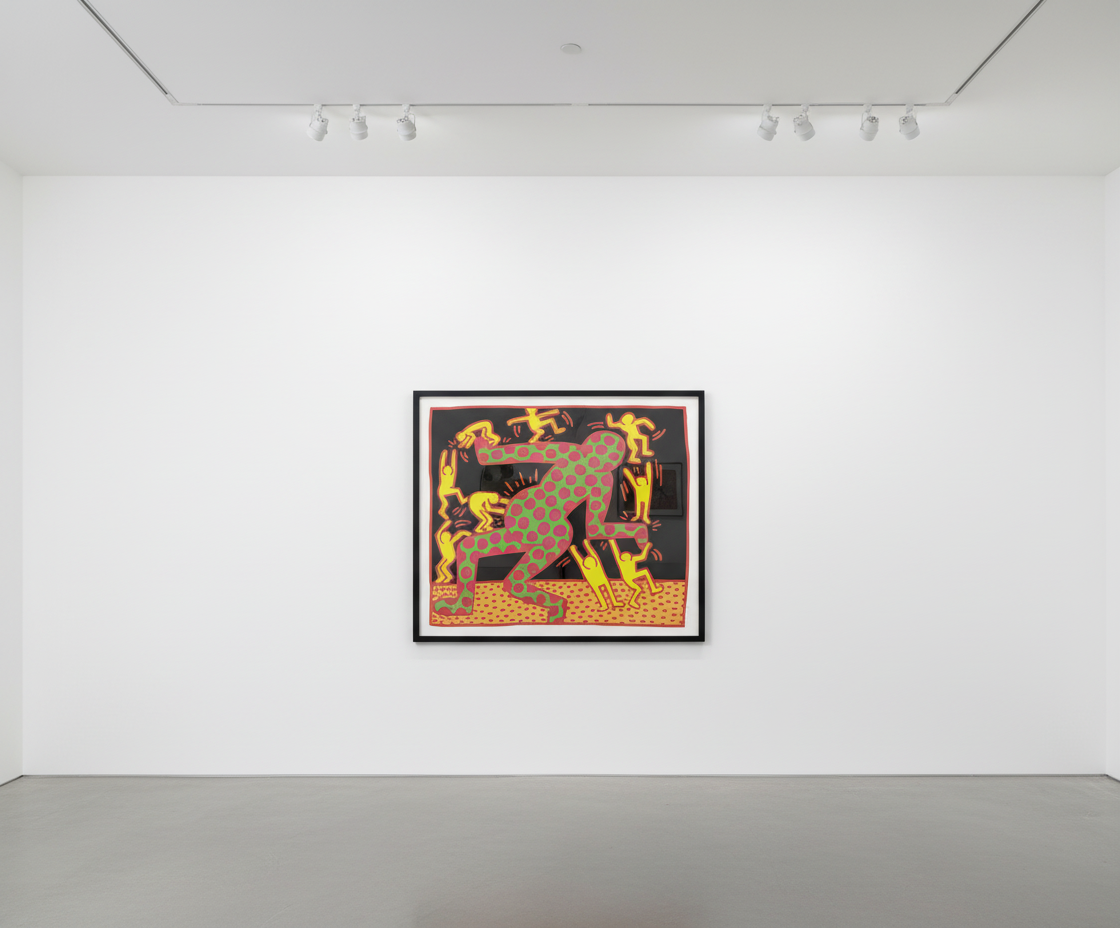
A serious Keith Haring collection is best understood as a set of exposures to a durable visual language rather than a grab-bag of images. The artist who emerged from the New York subway system in the early 1980s created a lexicon of forms - radiant babies, barking dogs, crawling figures, and dancing silhouettes - that transcended the gallery walls and entered global consciousness. Today, three decades after his untimely death in 1990, Keith Haring prints represent one of the most strategically compelling areas of the contemporary art market. For collectors seeking to build meaningful positions or upgrade existing holdings, understanding the architecture of this market is essential.
Keith Haring occupies a singular position in post-war American art. Trained at the School of Visual Arts in New York, he developed a visual vocabulary that was simultaneously accessible and subversive, drawing equally from graffiti culture, Pop Art precedents, and ancient pictographic traditions. His work addressed the most urgent concerns of his era - AIDS awareness, apartheid, nuclear proliferation, and consumer capitalism - while maintaining an aesthetic immediacy that allowed it to communicate across linguistic and cultural boundaries.
What distinguishes Haring from many contemporaries is the deliberate democratisation of his practice. He understood that prints, multiples, and commercial collaborations extended the reach of his visual language far beyond what paintings alone could achieve. This philosophical commitment to accessibility created a robust print market during his lifetime, one that has only deepened in sophistication since. The Art Basel and UBS Global Art Market Report has consistently documented Growing collector appetite for blue-chip contemporary prints, and Haring stands at the centre of this phenomenon.
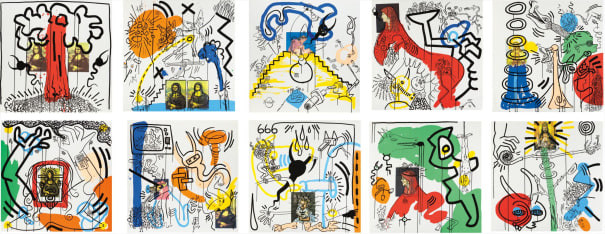
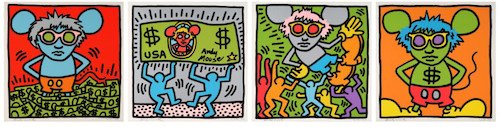
Andy Mouse Portfolio — Keith Haring. Available at Guy Hepner, New York.
The Andy Mouse portfolio exemplifies Haring's strategic brilliance. By merging Mickey Mouse iconography with Andy Warhol's features, Haring created a commentary on American celebrity, commerce, and artistic lineage that remains intellectually resonant while commanding immediate visual recognition. These works demonstrate why Haring prints function not merely as decorative objects but as cultural documents with enduring scholarly and market relevance.
The core strategic fork for any Keith Haring collector remains unchanged across market cycles: lifetime-signed versus estate-stamped material. This distinction carries profound implications for collection building and long-term value appreciation.
Institutions and top private buyers consistently pay premiums for lifetime-signed works because the artist's hand confers both psychological and scholarly value. When Keith Haring signed a print, he authenticated not only its production but its place within his artistic intention. Estate-stamped issues, while fully legitimate and authorised by the Keith Haring Foundation, generally trade as a tier below on long-horizon appreciation curves. This is not a judgment of quality - the prints themselves are identical - but rather a market reality rooted in collector psychology and institutional acquisition policies.
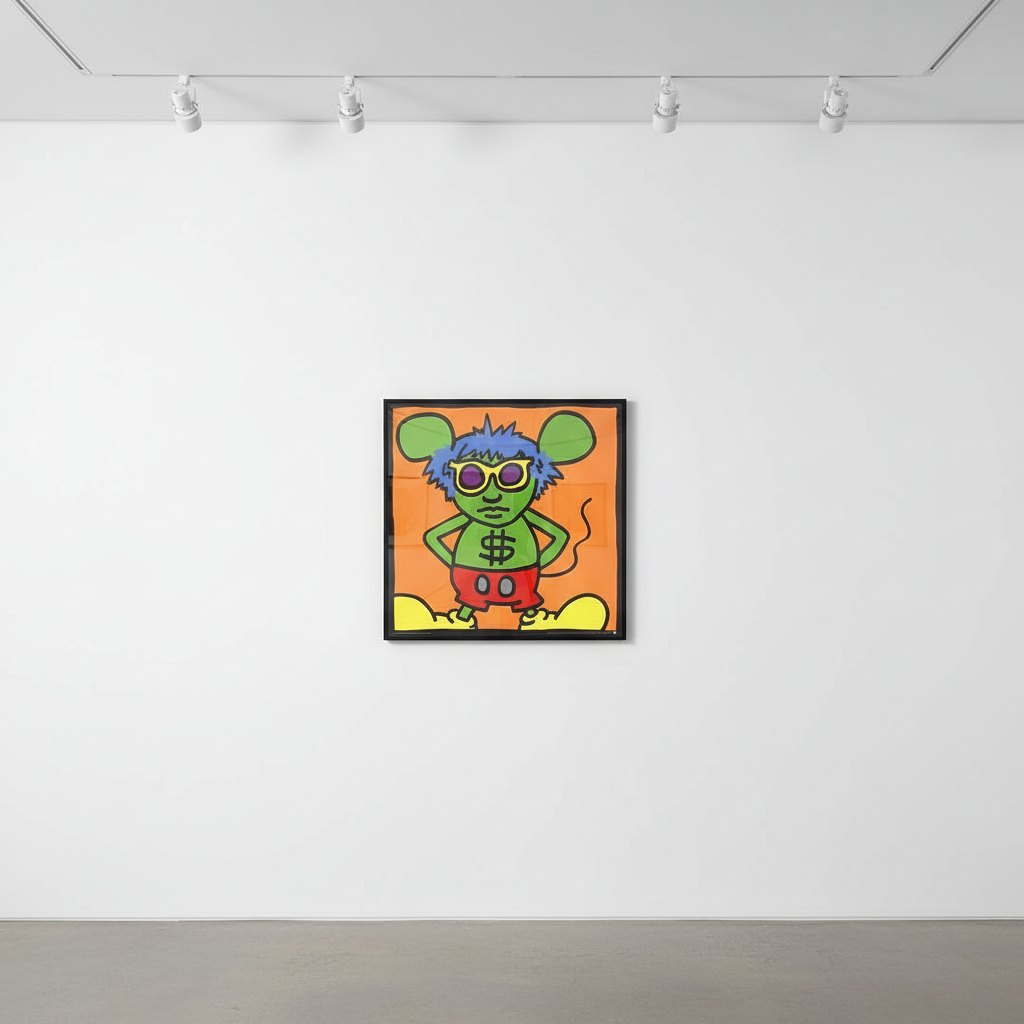
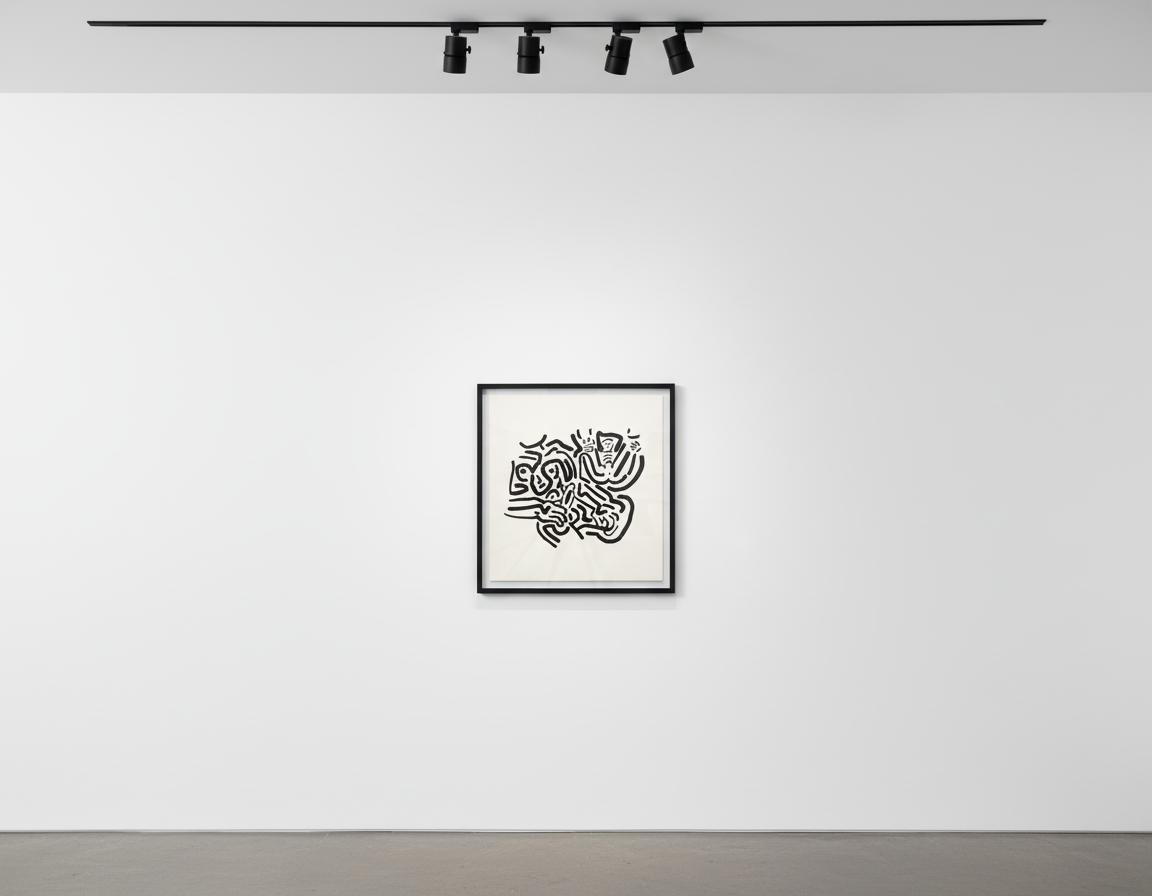
Andy Mouse 4 — Keith Haring. Available at Guy Hepner, New York.
Auction data from Christie's and Sotheby's reveals a consistent pattern: when the market leans in, capital flows first to lifetime-signed complete sets, then to lifetime-signed singles with canonical motifs, and only afterward does it lift estate-stamped impressions. This order of operations has repeated across multiple cycles and helps explain pricing spreads observable today. A collector building for the next twenty years must weigh whether the premium for lifetime-signed material represents a cost or an investment in future liquidity and appreciation.
A short history of the last twenty-five years clarifies why the top of the Keith Haring print market now behaves like a genuine portfolio class rather than a fragmented secondary market.
In the early 2000s, the Haring print market was characterised by consolidation. Major works changed hands infrequently, and pricing remained relatively flat as the broader contemporary market focused on painting and sculpture. The mid-2000s boom began shifting attention toward prints as collectors recognised their combination of accessibility, authenticity, and upside potential. Sotheby's and Christie's expanded their contemporary print offerings significantly during this period, bringing institutional rigour to a category previously dominated by specialist dealers.
The post-2008 recovery accelerated this transformation. As wealth creation globalised, new collectors from Asia, the Middle East, and Latin America entered the market seeking recognisable contemporary material with established provenance. Keith Haring prints offered precisely this combination. Complete sets - particularly lifetime-signed portfolios - became trophy acquisitions, their rarity and completeness distinguishing sophisticated collectors from casual buyers.
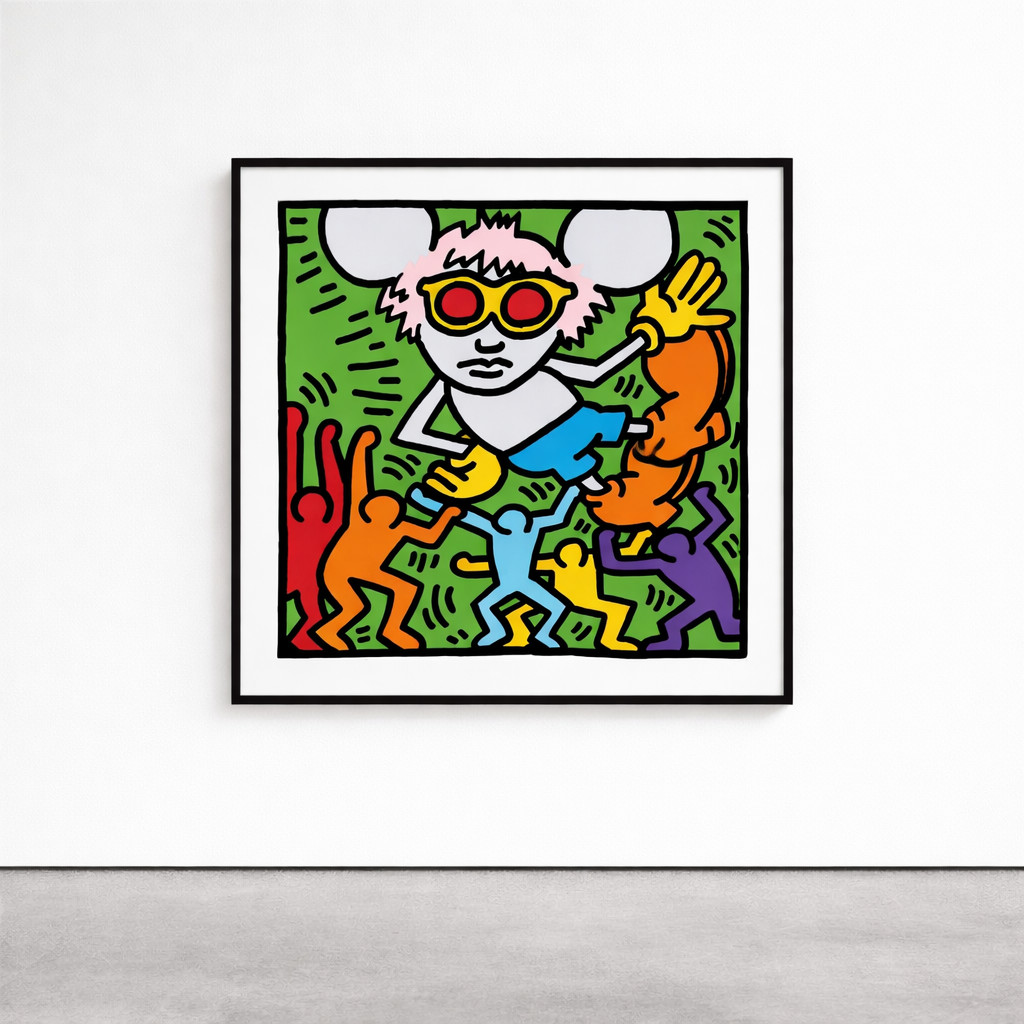
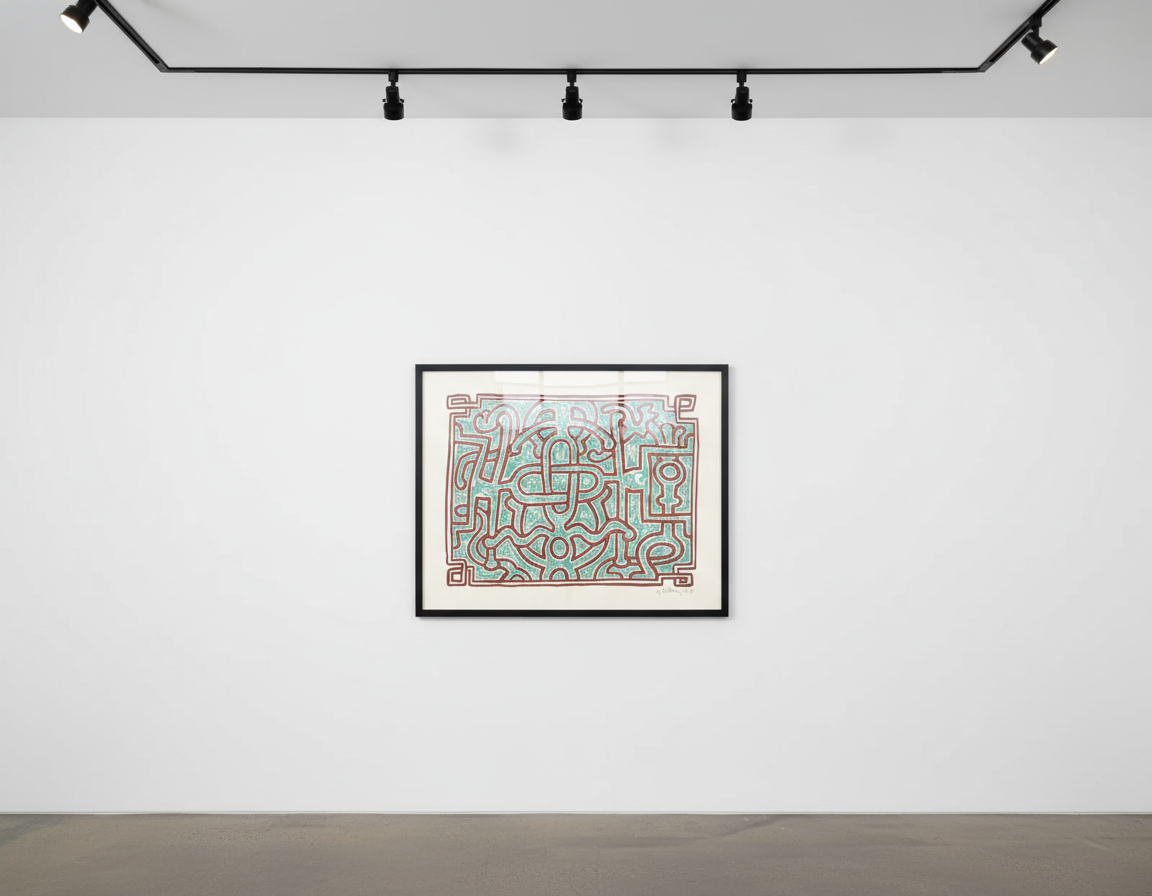
Andy Mouse 2 — Keith Haring. Available at Guy Hepner, New York.
The past decade has witnessed the maturation of Haring prints into a genuine asset class. Auction houses now present major Haring works with the same cataloguing rigour applied to Old Master prints. Condition reporting has standardised. Provenance requirements have tightened. The result is a market with depth, transparency, and genuine liquidity at multiple price points. Collectors can enter with estate-stamped singles and upgrade systematically toward lifetime-signed complete sets, building positions that reflect both aesthetic commitment and strategic thinking.
The question facing collectors today is not whether Keith Haring merits inclusion in serious contemporary holdings - that question was settled years ago. The question is how to build positions that will perform across the next market cycle and beyond.
Complete portfolios offer collectors exposure to the full range of an artist's thinking within a unified presentation. The Andy Mouse series, for instance, functions as a sustained meditation on celebrity, commerce, and artistic inheritance - themes that only grow more relevant as digital culture reshapes our relationship to imagery and authorship. Acquiring complete sets provides both aesthetic coherence and market advantage, as the premium for completeness tends to expand rather than contract over time.
Single plates from iconic series provide liquidity and allow collectors to concentrate on specific images with personal or strategic significance. For those building toward complete sets, acquiring individual impressions represents both an aesthetic pleasure and a step in a longer acquisition strategy.
Guy Hepner maintains a curated inventory of Keith Haring prints, including works from the Andy Mouse portfolio, available for immediate acquisition. Our specialists work with collectors at every stage of the building and upgrading process, providing market intelligence, condition analysis, and strategic guidance. Whether you are acquiring your first Haring print or seeking to upgrade existing holdings with lifetime-signed material, Guy Hepner offers the expertise and inventory depth that serious collectors require.
Explore Keith Haring prints for sale at Guy Hepner: Andy Mouse, Apocalypse, Bad Boys, Chocolate Buddha, Fertility.
Related Series