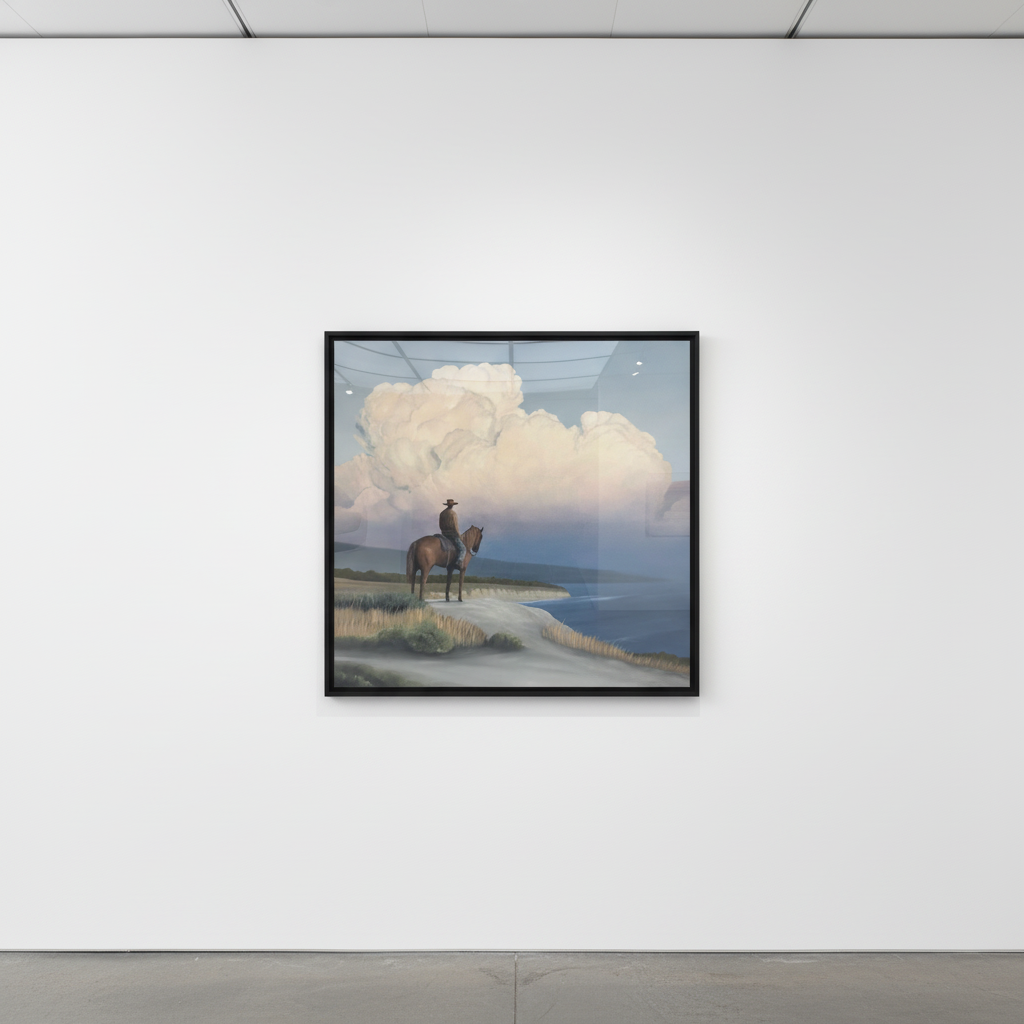
Paintings

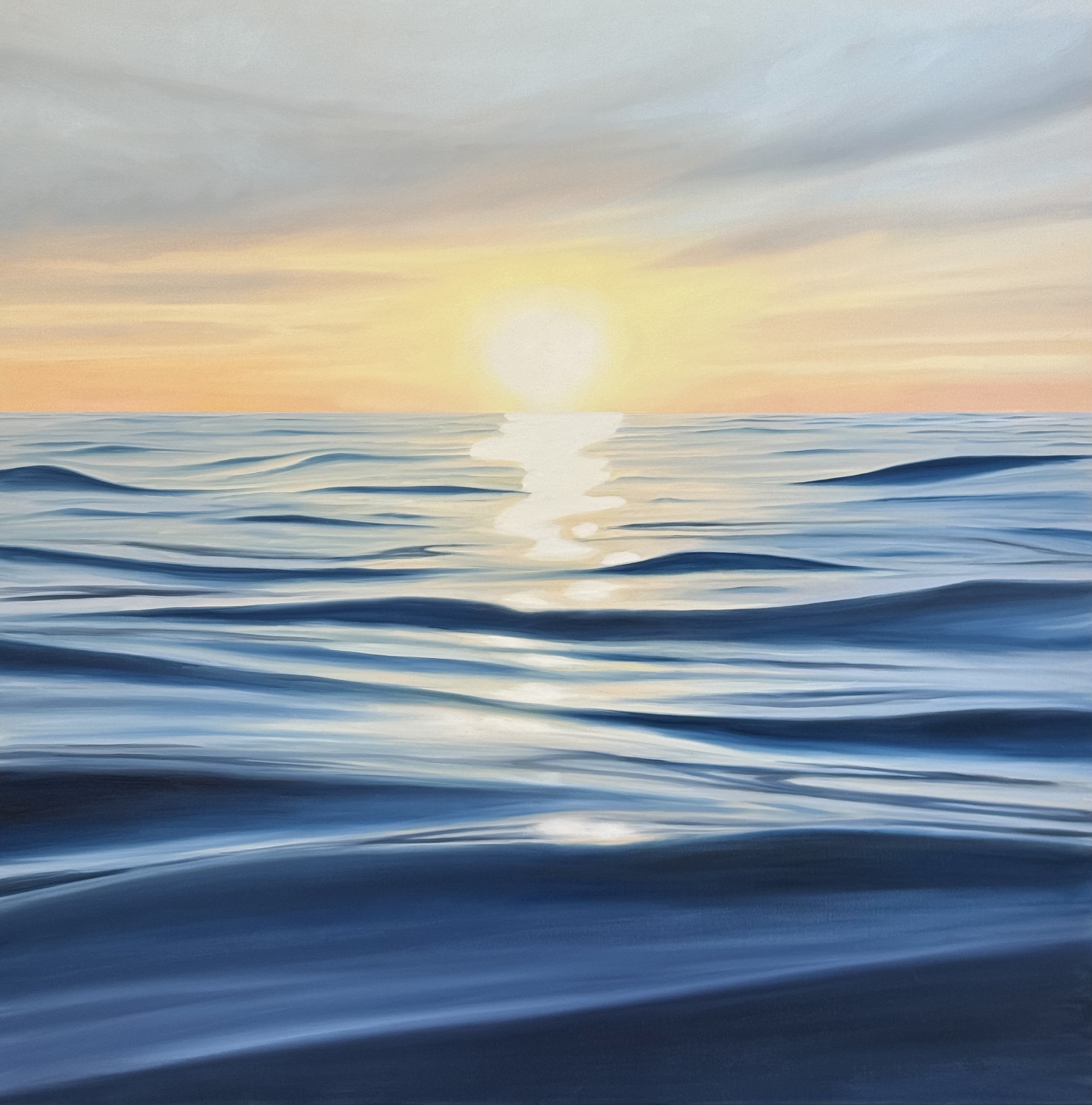
Derek Macara represents a rare convergence in contemporary art - an artist whose biographical circumstances and technical training have aligned to produce work of genuine authenticity and emotional resonance. Born in 1987 in Provincetown, Massachusetts, Macara emerged from one of America's most celebrated art colonies, a community that has nurtured significant artistic talent since the early twentieth century. This heritage alone distinguishes him within the contemporary landscape, but it is the unique synthesis of his lived experience and classical training that positions Derek Macara as an increasingly important voice in marine painting.
Provincetown's artistic legacy runs deep. The town attracted luminaries including Hans Hofmann and Robert Motherwell, establishing itself as a crucible for American modernism. Growing up within this environment, Macara absorbed creative discourse as naturally as the salt air that would later define his subject matter. His formal education took place at the Hawthorne School of Art, an institution founded in the tradition of Charles W. Hawthorne, the renowned portraitist and colorist who established the Cape Cod School of Art in 1899. Hawthorne's emphasis on direct observation and tonal painting continues to influence generations of artists, and this pedagogical lineage is evident in Macara's sophisticated handling of light and atmosphere.
Beyond institutional training, Macara received an informal but equally valuable education in his uncle's studio, where visiting artists gathered and exchanged ideas. This immersive upbringing - surrounded by working painters, engaged in constant dialogue about technique and vision - provided the young artist with an understanding of artistic practice that extends beyond mere technical proficiency to encompass the philosophical and emotional dimensions of image-making.
What truly distinguishes Derek Macara from other contemporary painters working in the marine tradition is his years spent as a commercial fisherman. Before committing fully to his artistic practice, Macara earned his living on the water, experiencing firsthand the ocean's infinite moods and mercurial temperaments. This is not the romanticised sea of studio painters working from postcards and imagination - this is the working Atlantic, understood through physical labour, early mornings, unpredictable weather, and the constant negotiation between human ambition and natural force.
This embodied knowledge manifests in Macara's seascapes with unmistakable authority. His paintings capture the particular quality of light before a storm gathers, the specific green-grey of churning winter waters, the deceptive calm of a summer morning that experienced mariners know can shift within hours. Collectors increasingly value this authenticity, recognising that Macara's work offers something beyond aesthetic pleasure - it provides genuine insight into a world most viewers will never directly experience.
The transition from fisherman to full-time artist represents a narrative that resonates deeply with contemporary collectors. According to the Art Basel and UBS Global Art Market Report, collectors increasingly seek artists whose work emerges from authentic lived experience rather than purely academic or conceptual foundations. Macara's biography satisfies this desire for genuineness while his technical accomplishment ensures the work rewards sustained visual attention.
Derek Macara's creative process exemplifies the contemporary artist's thoughtful integration of traditional and modern methodologies. His practice begins with personal photography - images captured during his continued time on and around the water. These photographs serve as raw material rather than templates, and Macara employs digital editing tools to merge multiple images into composite references that approximate his artistic vision.
This preliminary digital work functions as a sophisticated form of sketching, allowing Macara to explore compositional possibilities and establish the essential architecture of each painting before approaching the canvas. However, the artist maintains a fluid relationship with these references, treating them as guides rather than prescriptions. Once painting begins in earnest, intuition and imagination assume primary importance, and the work evolves through a dialogue between the artist's intentions and the painting's emerging demands.
The actual execution employs classical oil painting techniques, with Macara building his images through careful layering and considered colour relationships. His seascapes achieve a quality that balances crystalline clarity with what might be described as poetic atmosphere - the paintings are precisely observed yet never merely documentary. This equilibrium between accuracy and interpretation positions Macara's work within a distinguished tradition of marine painting while establishing a contemporary voice entirely his own.
The distilled, thoughtfully composed nature of these seascapes reflects both the artist's training in the Hawthorne tradition and his personal aesthetic philosophy. Each painting presents a carefully selected moment - a dory resting in a protected cove, the atmospheric tension preceding a storm - rendered with technical sophistication and emotional intelligence.
The contemporary art market has witnessed renewed interest in representational painting, particularly work that demonstrates genuine technical mastery and authentic subject-matter engagement. Major auction houses including Christie's and Sotheby's have observed strengthening demand for contemporary painters working in established genres who bring fresh perspectives and personal authority to their chosen subjects. Derek Macara's emergence aligns with this broader market trajectory, and his work has attracted serious collector attention from those seeking to identify significant talent in earlier career stages.
Marine painting occupies a particular position within this landscape. The genre carries historical weight - from the Dutch Golden Age through American luminism to contemporary practitioners - yet remains underrepresented among emerging artists with Macara's combination of biographical authenticity and technical refinement. Collectors recognising this scarcity have begun acquiring his work with the understanding that artists of his calibre and background appear infrequently.
The investment case for Derek Macara extends beyond market considerations to encompass the more fundamental collector motivation of living with compelling art. His paintings reward daily viewing, revealing subtleties of colour and atmosphere that unfold over extended engagement. They function as windows onto a world most collectors cannot access directly - the working waterfront, the fisherman's knowledge of weather and wave - while satisfying sophisticated visual appetites developed through exposure to historical and contemporary masterworks.
Guy Hepner is pleased to offer works by Derek Macara to discerning collectors seeking exceptional contemporary marine painting. Our gallery specialists possess extensive knowledge of the artist's oeuvre and can guide acquisitions across available inventory. We invite collectors to contact Guy Hepner directly to discuss available works by Derek Macara, request additional documentation, or arrange private viewings at our New York gallery.
Related Series