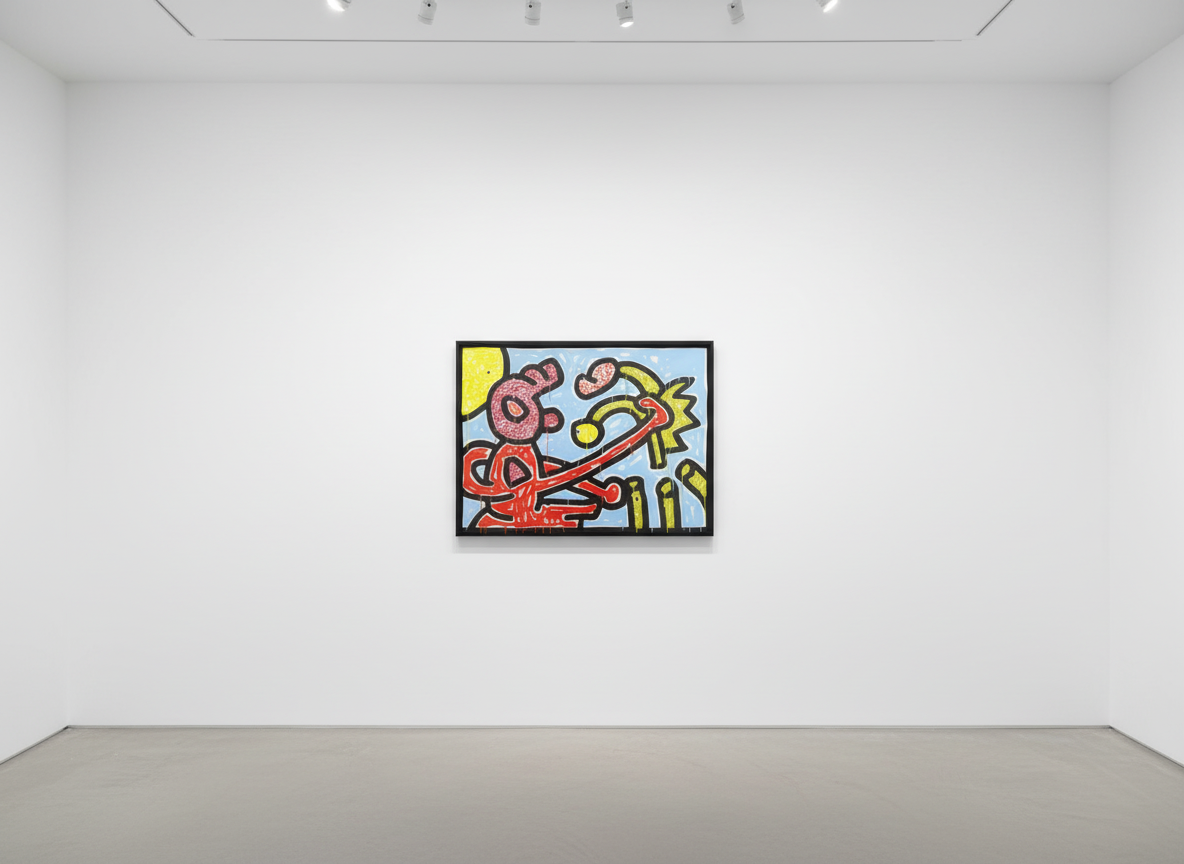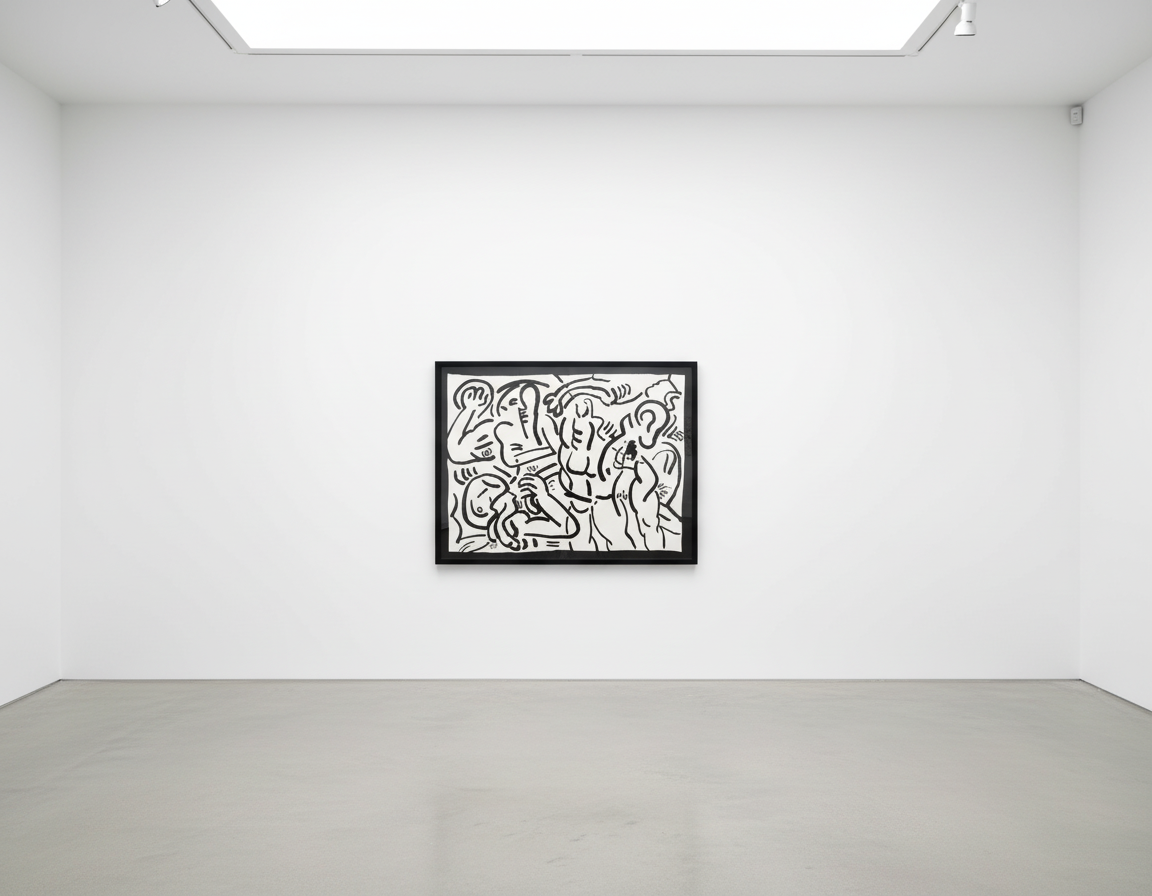
Bad Boys

Keith Haring's bold lines, vibrant colors, and instantly recognizable figures transformed him into one of the most significant artists of the late 20th century. While much of the public remembers Haring for his graffiti-inspired murals and tireless advocacy work during the AIDS crisis, his formative years in rural Pennsylvania reveal a much deeper narrative - one of an artist shaped by childhood curiosity, cultural exposure, and an unwavering commitment to making art accessible to all. Understanding Keith Haring's beginnings in the small town of Kutztown sheds essential light on how his youthful energy and unique visual language evolved into a powerful artistic force that continues to captivate collectors and institutions worldwide.
Keith Haring was born on May 4, 1958, in Reading, Pennsylvania, and raised in the nearby town of Kutztown - a modest community that would prove instrumental in shaping his artistic sensibilities. As the eldest of four siblings in a close-knit, middle-class family, Haring grew up in an environment that encouraged creative expression from the earliest age. His father, Allen Haring, was an amateur cartoonist who worked as an engineer, and this dual influence of technical precision and imaginative illustration played a pivotal role in young Keith's developing interest in drawing.
The Haring household fostered creativity as a fundamental value, and Keith found himself surrounded by cartoon characters, comic books, and animated imagery that would later inform his distinctive visual vocabulary. From an early age, he demonstrated a keen interest in replicating beloved characters like Mickey Mouse and Dr. Seuss creations, absorbing the simplified forms and bold outlines that would eventually become hallmarks of his mature style. This early exposure to popular visual culture - the democratic art of comics and cartoons available to everyone - planted the seeds of Haring's lifelong belief that art should transcend elite boundaries and speak directly to ordinary people.
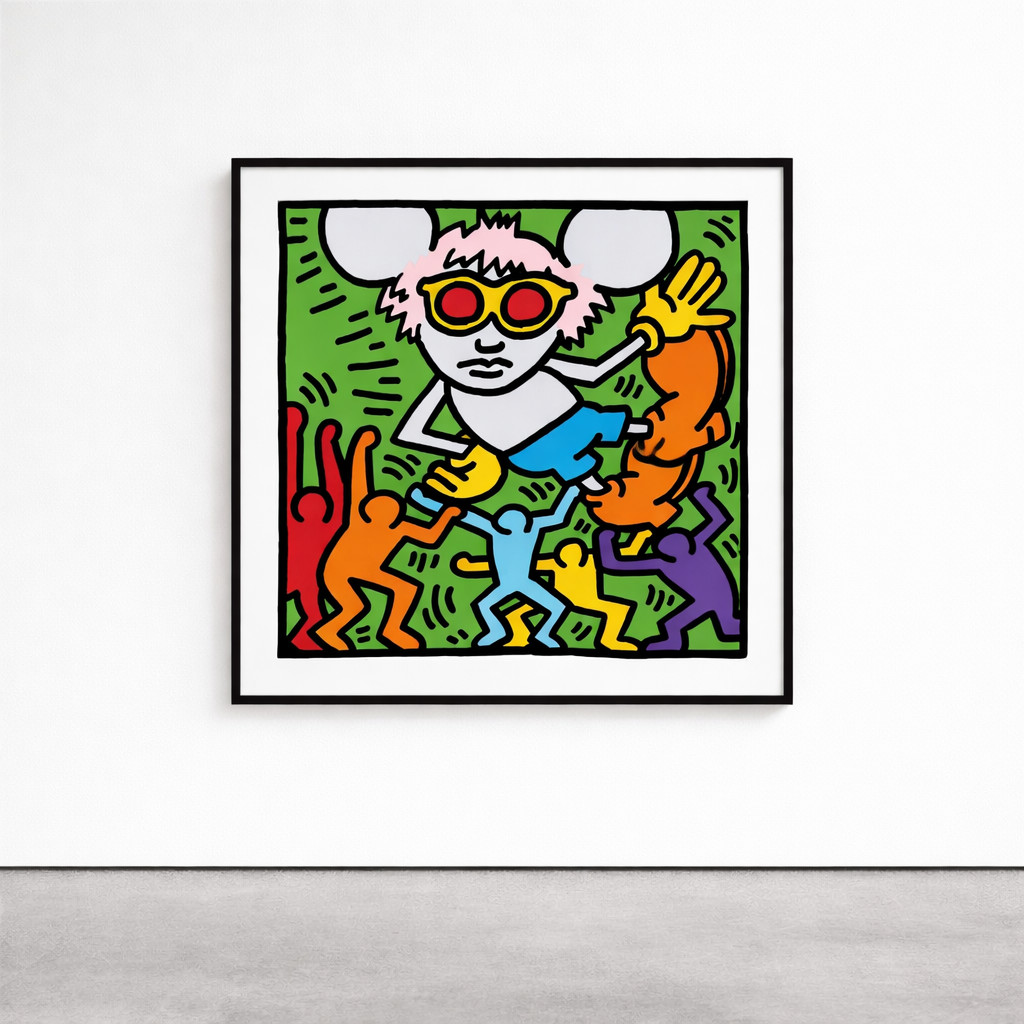
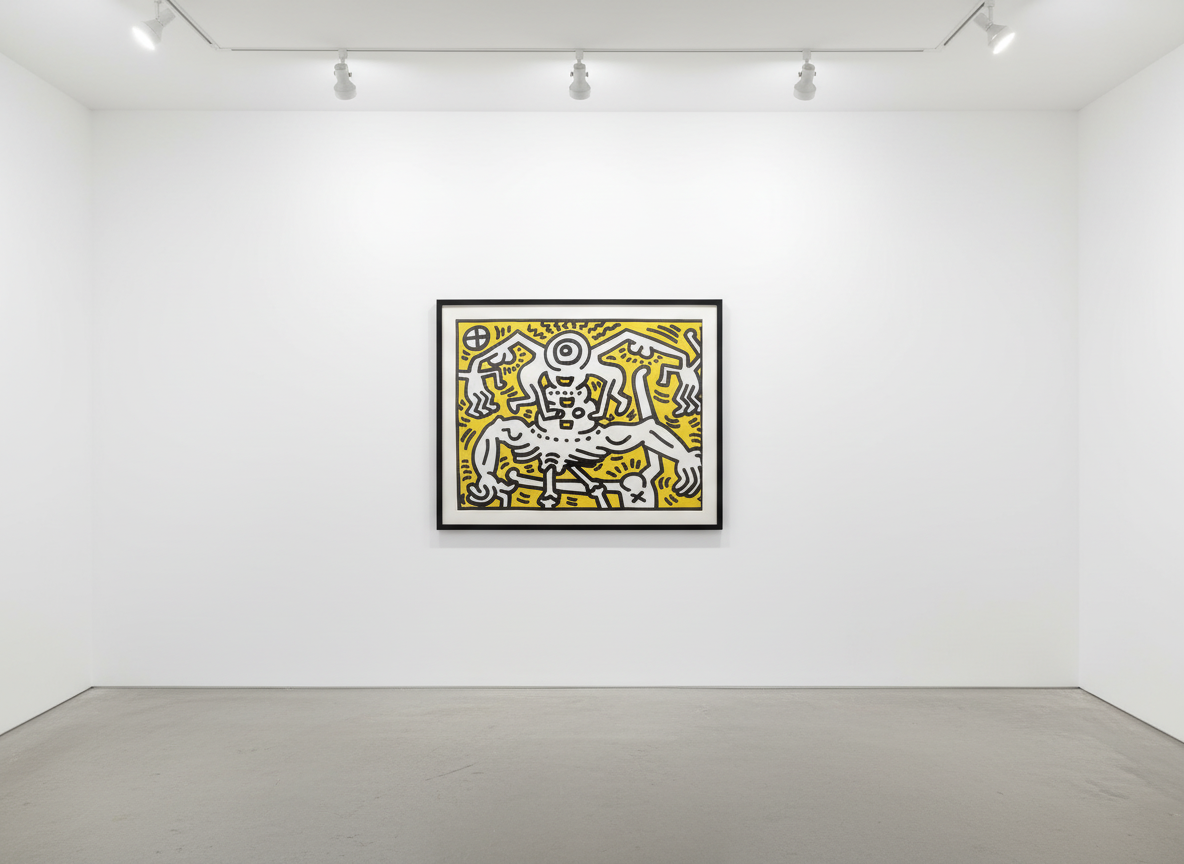
Untitled III (Littmann PP. 20) — Keith Haring. Available at Guy Hepner, New York.
The cultural landscape of 1960s and 1970s Pennsylvania, while seemingly removed from the art world centers of New York and Los Angeles, provided Haring with a unique perspective. The Pennsylvania Dutch folk art traditions visible throughout the Kutztown region, with their bold graphic symbols and repetitive patterns, unconsciously influenced his developing aesthetic. These vernacular art forms demonstrated that powerful visual communication did not require academic training or institutional approval - a lesson Haring would carry throughout his career.
After graduating from Kutztown Area High School in 1976, Haring briefly enrolled at the Ivy School of Professional Art in Pittsburgh, where he studied commercial art. However, he quickly recognized that the conventional path of commercial illustration could not contain his ambitions. This realization prompted his pivotal move to New York City in 1978, where he enrolled at the School of Visual Arts and immersed himself in the downtown art scene that was revolutionizing contemporary culture.
The transition from Kutztown to Manhattan represented more than a geographic shift - it marked Haring's transformation from a talented young artist into a cultural phenomenon. In New York, he discovered the vibrant street art movement, the emerging hip-hop culture, and a community of artists who shared his belief in breaking down barriers between high art and popular expression. Yet the values instilled during his Pennsylvania childhood - accessibility, clarity of communication, and genuine connection with audiences - remained central to his practice.
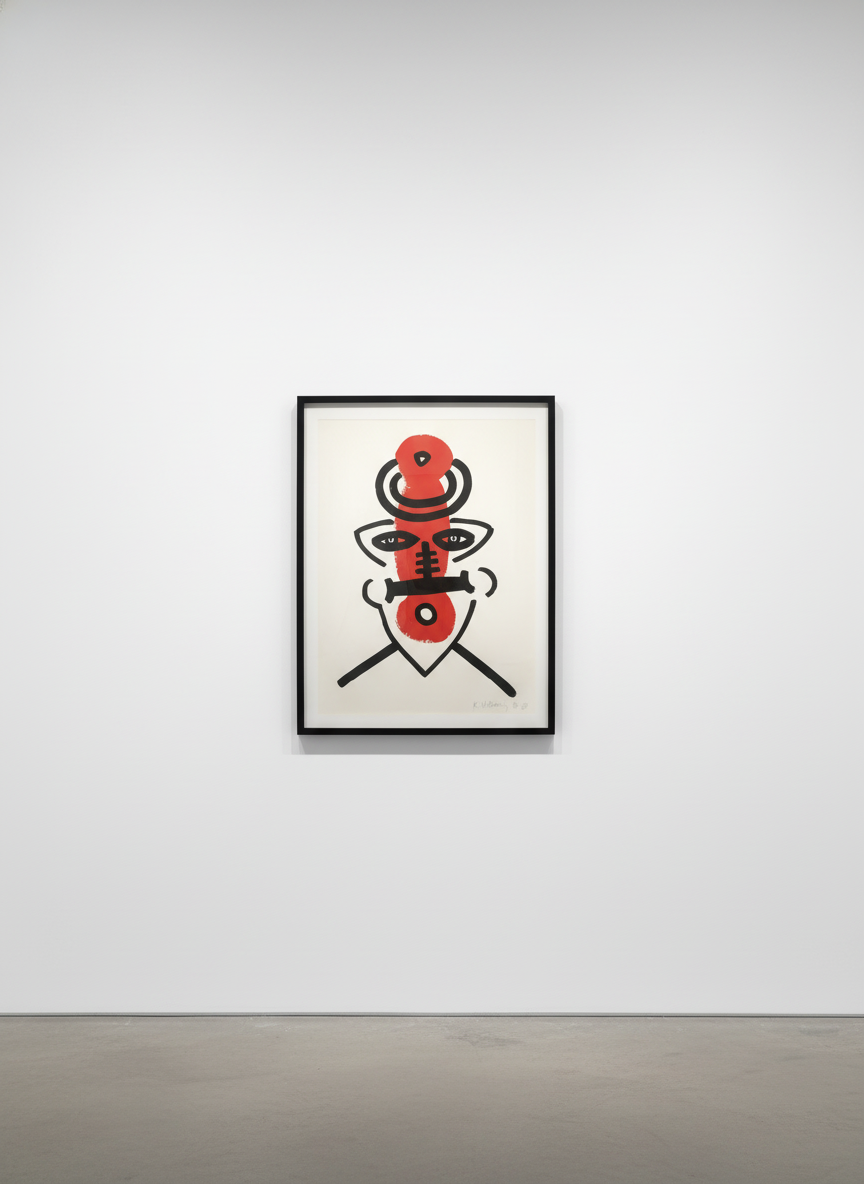
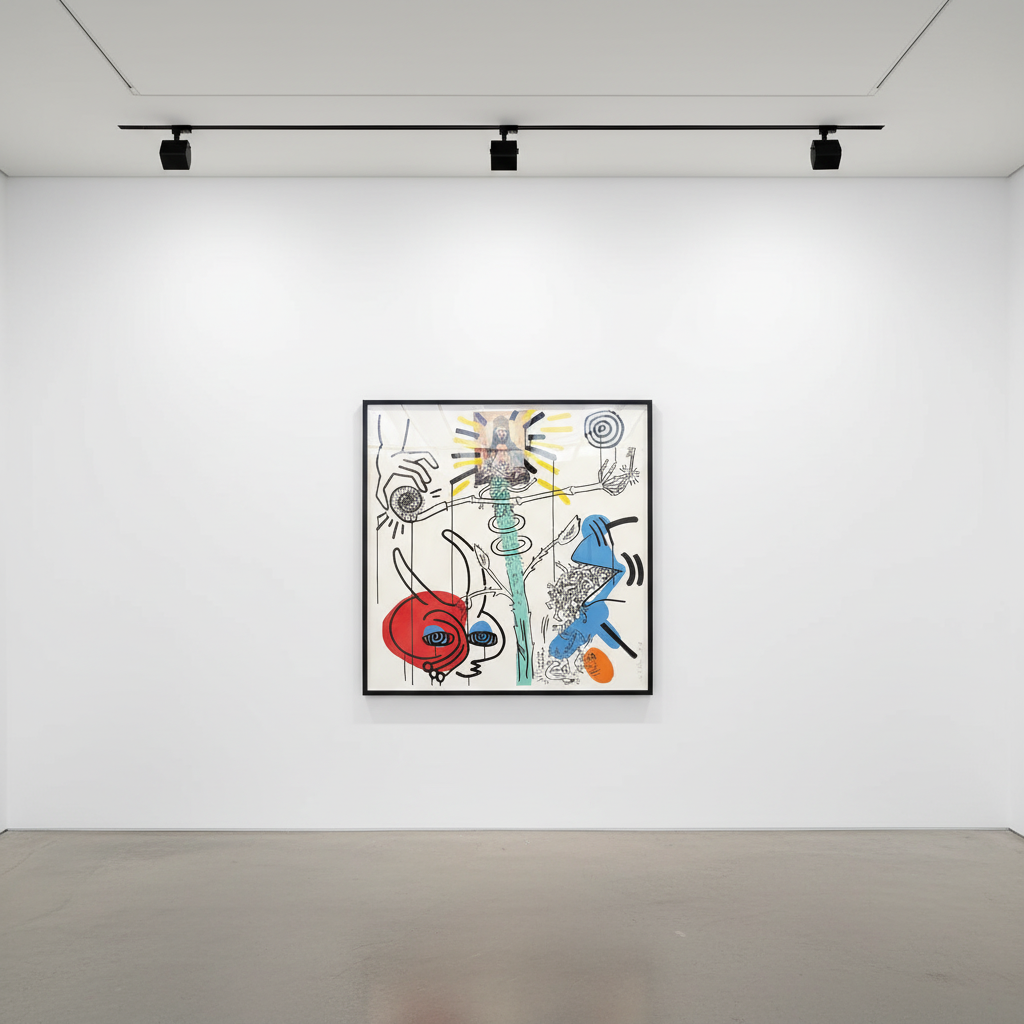
The Story of Red and Blue 9 (Littmann PP. 131) — Keith Haring. Available at Guy Hepner, New York.
Haring's subway drawings, created with white chalk on the blank black advertising panels of New York City subway stations, exemplified this synthesis of small-town accessibility and urban innovation. These ephemeral works, seen by thousands of daily commuters, embodied the artist's conviction that art belonged to everyone. The radiant baby, barking dog, and dancing figures that emerged during this period drew directly from the cartoon vocabulary of his childhood while addressing urgent contemporary concerns about technology, sexuality, and social justice.
The art market has consistently recognized Keith Haring's enduring importance, with his works achieving remarkable results at major international auctions. According to data from Christie's and Sotheby's, Haring's pieces have demonstrated strong appreciation across all categories, from unique paintings to his celebrated prints and multiples. The 2024 Art Basel and UBS Art Market Report highlighted the continued strength of post-war and contemporary American artists, with Haring representing a particularly compelling intersection of historical significance and collector demand.
What distinguishes Haring in the current market is the accessibility that defined his entire philosophy. Unlike many artists of comparable stature, Haring intentionally created works across multiple price points - from museum-quality paintings to affordable Pop Shop editions - ensuring that collectors at various levels could participate in his artistic vision. This democratic approach, rooted in his Kutztown upbringing, has created a robust and diverse collector base that spans institutions, established collectors, and emerging enthusiasts.
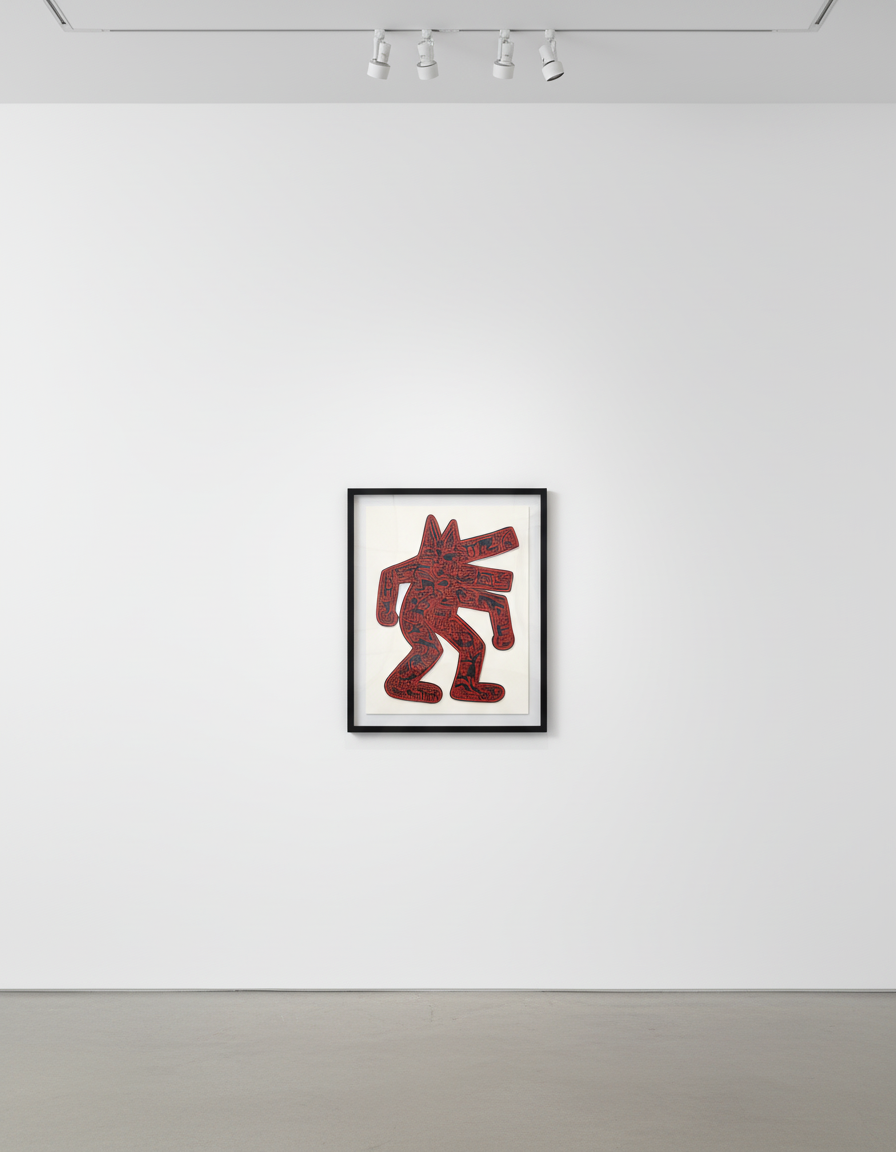
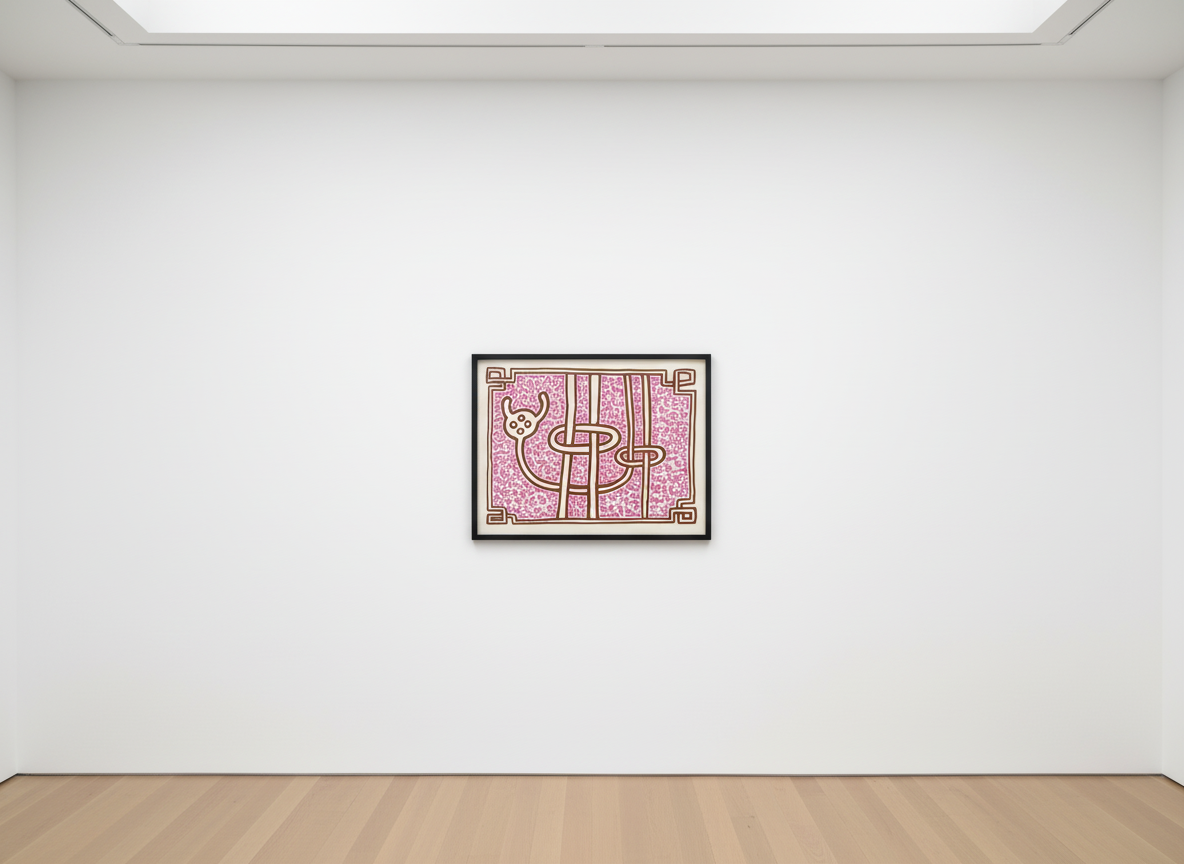
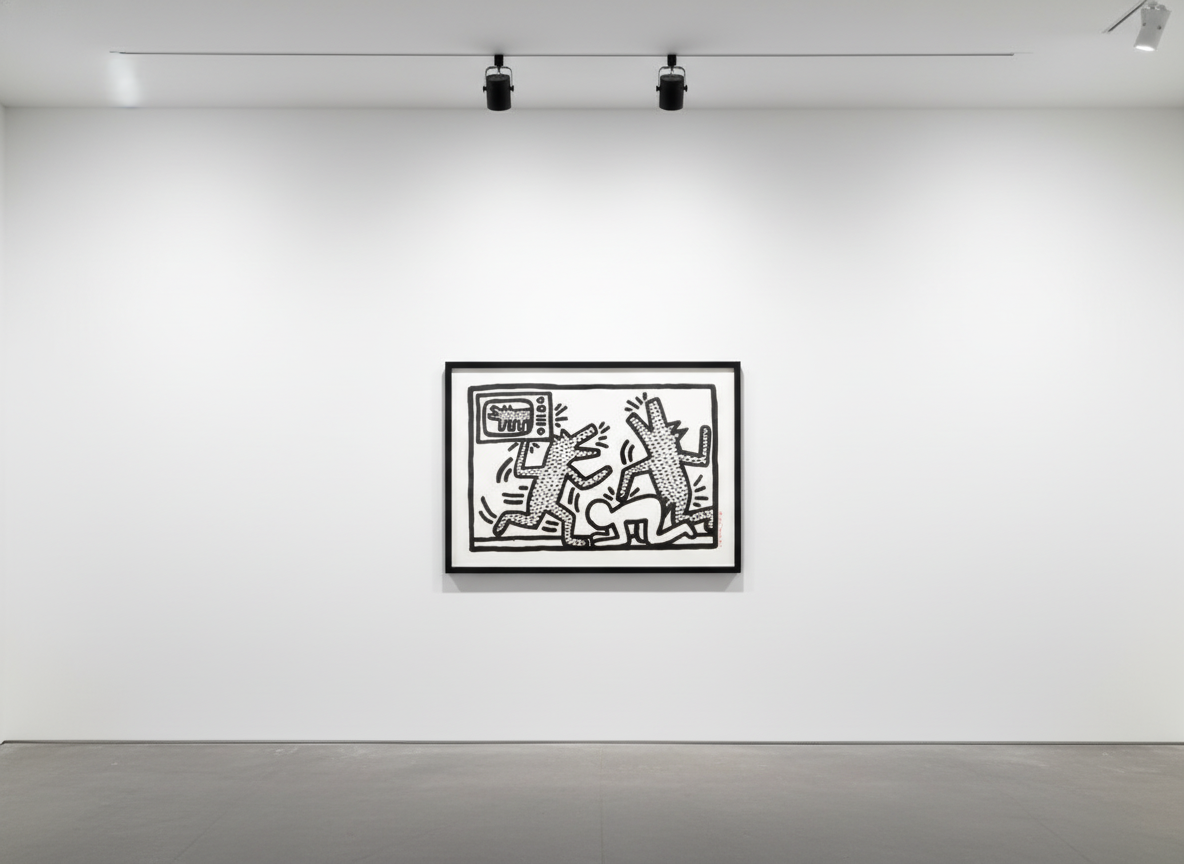
Dog — Keith Haring. Available at Guy Hepner, New York.
The biographical narrative connecting Haring's humble Pennsylvania origins to his global impact adds considerable depth to his market appeal. Collectors today are increasingly drawn to artists whose personal histories reflect authenticity and purpose, and Haring's journey from the boy from Kutztown to international icon represents precisely this compelling trajectory. His works carry not merely aesthetic value but embody a philosophy of art-making that remains profoundly relevant in contemporary discourse about accessibility, activism, and the social responsibility of artists.
Guy Hepner is proud to offer an exceptional selection of Keith Haring works, including significant prints and editions that represent the artist's most iconic imagery. Our gallery specializes in assisting collectors seeking to acquire works by this transformative American artist, providing expert guidance on provenance, condition, and market positioning. Whether you are building a comprehensive collection or acquiring your first Haring piece, our team offers personalized consultation to match exceptional works with discerning collectors. Contact Guy Hepner today to inquire about available Keith Haring artworks and discover how the boy from Kutztown PA continues to inspire generations of art enthusiasts worldwide.
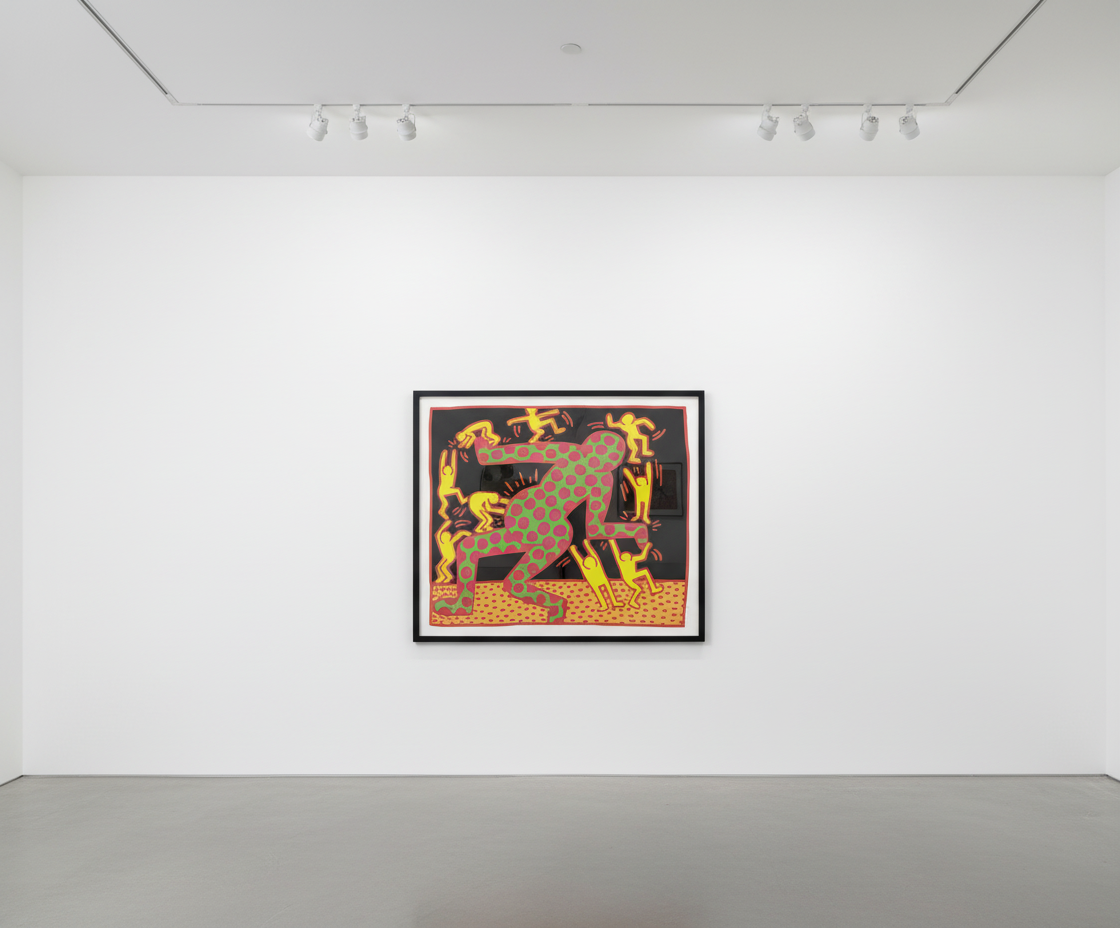
Explore Keith Haring prints for sale at Guy Hepner: Bad Boys, Andy Mouse, Apocalypse, Chocolate Buddha, Fertility.
Related Series