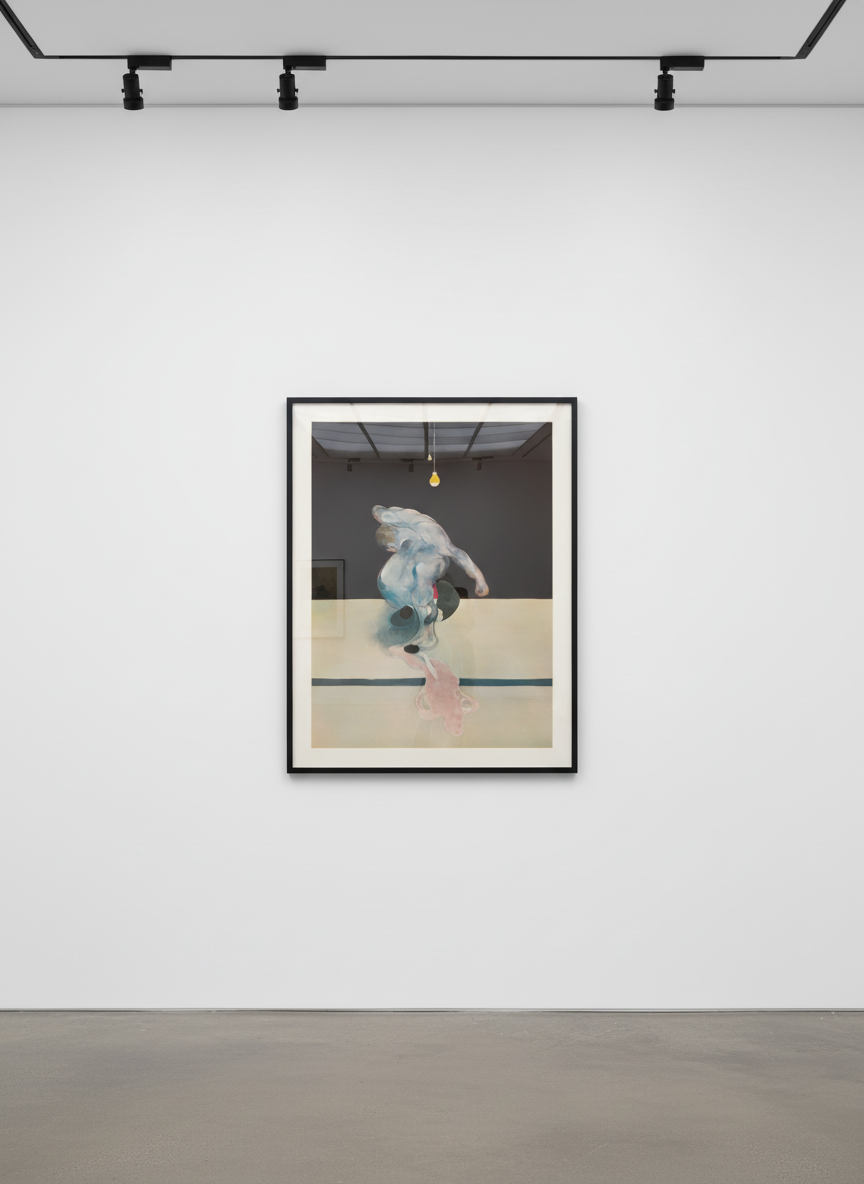
Prints & Editions

Francis Bacon remains one of the most powerful and influential artists of the 20th century. His raw, visceral works depicting the human form in distorted, often unsettling ways have captivated collectors, art historians, and institutions worldwide. His original paintings regularly command tens of millions at auction, establishing him as a cornerstone of the post-war art market. However, for many discerning collectors, limited edition Francis Bacon prints provide a more accessible yet equally compelling entry point into his extraordinary body of work. In this comprehensive guide to collecting Francis Bacon prints, we explore the artist's history, legacy, artistic significance, distinctive style, and the robust market for his printed editions.
Francis Bacon was born in Dublin, Ireland, in 1909 to British parents. His early life was marked by considerable turmoil, including a strained relationship with his authoritarian father and profound struggles with his sexuality in an era of widespread intolerance. After being expelled from the family home as a teenager, Bacon moved to London in the 1920s, where he initially worked as an interior decorator and furniture designer before fully committing to painting in the late 1930s.
Bacon's career achieved its pivotal breakthrough in the 1940s with the groundbreaking Three Studies for Figures at the Base of a Crucifixion, completed in 1944. This triptych shocked post-war audiences with its grotesque, screaming figures - hybrid creatures that seemed to embody the trauma and existential dread of a world emerging from unprecedented violence. The work established Bacon's reputation as a fearless provocateur unafraid to confront viewers with the darker aspects of human existence.
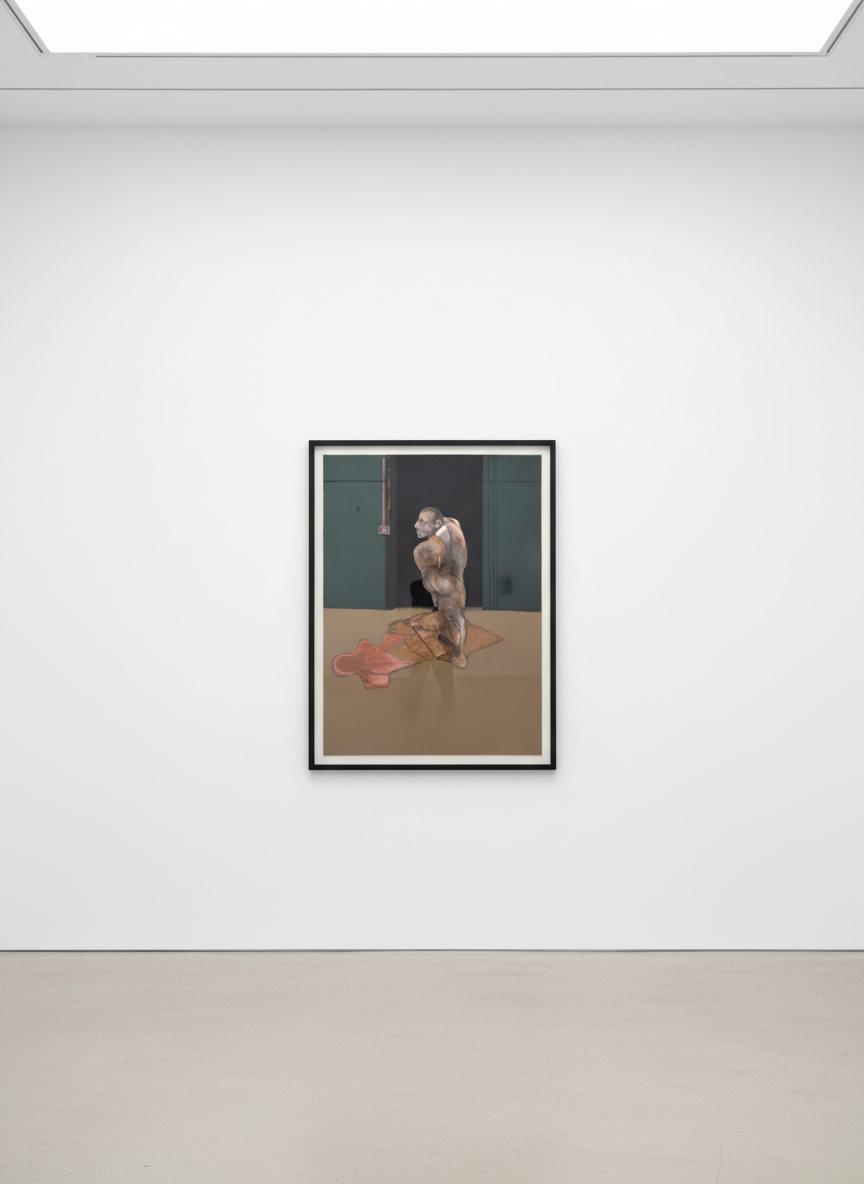
Study For A Portrait of John Edwards — Francis Bacon. Available at Guy Hepner, New York.
Over the following decades, Bacon produced some of the most memorable and disturbing images in modern art. His screaming popes, inspired by Velázquez's Portrait of Pope Innocent X, became iconic representations of isolated authority figures trapped within geometric cages. His portraits of friends and lovers - including George Dyer, Lucian Freud, and John Edwards - revealed an intimate yet unflinching examination of the human condition. Bacon continued working prolifically until his death in Madrid in 1992, leaving behind a body of work that continues to influence contemporary artists and command scholarly attention worldwide.
While Bacon is primarily celebrated for his monumental paintings, his limited edition prints hold particular significance within his oeuvre. Unlike many artists who treated printmaking as a secondary pursuit, Bacon approached the medium with the same intensity and perfectionism that characterised his paintings. His prints are not mere reproductions but carefully authorised editions that capture the essential qualities of his most important compositions.
The technical execution of Francis Bacon prints demonstrates remarkable fidelity to his original vision. Working with master printers, Bacon ensured that the visceral textures, the distinctive flesh tones, and the psychological intensity of his paintings translated effectively into the printed medium. Works such as Study for Self-Portrait and Seated Figure exemplify how Bacon's prints preserve the unsettling presence of his painted subjects while offering collectors a different material experience.
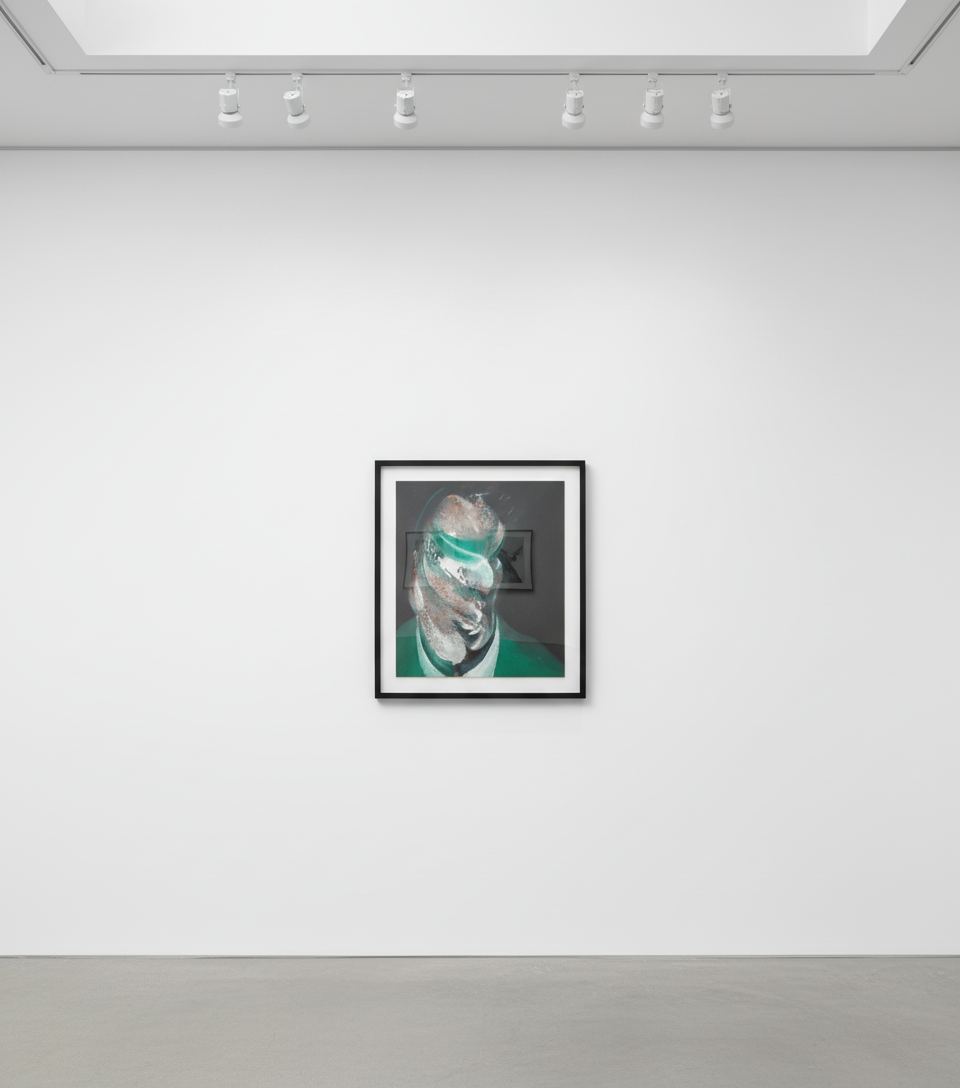
Portrait of Freud — Francis Bacon. Available at Guy Hepner, New York.
Bacon's prints typically derive from his most significant paintings and series, making them invaluable documents of his artistic development. The Triptych March 1974 prints, for instance, memorialise one of his most emotionally charged works - created in response to the death of his partner George Dyer. Similarly, his Portrait of Freud captures the complex relationship between two titans of twentieth-century British art. For collectors unable to acquire original paintings, these prints provide authentic access to Bacon's most important artistic statements.
The relative scarcity of Francis Bacon prints adds to their desirability. Bacon was selective about authorising printed editions, and many were produced in limited numbers with careful attention to quality. This restraint has ensured that his prints retain both artistic integrity and collector appeal, distinguishing them from the mass-produced reproductions that diminish the legacy of lesser artists.
The market for Francis Bacon prints reflects the artist's elevated status within the broader art world. According to data compiled by Art Basel and UBS in their annual art market reports, post-war and contemporary art continues to drive significant collector interest, with blue-chip artists like Bacon maintaining strong demand across market cycles. His prints offer relative stability compared to emerging artists while providing genuine appreciation potential.
At major auction houses including Christie's and Sotheby's, Francis Bacon prints consistently achieve strong results. Rare editions in excellent condition regularly exceed pre-sale estimates, demonstrating sustained collector appetite. The market particularly values prints with clear provenance, complete documentation, and optimal preservation - factors that sophisticated collectors should prioritise when building their holdings.
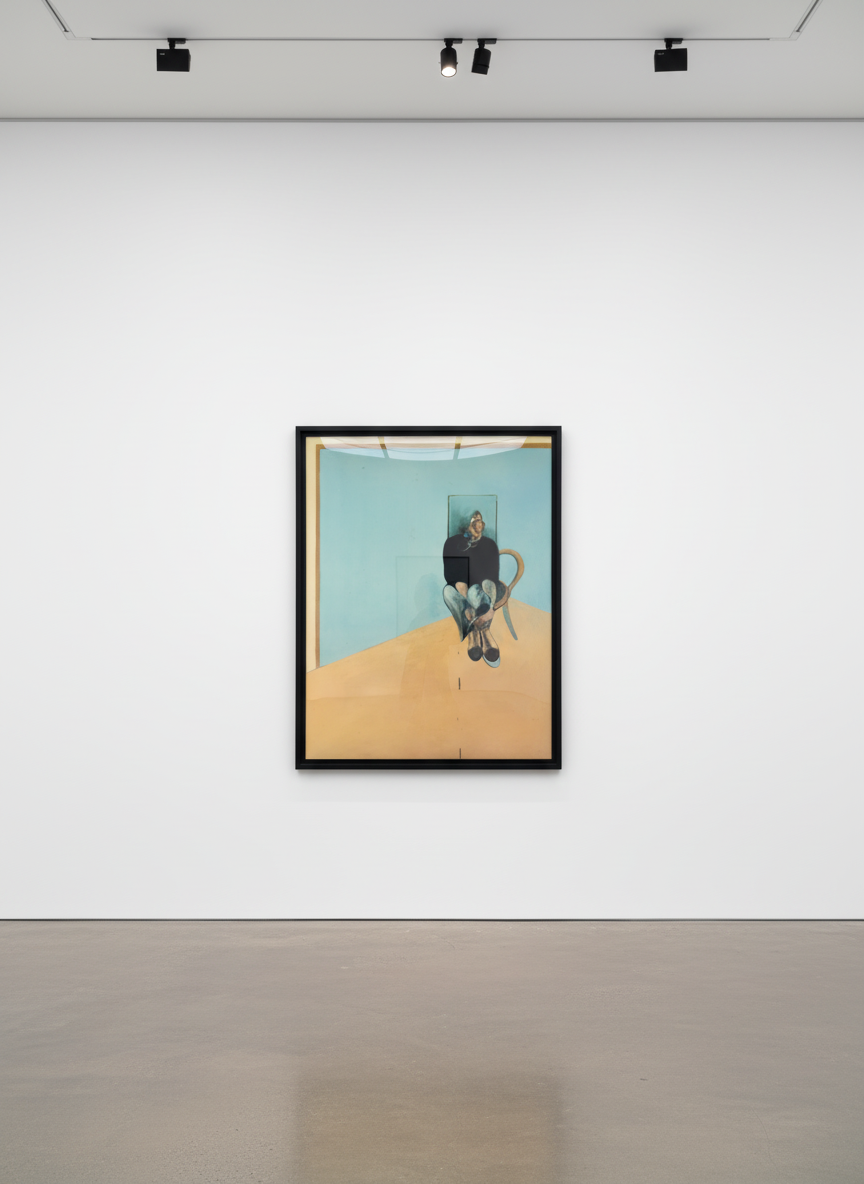
Study for Self Portrait , after Study for Self Portrait 1982 — Francis Bacon. Available at Guy Hepner, New York.
For collectors, Francis Bacon prints represent a compelling proposition across multiple considerations. From an aesthetic standpoint, they deliver the psychological intensity and formal innovation that define Bacon's artistic achievement. From an investment perspective, they offer exposure to an artist whose market position is thoroughly established, with major works held in prestigious institutional collections worldwide. From a practical standpoint, prints provide an accessible format that can be displayed in domestic settings where large-scale paintings would prove impractical.
Collectors should approach acquisitions with appropriate diligence. Authentication remains paramount, as the value differential between genuine Bacon prints and unauthorised reproductions is substantial. Condition reports should be carefully reviewed, as works on paper are susceptible to environmental damage. Edition numbers and documentation should be verified through reputable sources. Working with established galleries that specialise in secondary market works by significant artists provides essential protection and expertise.
Guy Hepner is proud to offer collectors access to exceptional Francis Bacon prints, including significant works such as Study For A Portrait of John Edwards, Portrait of Freud, Study for Self-Portrait, Seated Figure, and Triptych March 1974. Our gallery provides comprehensive authentication, detailed condition reports, and expert guidance to ensure collectors acquire works of impeccable quality and provenance. Whether you are establishing a new collection or expanding existing holdings, our team offers the knowledge and discretion that discerning collectors expect. Contact Guy Hepner today to inquire about available Francis Bacon prints and begin your journey into the work of this incomparable artist.
Explore Francis Bacon prints for sale at Guy Hepner: Prints & Editions, Edition of 150.
Related Series