Icons

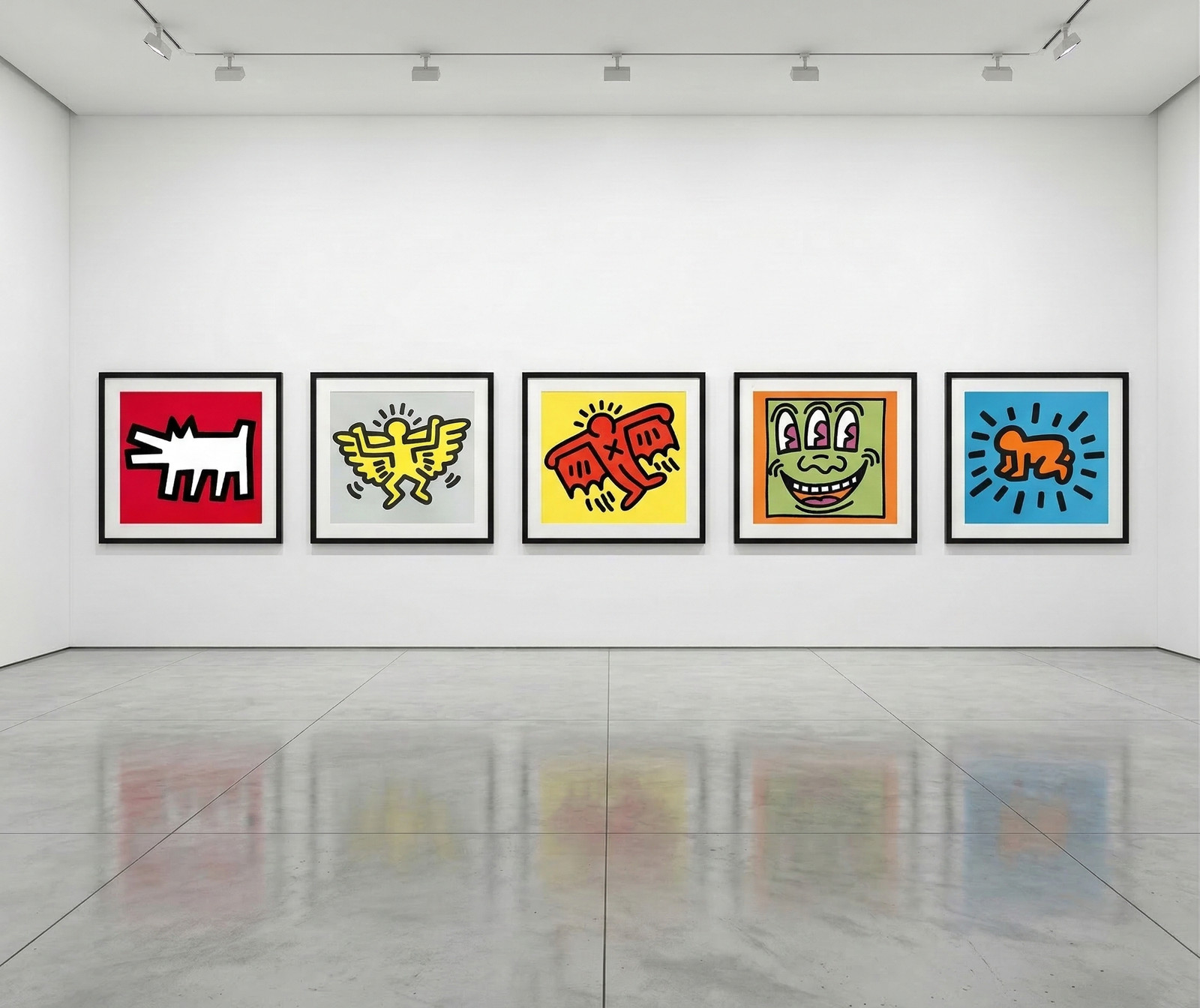
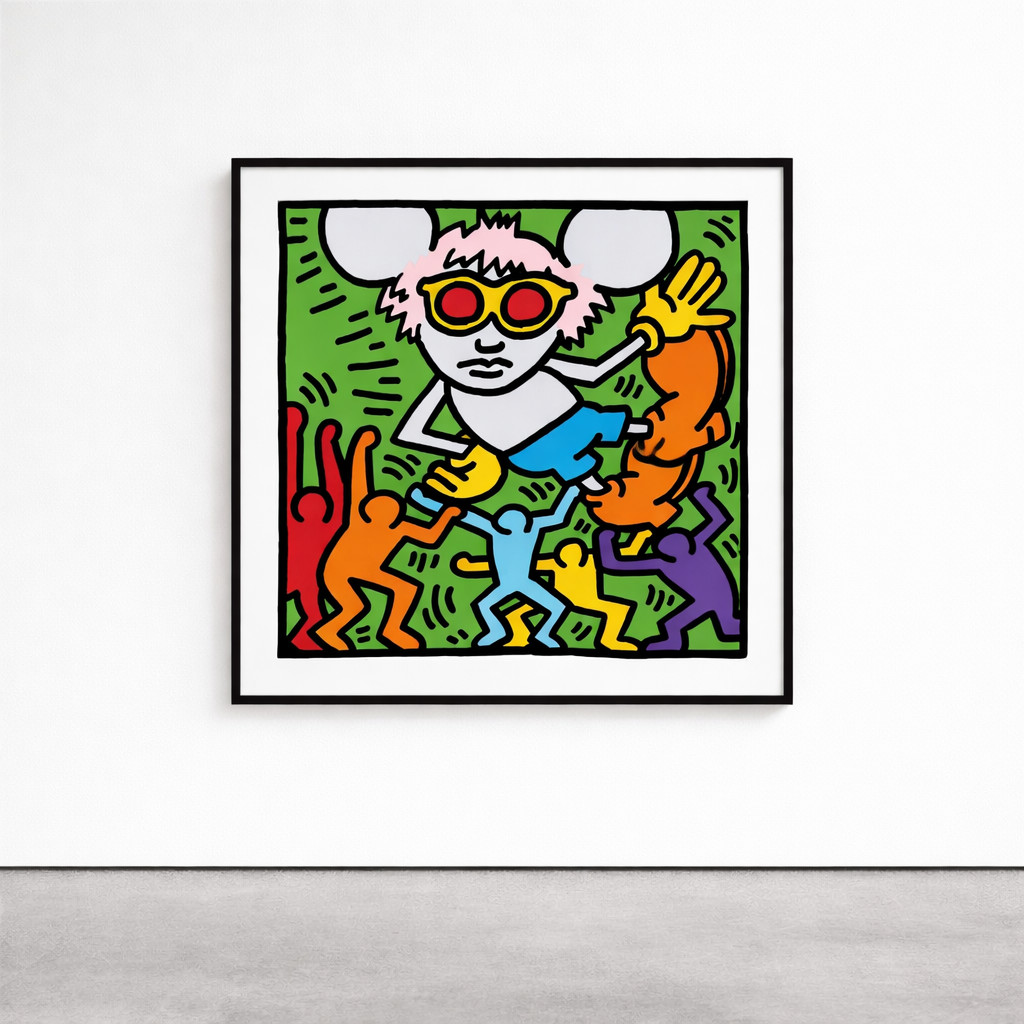
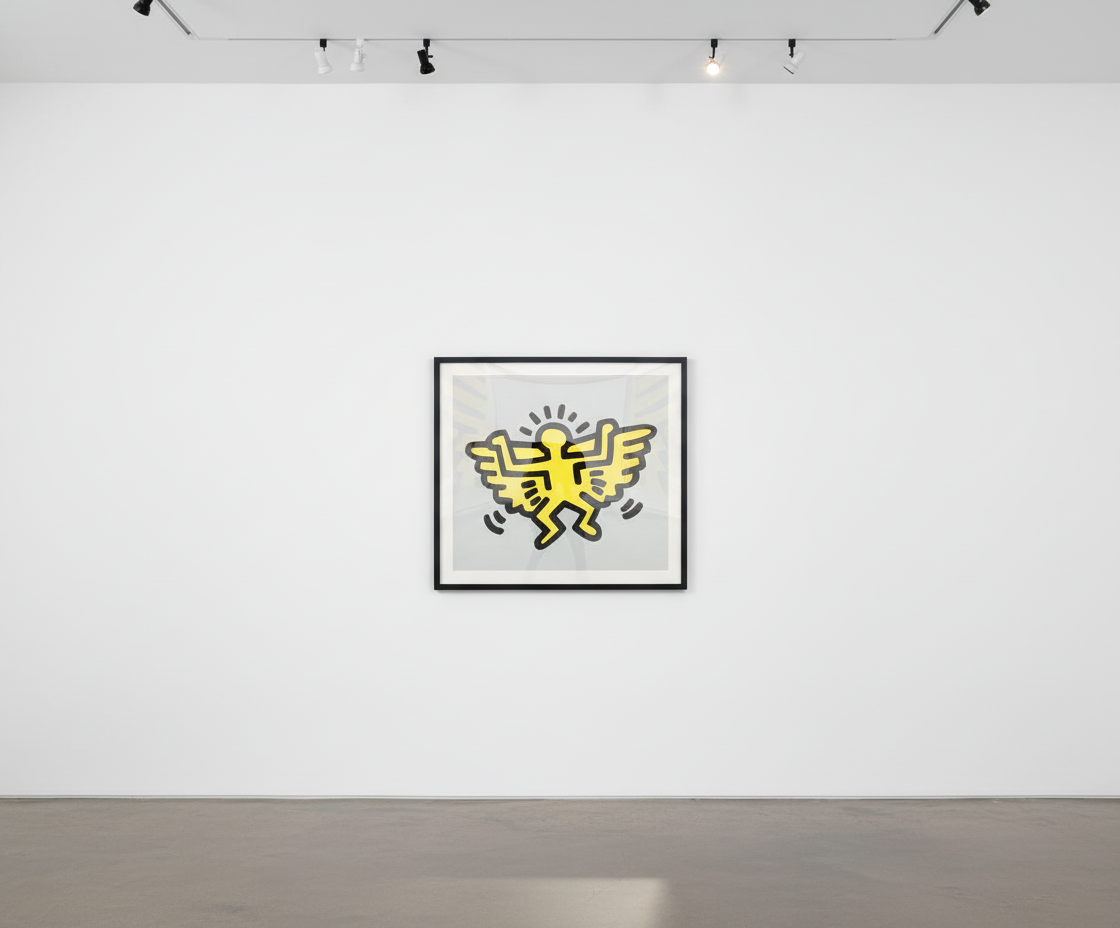
Keith Haring stands among the most influential American artists of the twentieth century, a figure whose bold graphic style transformed the boundaries between street art, fine art, and popular culture. Emerging from the vibrant downtown New York scene of the early 1980s, Haring developed a visual vocabulary so distinctive and immediate that it transcended linguistic and cultural barriers, speaking directly to audiences across the globe. The Keith Haring Icons series represents the culmination of this pictorial language—a portfolio that distills the artist's most recognizable symbols into their purest, most powerful forms.
Throughout his tragically brief career, Haring remained committed to the democratization of art, believing fervently that creative expression should be accessible to all. His Icons series embodies this philosophy, presenting imagery that resonates with viewers regardless of their art historical knowledge or cultural background. The radiant baby, the barking dog, the dancing figures—these symbols first emerged in Haring's legendary New York subway drawings, where the artist would fill blank advertising panels with his distinctive chalk compositions. What began as guerrilla interventions in public space evolved into a sophisticated visual syntax that continues to captivate collectors and institutions worldwide.
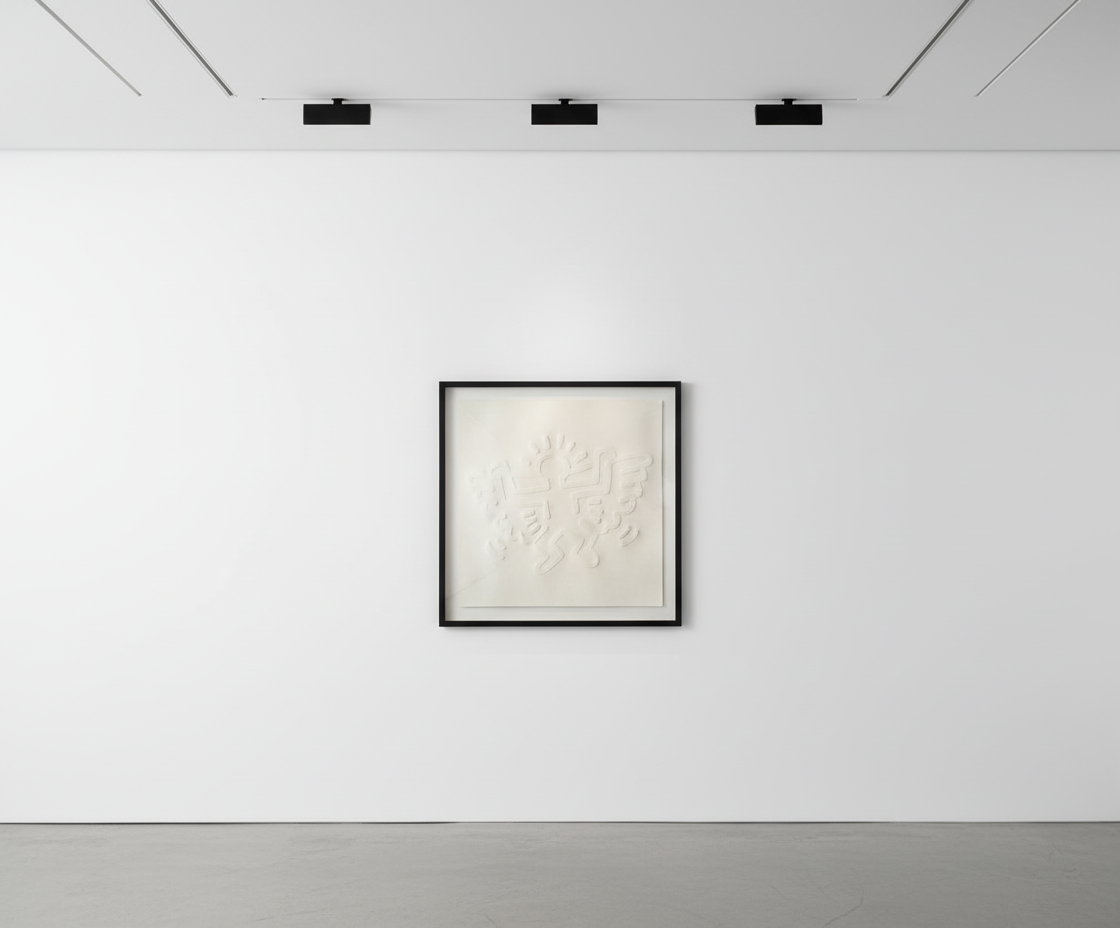
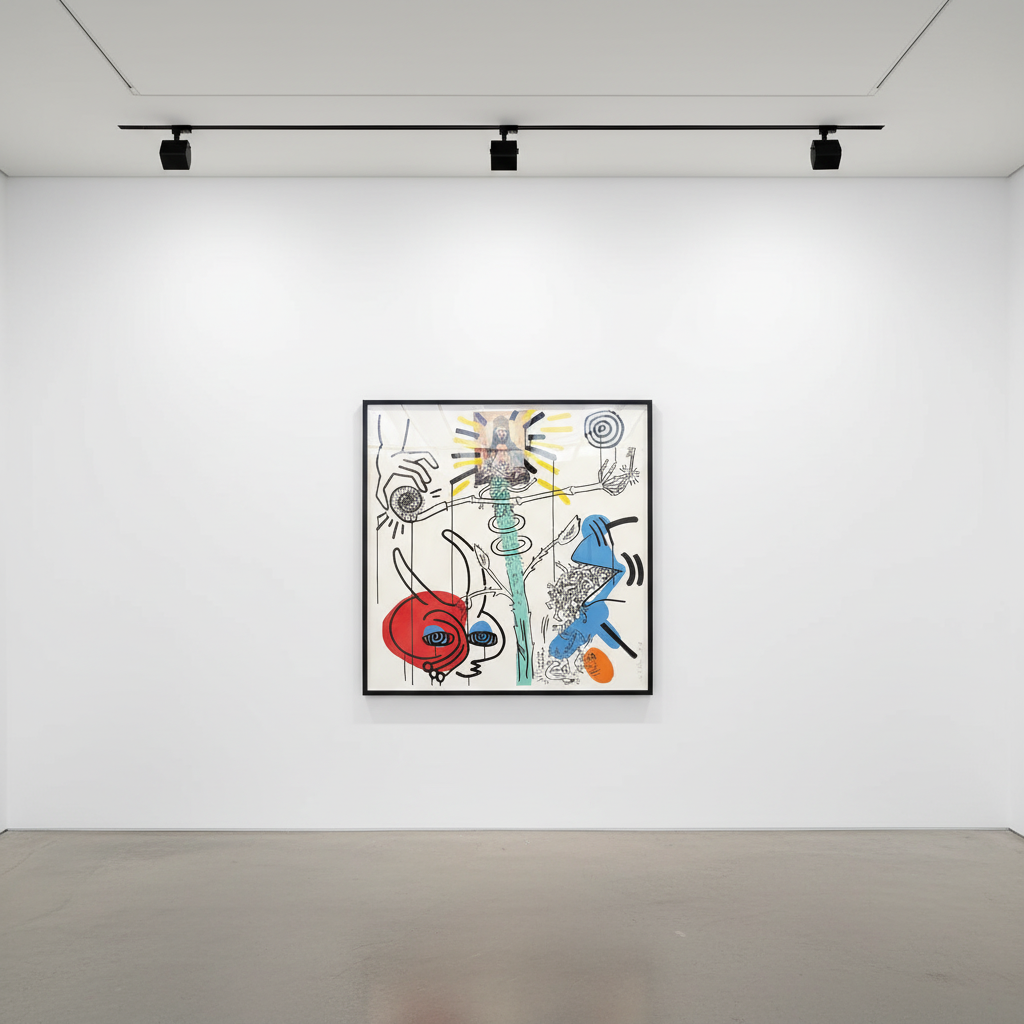
Untitled III (Littmann PP. 20) — Keith Haring. Available at Guy Hepner, New York.
The Keith Haring Icons portfolio presents a carefully curated selection of the artist's most enduring motifs, each carrying layers of meaning beneath their deceptively simple surfaces. The Radiant Baby, perhaps Haring's most recognized symbol, served as the artist's unofficial signature throughout his public art projects. This crawling infant, surrounded by lines of energy and light, represents innocence, purity, and the untapped potential of human existence. Haring deployed this image across countless contexts, from massive murals to intimate prints, always maintaining its essential optimism and vitality.
The barking dog, another central figure in the Icons series, embodies a more complex set of associations. At once playful and aggressive, this angular canine speaks to themes of loyalty, warning, and primal energy. Haring's dogs appear throughout his oeuvre in various configurations—sometimes threatening, sometimes protective, always crackling with kinetic intensity. The artist's ability to imbue such simple forms with emotional depth remains one of his most remarkable achievements.
Rendered in flat, saturated colors, the Icons prints deliberately reference the visual language of commercialism and mass media. This aesthetic choice was far from arbitrary. Haring positioned himself as a critical observer of 1980s consumer culture, using the very tools of capitalism to interrogate its effects on society. The bold primaries and unmodulated hues recall advertising signage and product packaging, creating works that simultaneously celebrate and critique the proliferation of commercial imagery in contemporary life.
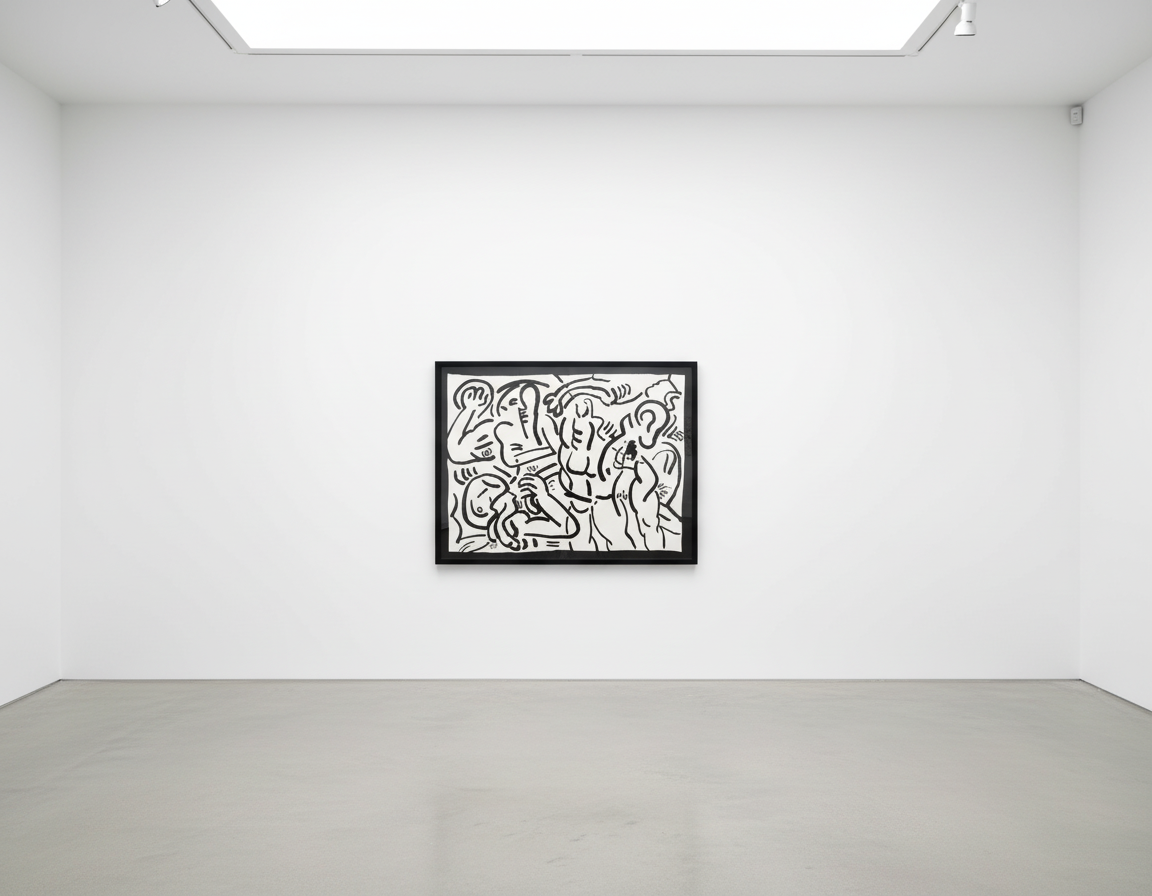
The Story of Red and Blue 9 (Littmann PP. 131) — Keith Haring. Available at Guy Hepner, New York.
Keith Haring's work cannot be fully understood without acknowledging his profound debt to the Pop Art movement of the 1960s. His friendship with Andy Warhol proved particularly formative, exposing the younger artist to strategies for bridging the gap between high art and mass culture. Like Warhol before him, Haring recognized that the most powerful imagery often emerged from everyday visual culture rather than traditional artistic sources. The Icons series exemplifies this approach, presenting symbols drawn from street signage, cartoons, and commercial graphics with the formal rigor of museum-worthy prints.
Yet Haring extended Pop Art's project in crucial ways. Where Warhol maintained an ironic detachment from his subjects, Haring infused his work with unmistakable earnestness and social commitment. The Icons series communicates messages of unity, energy, and human connection that feel genuinely optimistic rather than cynically knowing. This sincerity, combined with the artist's technical sophistication, creates work that resonates across generations.
The screen-printing technique employed in the Icons portfolio connects directly to this Pop Art lineage while showcasing Haring's masterful command of the medium. Each print demonstrates the artist's understanding of how flat color fields and precise contours could create maximum visual impact. The works function equally well as individual statements or as components of a larger pictorial system, offering collectors remarkable flexibility in display and interpretation.
The market for Keith Haring prints has demonstrated remarkable strength and consistency over recent decades. According to Art Basel and UBS market reports, works on paper by major twentieth-century artists continue to attract serious collector interest, with Haring's prints representing particularly compelling opportunities for acquisition. The Icons series holds special appeal due to its concentrated presentation of the artist's most important symbols, offering collectors access to Haring's essential visual language within a cohesive portfolio format.
Auction results from Christie's and Sotheby's confirm sustained institutional and private interest in Haring's printed works. The Icons series commands particular attention due to its art historical significance and the enduring recognizability of its imagery. Unlike more obscure aspects of an artist's output, these works require no specialized knowledge to appreciate—they communicate immediately and powerfully, making them ideal focal points for both emerging and established collections.
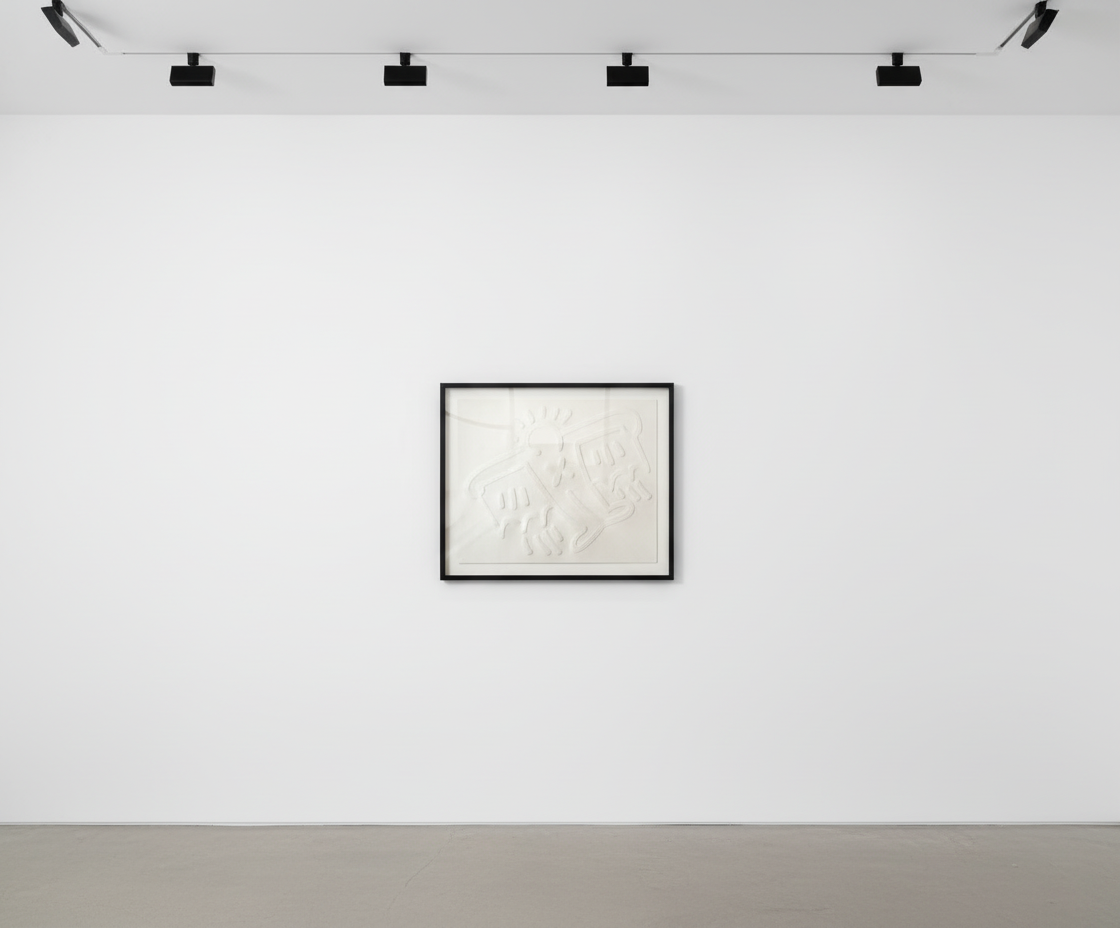
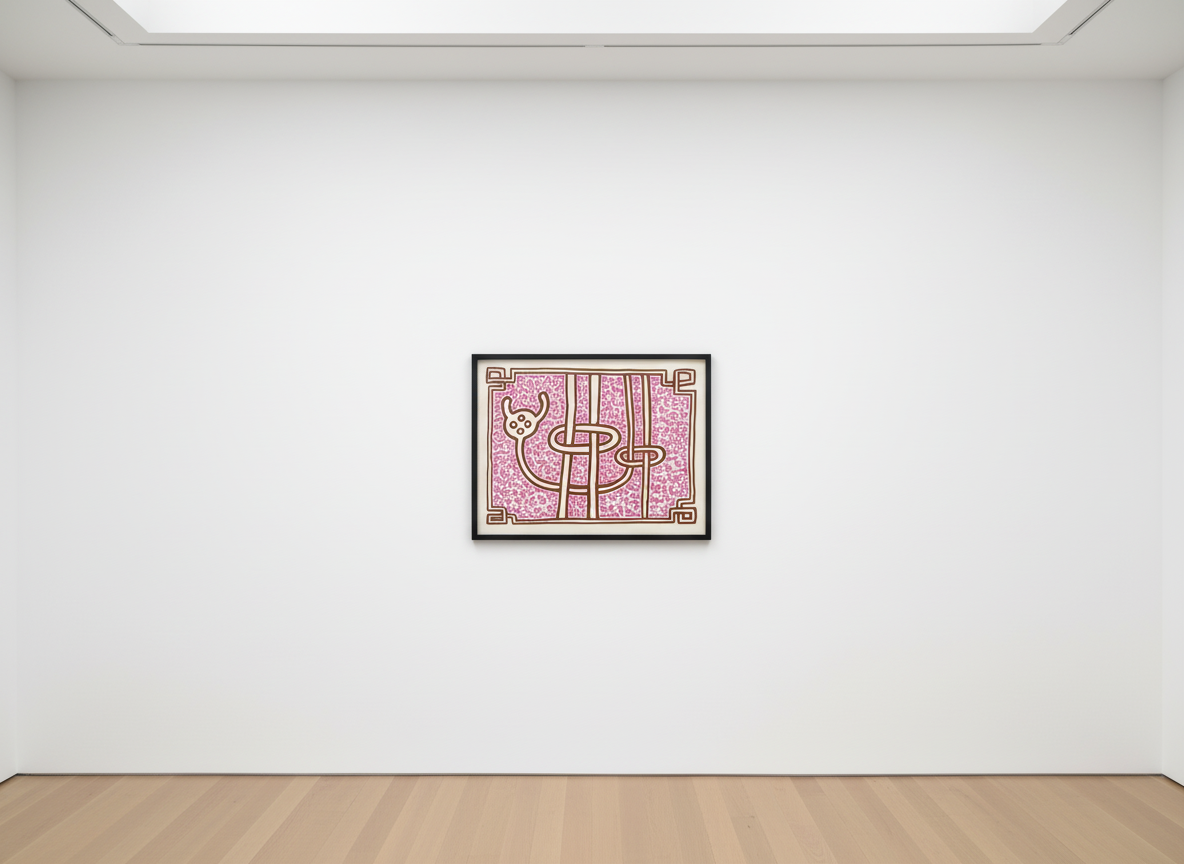
Dog — Keith Haring. Available at Guy Hepner, New York.
The Growing 1 composition and related works from this period demonstrate Haring's ability to transform simple pictorial elements into complex narratives about growth, transformation, and human potential. These themes ensure the continued relevance of the Icons series, speaking to contemporary concerns while maintaining their connection to the specific cultural moment of 1980s New York.
Guy Hepner maintains an exceptional selection of Keith Haring prints, including works from the celebrated Icons series and related portfolios. As specialists in contemporary and Pop Art editions, our gallery offers collectors expert guidance in acquiring these historically significant works. Each piece comes with full documentation and authentication, ensuring the integrity of your investment. We invite collectors to explore our current Keith Haring holdings and to contact our advisory team for private viewing appointments and acquisition consultation. Whether building a focused collection of Haring's graphic work or seeking a singular iconic image, Guy Hepner provides the expertise and inventory to fulfill your collecting vision.
Explore Keith Haring prints for sale at Guy Hepner: White Icons, Andy Mouse, Apocalypse, Bad Boys, Chocolate Buddha.
Related Series