Keith Haring Attack On Aids
Keith Haring Attack On Aids
Keith Haring stands as one of the most celebrated and widely recognized artists of the twentieth century, a figure whose influence transcends the boundaries between high art and street culture. His iconic imagery first emerged on the subway walls of New York City in the early 1980s, where chalk drawings on blank advertising panels became an unexpected gallery for commuters and art enthusiasts alike. What distinguished Haring from his contemporaries was his unwavering commitment to accessibility - his art belonged to the people, created without pretense or irony, radiating an optimism that resonated across social and economic divides. Today, his work commands significant attention at major auction houses including Christie's and Sotheby's, while his legacy continues to shape conversations about art, activism, and social responsibility.
The Visual Language of Keith Haring
Haring's distinctive aesthetic represents one of the most immediately recognizable visual languages in contemporary art history. His cartoon-like figures, rendered in thick, confident lines and simple stylized forms, communicate complex ideas with remarkable clarity. This visual vocabulary was deliberately democratic - Haring believed that art should speak to everyone, regardless of their education or background. The radiant baby, the barking dog, and the dancing figures that populate his compositions have become cultural touchstones, symbols that carry meaning far beyond their simplified forms.
The artist's use of hypnotic and vibrant colors amplifies the energy inherent in his compositions. Even when addressing profoundly serious subjects such as AIDS, drug addiction, or nuclear proliferation, Haring's aesthetic maintains a sense of vitality and urgency rather than despair. This approach was intentional - Haring understood that to reach the broadest possible audience, his message needed to engage rather than alienate. The result is a body of work that manages to be simultaneously joyful and sobering, accessible and profound.

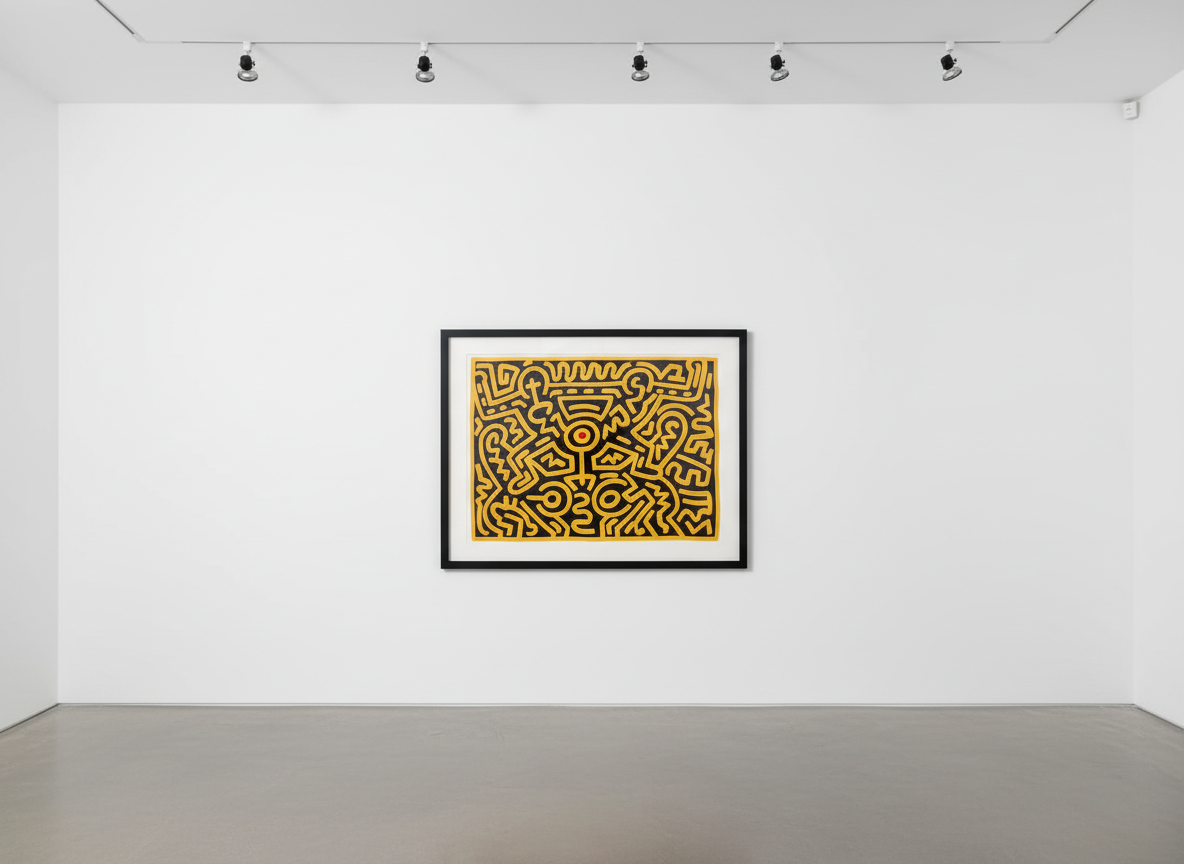
Growing 2 (Littmann PP. 90) — Keith Haring. Available at Guy Hepner, New York.
Keith Haring and the AIDS Crisis
As Haring established himself within the art world during the mid-1980s, elements of advocacy became increasingly prominent in his practice. His focus on HIV-AIDS awareness was not merely artistic posturing but deeply personal conviction. Diagnosed with AIDS in 1988, Haring channeled his remaining years into creating work that would educate, advocate, and raise crucial funds for research and support services. His activism through art became a defining characteristic of his later career, establishing a model for artist engagement that continues to influence contemporary practice.
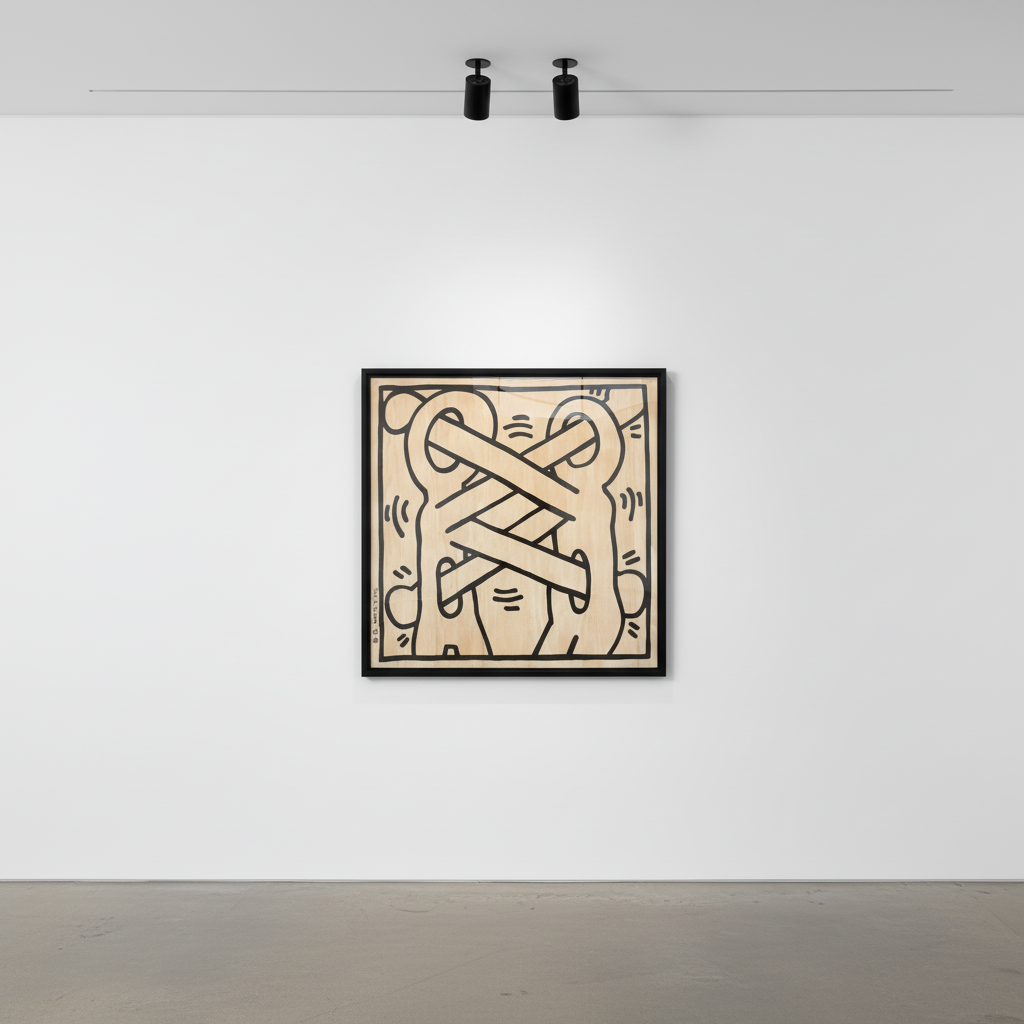
The screen print created for the Art Attack On AIDS Benefit exemplifies Haring's approach to activist art. Produced in 1988 to raise funds for the Wellness Network, this work demonstrates how Haring transformed his visual language into a tool for social change. The dynamic composition features two figures inextricably interlocked in what appears to be a physical altercation or exchange. Their clenched fists and intertwined bodies create a visual metaphor for the struggle against the disease - the combat is intimate, desperate, and all-consuming. The imagery speaks to the reality faced by those battling AIDS while simultaneously representing the broader fight for awareness, funding, and dignity.
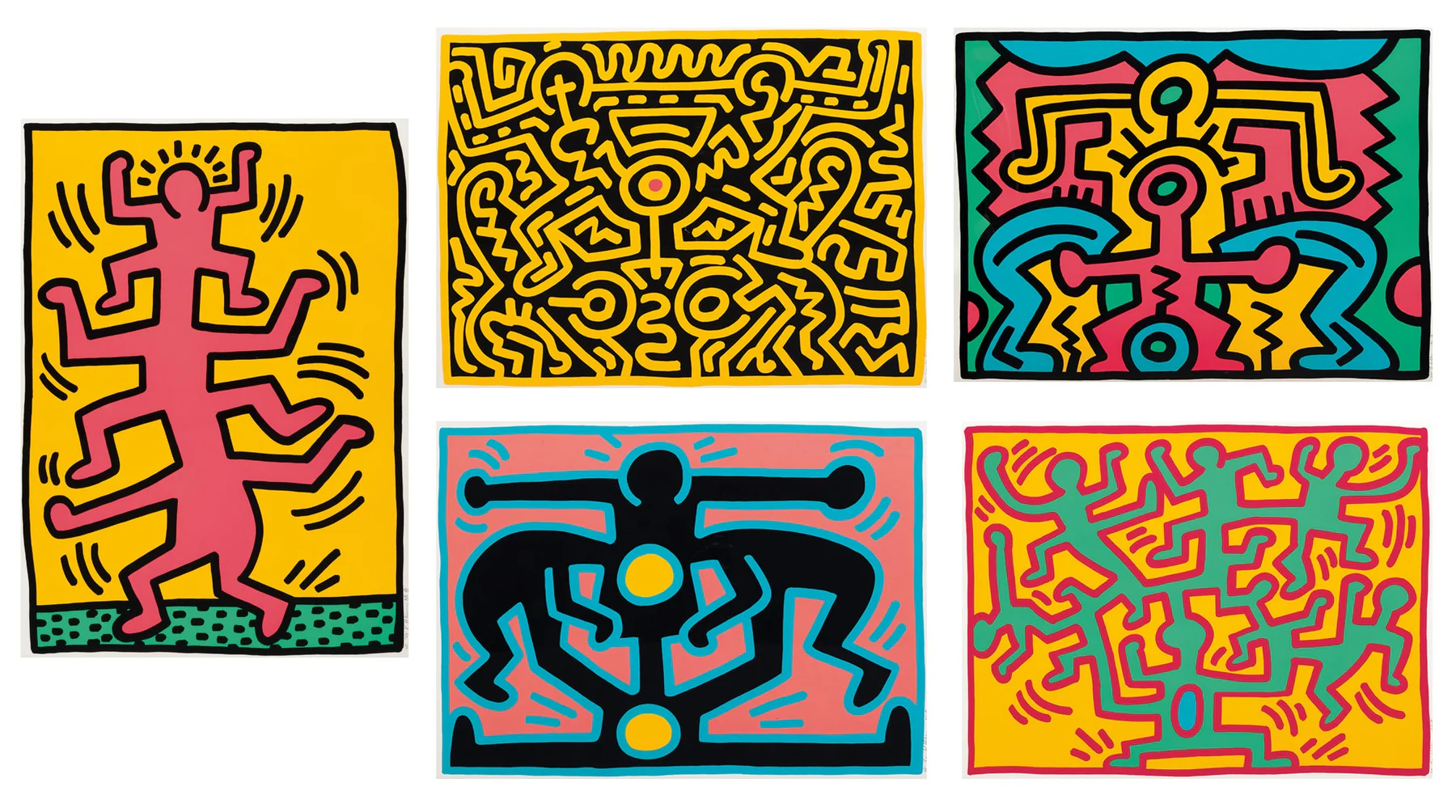
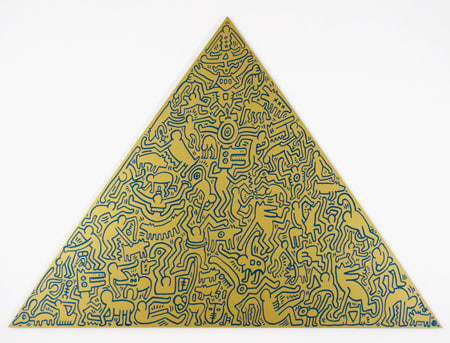
Growing 1-5 (Littmann PP. 88 -91) — Keith Haring. Available at Guy Hepner, New York.
Haring's AIDS-related works occupy a particularly significant position within his oeuvre. Created during a period of profound personal struggle, these pieces carry an emotional weight that distinguishes them from his earlier, more playful compositions. The Ignorance = Fear, Silence = Death poster and the countless benefit works he produced during this period represent some of the most powerful examples of art serving as direct social intervention. According to data from the Art Basel and UBS Art Market Report, works by Haring that address social and political themes have demonstrated consistent collector demand, reflecting broader market interest in art that carries historical and cultural significance beyond purely aesthetic considerations.
Market Context and Collector Significance
The market for Keith Haring's work has demonstrated remarkable strength and resilience over the past two decades. Major auction results at Christie's and Sotheby's have established new benchmarks for the artist, with significant paintings and sculptures achieving prices that reflect his enduring importance to art history. His prints and multiples, however, represent a particularly compelling segment of the market. Haring was committed to producing affordable editions that would allow broader access to his work - a philosophy that continues to benefit collectors today.
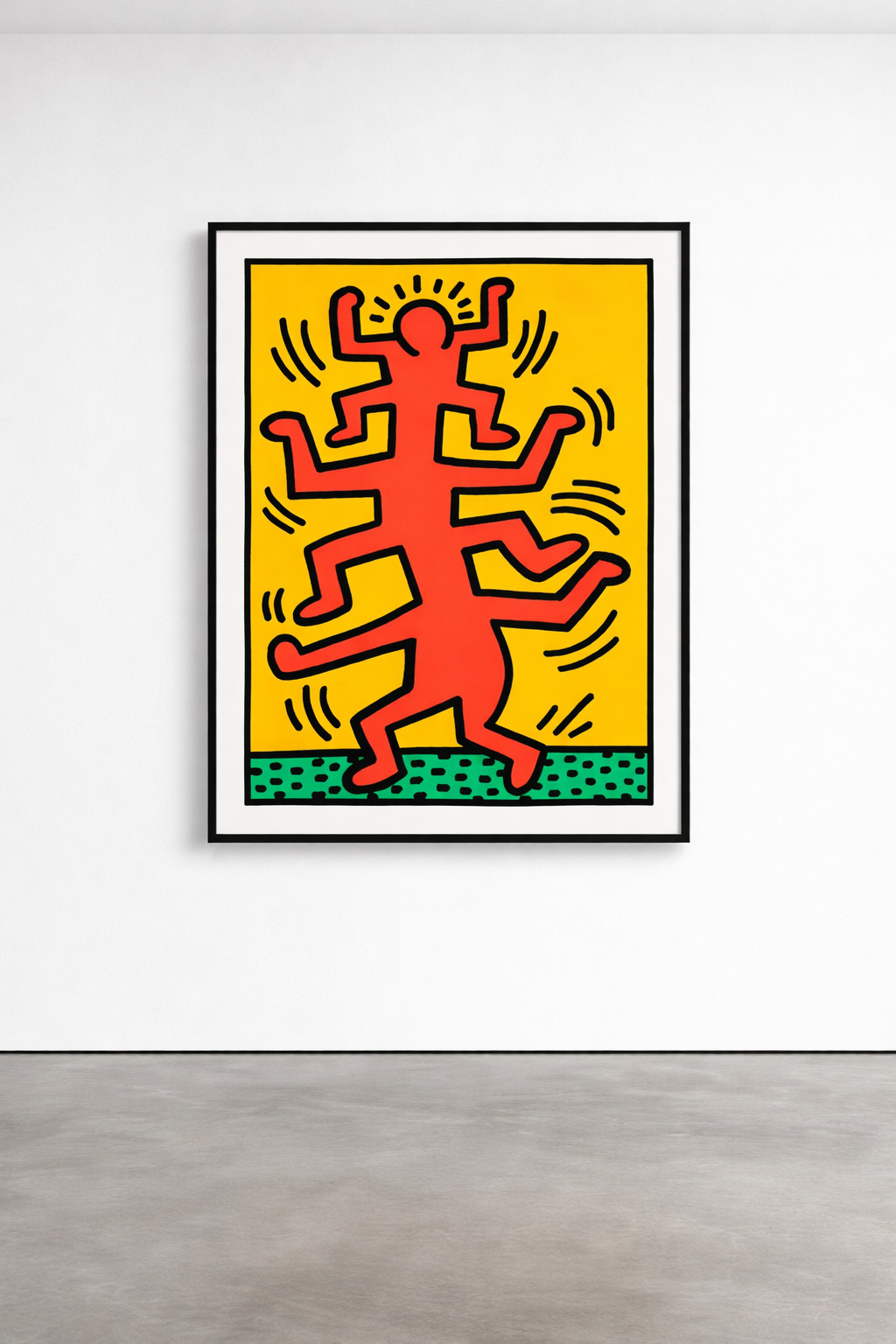
Works from the Growing series exemplify Haring's mature print practice. These compositions showcase the artist's mastery of form and color while embodying the themes of transformation, vitality, and human connection that defined his career. The organic, almost cellular forms that populate these prints suggest growth and regeneration - themes that carried particular poignancy given Haring's personal circumstances during this period. For collectors, these works offer entry into Haring's significant body of activist and awareness-focused pieces at accessible price points relative to unique works.
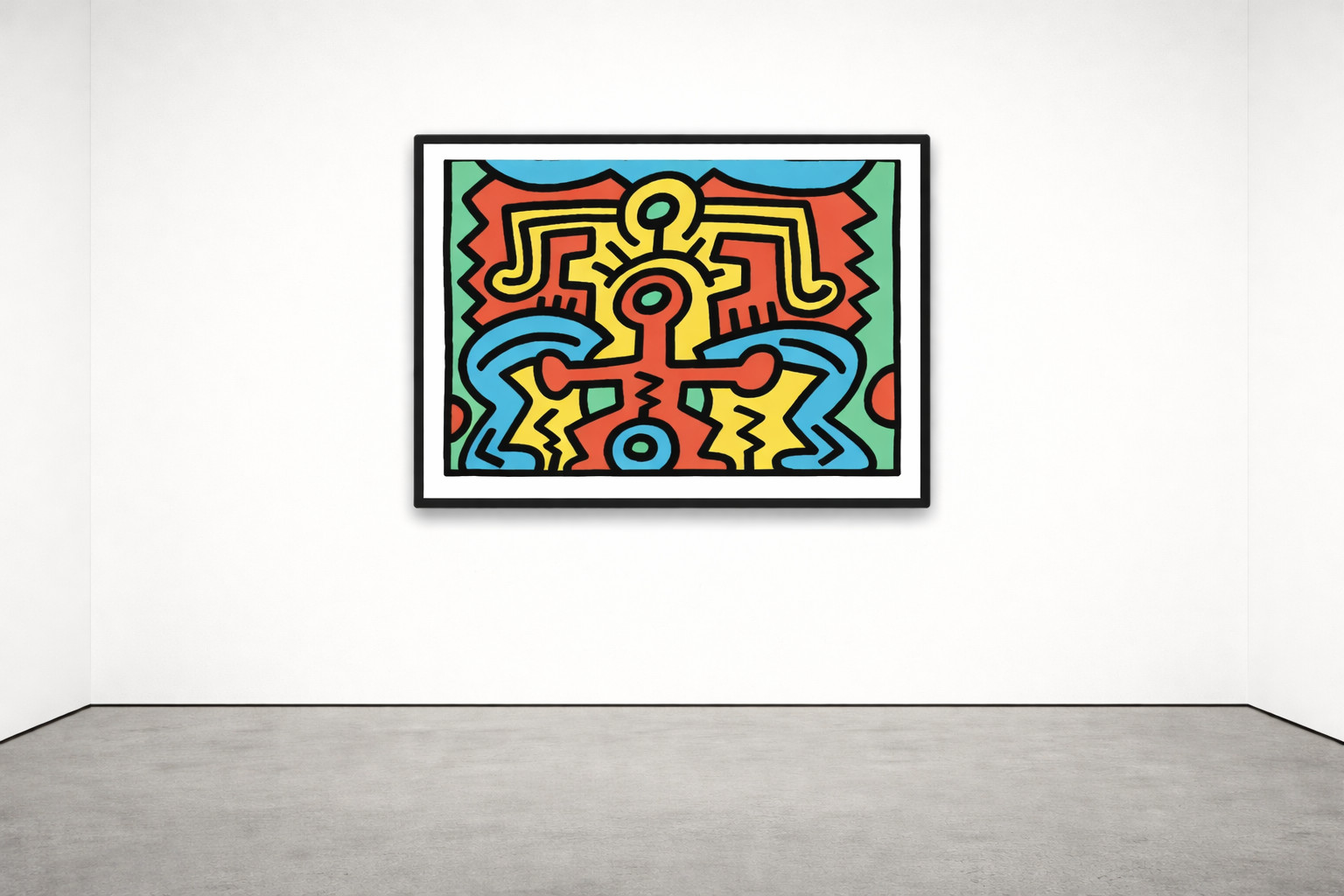
Growing 5 (Littmann PP. 91) — Keith Haring. Available at Guy Hepner, New York.
The significance of Haring's AIDS-related works extends beyond their market value. These pieces document a critical moment in American cultural history, when artists, activists, and communities mobilized against governmental indifference and social stigma. Collectors who acquire these works become custodians of this history, preserving and sharing objects that speak to both tragedy and resilience. The emotional resonance of this material ensures its continued relevance, while Haring's instantly recognizable aesthetic guarantees its accessibility to new generations of viewers.
Acquiring Keith Haring at Guy Hepner
Guy Hepner is proud to offer exceptional examples of Keith Haring's print work, including pieces from the Growing series and other significant editions. Our expertise in contemporary and street art positions us uniquely to advise collectors seeking to acquire works by this pivotal artist. Whether you are building a focused collection of Haring's activist works or seeking a singular iconic piece, our team provides the knowledge, discretion, and access that discerning collectors require. We invite you to contact Guy Hepner to discuss available inventory, pricing, and acquisition strategies for Keith Haring's most sought-after works.