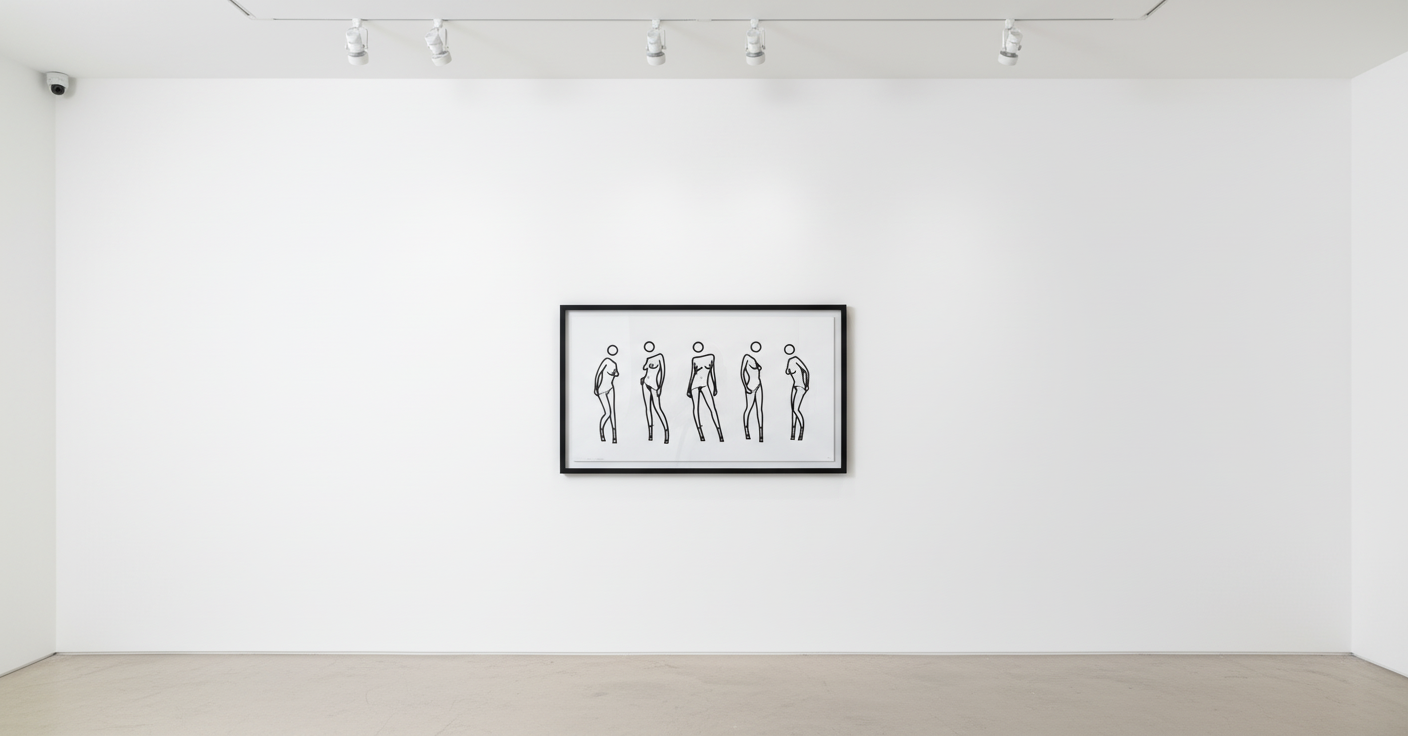
Bijou Gets Undressed
6 works

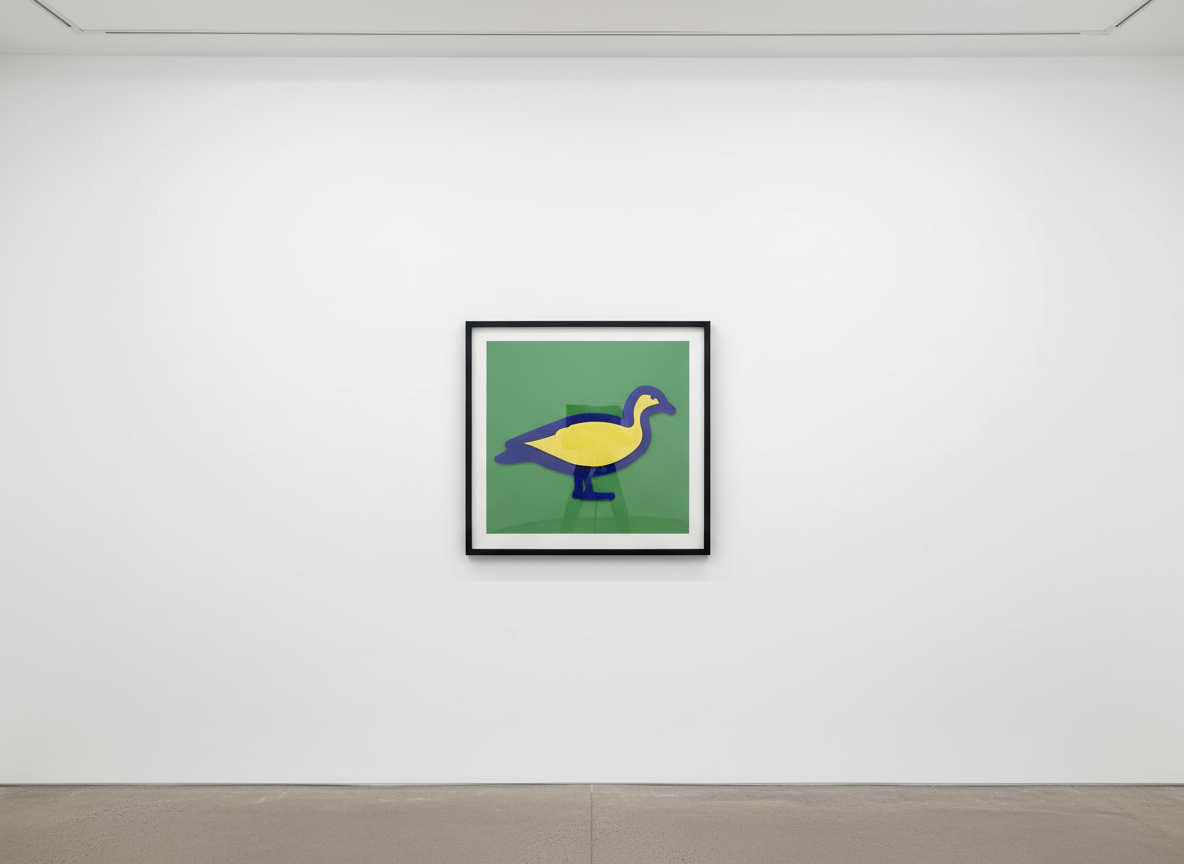
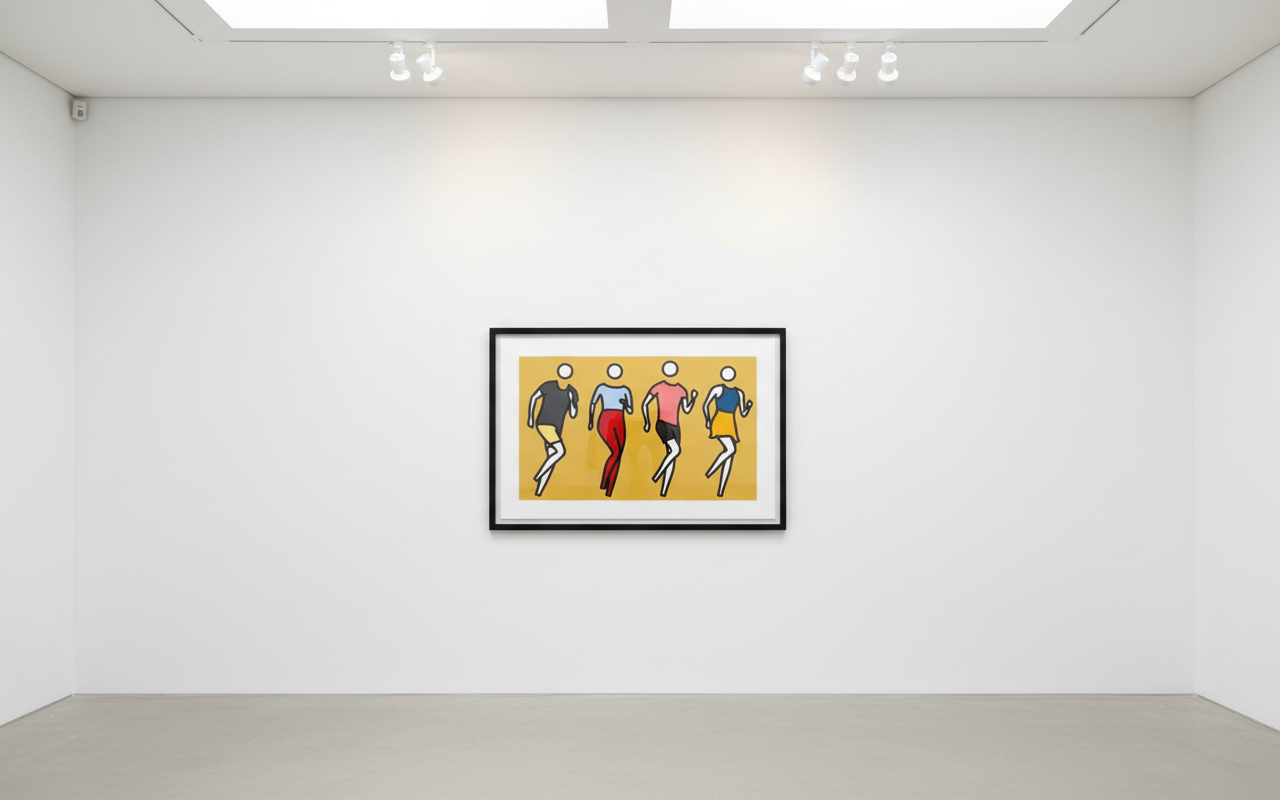
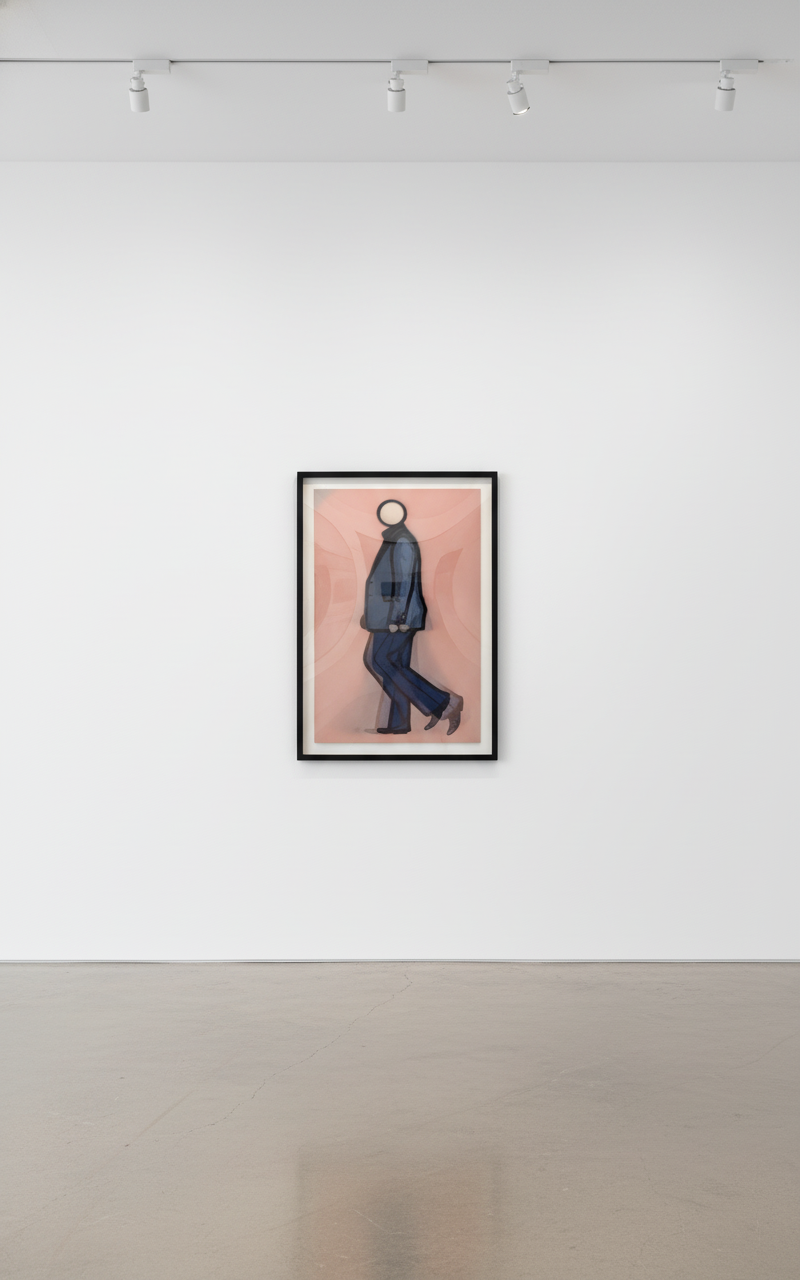
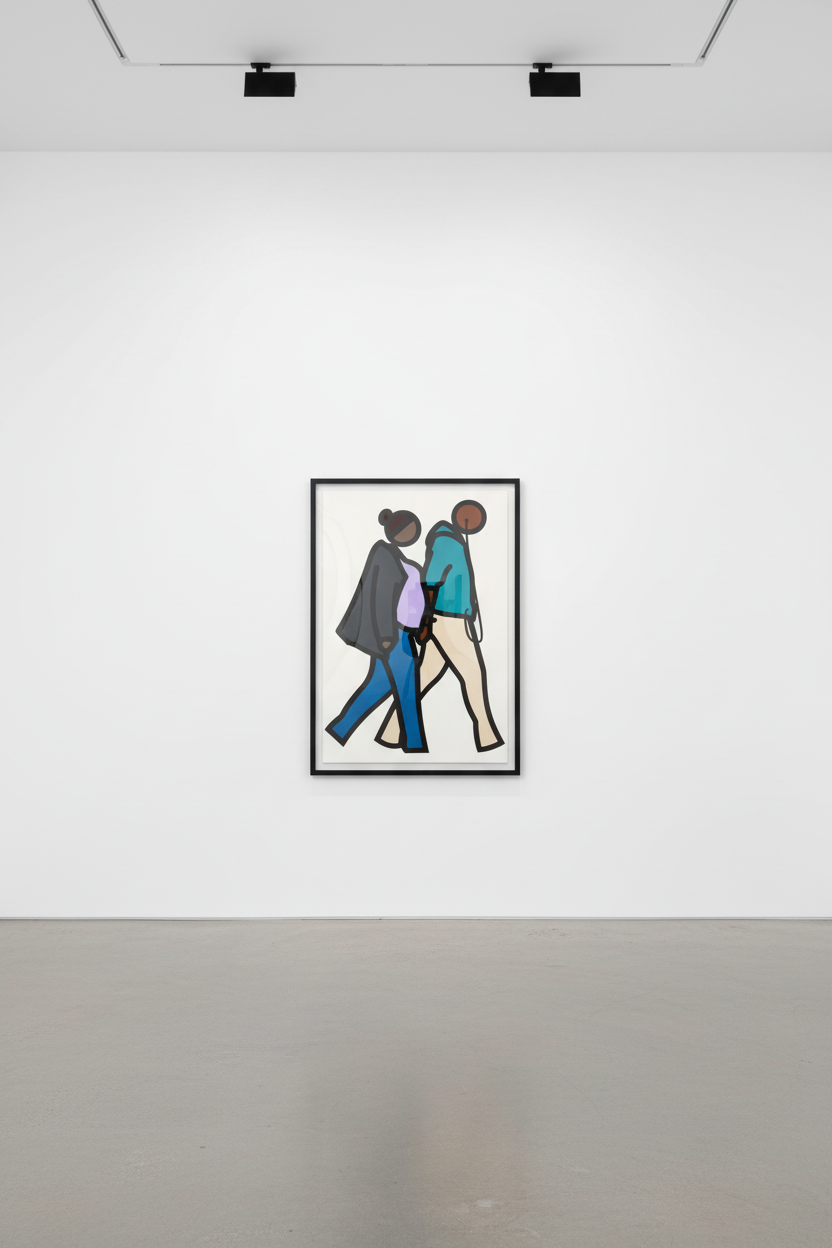
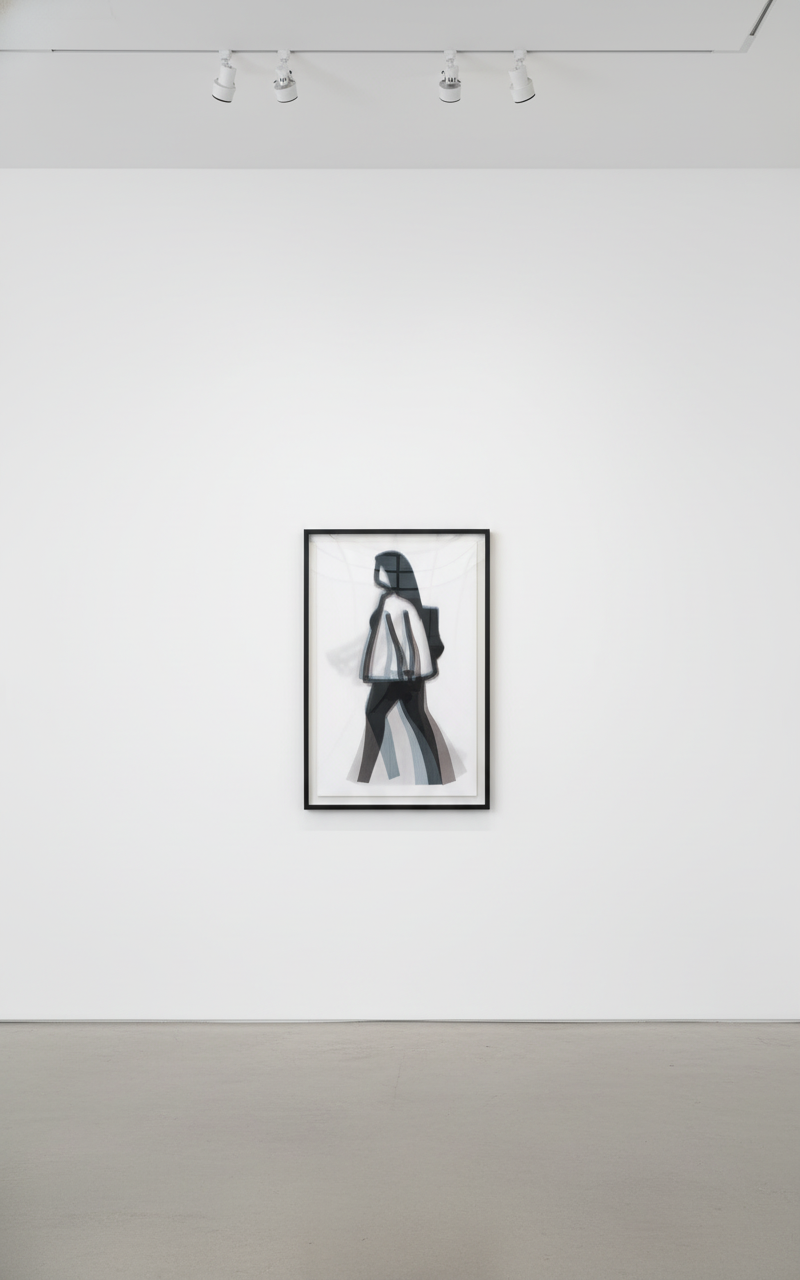
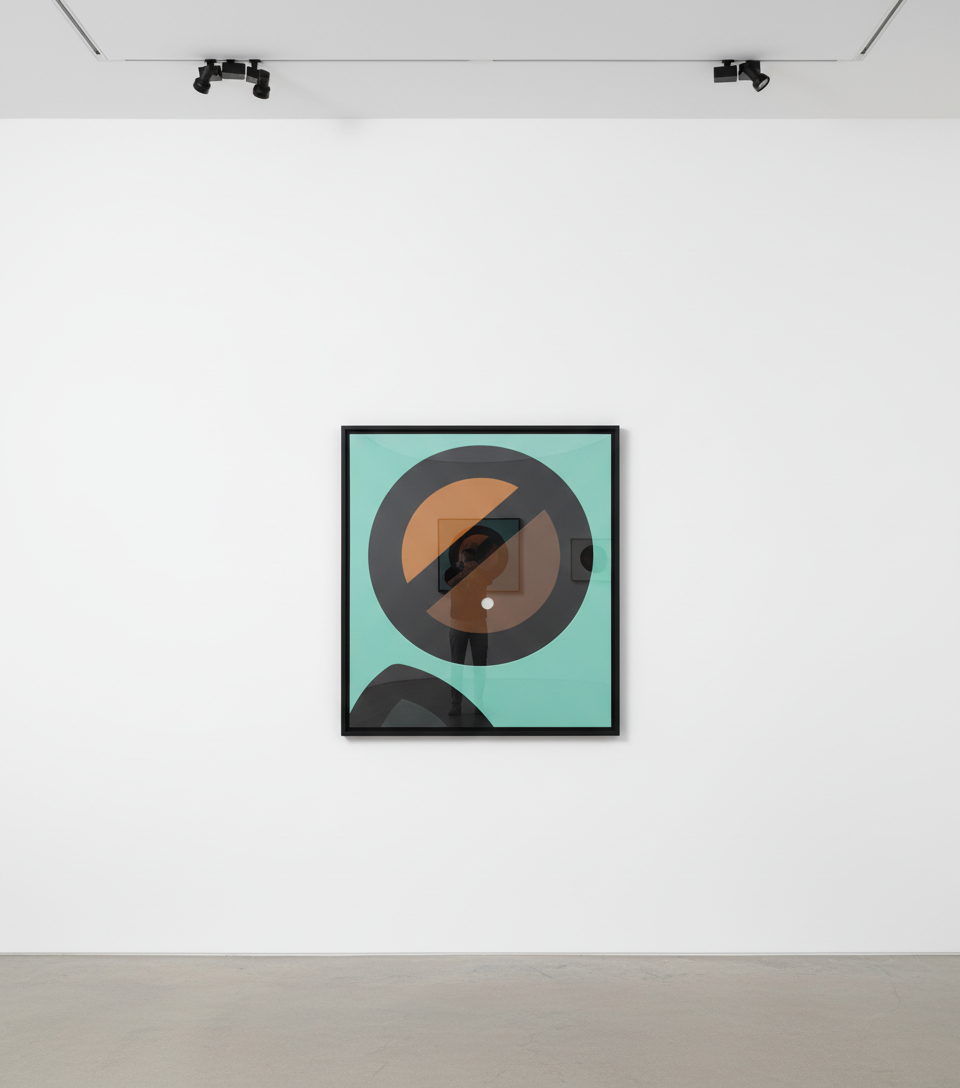
Julian Opie's Shahnoza series represents one of the artist's most compelling explorations of individual identity through his signature visual language of bold contours and flattened planes of colour. Across works including This Is Shahnoza (In 3 Parts), No. 3, Shahnoza 4, This Is Shahnoza (In 3 Parts) No. 7, Shahnoza 5, and This Is Shahnoza (In 3 Parts), No. 6, Opie presents a sustained meditation on a single subject, examining how portraiture can simultaneously reveal and abstract the essence of a person. The series demonstrates the British artist's remarkable ability to distill human presence into its most essential visual elements while maintaining an unmistakable sense of the individual depicted.
What distinguishes the Shahnoza series within Opie's broader practice is its concentrated focus on one figure across multiple iterations, allowing viewers to witness the subtle variations that emerge when the same subject is rendered through slightly different compositional choices, colour selections, and framing decisions. Unlike his celebrated walking figures or anonymous crowds that speak to universal human experience, the Shahnoza works invite a more intimate engagement, asking us to consider what constitutes recognition and familiarity when representation is stripped to its most fundamental components. The repeated return to Shahnoza as subject matter suggests a deeper investigation into how we come to know a face, how memory constructs and reconstructs identity, and how the accumulation of simplified images might paradoxically create a richer understanding than a single photorealistic portrait ever could.
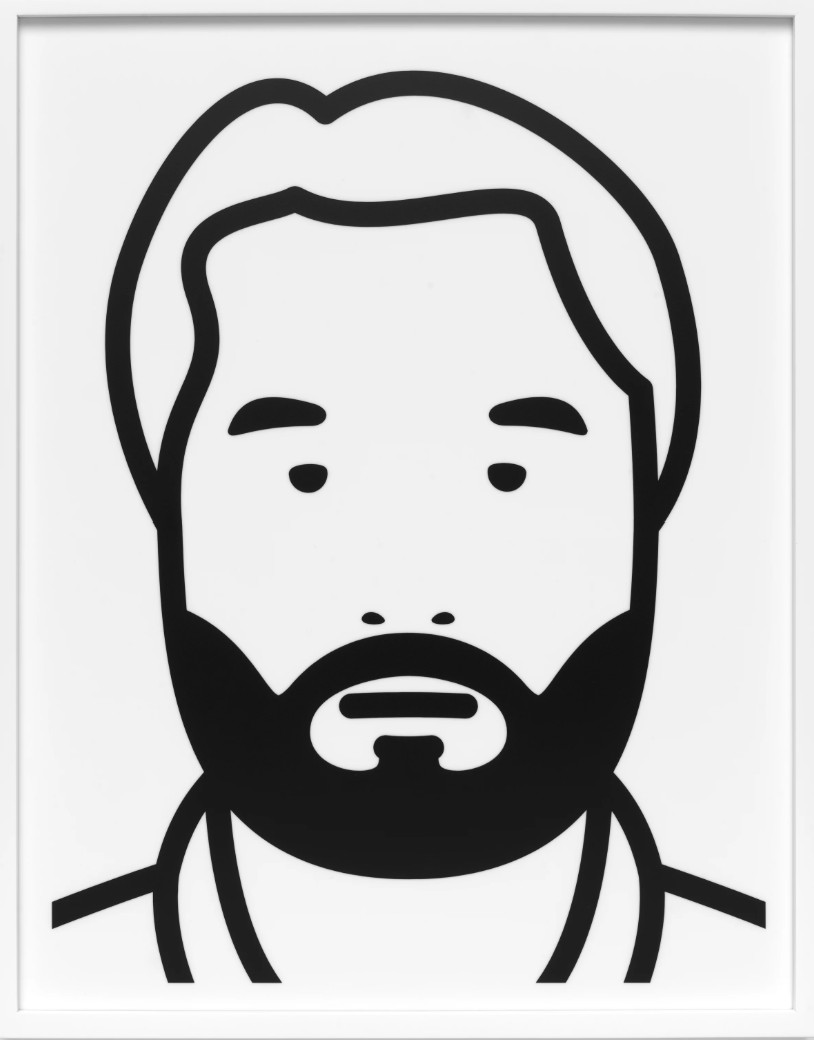
Opie's distinctive approach to portraiture, which he has refined over decades of practice, finds particularly eloquent expression in this series. His technique of reducing facial features to clean black outlines against smooth fields of colour draws from diverse influences including Japanese woodblock prints, public signage, and digital graphics, yet the result is unmistakably his own. In the Shahnoza works, this methodology produces images that exist in a fascinating space between the generic and the specific. The bold contours that define Shahnoza's features—the precise curve of an eyebrow, the particular angle of a jawline, the distinctive fall of hair—are rendered with such confident economy that they become instantly readable while remaining irreducibly individual. This tension between accessibility and specificity lies at the heart of Opie's enduring appeal and finds concentrated expression throughout this series.
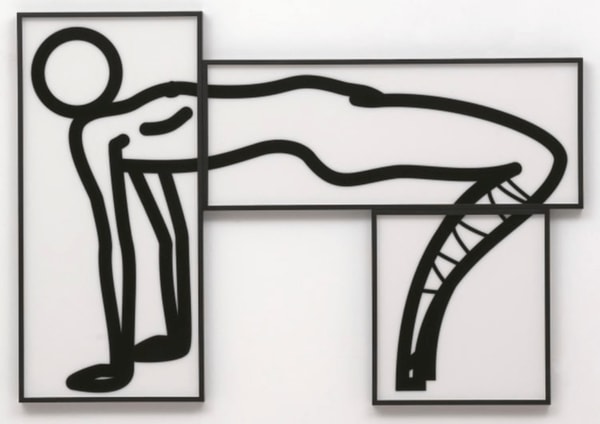
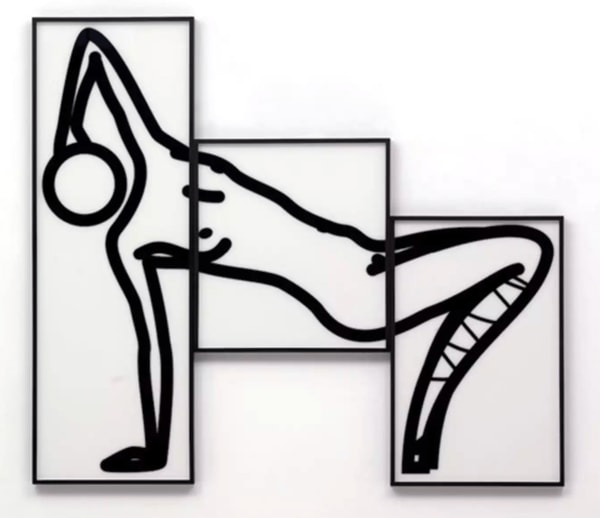
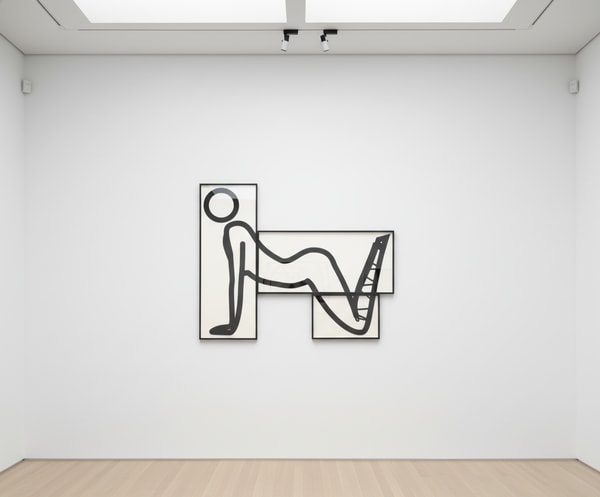
The multi-part structure evident in several of these works, particularly the This Is Shahnoza (In 3 Parts) compositions, reflects Opie's ongoing interest in sequential imagery and the way meaning accumulates across related panels. This approach echoes his fascination with movement and time, themes that have driven much of his most celebrated work including his animated LED portraits and his studies of walking figures. By presenting Shahnoza across multiple frames, Opie suggests that identity itself is not a fixed point but rather something that unfolds and shifts, requiring multiple perspectives to approximate understanding. The numbered variations—Shahnoza 4, Shahnoza 5—further emphasise this sense of ongoing investigation, positioning each work as one moment in a continuing dialogue between artist and subject.
The chromatic decisions throughout the Shahnoza series demonstrate Opie's sophisticated understanding of how colour functions both emotionally and formally within his reduced visual vocabulary. With realistic detail eliminated, the colours that fill the outlined forms take on heightened significance, establishing mood and atmosphere while simultaneously flattening the image plane in ways that recall both Pop Art precedents and contemporary digital aesthetics. The palette choices across different iterations of Shahnoza create distinct emotional registers for each work while maintaining coherence across the series as a whole. This careful attention to colour relationships reveals an artist working with great intentionality despite the apparent simplicity of his means.
Born in London in 1958, Julian Opie has established himself as one of the most recognisable and influential figures in contemporary British art. Represented by Lisson Gallery and collected by major institutions worldwide, his work spans prints, paintings, sculptures, and LED installations, each medium serving his fundamental interest in how images communicate in an age of visual saturation. The Shahnoza series exemplifies his ability to create works that function simultaneously as sophisticated art objects and immediately legible images, bridging the gap between gallery contemplation and everyday visual culture. His portraits have become iconic precisely because they tap into the visual language of our contemporary moment—the simplified avatars, the emoji-like reduction of expression, the way we increasingly encounter one another through screens and signs—while maintaining the humanist tradition of portraiture that stretches back centuries.
Collectors are drawn to Opie's work for its rare combination of intellectual rigour and visual pleasure, its capacity to reward both immediate appreciation and extended contemplation. The Shahnoza series offers an exceptional opportunity to acquire works that demonstrate the artist at his most focused and compelling, engaged in a sustained exploration of a single subject that illuminates broader questions about representation, identity, and perception. Each piece in the series stands as an independent work of considerable presence while also participating in the larger conversation that emerges when the works are considered together.
For enquiries regarding available works from Julian Opie's Shahnoza series, collectors are invited to contact Guy Hepner in New York to discuss acquisition opportunities.
5 works available
Five Facts About Julian Opie Shahnoza
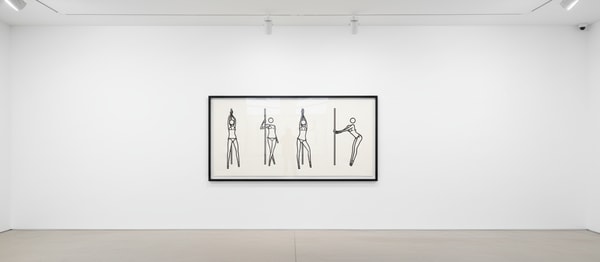
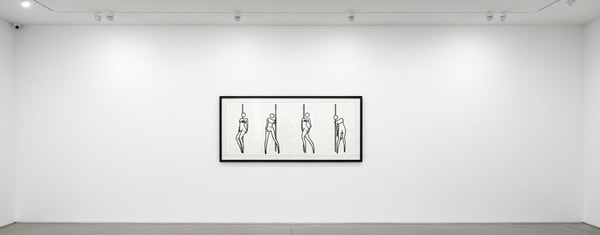
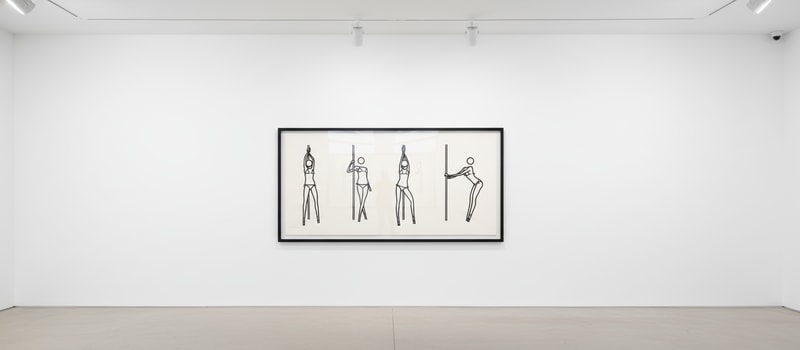
This Is Shahnoza depicts a professional pole dancer, originally from Tehran, whom Julian Opie invited to his east London studio in 2005 to pose in choreographed dance moves around a pole.
The resulting body of work was produced across multiple media, including paintings, screenprints and LED animations.
This Is Shahnoza In 3 Parts is a 10-page hardback book published in 2008 to coincide with an exhibition of the same name at Alan Cristea Gallery, depicting nine prints of Shahnoza with flocked illustrations and press-out jigsaw puzzle pieces.
Individual screenprints from the series, including Shahnoza 4 and Shahnoza 5, were produced in 2006.
Market Data
See real auction history, estimate ranges and price benchmarks for individual Shahnoza prints, sourced from Christie's, Sotheby's and other major auction houses.
Frequently Asked Questions
Julian Opie Shahnoza prints for sale are available at Guy Hepner Gallery, 177 Tenth Avenue, New York. We offer authenticated editions with full provenance documentation sourced from the secondary market and directly from publishers.
Julian Opie Shahnoza works — 5 available — are typically produced as limited editions, individually signed and numbered by the artist. Contact Guy Hepner Gallery for edition details on specific works.
Pricing for Julian Opie Shahnoza prints varies by edition size, date, and condition. Contact Guy Hepner Gallery for current market pricing and availability.
More Julian Opie Series
View all Julian Opie works →