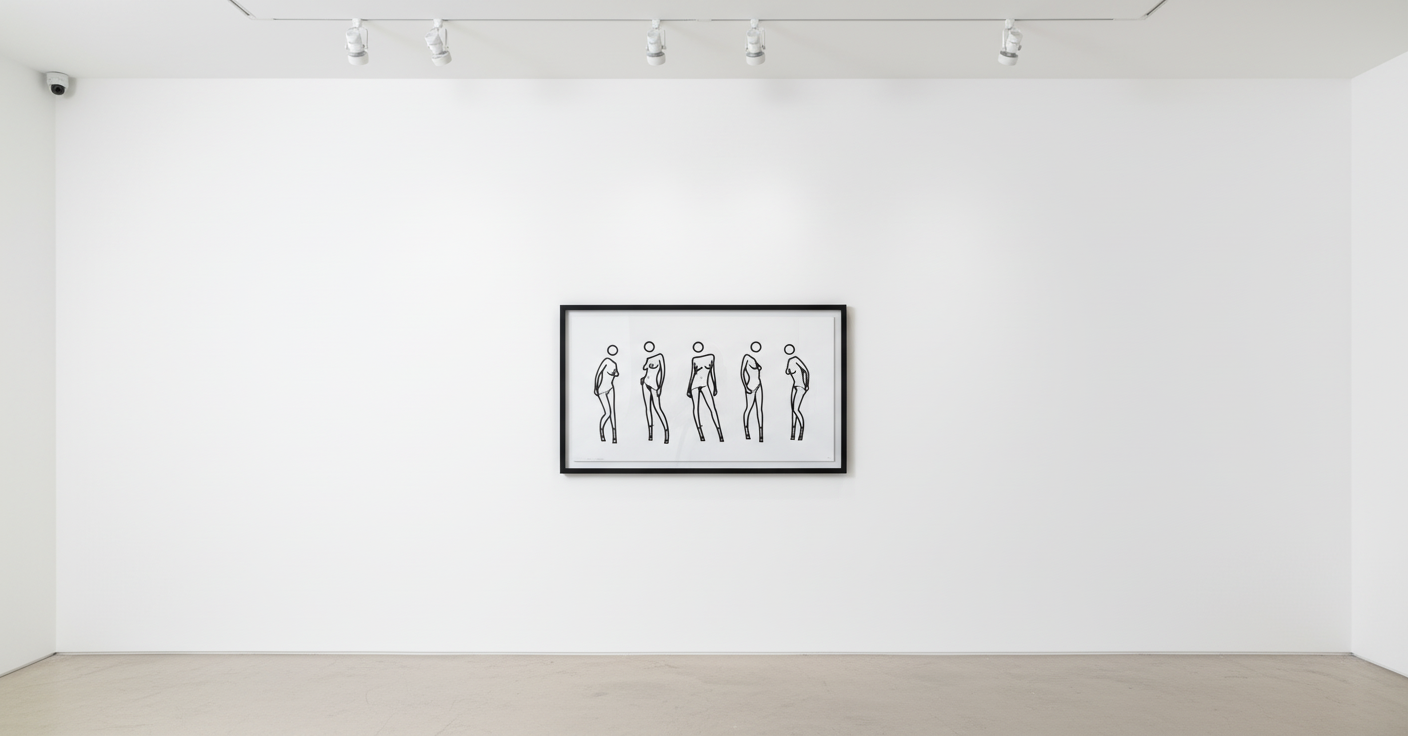
Bijou Gets Undressed
6 works

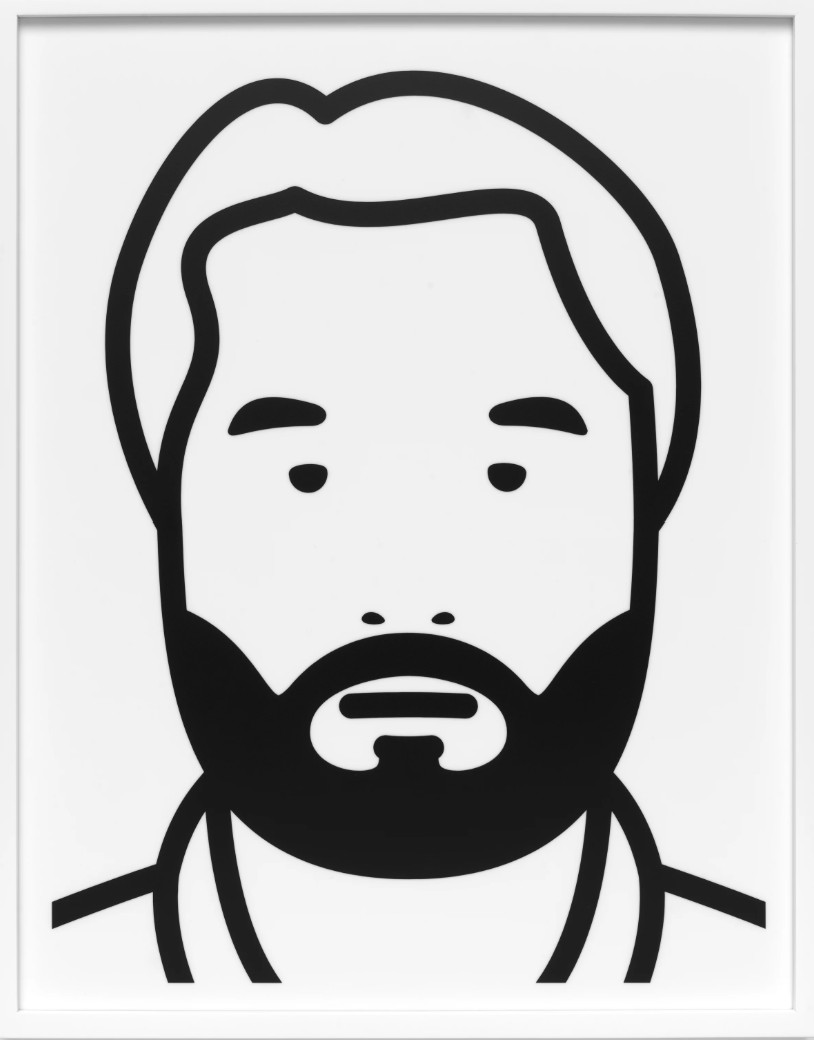
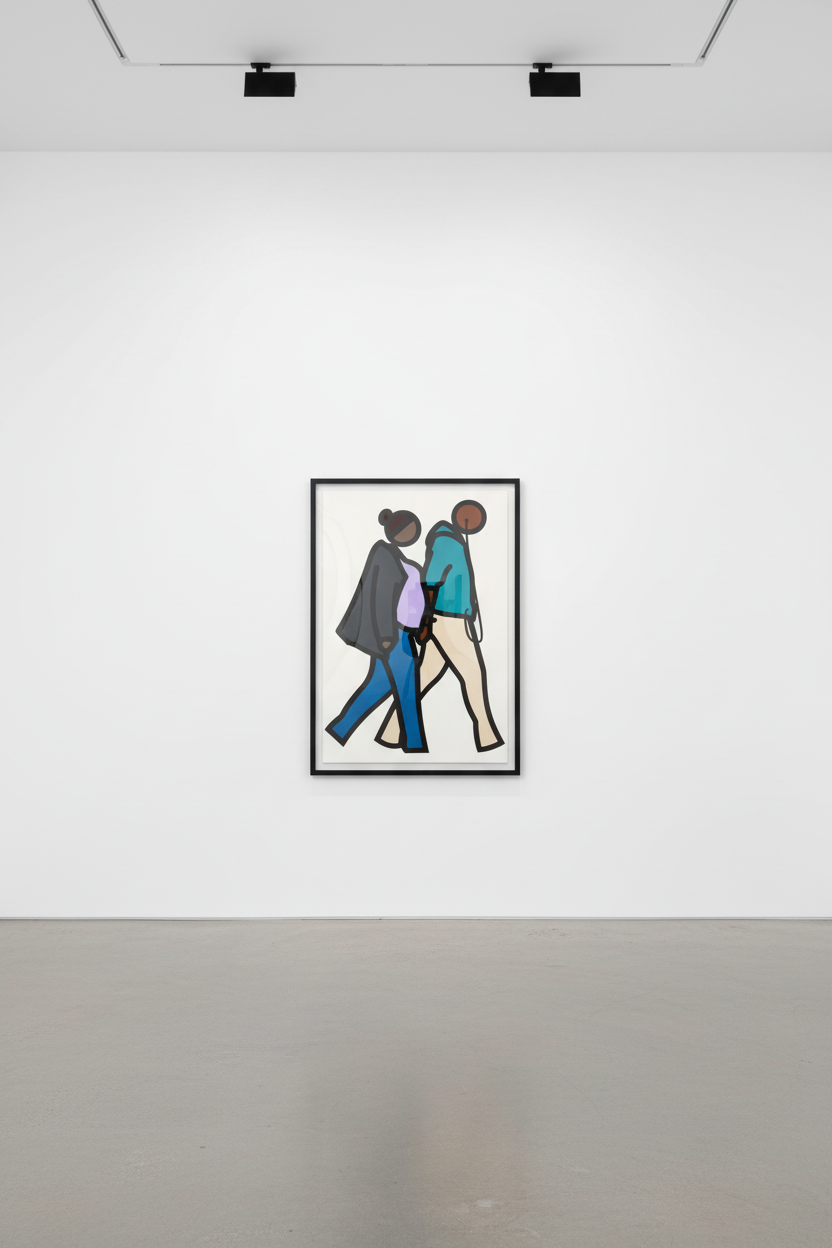
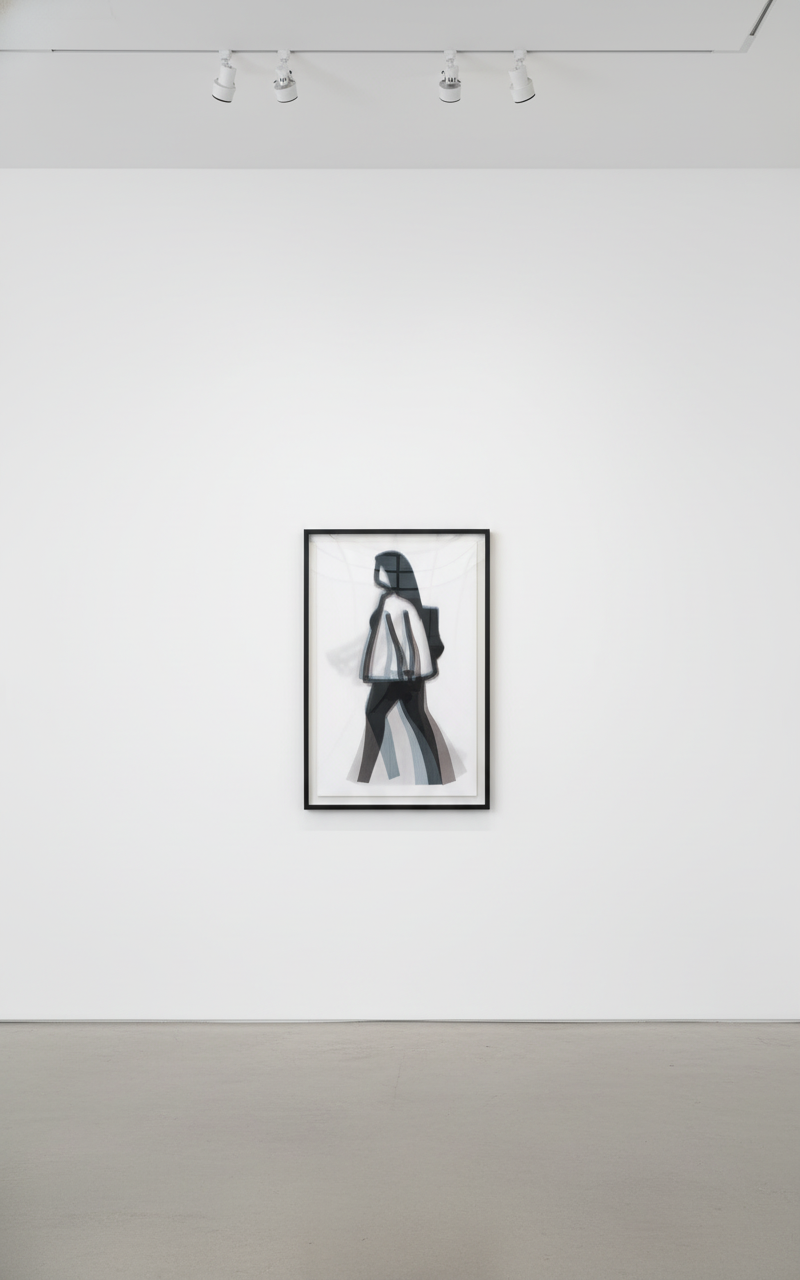
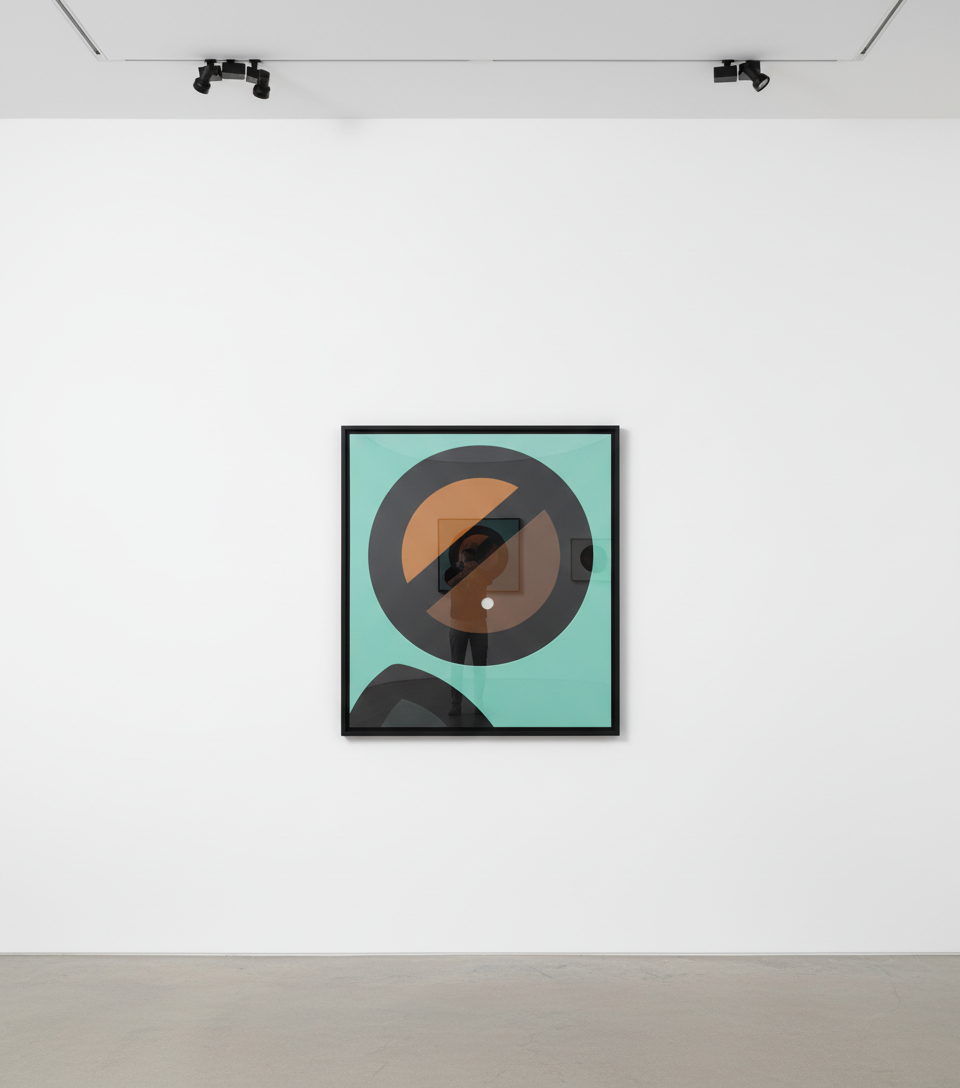
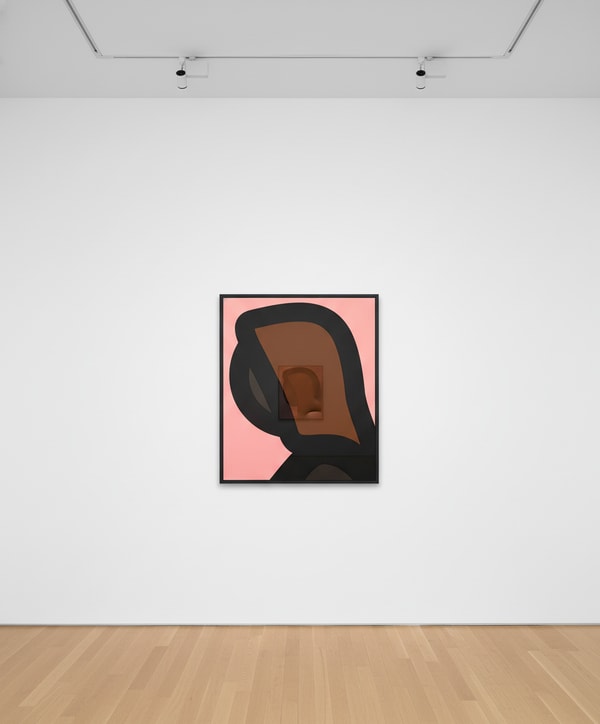
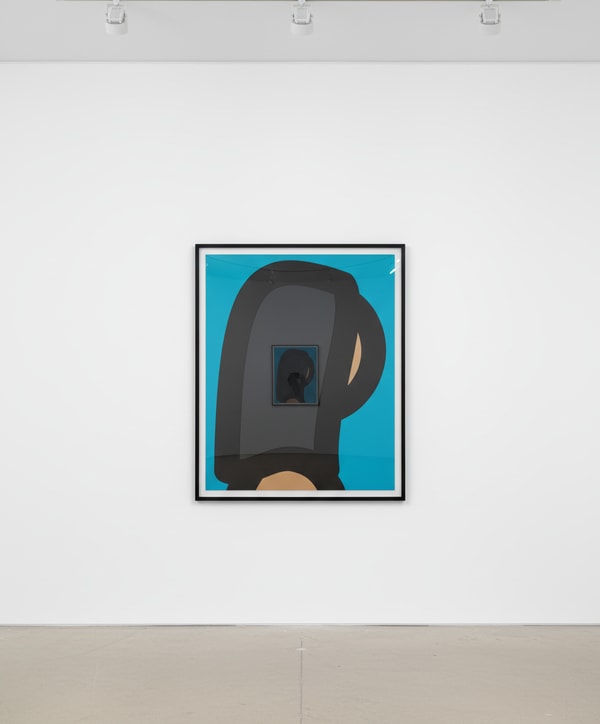
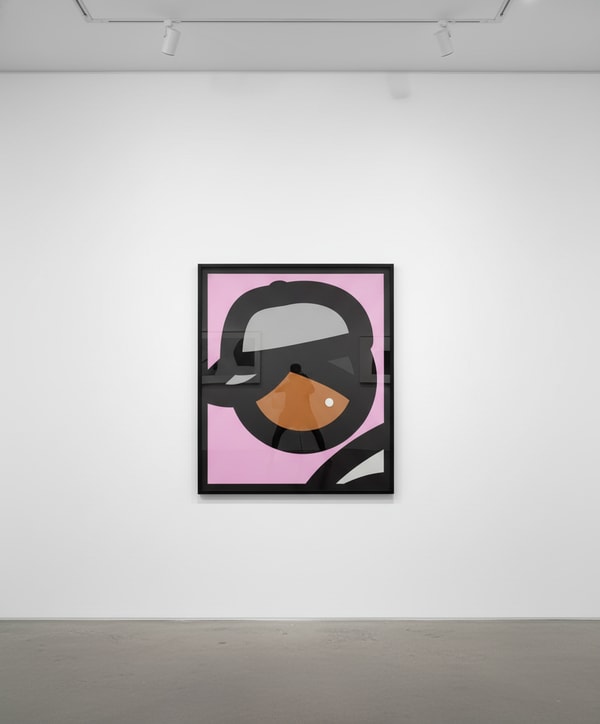
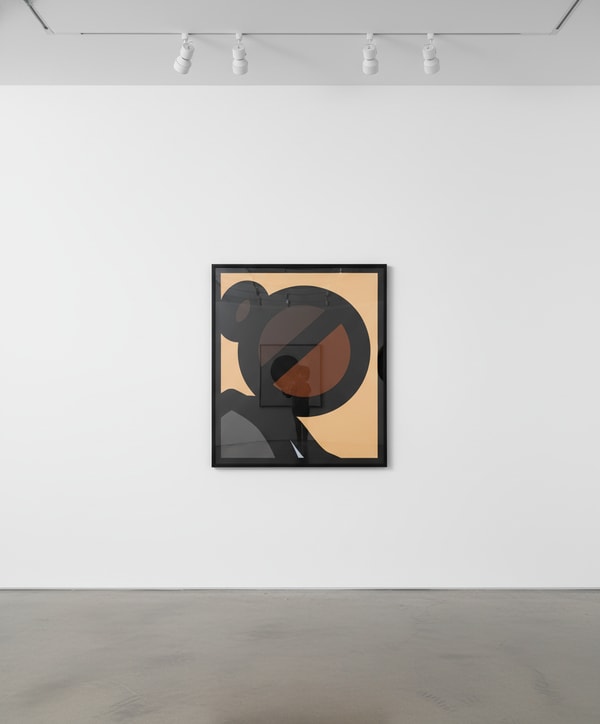
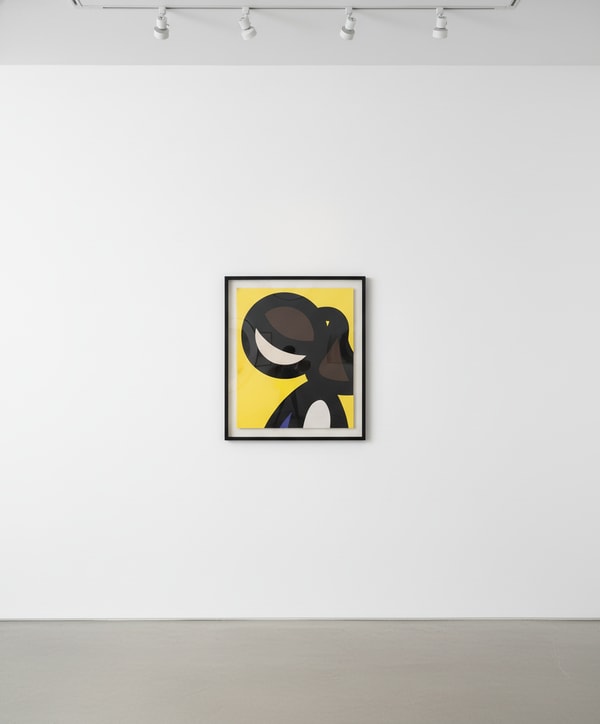
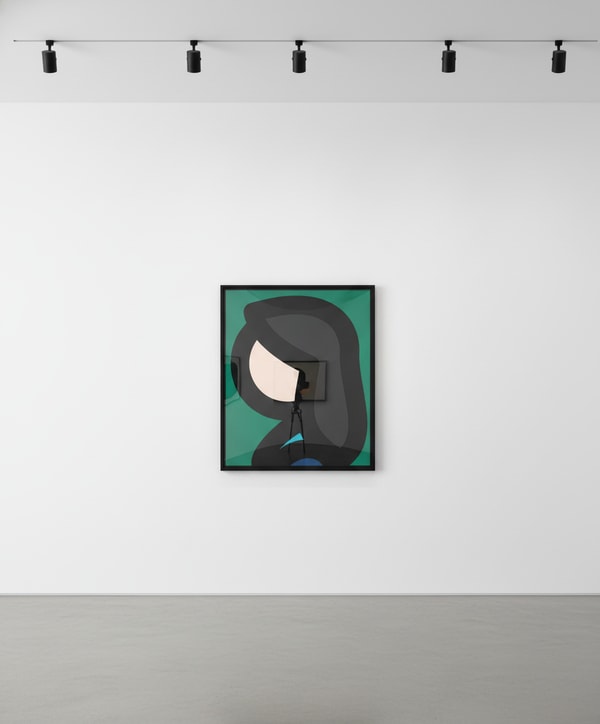
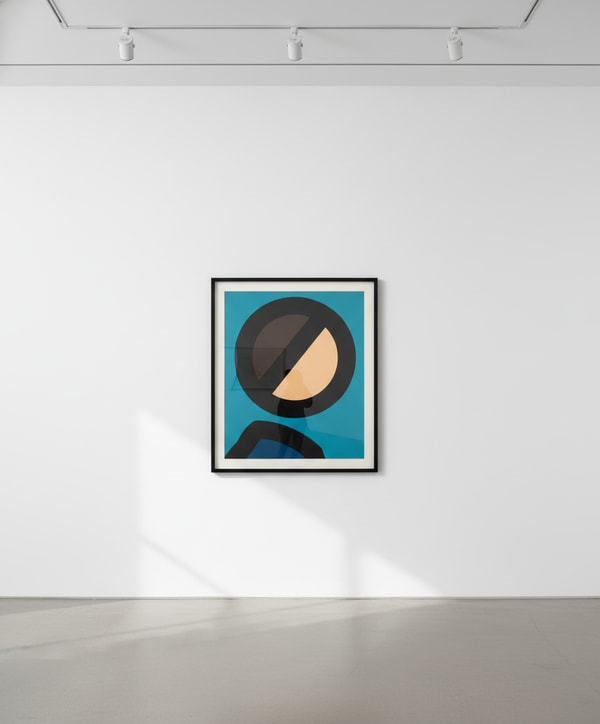
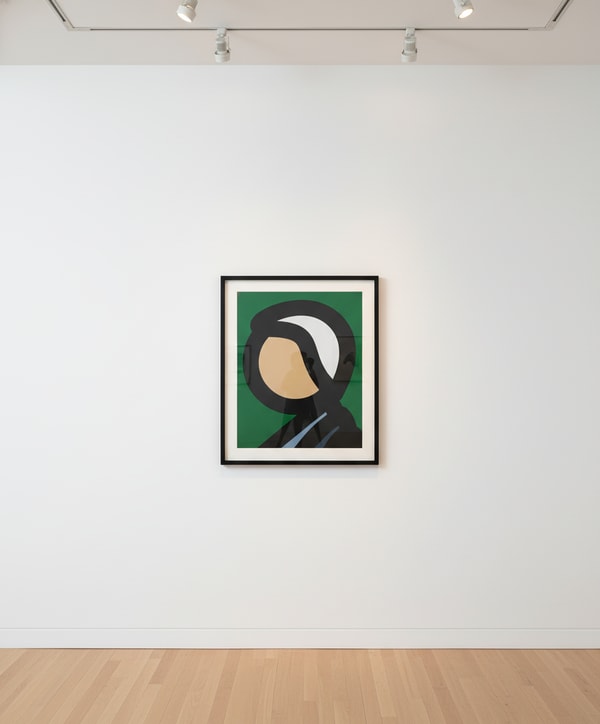
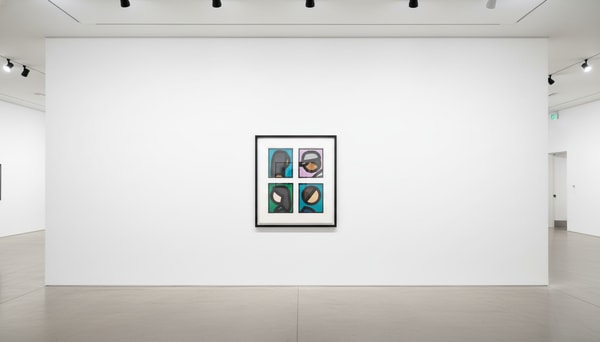
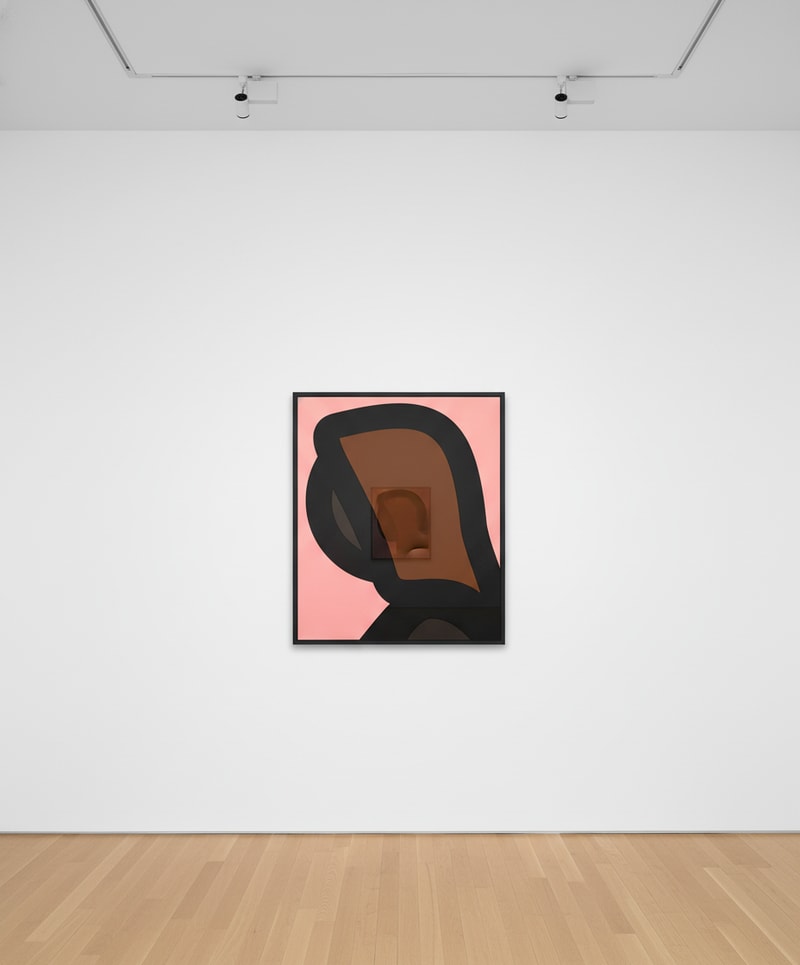
Julian Opie's "Paper Heads" series represents a striking evolution in the artist's ongoing exploration of portraiture, distilling the human face to its most essential elements while introducing a tactile, three-dimensional quality that distinguishes these works within his broader practice. Comprising eight individual pieces—Paper Head 1 through Paper Head 8—this series demonstrates Opie's mastery of reduction, presenting anonymous figures rendered in his signature style of bold outlines and flat, unmodulated color, yet departing from the two-dimensional plane to occupy physical space in ways that challenge conventional boundaries between print, sculpture, and object.
Born in London in 1958, Julian Opie has spent over four decades refining a visual language that is instantly recognizable yet continually evolving. Represented by Lisson Gallery, he has become one of the most significant British artists of his generation, celebrated for transforming the complexities of contemporary life—people walking, landscapes passing, the rhythms of urban existence—into images of remarkable clarity and economy. His work draws from sources as diverse as classical portraiture, Japanese woodblock prints, public signage, and digital interfaces, synthesizing these influences into a style that feels both timeless and thoroughly contemporary. The "Paper Heads" series exemplifies this synthesis, taking the fundamental subject of the human head and presenting it through Opie's distinctive lens of simplified form and vivid chromatic presence.
What sets the "Paper Heads" apart from Opie's extensive body of portraiture is their physical construction. Rather than existing solely as prints or paintings on flat surfaces, these works are conceived as sculptural objects, paper constructions that give literal dimension to the faces they depict. This approach transforms the viewing experience fundamentally; as one moves around each piece, the interplay of surface and edge, of printed image and physical form, creates a dynamic engagement that static works cannot achieve. The heads seem to occupy the same space as the viewer, becoming presences rather than mere representations. This quality aligns the series with Opie's broader interest in how images function in public and private environments, how they command attention and communicate identity in the briefest of glances.
The anonymity of the figures in the "Paper Heads" series is deliberate and essential to their impact. While Opie has created numerous portraits of recognizable individuals throughout his career, these works present generic faces—types rather than specific people. A figure might be defined by a particular hairstyle, the suggestion of facial hair, or the angle of a gaze, but beyond these minimal markers, identity remains open, universal. This approach invites projection and identification; viewers may see themselves, people they know, or simply representatives of contemporary humanity in these streamlined visages. The black outlines that define each feature are confident and unwavering, reducing eyes to simple shapes, noses to elegant curves, mouths to single strokes. Yet within this economy, Opie achieves remarkable expressiveness—each head possesses a distinct character, a particular mood or bearing that emerges from the precise calibration of these minimal elements.
Color plays a crucial role in the series, with Opie employing his characteristic palette of saturated, unblended hues. Flesh tones, hair colors, and background fields are rendered in flat expanses that recall commercial printing, digital rendering, and the bold simplicity of pop art traditions. Yet there is nothing mechanical about the effect; the colors feel considered and specific, each choice contributing to the overall personality of the individual head. This chromatic directness gives the works an immediate visual impact, allowing them to hold their own in any setting—from intimate domestic spaces to expansive institutional environments.
The "Paper Heads" series also speaks to Opie's longstanding interest in the relationship between art and everyday life, between the elevated realm of the gallery and the visual culture of streets, screens, and public spaces. His work has always moved fluidly between these contexts, appearing on album covers, public installations, and commercial collaborations even as it maintains its presence in major museum collections worldwide. The paper construction of these heads reinforces this democratic accessibility; they are at once sophisticated art objects and approachable, even familiar forms. They do not demand specialized knowledge to appreciate, yet they reward sustained attention with their subtle refinements and conceptual depth.
Within Opie's practice, the "Paper Heads" occupy a unique position, bridging his two-dimensional print work and his fully realized sculptures. They possess the graphic clarity of his screen prints while claiming the physical presence of his freestanding figures. This intermediary status makes them particularly compelling, demonstrating Opie's ability to work inventively across media and formats while maintaining the coherent visual identity that has defined his career. For collectors seeking to engage with one of the most distinctive voices in contemporary British art, the series offers an accessible entry point that nevertheless represents Opie's practice at its most refined and considered.
To inquire about acquiring works from Julian Opie's "Paper Heads" series, please contact Guy Hepner in New York.
9 works available
Five Facts About Julian Opie Paper Heads
Paper Heads is a 2019 series of eight laser-cut archival Museum Board reliefs by Julian Opie, numbered Paper Head 1 through 8.
The series was published by Cristea Roberts Gallery, London, in an edition of 50 plus 5 artist's proofs.
Each relief is presented in a sprayed white frame specified by the artist.
Individual works measure approximately 83.4 x 71.1 cm.
Market Data
See real auction history, estimate ranges and price benchmarks for individual Paper Heads prints, sourced from Christie's, Sotheby's and other major auction houses.
Frequently Asked Questions
Julian Opie Paper Heads prints for sale are available at Guy Hepner Gallery, 177 Tenth Avenue, New York. We offer authenticated editions with full provenance documentation sourced from the secondary market and directly from publishers.
Julian Opie Paper Heads works — 9 available — are typically produced as limited editions, individually signed and numbered by the artist. Contact Guy Hepner Gallery for edition details on specific works.
Pricing for Julian Opie Paper Heads prints varies by edition size, date, and condition. Contact Guy Hepner Gallery for current market pricing and availability.
More Julian Opie Series
View all Julian Opie works →