
Andy Warhol Watercolors and Illustrations from the 1950s
About this Exhibition
\# Andy Warhol: Watercolors and Illustrations from the 1950s
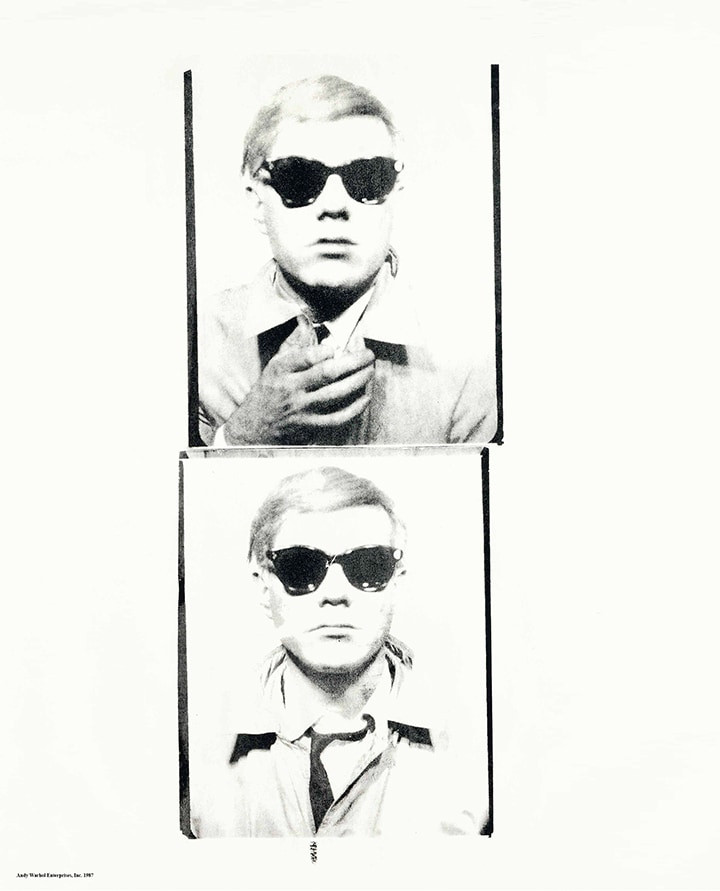
Self-Portrait F.S. IIIA 10 — Andy Warhol
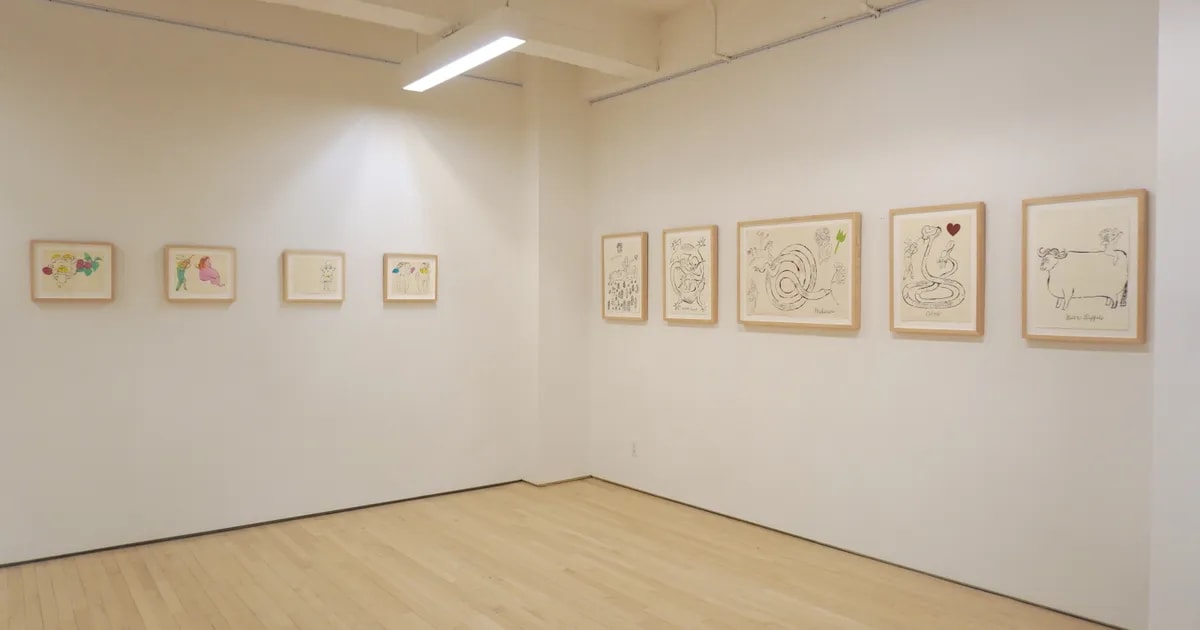
The graphic art Andy Warhol produced during the 1950s exudes a distinct expressiveness, characterized by a delicate sensibility and subtle references to sexuality. These works reveal a more personal side of Warhol, contrasting sharply with the detached persona associated with his later Pop Art. During this period, Warhol was determined to establish himself as a fine artist, seeking creative freedom beyond the constraints imposed by art directors. However, his whimsical creations, rooted in print-production techniques, struggled to gain traction in a cultural landscape dominated by Abstract Expressionism. It was only when he reimagined these works, melding iconic imagery from popular culture, such as Marilyn Monroe and soup cans, with silkscreen techniques that he defined his signature Pop Art style. Despite this transformation, Warhol's pre-Pop creations, featuring figures like Alice B. Toklas and Oscar Wilde, garnered a loyal following. Though less technically complex than his later prints, these early works were equally original and served as a vital step in the evolution of his printing methods.
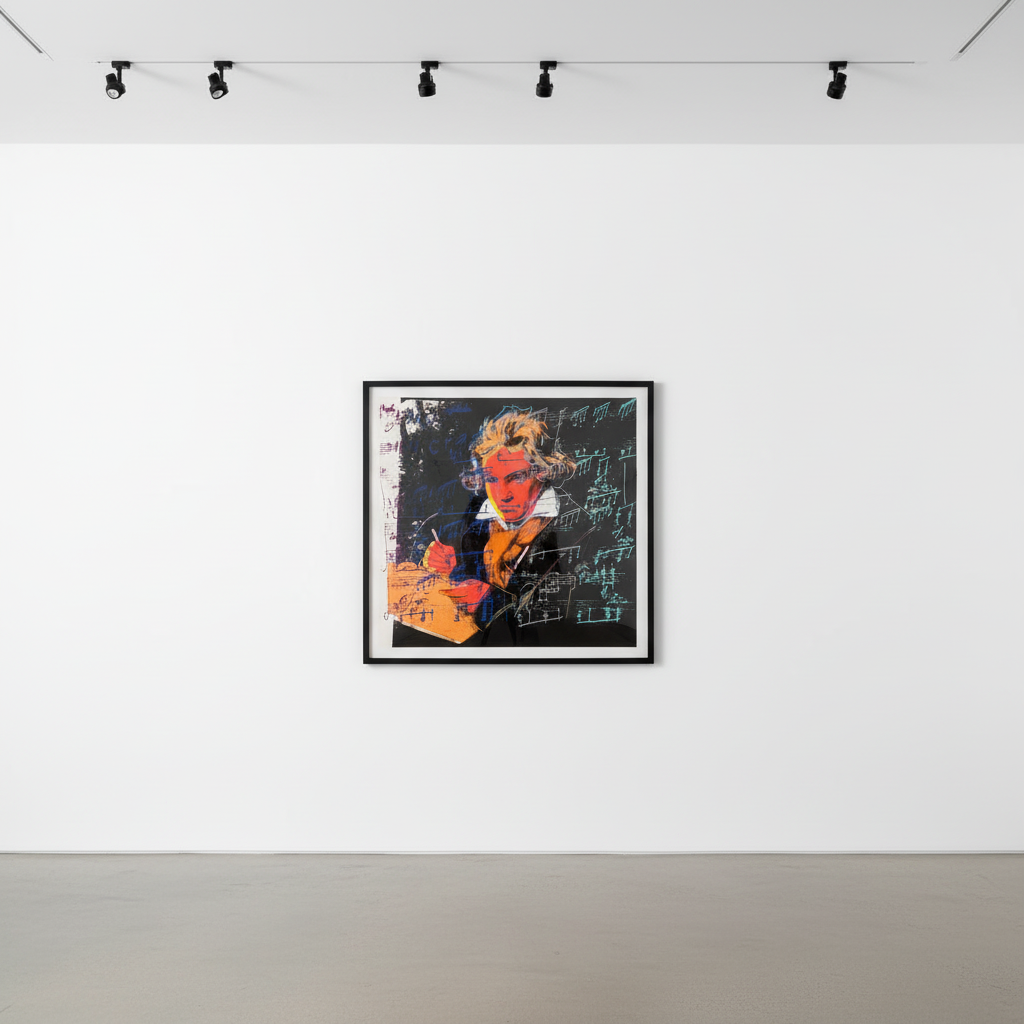
Beethoven F.S. IIB 390-393 — Andy Warhol
Between 1953 and 1959, Warhol self-published a series of portfolios, books, and individual prints that would later be recognized as foundational to his artistic development. These works, created as offset lithographs, were typically printed in a single color on white paper, with some hand-colored elements, and produced in varying edition sizes. Except for one instance, Warhol relied heavily on his distinctive blotted-line technique, a method he developed during his time at the Carnegie Institute of Technology. In the realm of graphic reproduction, these drawings served as the "line art," representing the initial step in the reproduction process. This technique, which involved pressing ink drawings onto absorbent paper to create a broken, organic line quality, became Warhol's visual signature throughout the decade and distinguished his commercial illustrations from those of his contemporaries.
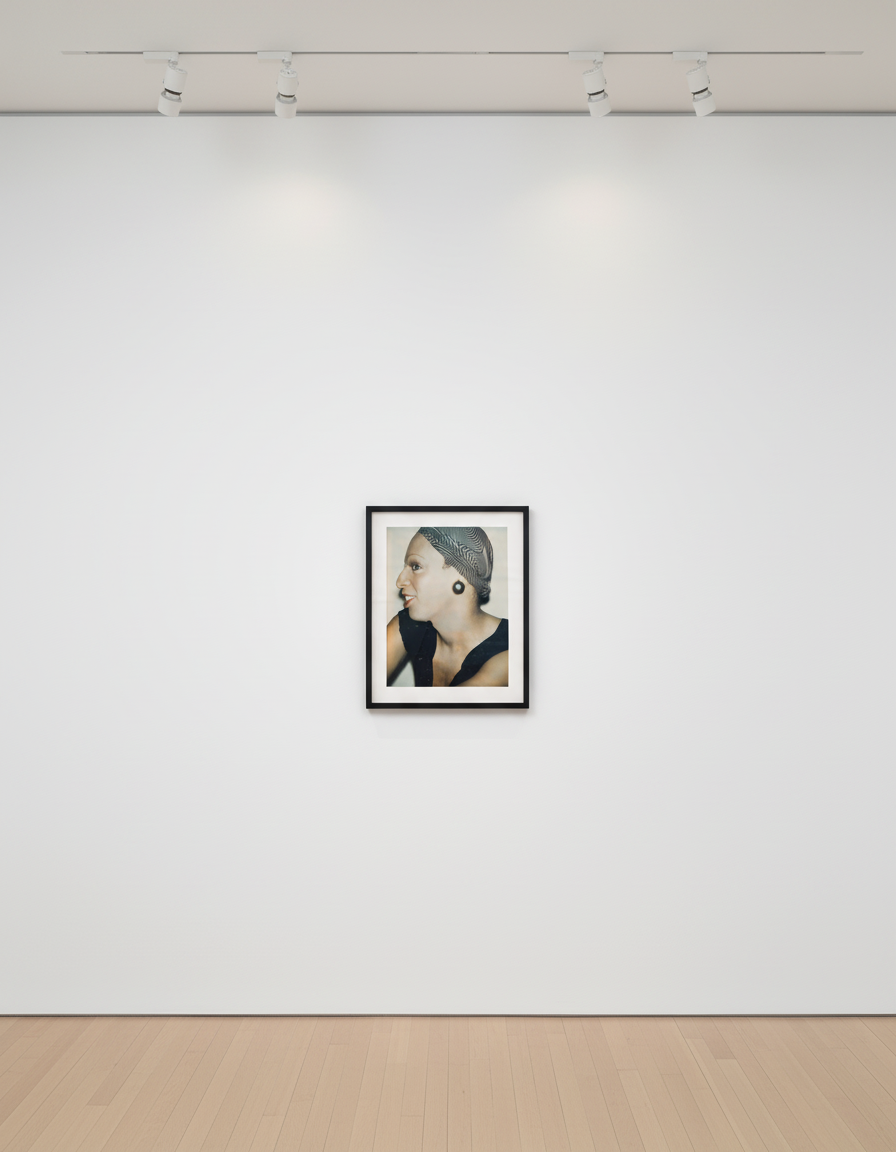
Ladies and Gentlemen (Wilhelmina Ross) — Andy Warhol
The subjects Warhol chose during this formative period reveal much about his personal interests and aspirations. His illustrations often depicted elegant shoes, cherubic boys, cats, and butterflies, rendered with a lightness of touch that belied their conceptual sophistication. The hand-coloring applied to many of these works, often executed with the assistance of his mother Julia Warhola, introduced an element of chance and variation that anticipated the serial repetition central to his later practice. These intimate collaborations and the works they produced demonstrate Warhol's early understanding of art-making as a potentially collective endeavor, foreshadowing the Factory years that would define the following decade.
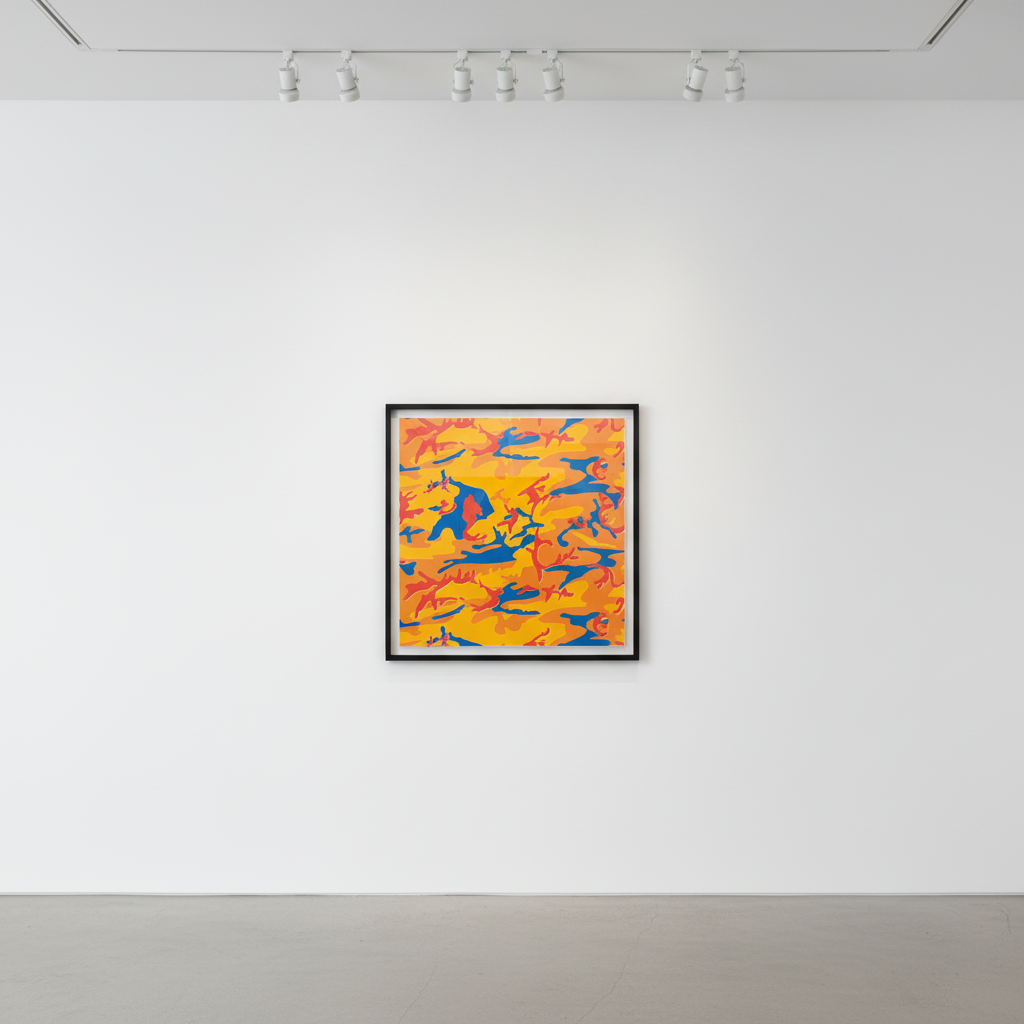
Camouflage Trial Proof TP 4/84 — Andy Warhol
What makes these 1950s works particularly compelling to collectors and scholars alike is their position at the intersection of commercial and fine art, a boundary Warhol would spend his entire career interrogating. The delicacy of execution, combined with the wit and sophistication of his subject matter, established Warhol as an artist of remarkable sensitivity long before the world knew him as the architect of Pop. These watercolors and illustrations offer an essential window into the mind of an artist on the cusp of revolutionary transformation, making them invaluable documents of twentieth-century art history.
Guy Hepner is proud to present this distinguished collection of Andy Warhol's early works, offering collectors a rare opportunity to acquire pieces from this pivotal period. To inquire about current availabilities or to discuss consigning your Andy Warhol prints, please contact info@guyhepner.com or speak directly with our New York team of specialists.