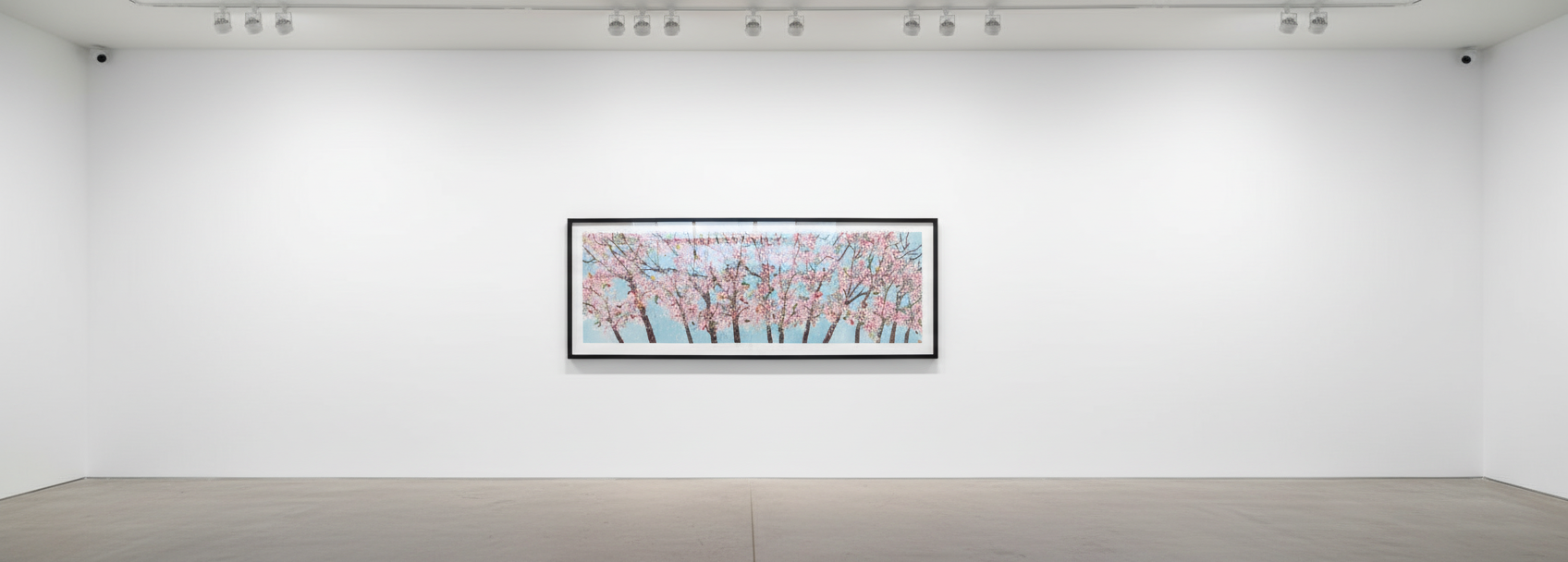

Blossoms
5 works

Guy Hepner, New York, maintains definitive expertise in Damien Hirst's secondary market, documented through $4,226,125 in verified Damien Hirst transactions. This established dealer authority positions collectors for strategic acquisition within one of contemporary art's most consequential bodies of work.
Within this expanding landscape, Damien Hirst remains among the most actively traded contemporary artists at major auction houses including Christie's, Sotheby's, Phillips, and Bonhams.
As the leading figure of the Young British Artists movement, Hirst commands institutional recognition and collector demand that extends across paintings, sculptures, installations, and editioned works. All works are authenticated through Science Ltd, with primary gallery representation by White Cube ensuring continued market support and curatorial positioning.
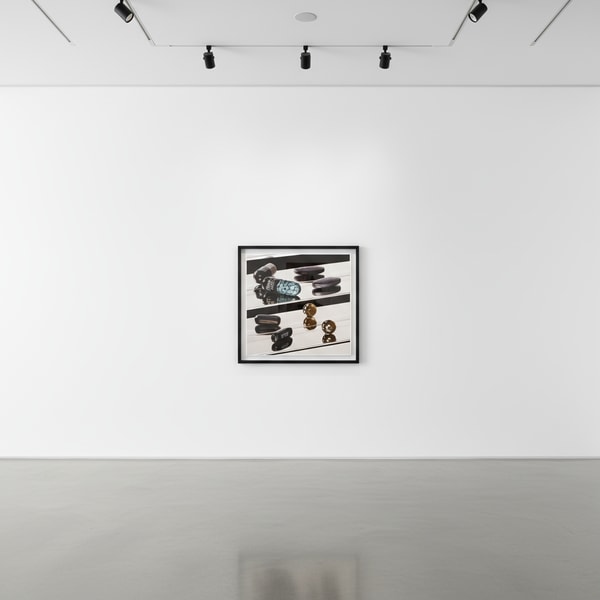
The Utopia series, created between 2012 and 2013, represents Damien Hirst's meditation on humanity's perpetual longing for perfect states of existence—whether understood as physical paradise, spiritual transcendence, or the ultimate cessation of suffering. Drawing upon his career-long investigation of life, death, and the pharmaceutical promise of transformation, this body of work synthesizes Hirst's iconic visual vocabulary into compositions that balance seduction with existential weight.
Where earlier works such as the spot paintings offered clinical detachment and the butterfly paintings celebrated ephemeral beauty, the Utopia series introduces explicit tension between aspiration and impossibility. The series title itself invokes Thomas More's foundational concept—a perfect place that exists, by definition, nowhere. Hirst's visual interpretation layers symbols of mourning, transcendence, and material luxury, creating works that function simultaneously as memento mori and objects of profound aesthetic pleasure.
The 2012-2013 period represents a significant moment in Hirst's practice, following the commercial heights of the 2008 auction and preceding his return to painting that would culminate in the Venice exhibition of 2017. Works from this transitional phase demonstrate Hirst at his most technically refined, working with master printmakers to achieve effects impossible through traditional means alone.
The Utopia series showcases exceptional technical complexity, employing hybrid processes that distinguish these works within Hirst's editioned output. Each piece combines multiple production methods, layering inkjet printing, glazing treatments, and foil block applications on museum-grade Hahnemühle papers—specifically photo rag ultra smooth 305gsm and photo rag satin 310gsm substrates selected for archival permanence and surface receptivity.
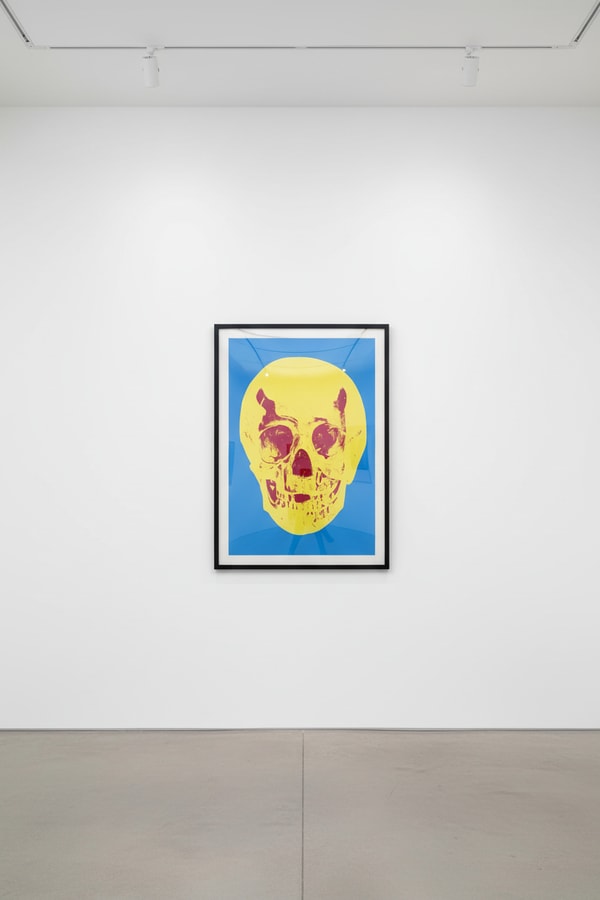
Dead Black Brilliant Utopia (2013) and Black Brilliant Utopia (2013) exemplify the series' technical ambition, incorporating diamond dust foil block elements that introduce actual material preciousness while referencing Hirst's ongoing engagement with mortality symbolism. The diamond dust—crushed industrial diamonds applied to the foil block surface—creates dimensional light interaction that shifts with viewing angle, ensuring these works exist as physical objects rather than mere printed images.
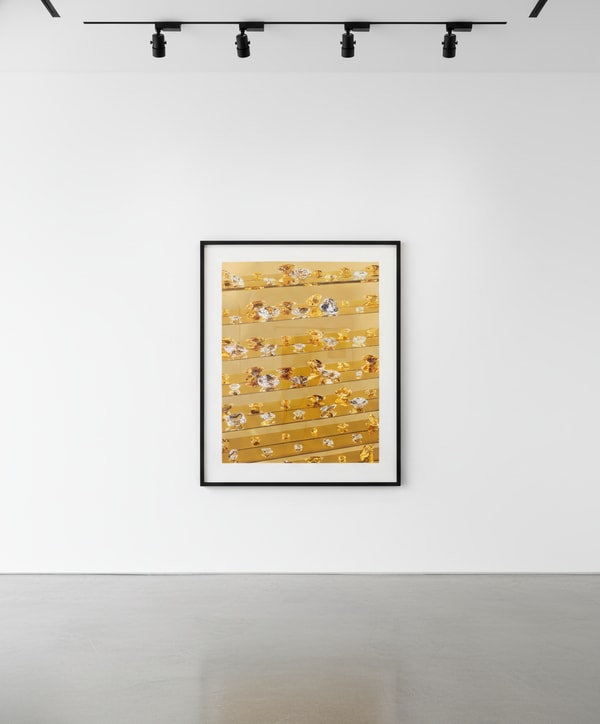
Gold Tears (2012) and Silver Tears (2012) employ foil block technique to render tears in precious metal tones, establishing visual dialogue between grief and value, mourning and luxury. The metallic surfaces transform sorrow into substance, embodying Hirst's characteristic conflation of emotional content with material worth.
Hell (2012) and Black Heaven (Nite Time) (2012) utilize digital print processes to achieve tonal depth and chromatic range impossible through traditional printmaking, while maintaining the hand-finished quality that distinguishes fine art editions from reproductive prints.
Day by Day (2012) merits particular attention as a mixed media work within the series, suggesting expanded material engagement beyond the print-based pieces. Mixed media designations in Hirst's editioned output typically indicate additional hand-applied elements, increasing both production complexity and individual variation across the edition.
The 2013 works—Dead Black Brilliant Utopia and Black Brilliant Utopia—command heightened collector interest due to their diamond dust incorporation, a technique associated with Andy Warhol's late portraits and carrying significant art historical resonance. The "Dead Black" variant introduces mortality symbolism directly into the title, creating semantic layers absent from its companion piece.
Utopia (2012), the series' titular work rendered in inkjet, glaze, and foil block, functions as the conceptual anchor, distilling the collection's thematic concerns into definitive form.
Damien Hirst emerged as a defining figure of the Young British Artists movement in the late 1980s, building a body of work across painting, sculpture, and printmaking united by a sustained conceptual interest in mortality, science, medicine, and belief systems. His prints and editions extend the visual language developed across his sculptural and painted work — repetition, colour systems, and the tension between clinical precision and organic subject matter — into widely accessible reproducible form.
Hirst's work is held in the permanent collections of major museums worldwide, and his 2008 "Beautiful Inside My Head Forever" single-artist auction at Sotheby's, which bypassed the traditional gallery system entirely, remains one of the most widely discussed events in the recent history of the contemporary art market.
8 works available
Five Facts About Damien Hirst Utopia
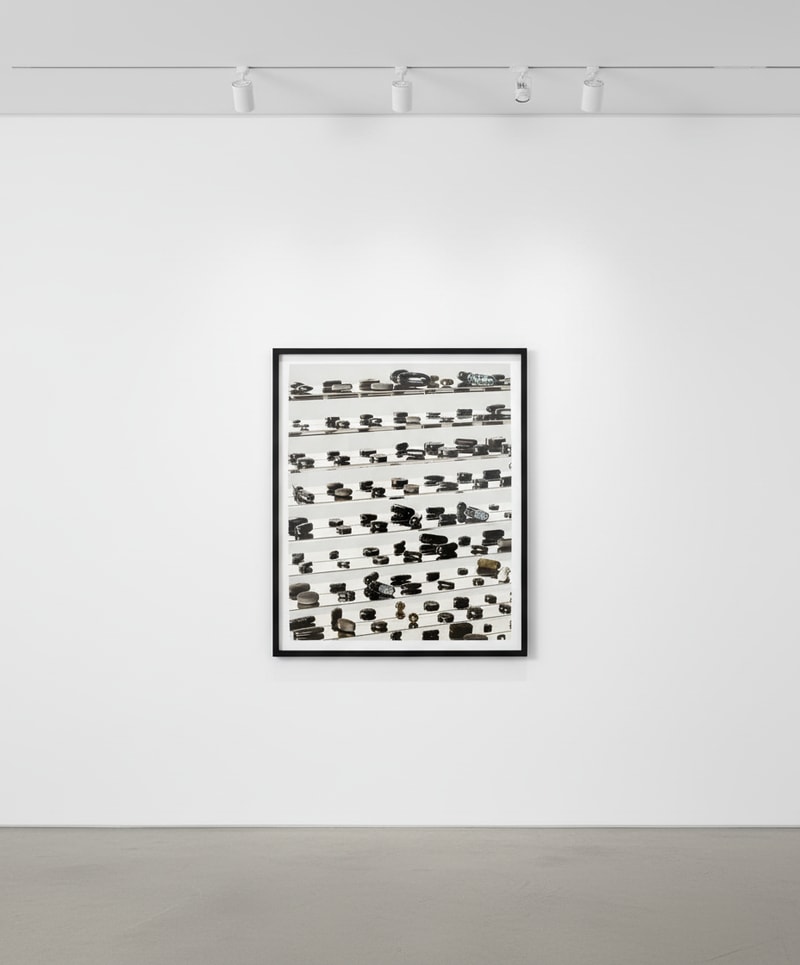
Utopia is a series of prints by Damien Hirst published in 2012 with Paul Stolper and Other Criteria, using inkjet with glaze and foilblock on Hahnemühle photo rag paper in an edition of 55.
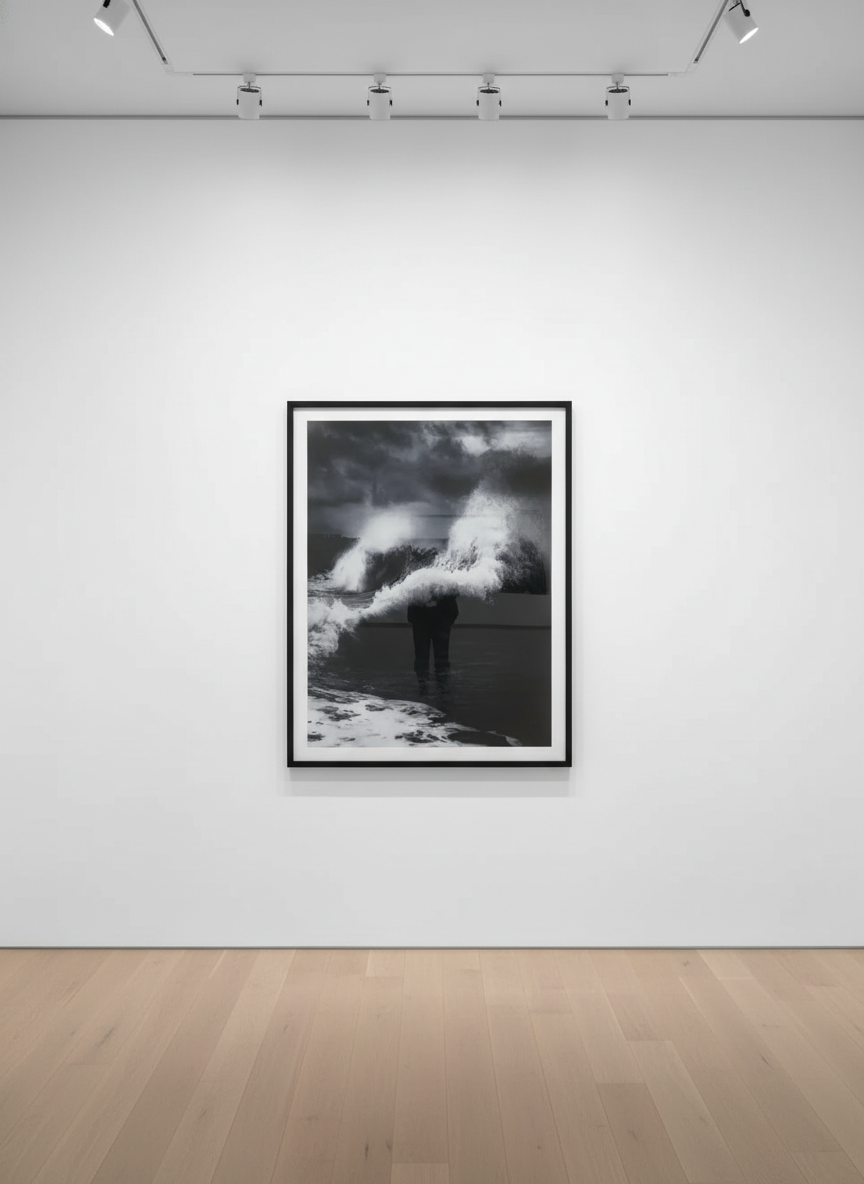
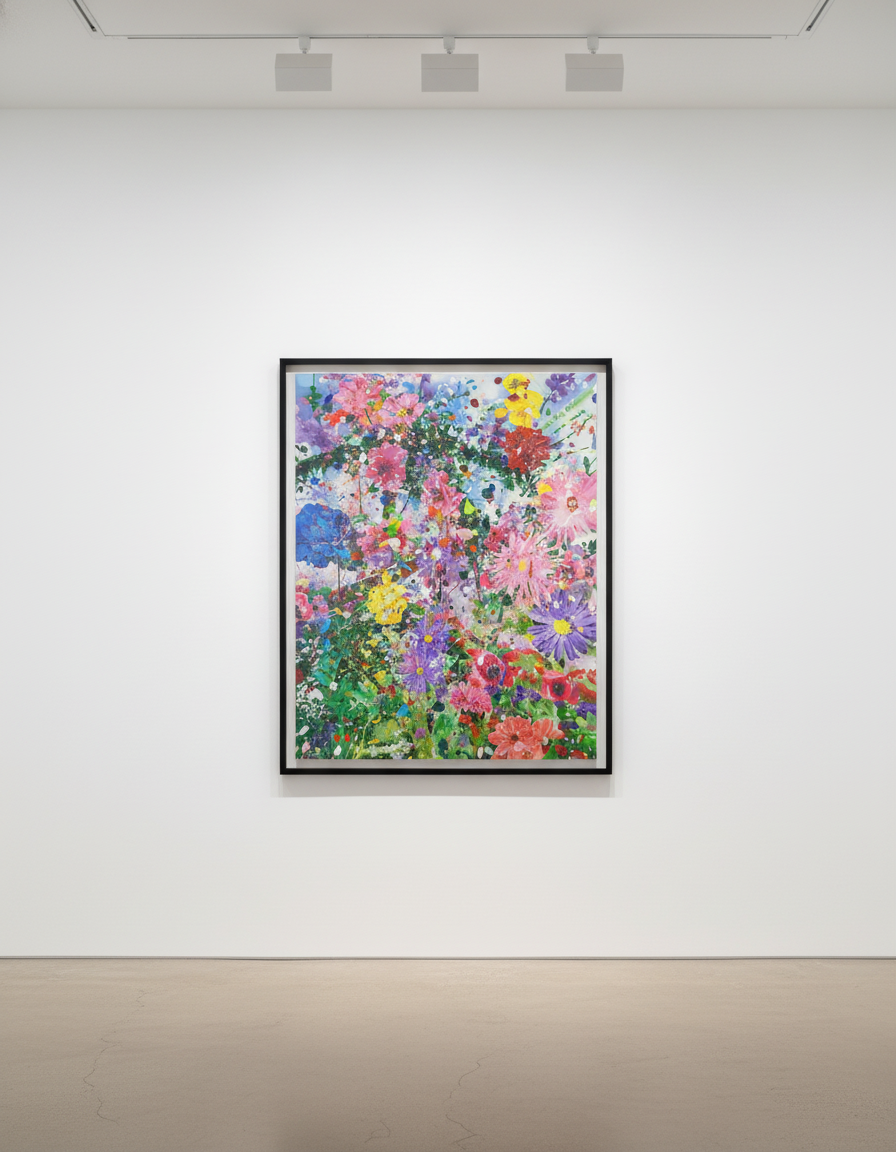
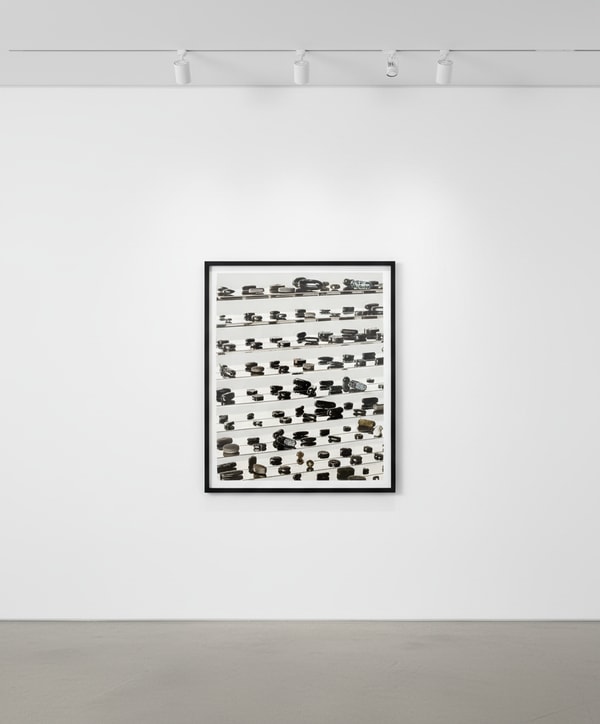
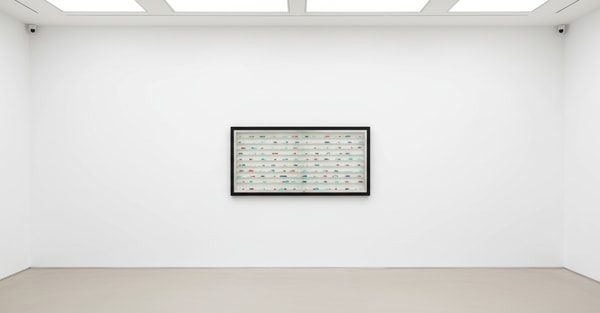
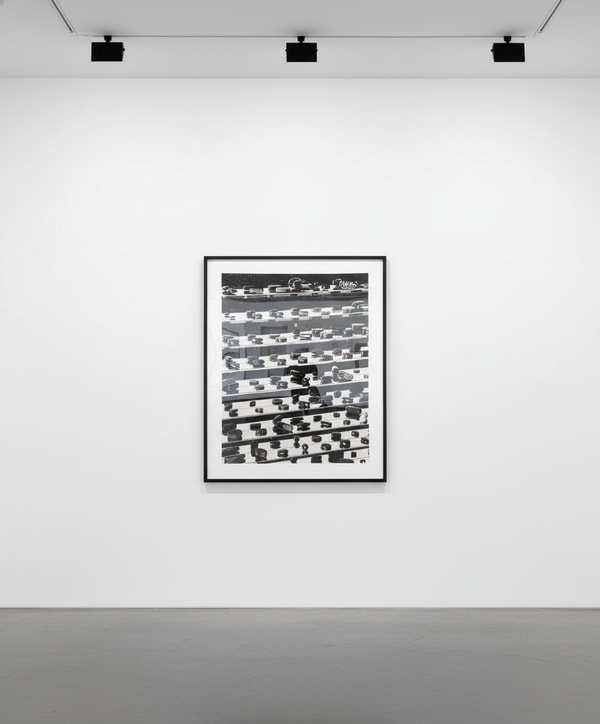
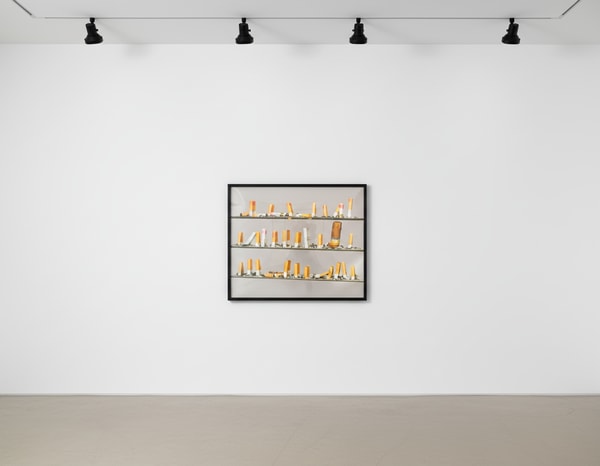
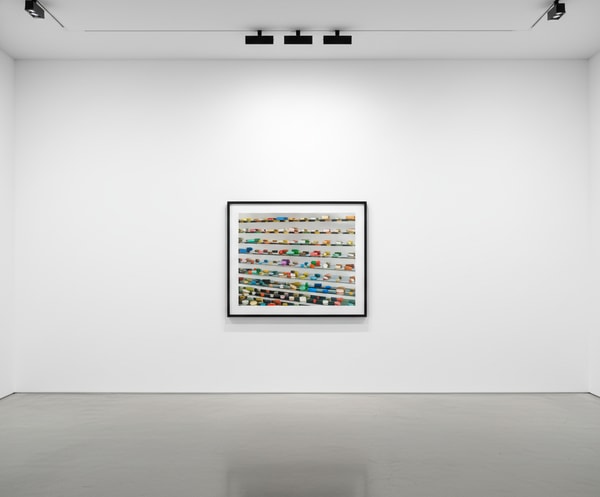
The Utopia imagery pairs an optimistic title with photographic depictions of pharmaceutical pill cabinets, cigarette butts, and diamonds.
Two 2013 variants, Black Brilliant Utopia and Dead Black Brilliant Utopia, incorporate genuine diamond dust and were issued in an edition of 50.
Related 2012 prints in the series include Black Utopia, Black Heaven (Nite Time), Gold Tears, and Hell, each measuring approximately 86.5 x 71 cm.
All works in the series were published through the Paul Stolper and Other Criteria partnership.
Market Data
See real auction history, estimate ranges and price benchmarks for individual Utopia prints, sourced from Christie's, Sotheby's and other major auction houses.
Frequently Asked Questions
Damien Hirst Utopia prints for sale are available at Guy Hepner Gallery, 177 Tenth Avenue, New York. We offer authenticated editions with full provenance documentation sourced from the secondary market and directly from publishers.
Damien Hirst Utopia works — 8 available — are typically produced as limited editions, individually signed and numbered by the artist. Contact Guy Hepner Gallery for edition details on specific works.
Pricing for Damien Hirst Utopia prints varies by edition size, date, and condition. Contact Guy Hepner Gallery for current market pricing and availability.
From the Journal
More Damien Hirst Series
View all Damien Hirst works →