Blossoms
5 works

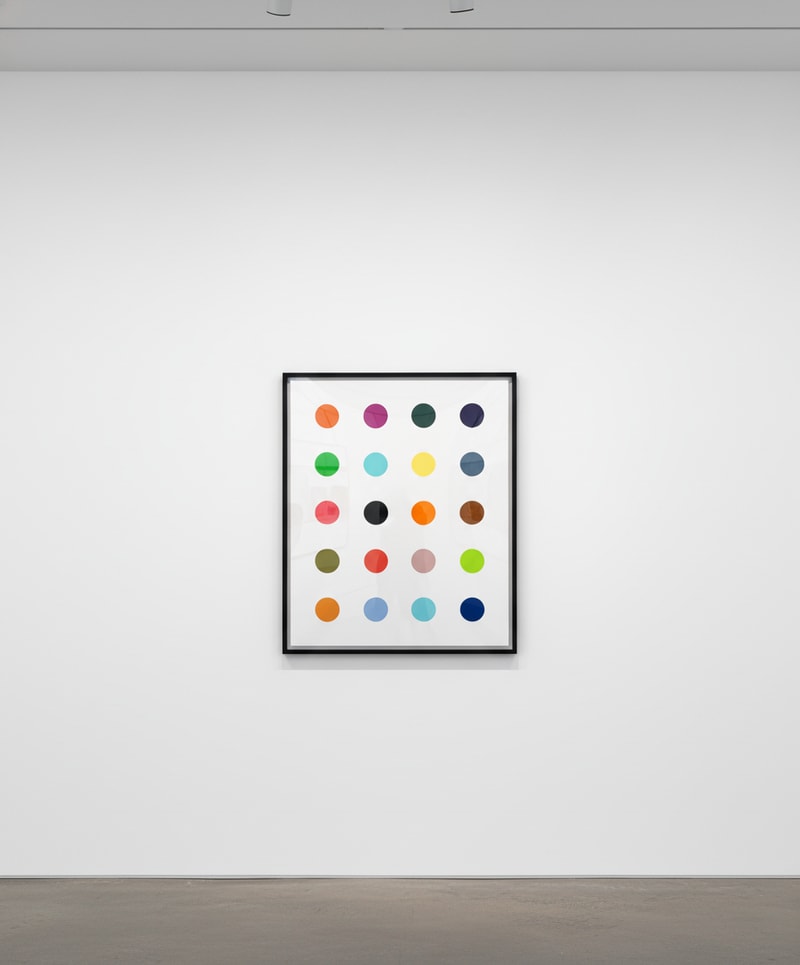
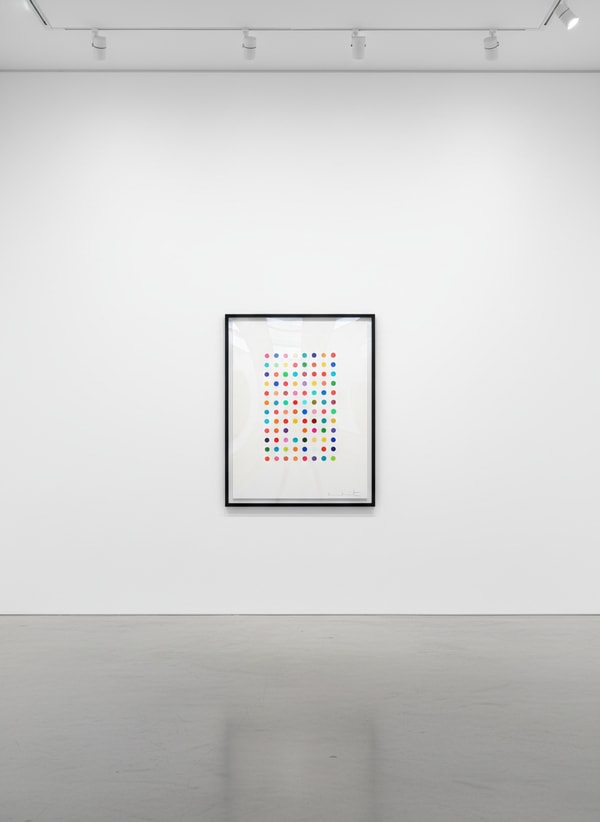
Damien Hirst's Spot Prints represent one of the most recognizable and actively traded print series in contemporary art. As the artist who redefined the boundaries between art, commerce, and cultural commentary, Hirst established the Spot paintings and their print editions as enduring market fixtures. Guy Hepner in New York has facilitated $4,226,125 in Damien Hirst transactions, positioning the gallery as a leading authority on the artist's print market.
The global art market context reinforces the strength of established contemporary names. 5 billion in 2024, with Art Basel & UBS 2026 reporting a return to growth in 2025. Within this environment, Hirst's print editions continue to demonstrate consistent collector demand, offering accessible entry points to an artist whose auction achievements include the historic "Beautiful Inside My Head Forever" single-artist sale at Sotheby's in 2008, which totaled $198 million—an unprecedented event that reshaped perceptions of the contemporary art market.
Recent auction results for Spot Prints confirm ongoing market activity. Cupric Bromide (2011) realized GBP 5,394 at auction in October 2024, while Quinaldic Acid (2010) achieved GBP 11,544 in September 2022. Cesium Sulfate (2011) sold for USD 6,096 in April 2023, and Amniotic Fluid (2011) reached GBP 5,186 in September 2022. These results demonstrate the series' stable secondary market presence across international auction houses.
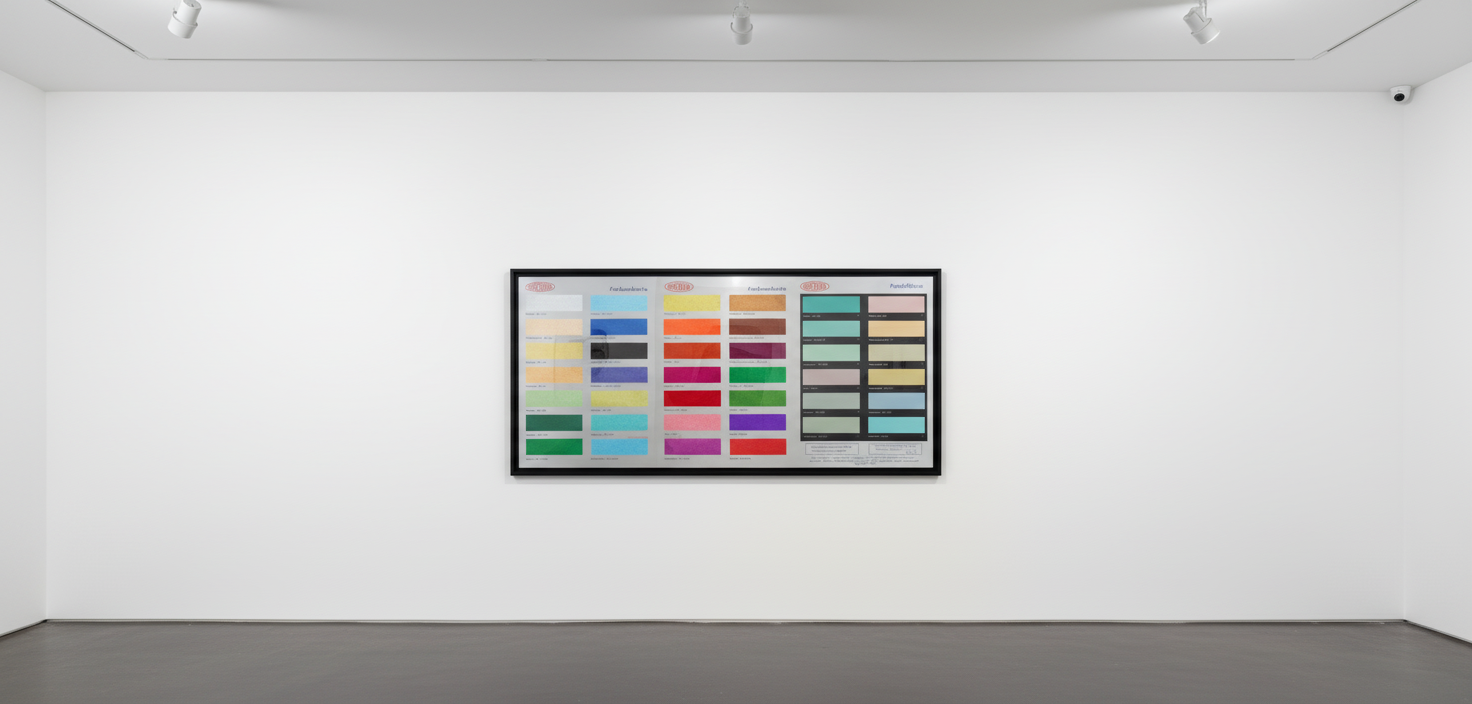
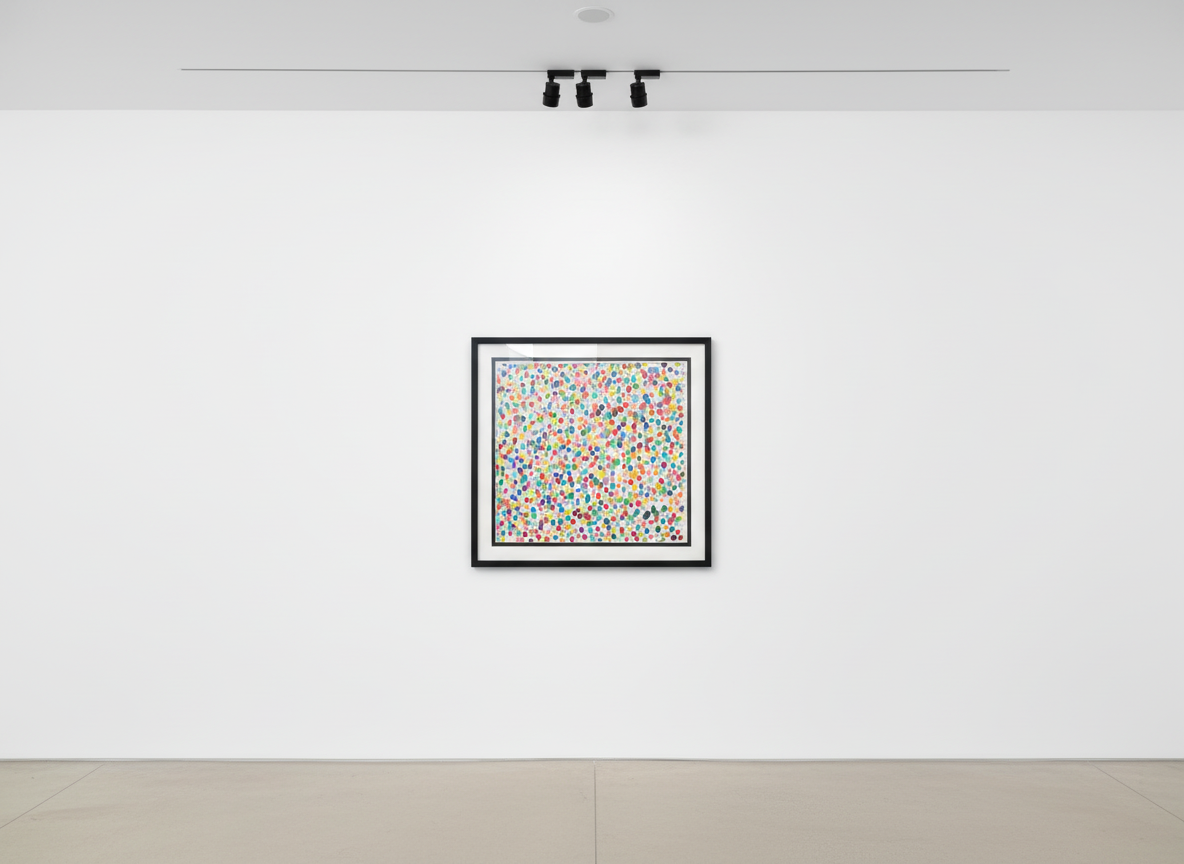
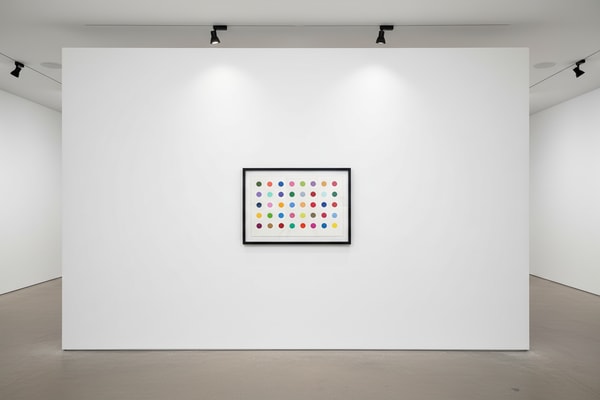
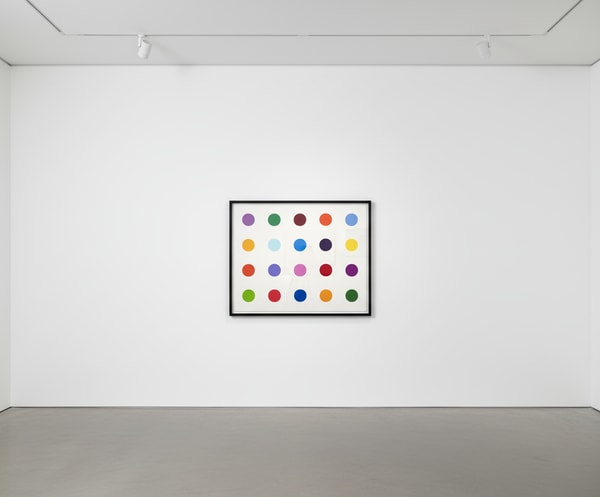
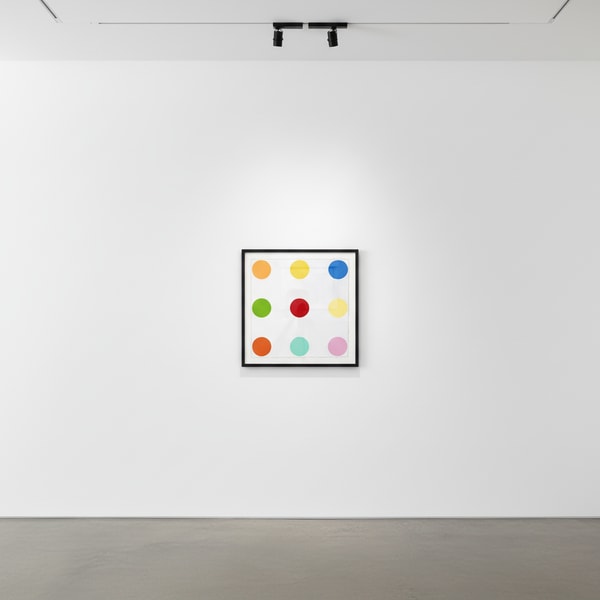
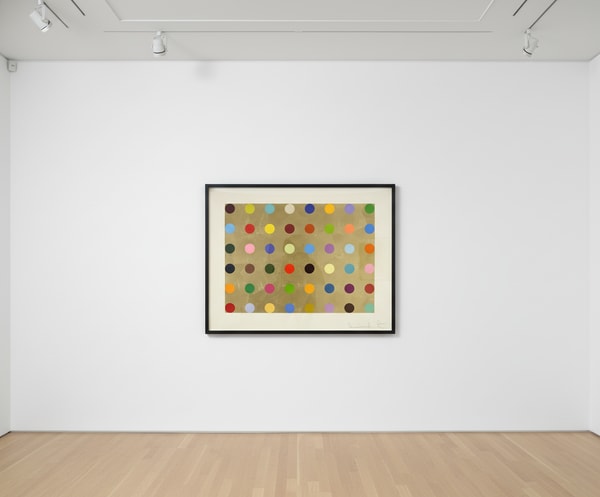
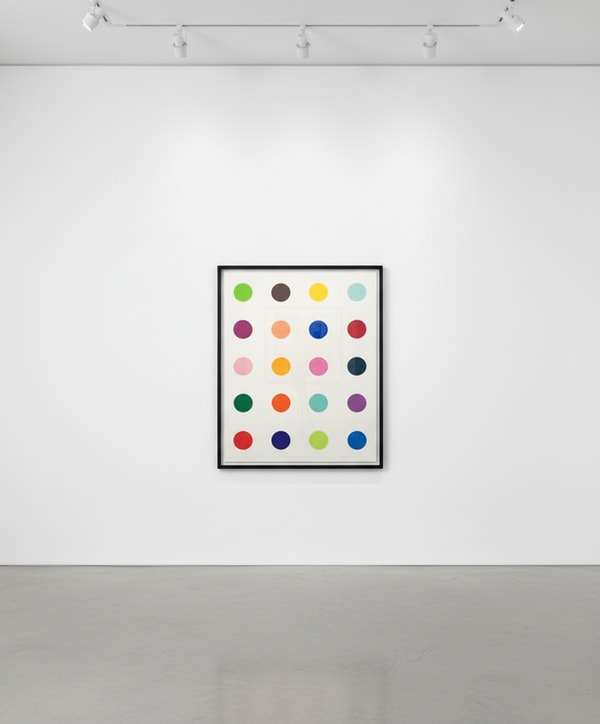
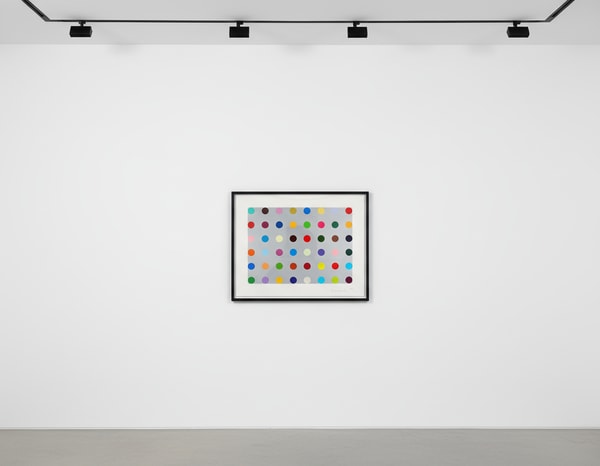
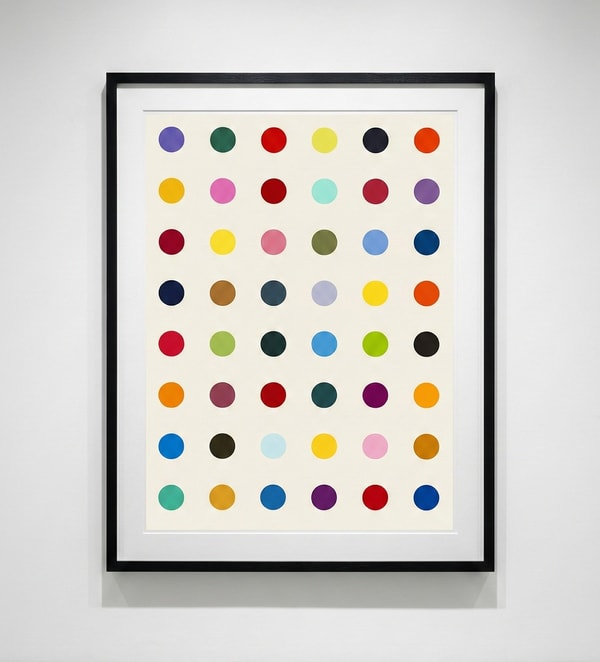
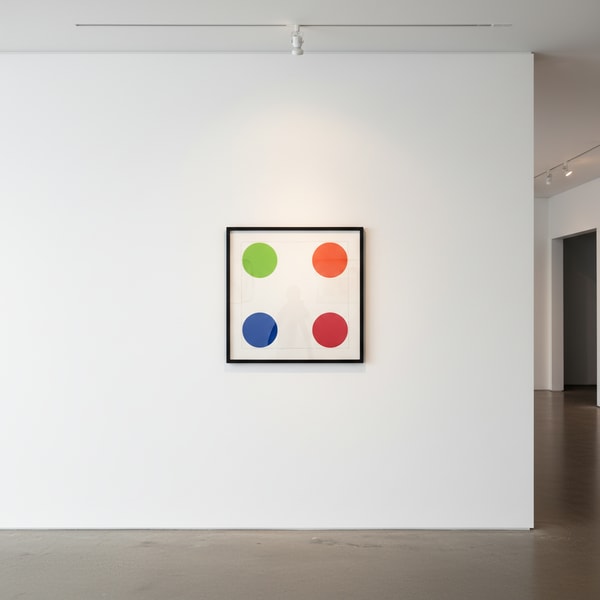
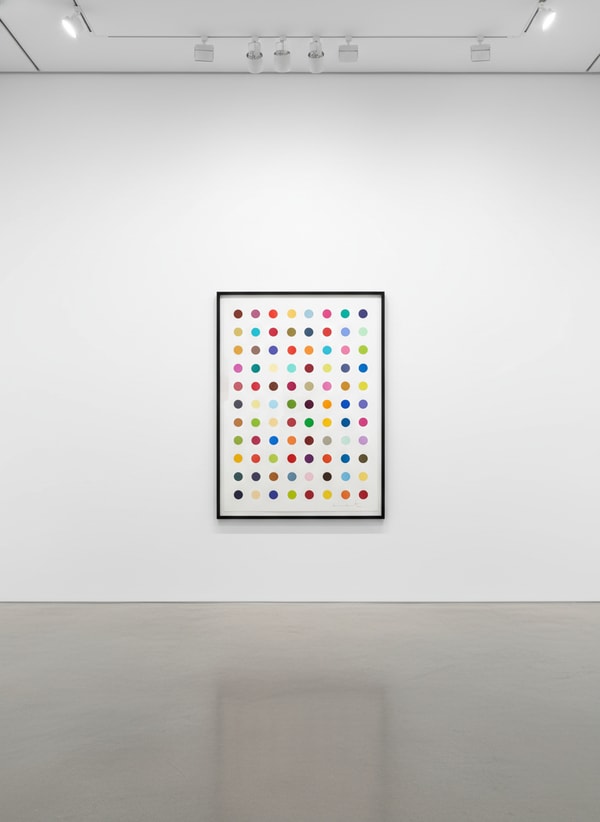
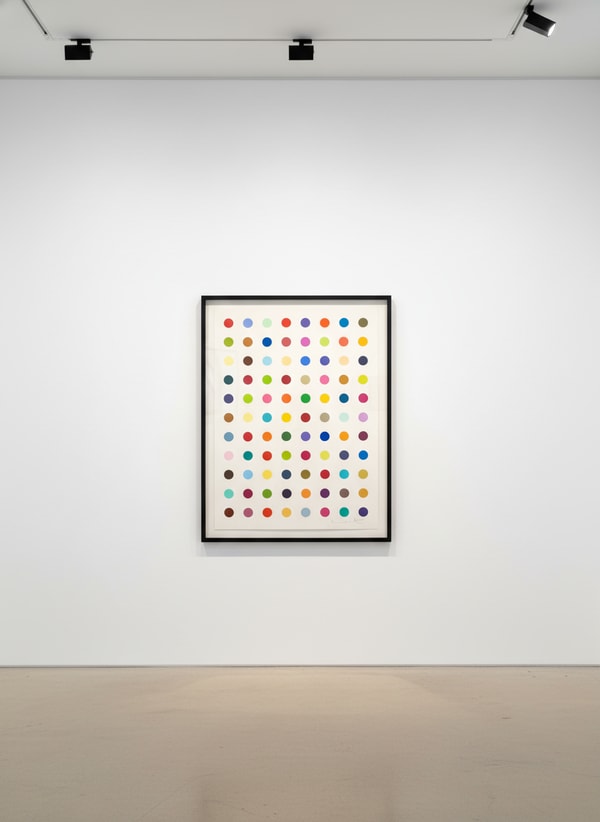
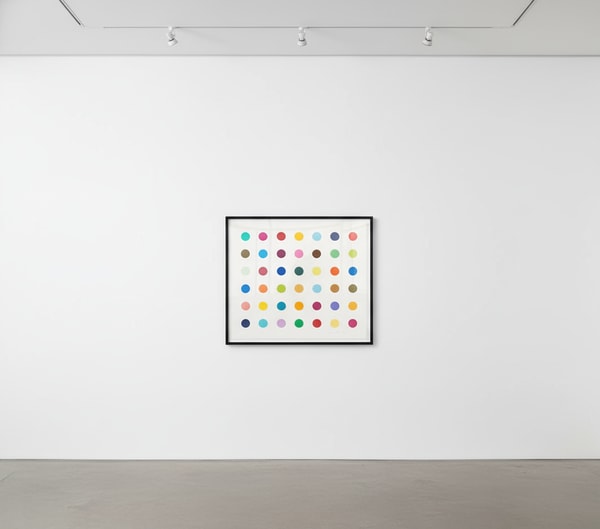
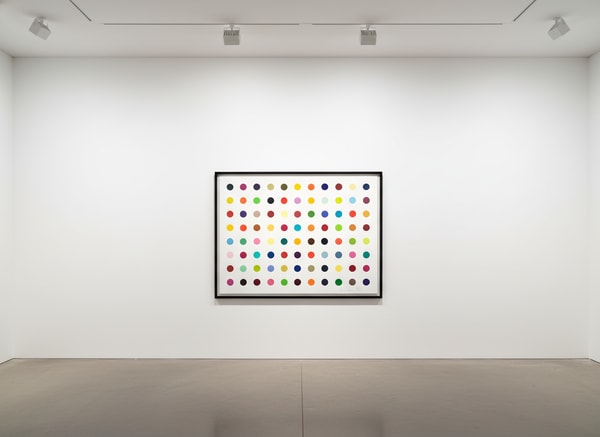
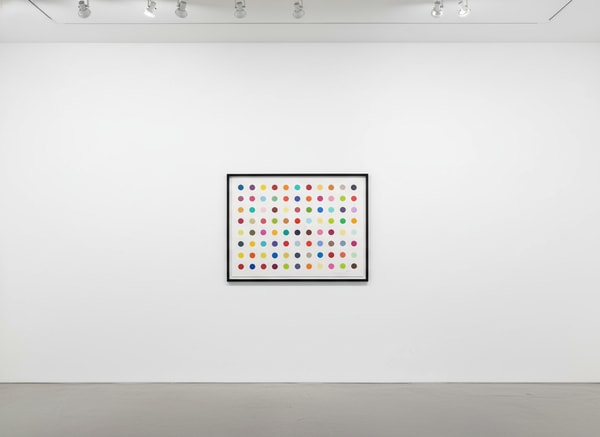
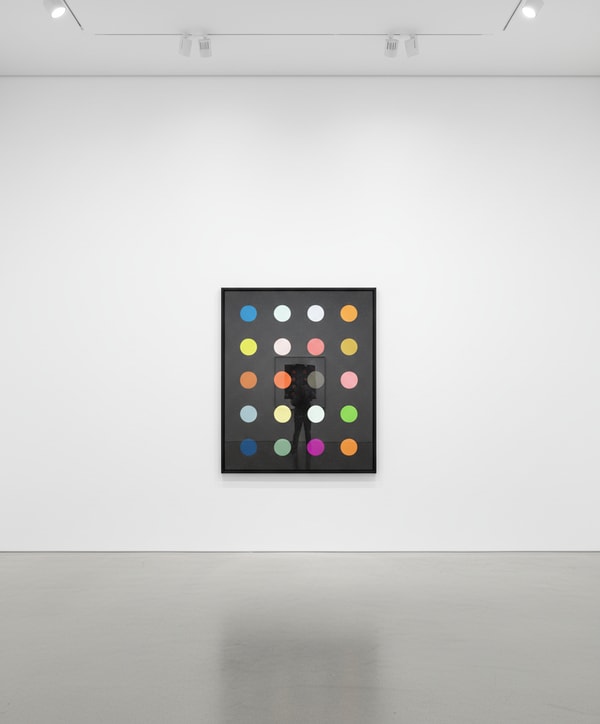
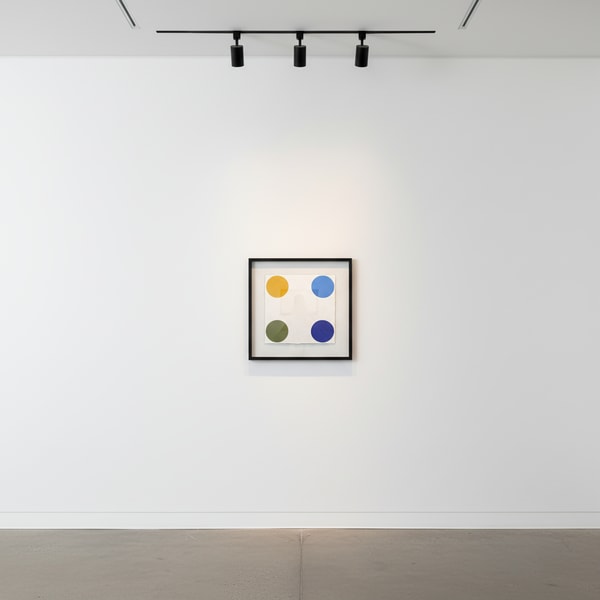
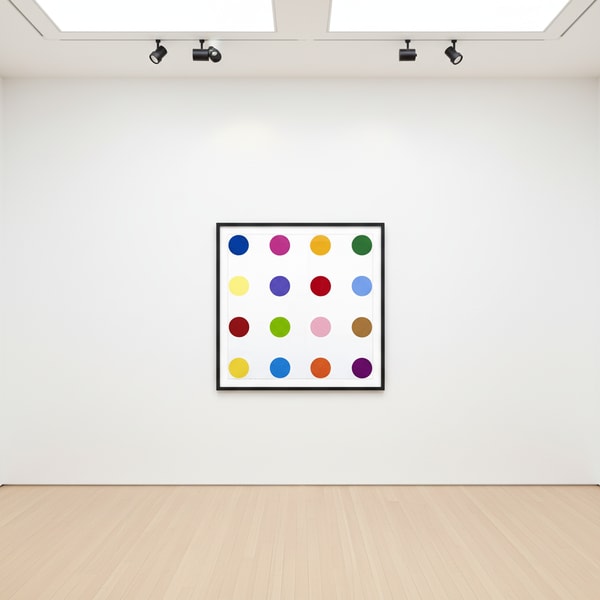
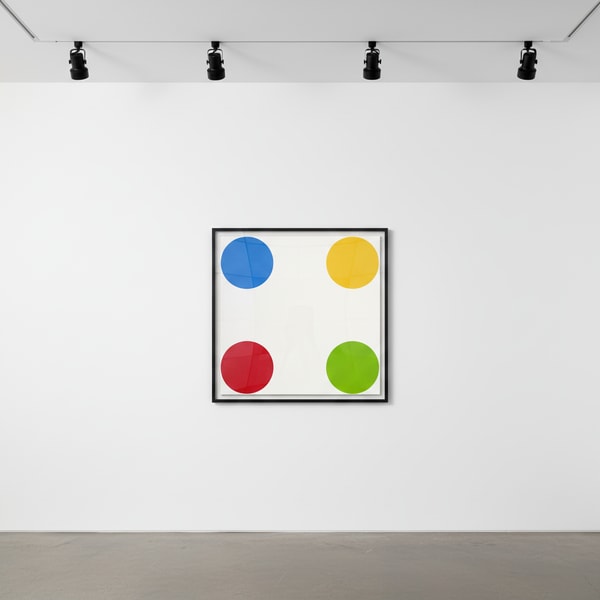
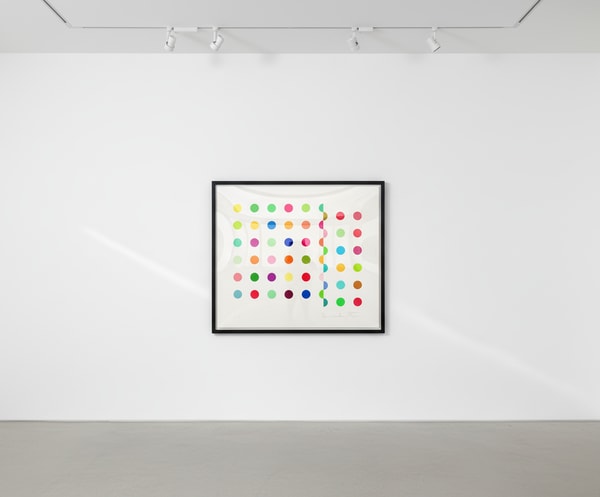
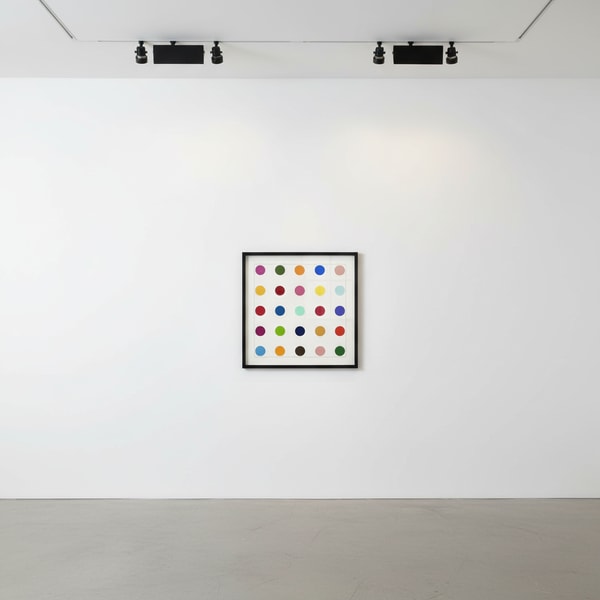
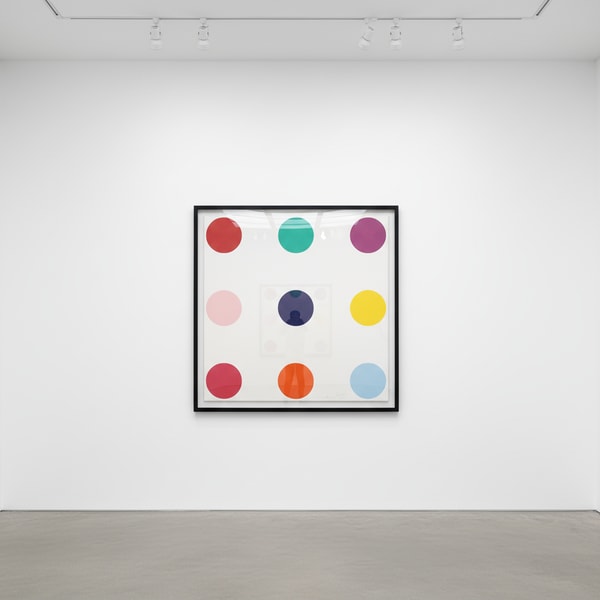
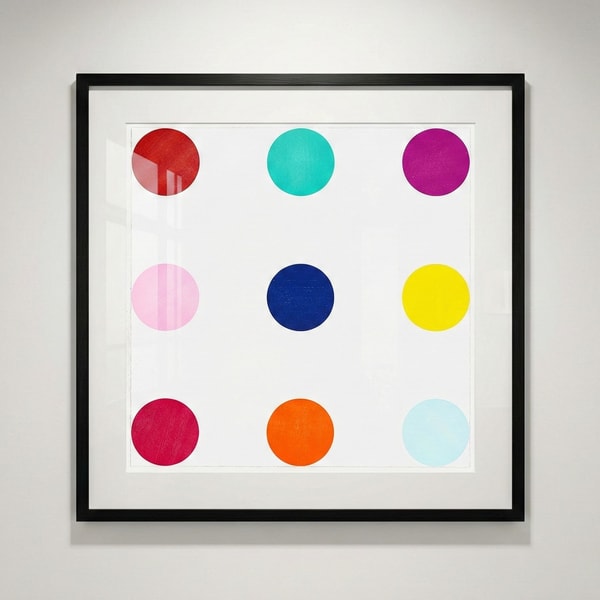
The Spot paintings emerged in the late 1980s as Hirst developed his signature exploration of pharmaceutical aesthetics and systematic repetition. What began as canvas works evolved into an extensive print program that democratized access to one of contemporary art's most iconic visual languages. Each print takes its title from chemical compounds—a deliberate reference to the pharmaceutical industry that Hirst has consistently examined throughout his practice.
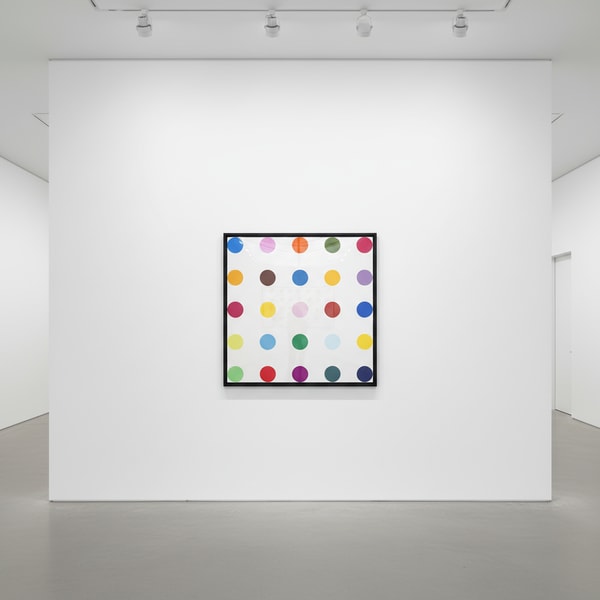
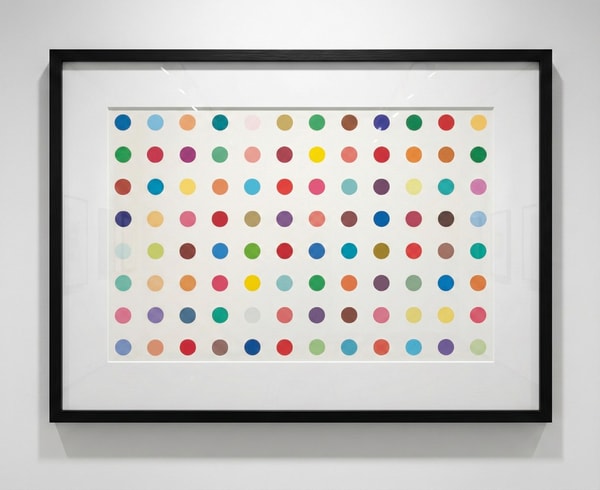
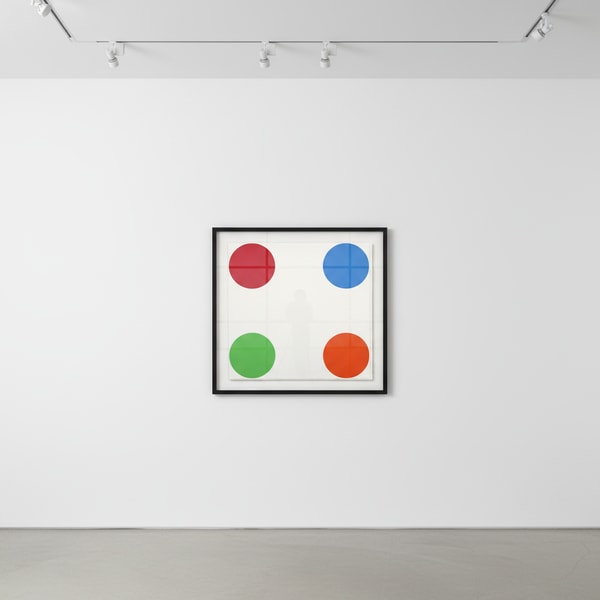
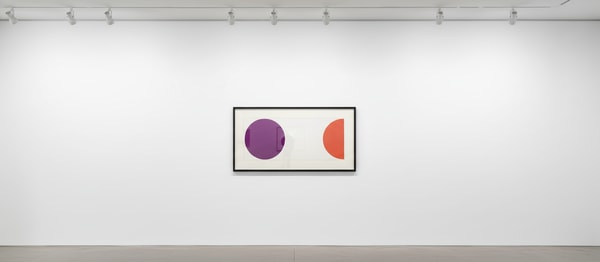
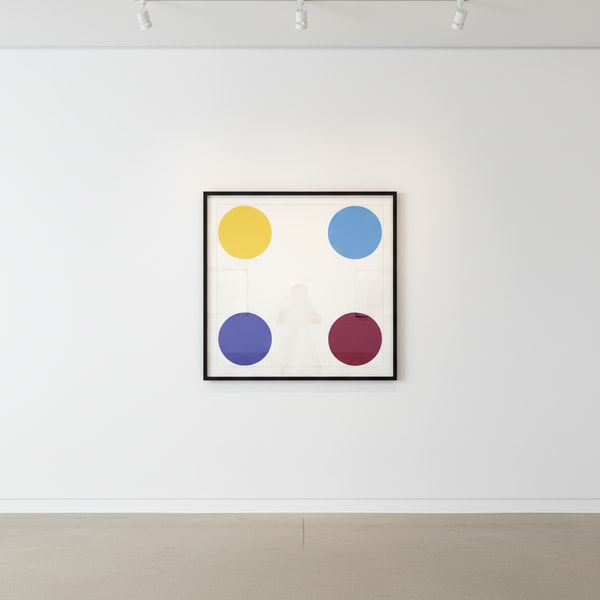
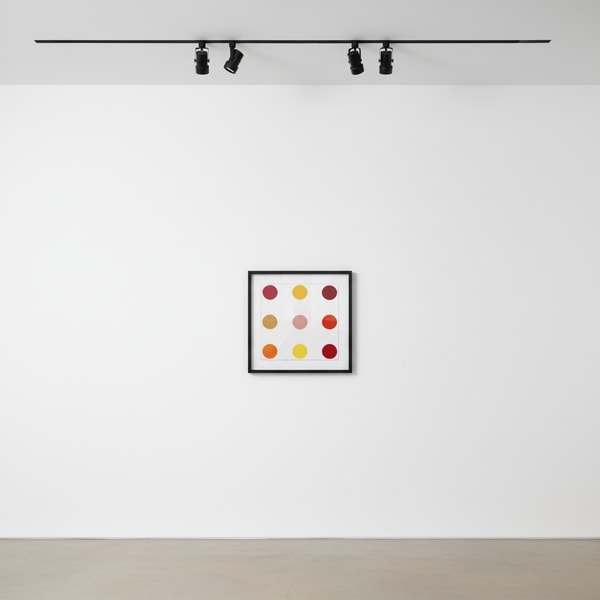
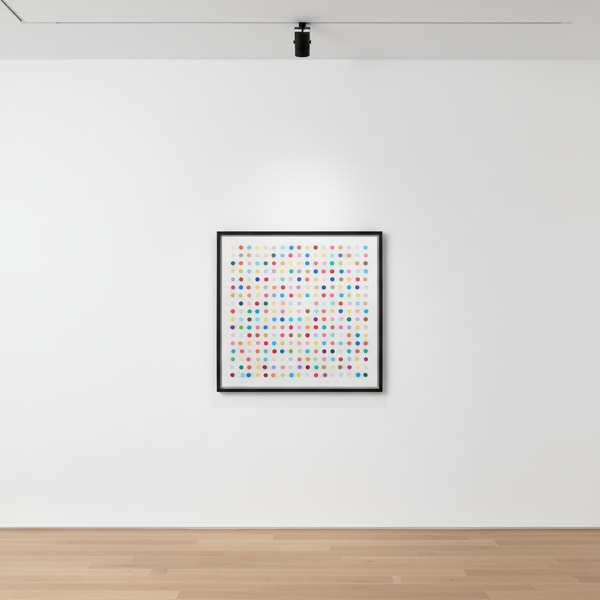
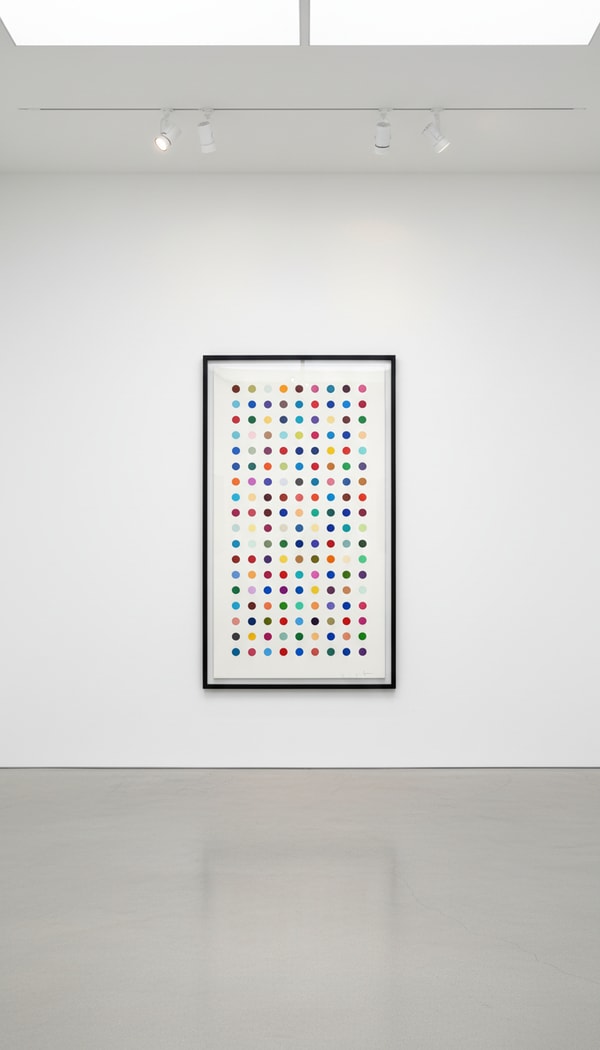
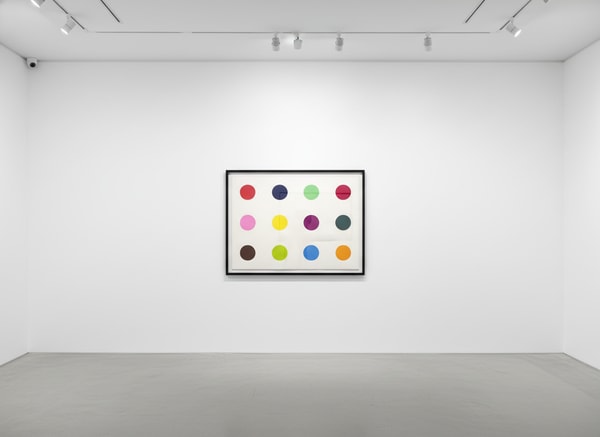
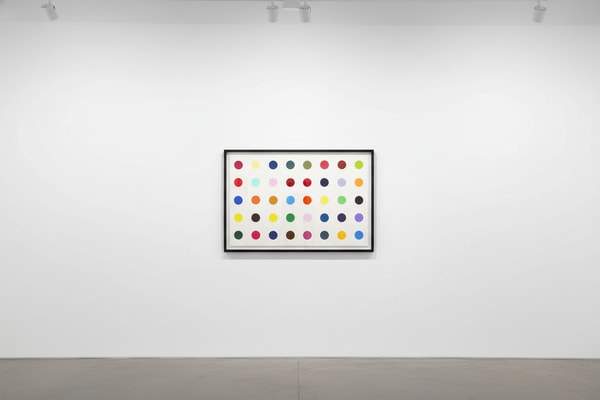
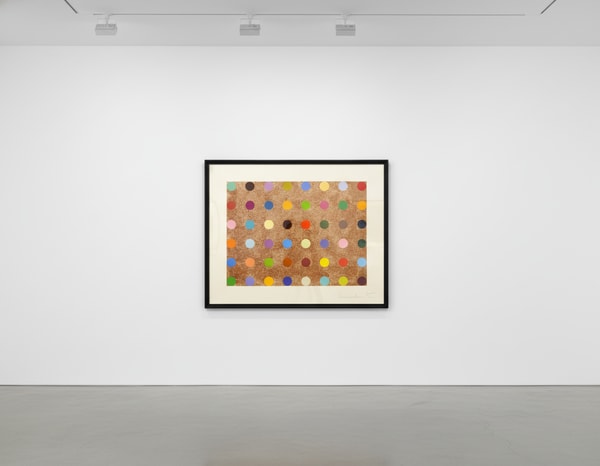
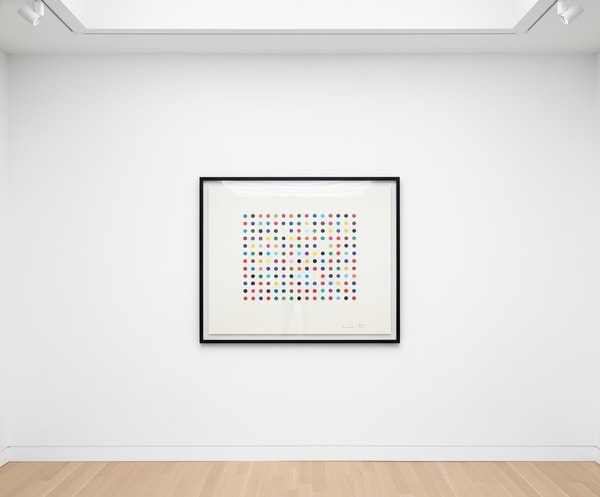
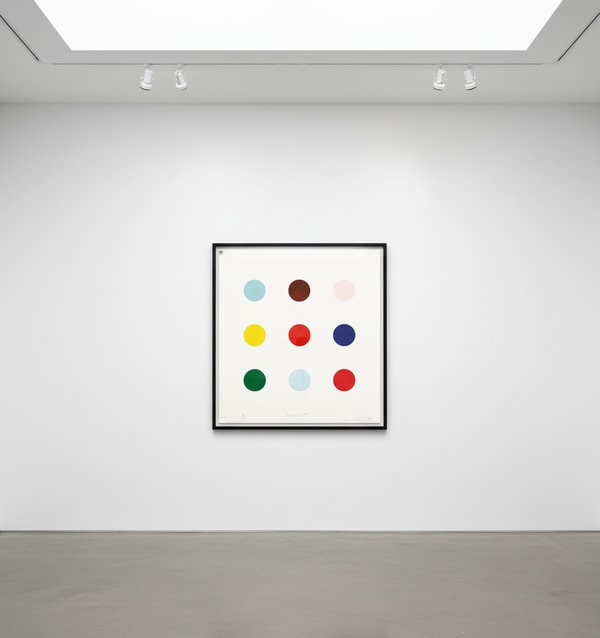
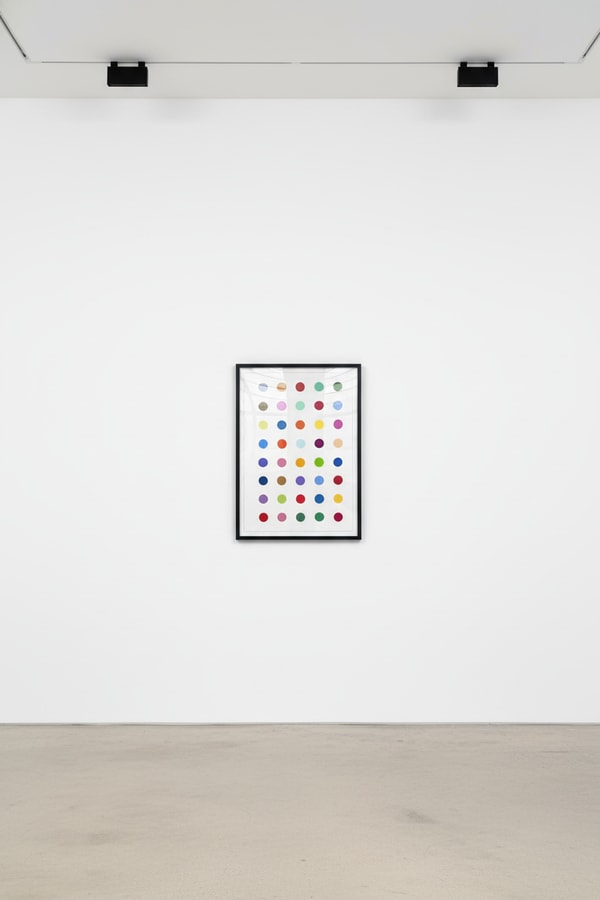
The series operates on multiple conceptual levels. The grid structure evokes scientific methodology and laboratory precision, while the vibrant color palette suggests both the promise and artificiality of modern medicine. Hirst has stated that no color repeats within a single composition, creating a systematic yet visually dynamic tension. This mathematical constraint, combined with organic color choices, embodies the artist's broader investigation into the relationship between control and chaos, science and art.
As a leading figure of the Young British Artists movement, Hirst brought conceptual rigor to accessible formats. The Spot Prints extend this approach, translating his painterly investigations into editioned works that retain the visual impact of the originals while reaching broader collecting audiences. Science Ltd provides authentication for all Hirst works, ensuring market confidence, while White Cube represents the artist internationally.
The Spot Prints series encompasses multiple printmaking techniques, each bringing distinct qualities to the iconic composition. Understanding these technical variations is essential for informed collecting.
Woodcut editions represent a significant portion of the series. Works including Mannitol (2016), Methionine (2010), Equilin (2011), Cesium Sulfate (2011), Fluoroiodobenzene (2010), and Guaiazulene (2010) employ this traditional relief printing method. The woodcut process introduces subtle texture and variation, with each impression carrying the physical evidence of carved woodblocks. These editions balance mechanical reproduction with handcrafted presence.
Silkscreen with glitter editions, exemplified by Carvacrol (2008), introduce material complexity. The addition of glitter creates dimensional visual effects that shift with viewing angles and lighting conditions. These editions appeal to collectors seeking enhanced tactile and visual qualities beyond standard screenprinting.
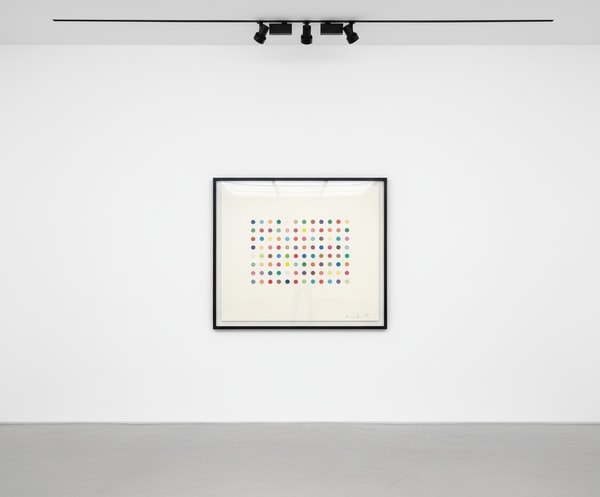
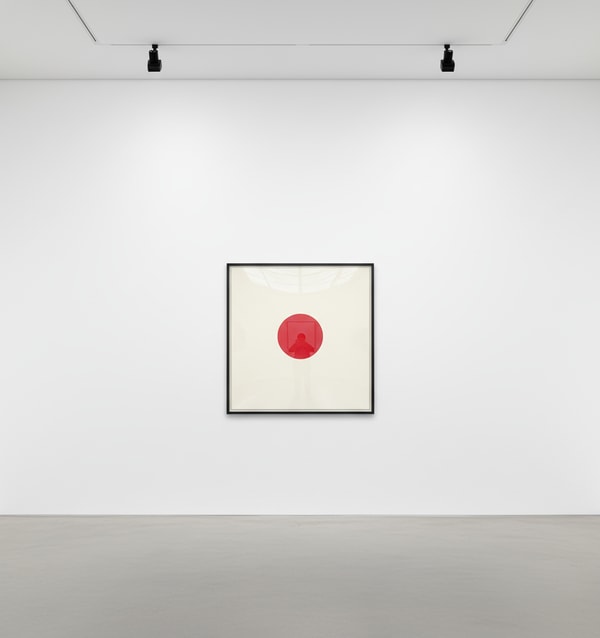
Etching represents another technical approach within the series. Quene 1-AM (2004) demonstrates Hirst's engagement with intaglio printmaking, where incised lines and tonal variations create distinct atmospheric qualities compared to the flat color fields of screenprints or woodcuts.
Edition sizes, paper stocks, and dimensions vary across the series. Collectors should verify complete provenance documentation and authentication from Science Ltd when acquiring works.
Among available Spot Prints, several works merit particular attention. Carvacrol (2008) stands out for its silkscreen with glitter technique, representing an earlier production date and distinctive material approach. The glitter application creates shifting visual effects that distinguish these impressions from standard editions.
Quene 1-AM (2004) offers the earliest dated work among current inventory, produced during a pivotal period in Hirst's print production. The etching technique provides textural depth uncommon in the broader series.
Mannitol (2016) represents more recent production, appealing to collectors interested in the series' ongoing evolution. Later woodcut editions demonstrate refined execution while maintaining the essential visual language.
Damien Hirst emerged as a defining figure of the Young British Artists movement in the late 1980s, building a body of work across painting, sculpture, and printmaking united by a sustained conceptual interest in mortality, science, medicine, and belief systems. His prints and editions extend the visual language developed across his sculptural and painted work — repetition, colour systems, and the tension between clinical precision and organic subject matter — into widely accessible reproducible form.
Hirst's work is held in the permanent collections of major museums worldwide, and his 2008 "Beautiful Inside My Head Forever" single-artist auction at Sotheby's, which bypassed the traditional gallery system entirely, remains one of the most widely discussed events in the recent history of the contemporary art market.
103 works available
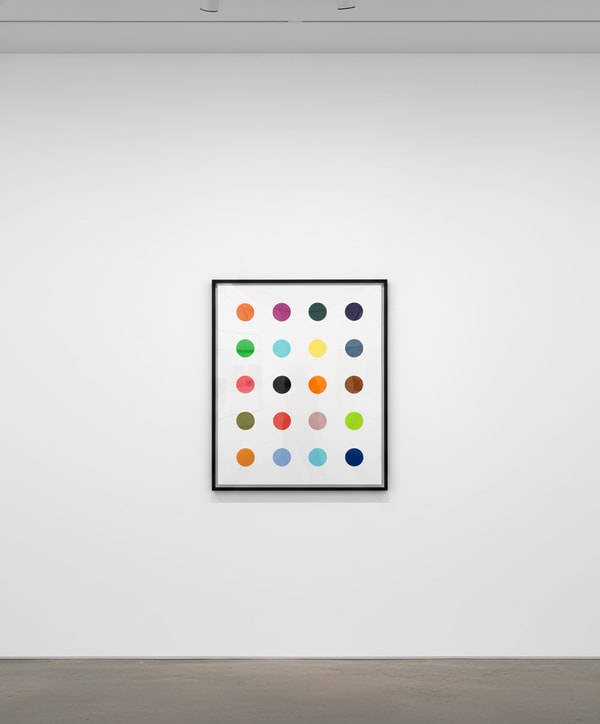
Damien Hirst
3-Methylthymidine White
2014
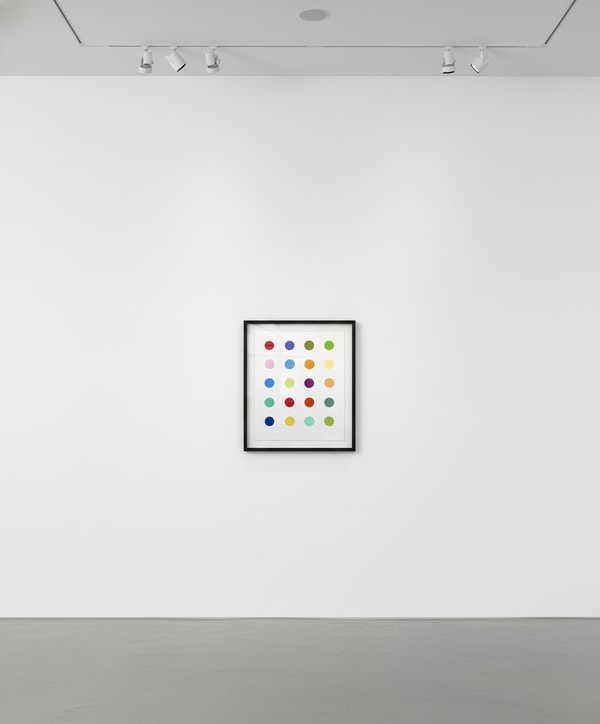
Damien Hirst
Ala-His
2011
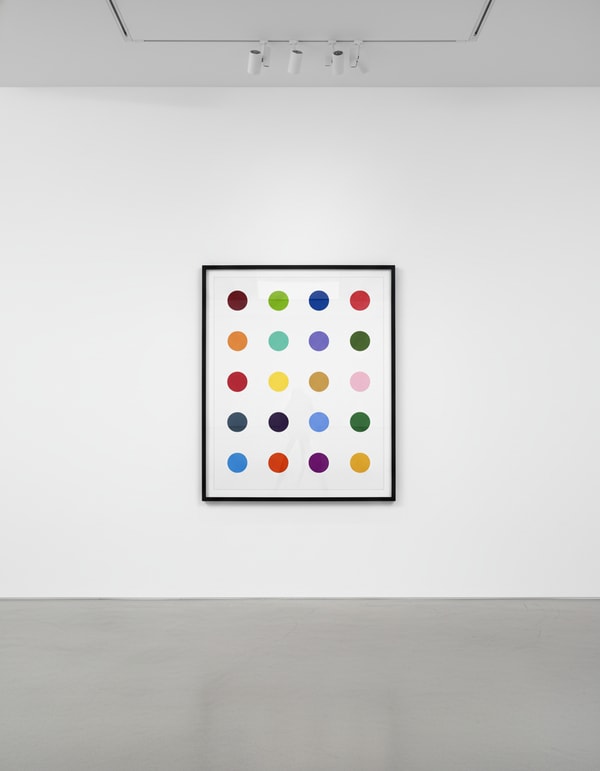
Damien Hirst
Ala-Met
2011
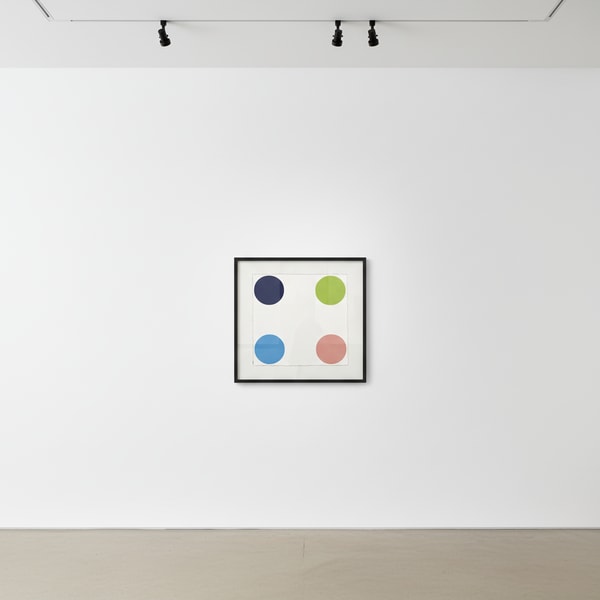
Damien Hirst
Ammonium Sulfamate
2011
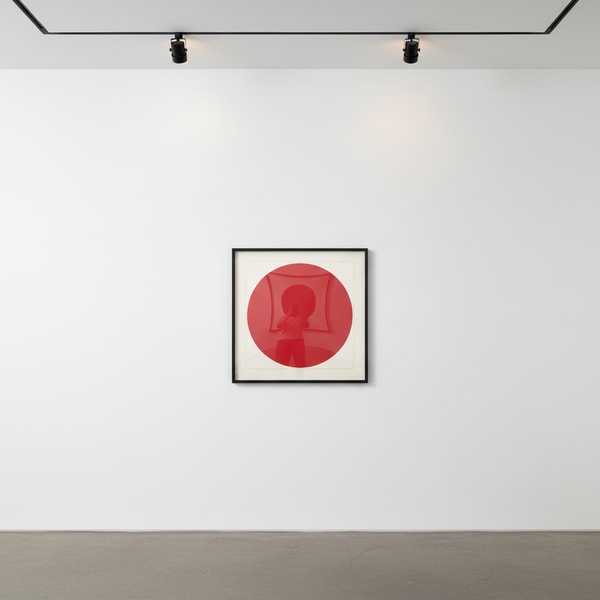
Damien Hirst
Amniotic Fluid
2011
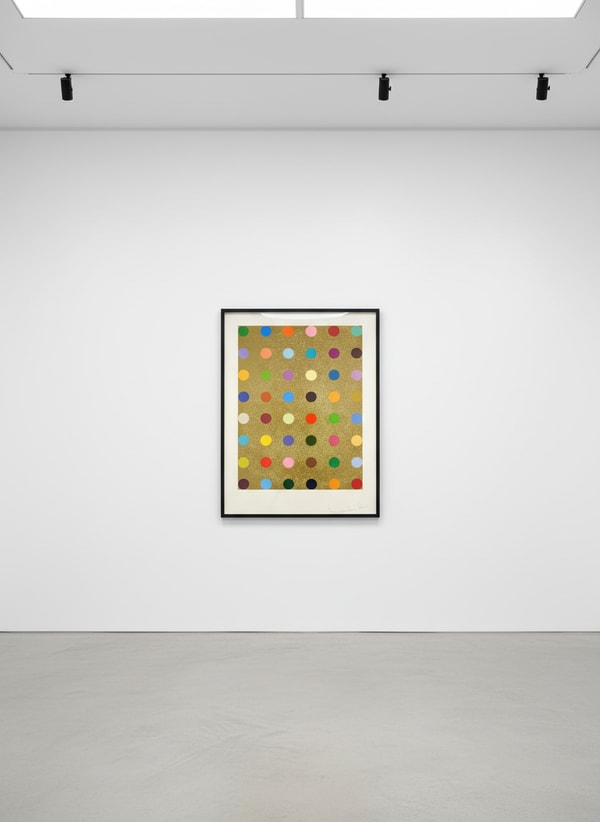
Damien Hirst
Aurous Iodide
2009
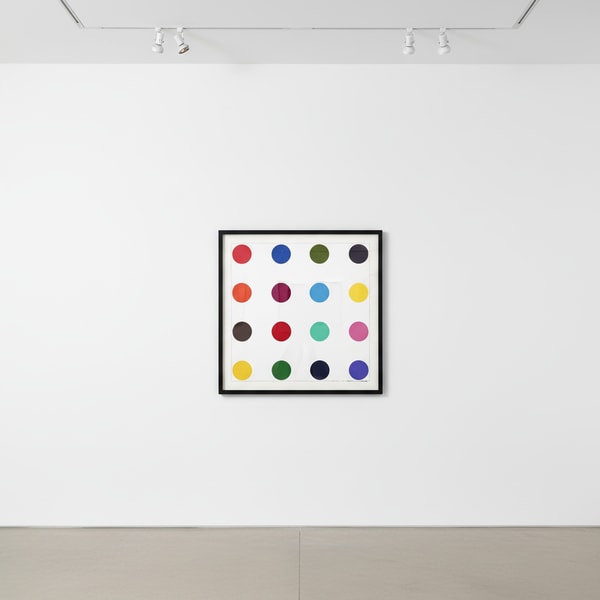
Damien Hirst
Benzyl Viologen
2011
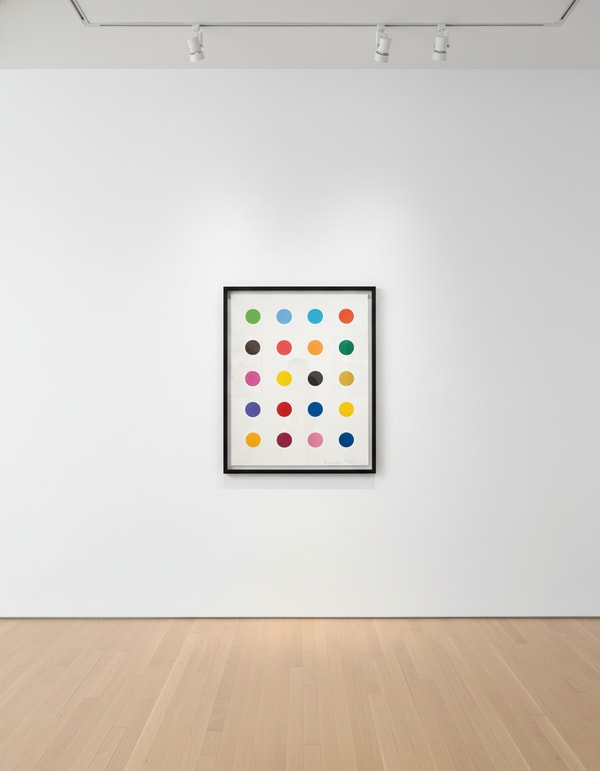
Damien Hirst
Benzyloxyurea
2011
Damien Hirst
Bromobenzotrifluoride
2010
Damien Hirst
Bromphenol Blue
2005
Damien Hirst
Brophenol Blue
Etching
Damien Hirst
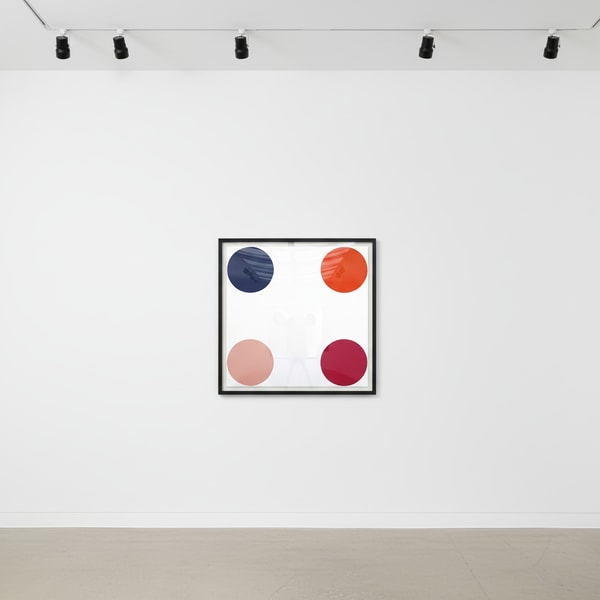
Carbonyl Iron
2011
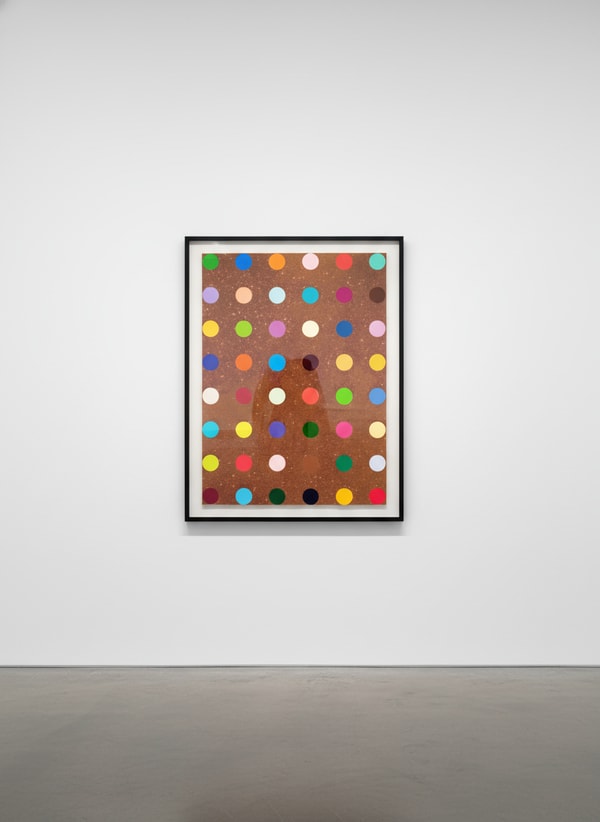
Damien Hirst
Carvacrol
2008
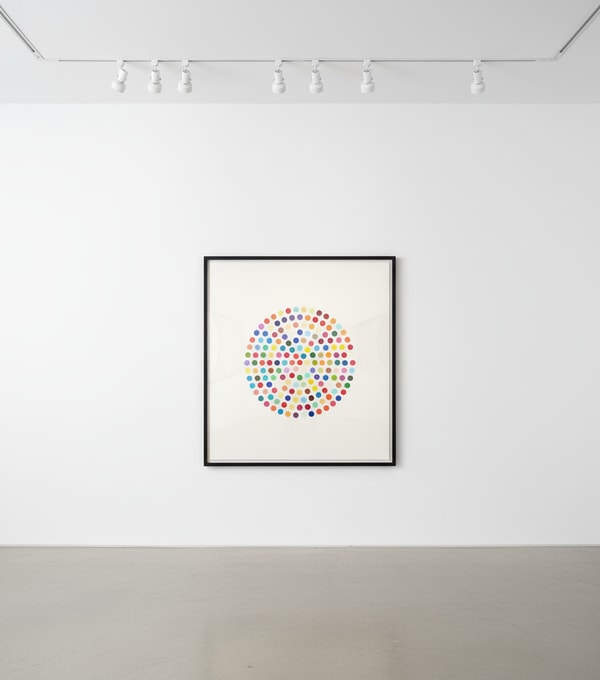
Damien Hirst
Cephalothin
2007
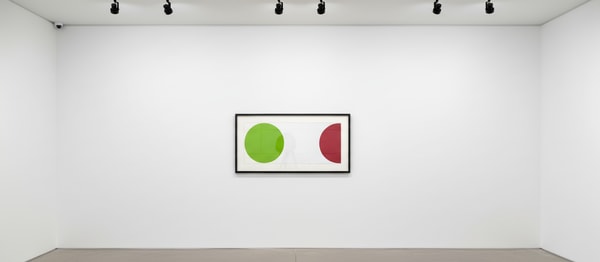
Damien Hirst
Cesium Sulfate
2011
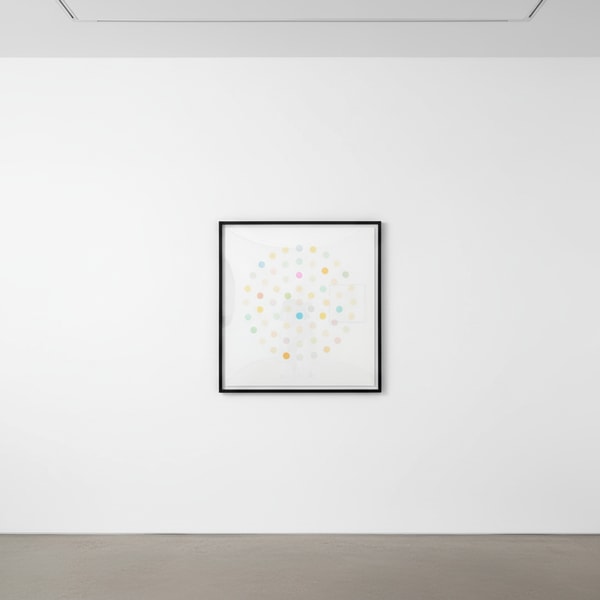
Damien Hirst
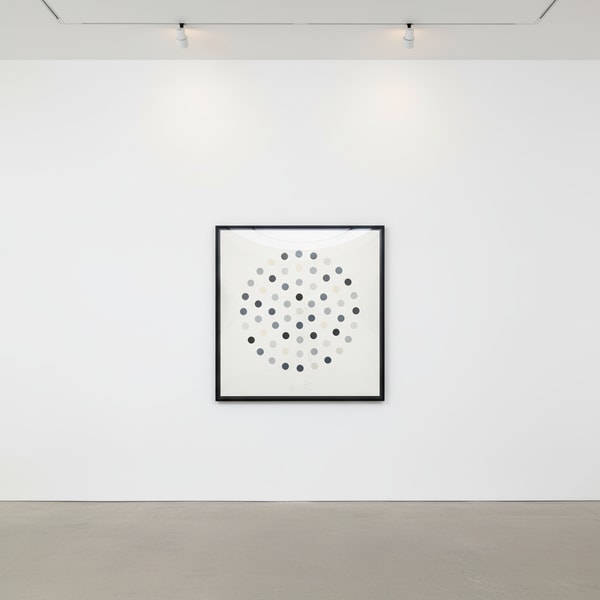
Ciclopirox Olamine
2004
Damien Hirst
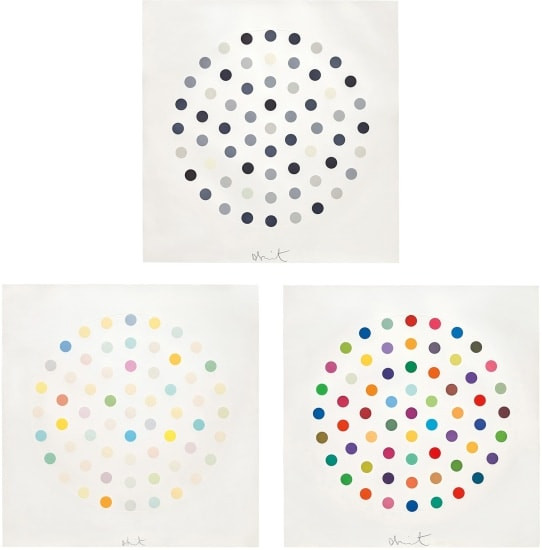
Cinchonidine
2004
Damien Hirst
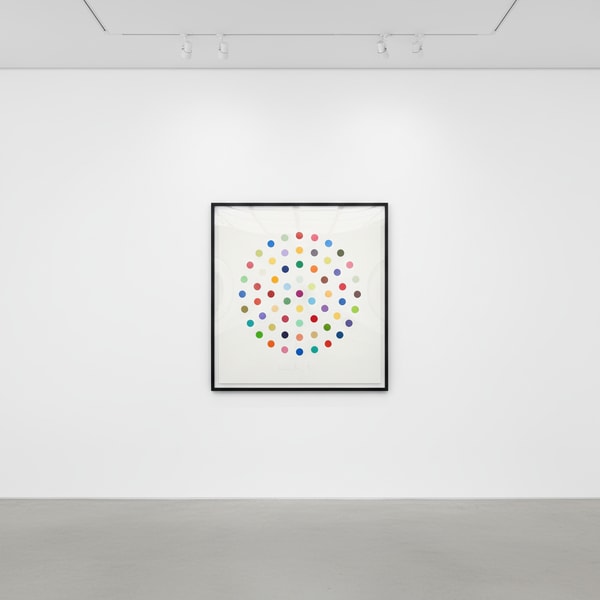
Cinchonidine / Ciclopirox Olamine / Cineole
2004
Damien Hirst
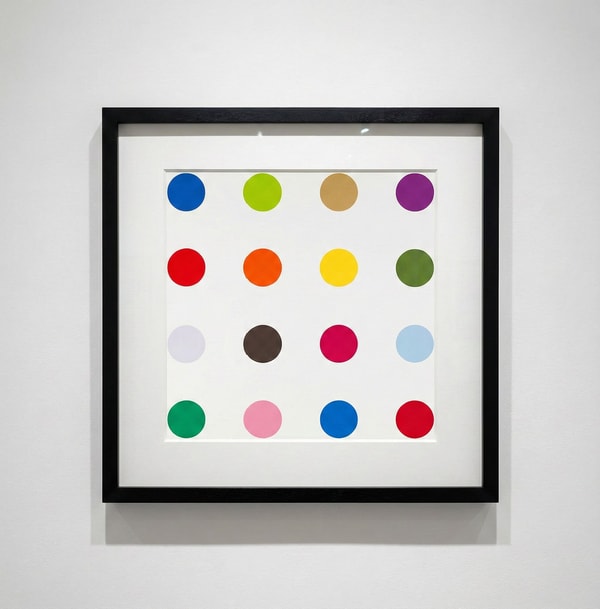
Cineole
2004
Damien Hirst
Cocarboxylase
2010
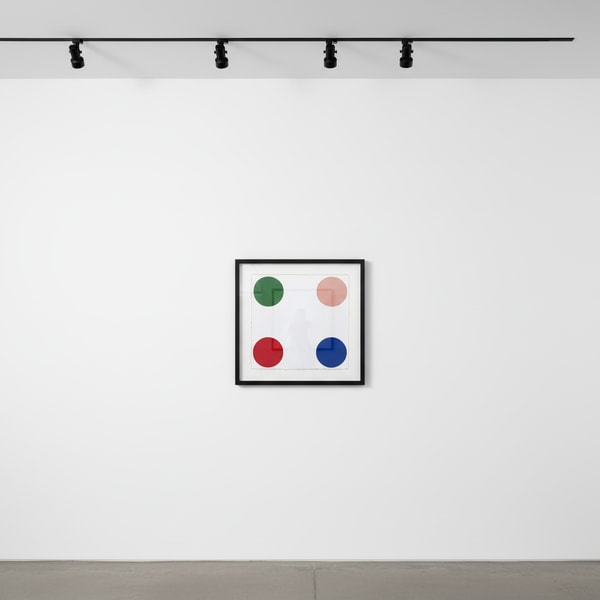
Damien Hirst
Cupric Bromide
2011
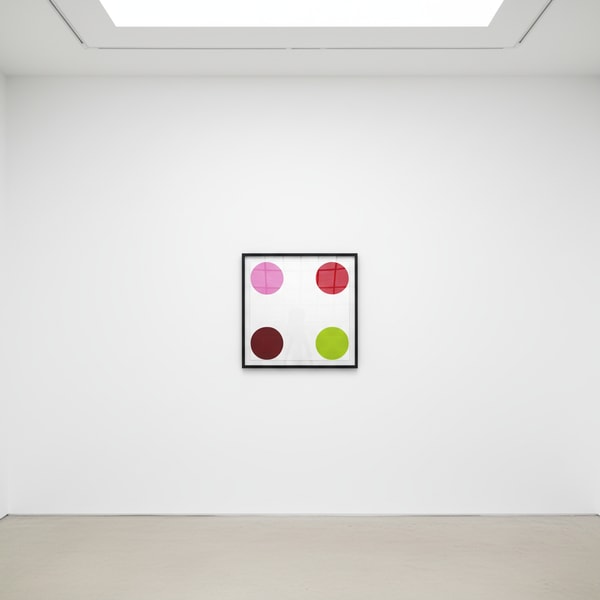
Damien Hirst
Curare
2011
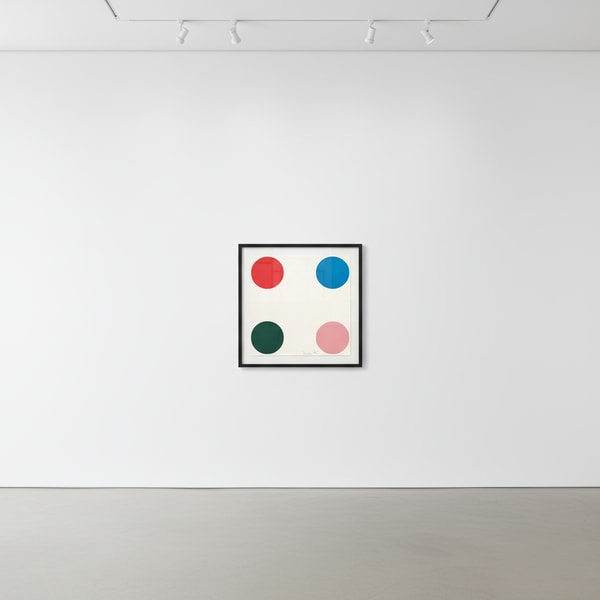
Damien Hirst
Cyclizine
2010
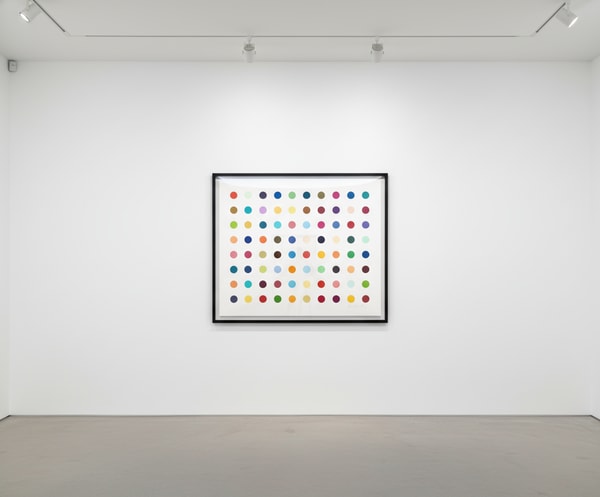
Damien Hirst
Dequalinium Chloride
2016
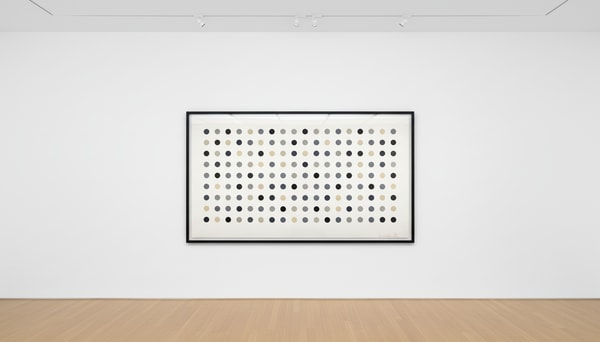
Damien Hirst
Diacetoxyscirpenol
2005
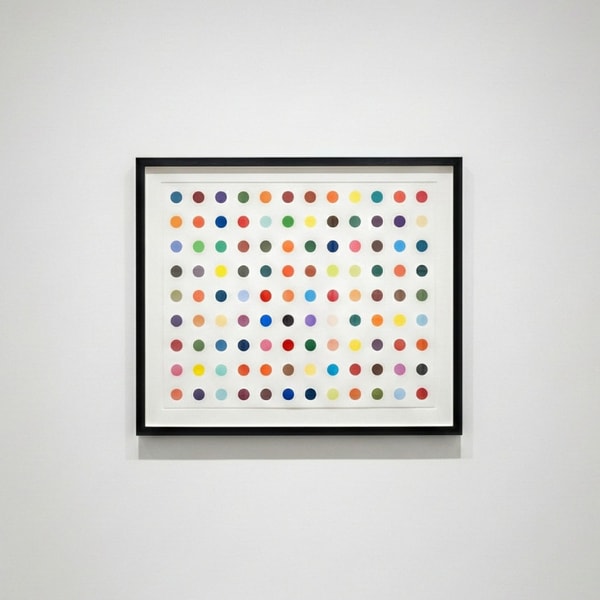
Damien Hirst
Doxylamine
2007
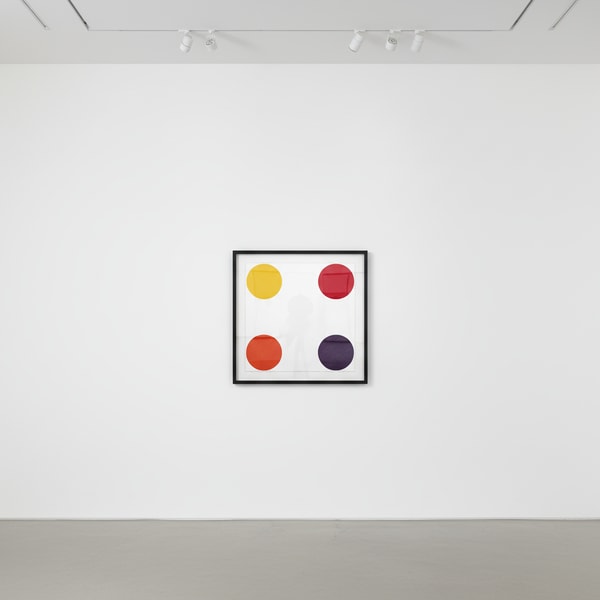
Damien Hirst
Elaidoyl Chloride
2011
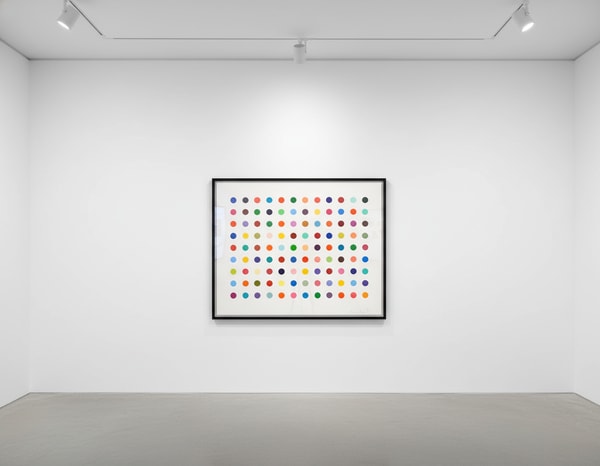
Damien Hirst
Ellipticine
2007
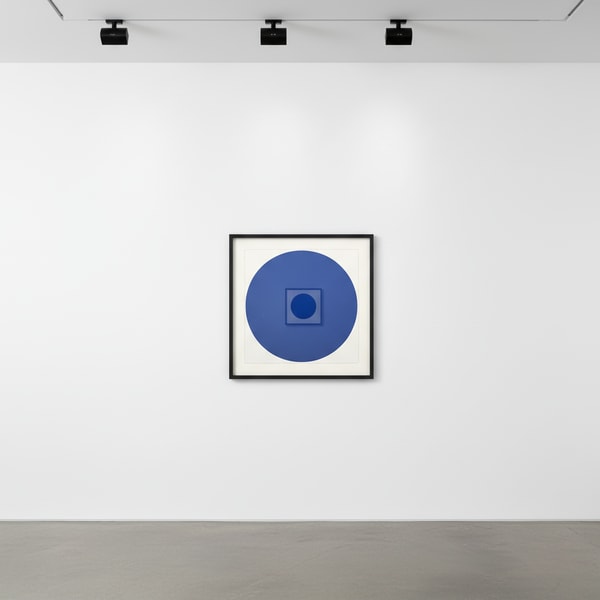
Damien Hirst
Equilin
2011
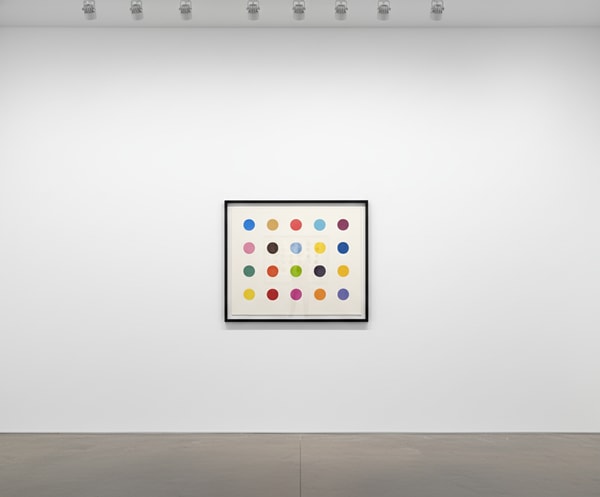
Damien Hirst
Esculetin
2011
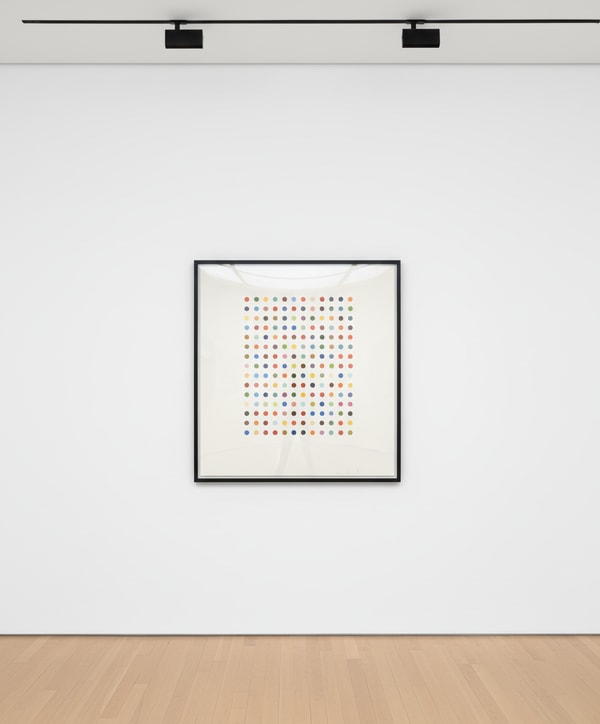
Damien Hirst
Ethidium Bromide Aqueous Solution
2005
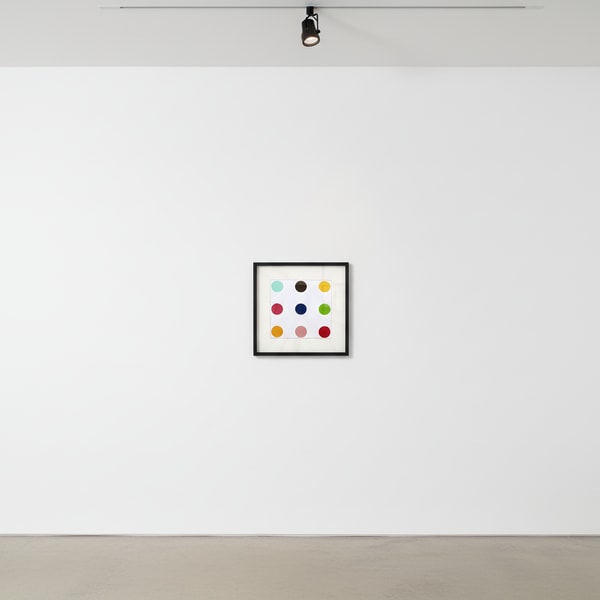
Damien Hirst
Ethisterone
2011
Damien Hirst
Ethylamine
2011
Damien Hirst
Fast Scarlet TR Base
2011
Damien Hirst
Fenbufen
2011
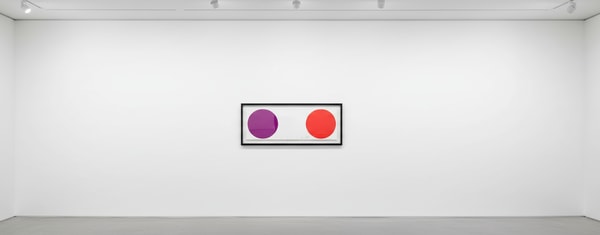
Damien Hirst
Ferric Acid Citrate
2011
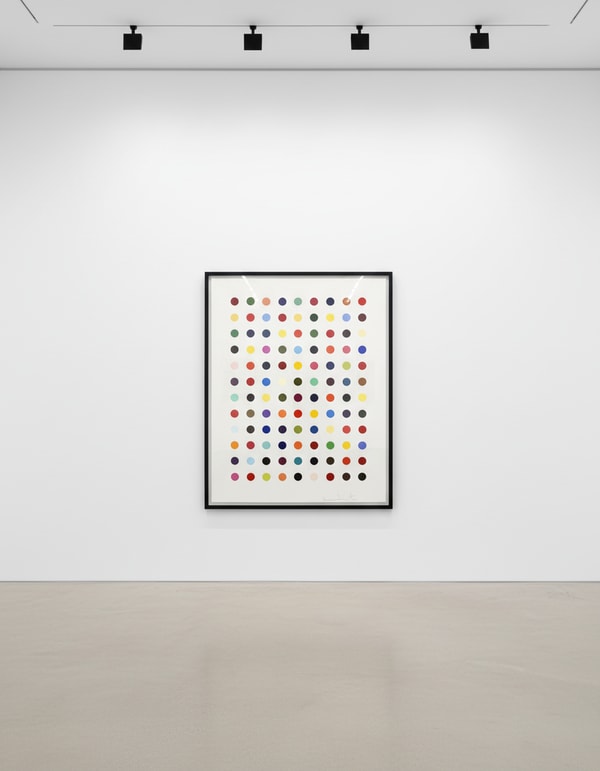
Damien Hirst
Ferric Ammonium Citrate
2011
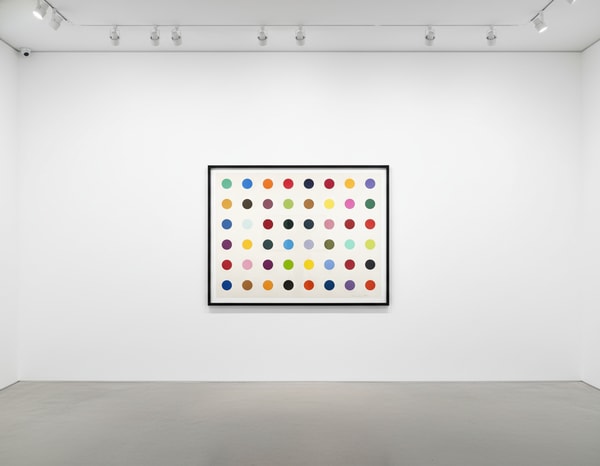
Damien Hirst
Flumequine
2007
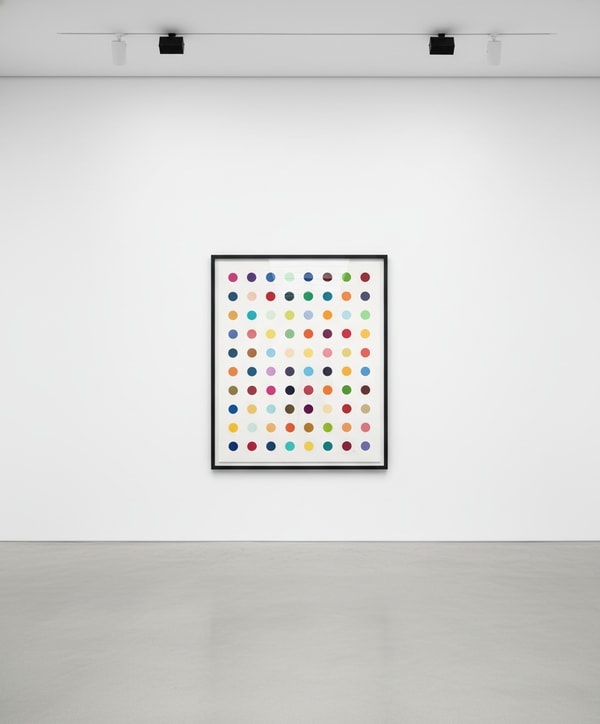
Damien Hirst
Fluoroiodobenzene
2010
Damien Hirst
Gly-Gly-Ala
2016
Damien Hirst
Glycine Cresol Red
2011
Damien Hirst
Gold Thioglucose
2008
Damien Hirst
Guaiazulene
2010
Damien Hirst
Histidyl
2008
Damien Hirst
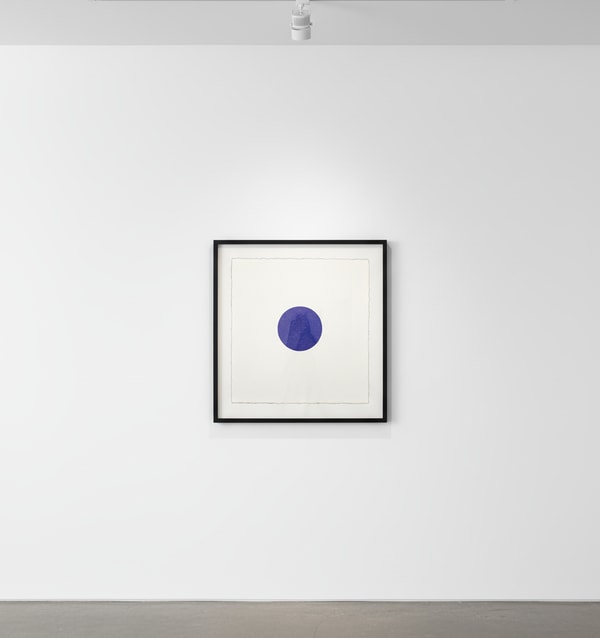
Hydroxylysine
2010
Damien Hirst
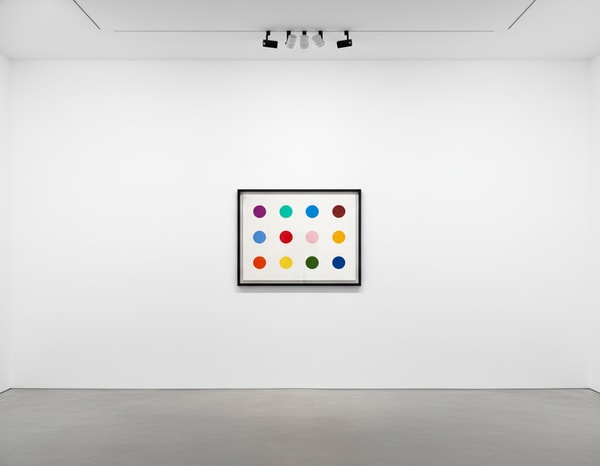
Isostearic Acid
2011
Damien Hirst
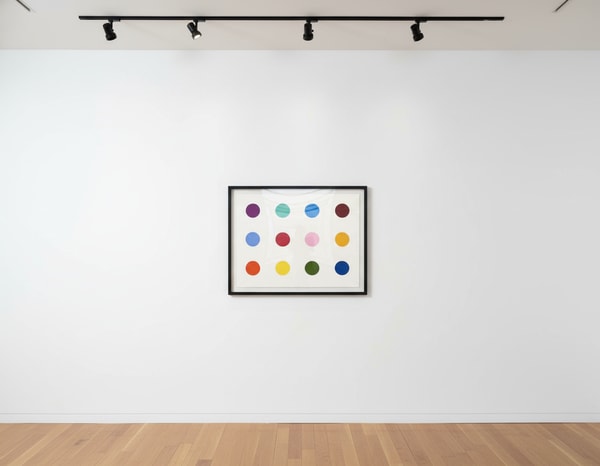
Isovanillan
2012
Damien Hirst
Isovanillin
2011
Damien Hirst
Jojoba Bean Oil
2011
Damien Hirst
L-Isoleucine T-Butyl Ester
2018
Damien Hirst
L-Isoleucine-Methyl-Ester
2018
Damien Hirst
Lactulose
2017
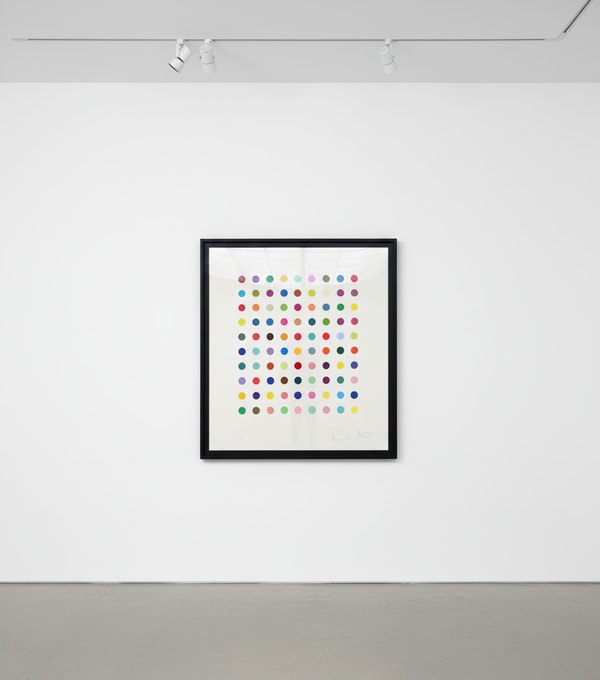
Damien Hirst
Lanatoside B
2011
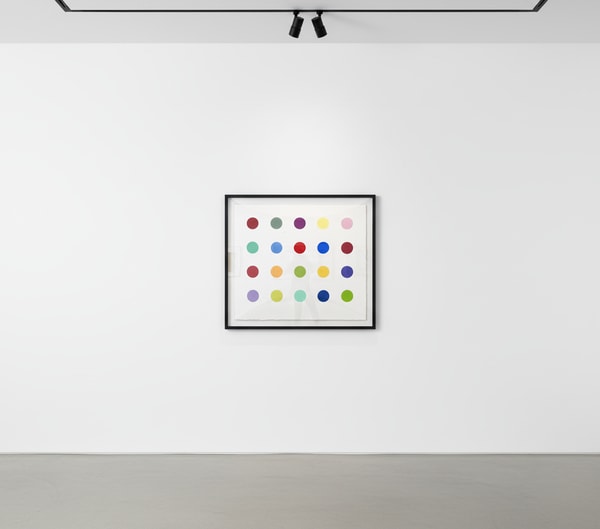
Damien Hirst
Lauric Acid Butyl Ester
2011
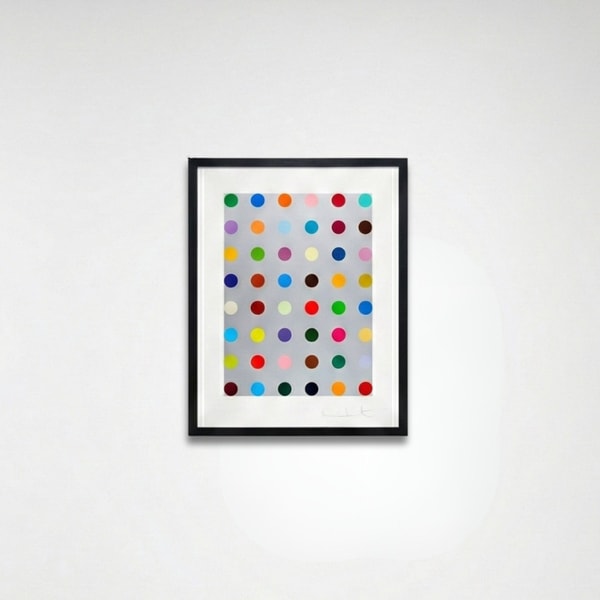
Damien Hirst
Lepidine
2008
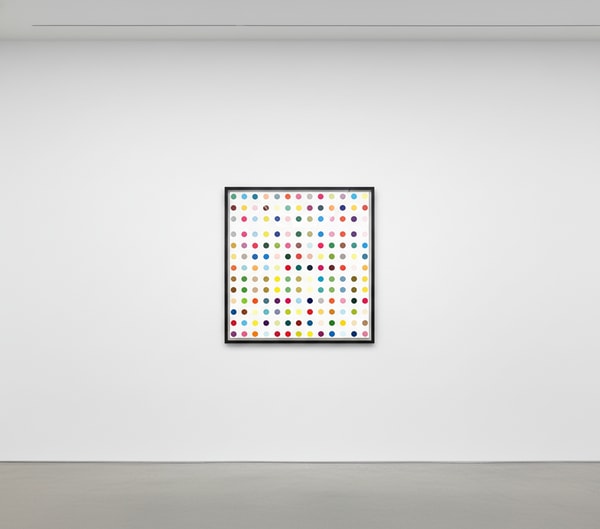
Damien Hirst
Lysergic Acid Diethylamide (LSD)
2000
Damien Hirst
M-Fluorobenzoyl Chloride
2018
Damien Hirst
M-Fluorobenzylamine
2018
Damien Hirst
Maltohexaose
2011
Damien Hirst
Manganese Chloride
2011
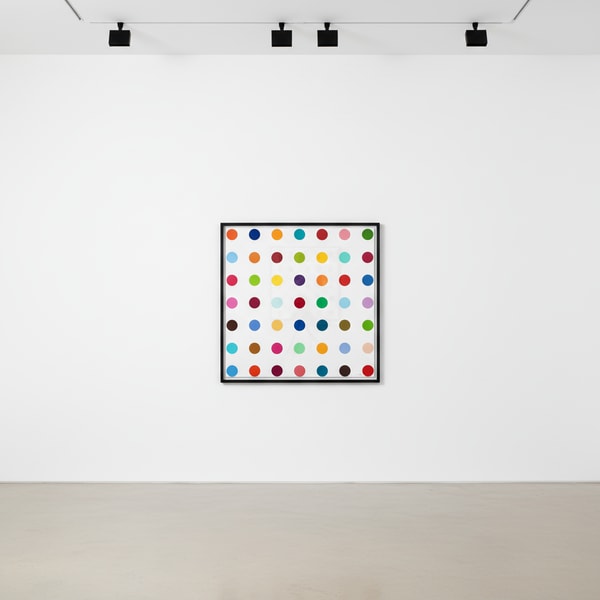
Damien Hirst
Mannitol
2016
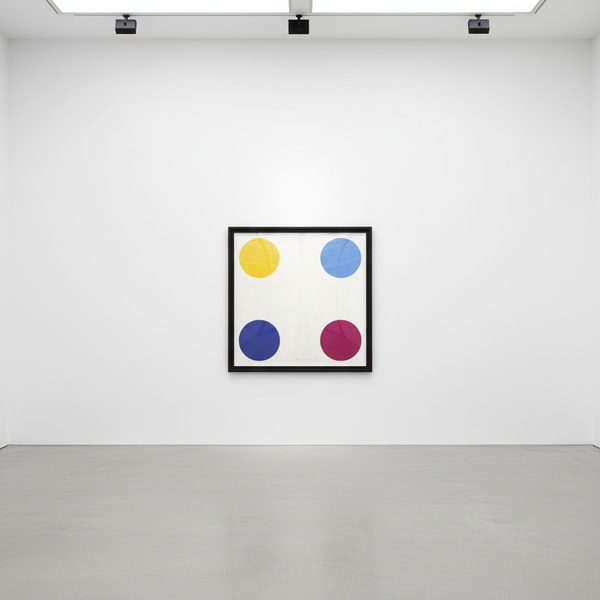
Damien Hirst
Mathohexaose
2012
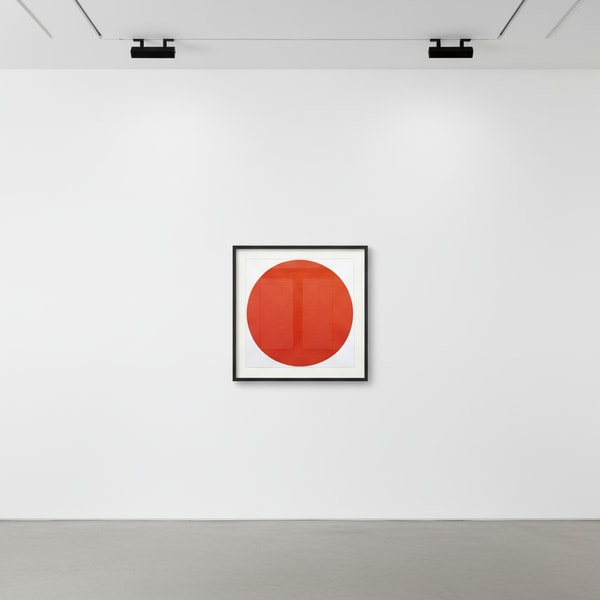
Damien Hirst
Mepartricin
2011
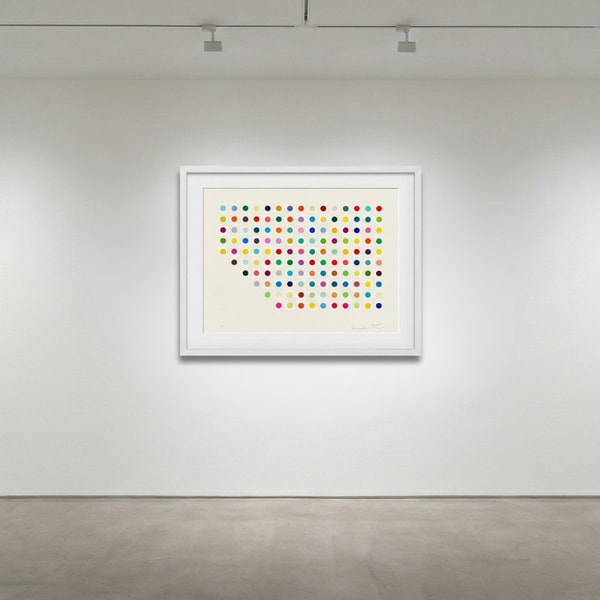
Damien Hirst
Meprobamate
2011
Damien Hirst
Mescaline
2014
Damien Hirst
Methamphetamine
2004
Damien Hirst
Methionine
2010
Damien Hirst
Methyl Phenylsulfoxide
2010
Damien Hirst
Methylamine 13c
2014
Damien Hirst
Nifedipine
2011
Damien Hirst
Nopaline
2011
Damien Hirst
Norcamphor
2011
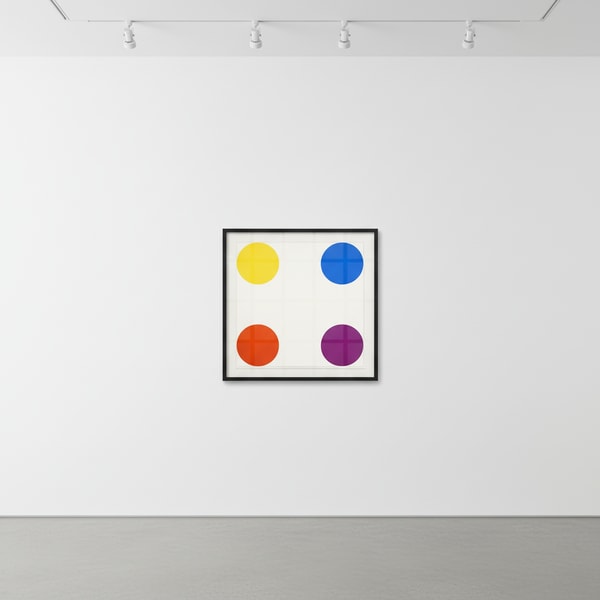
Damien Hirst
Norleucine
2010
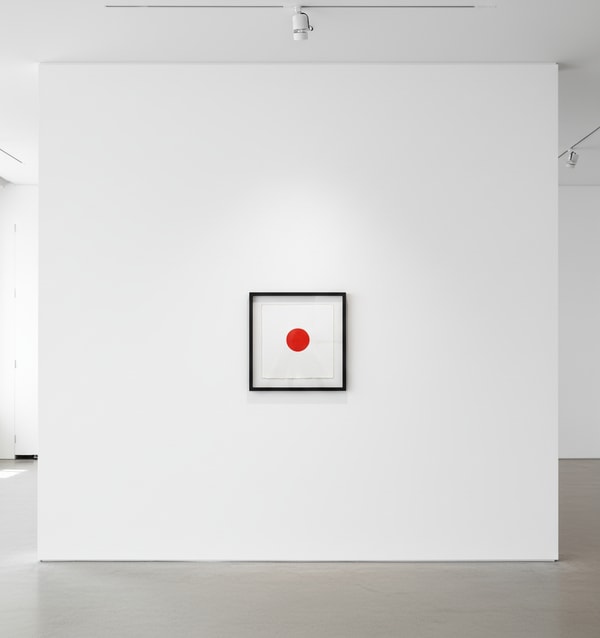
Damien Hirst
Oleandrigenin
2011

Damien Hirst
Oleoylsarcosine
2008
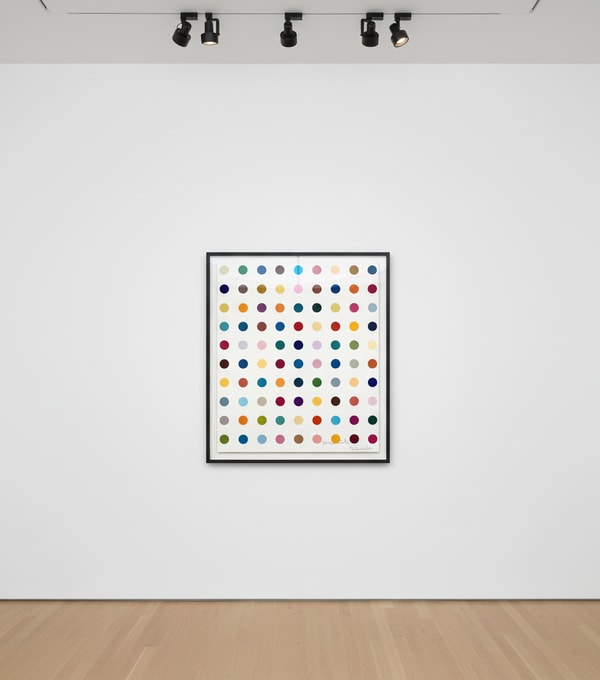
Damien Hirst
Opium
2000
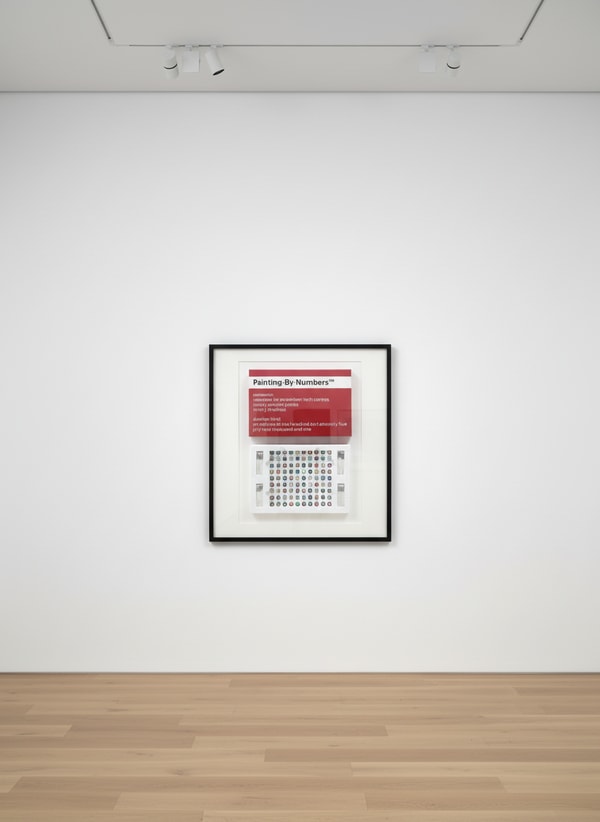
Damien Hirst
Painting by Numbers (red)
2001
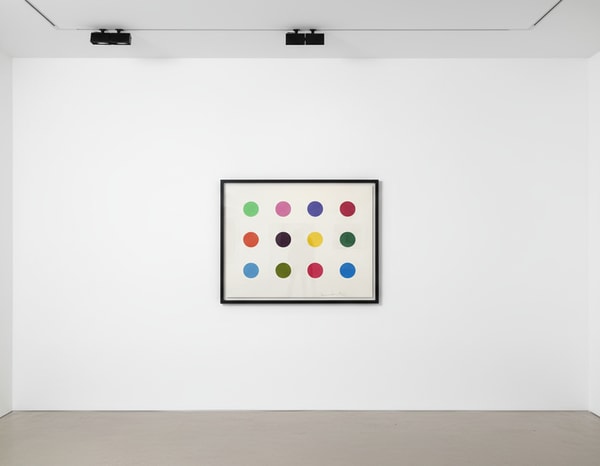
Damien Hirst
Perillartine
2011
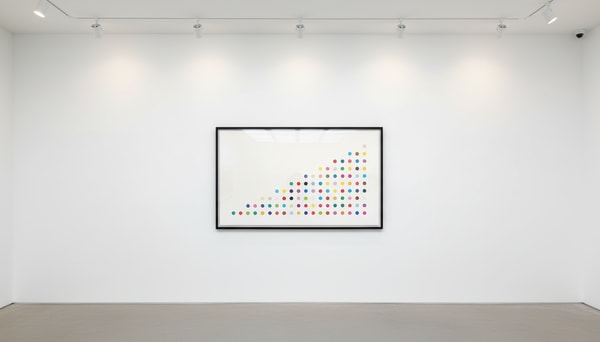
Damien Hirst
Phendimetrazine
2011
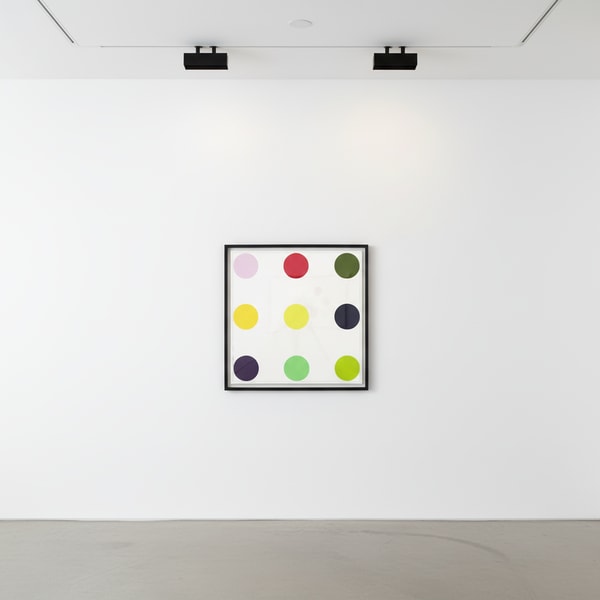
Damien Hirst
Phenformin
2010
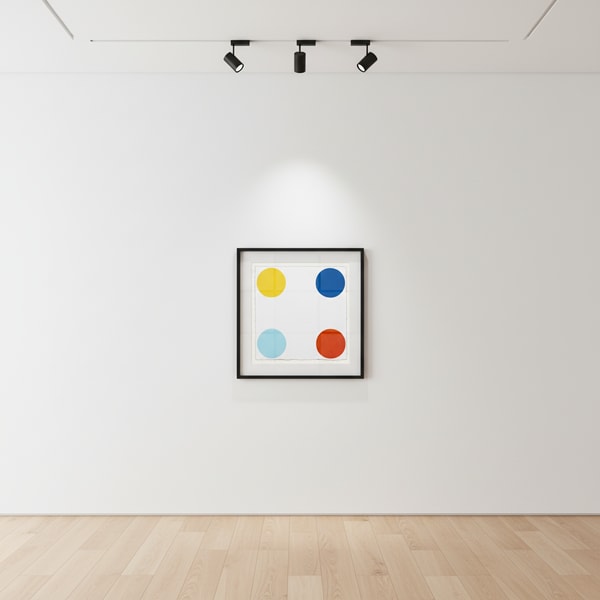
Damien Hirst
Phenyl Salicylate
2011
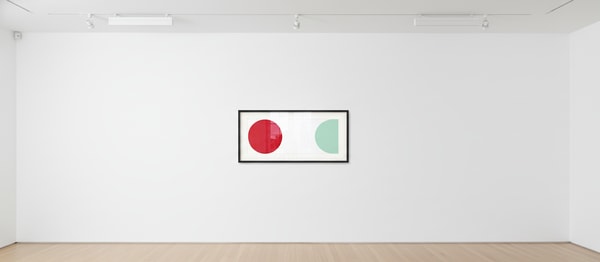
Damien Hirst
Picolinic Acid
2011
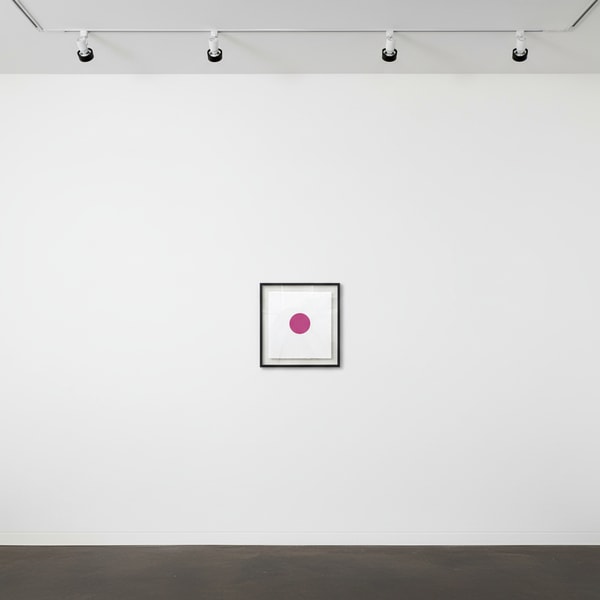
Damien Hirst
Picrotoxin
2011
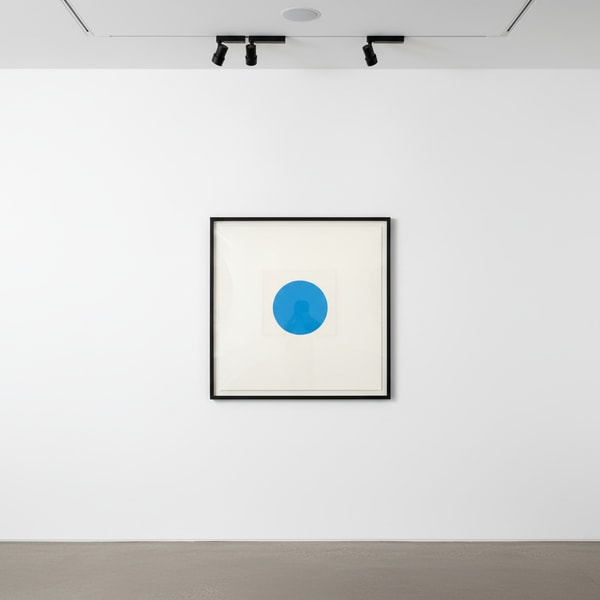
Damien Hirst
Pridinol
2010
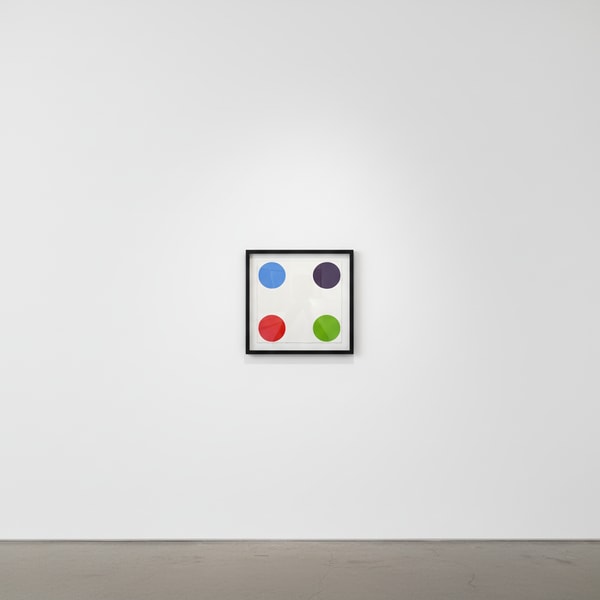
Damien Hirst
Probucol
2011
Damien Hirst
Proctolin
2008
Damien Hirst
Pyronin Y
2005
Damien Hirst
Quene 1-AM
2004
Damien Hirst
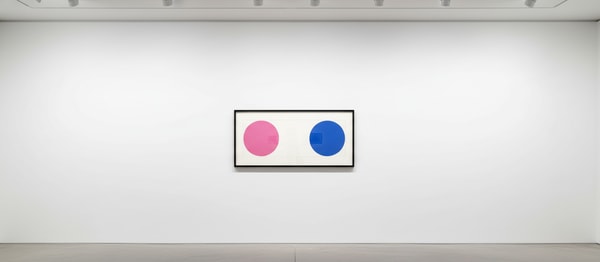
Quinaldic Acid
2010
Damien Hirst
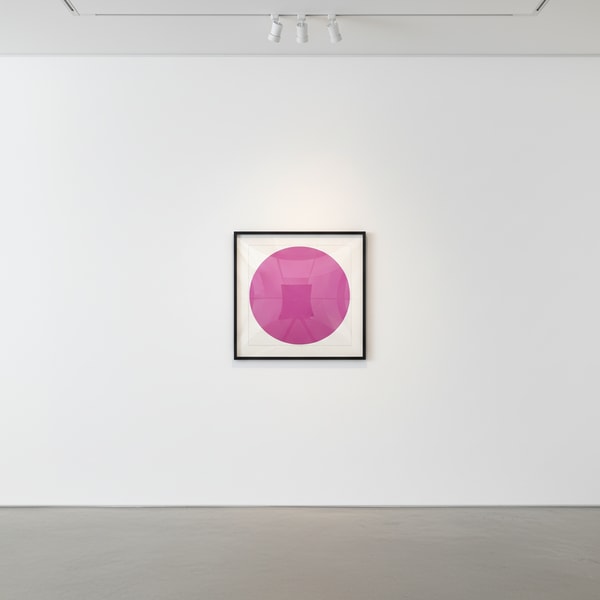
Quinizarin
2011
Damien Hirst
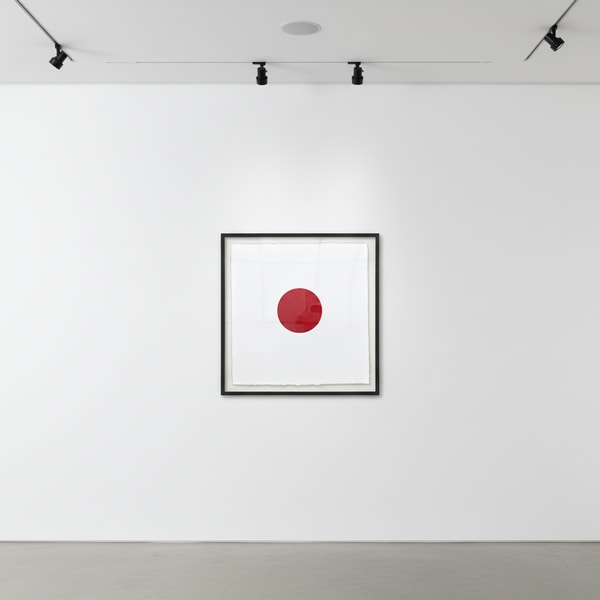
Quisqualic Acid
2011
Damien Hirst
Rhodotorulic Acid
2011
Damien Hirst
Ribonolactone
2011
Damien Hirst
S-Lactoylglutathione
2012

Damien Hirst
Tetrahydrocannabinol
2004
Damien Hirst
THR-Ser
2011
Damien Hirst
Triptophen
2010
Damien Hirst
Tryptophan
2010
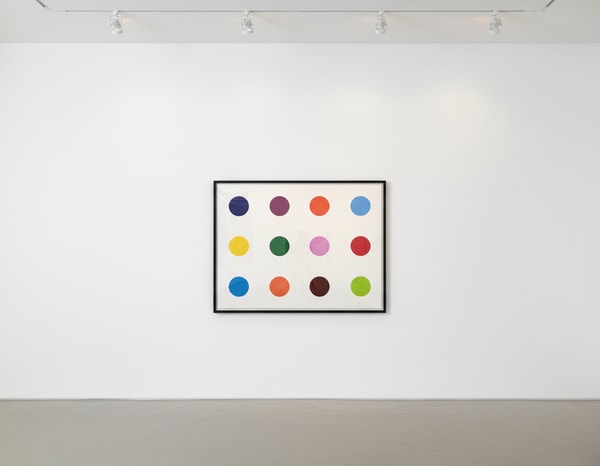
Damien Hirst
Tyloxapol
2010
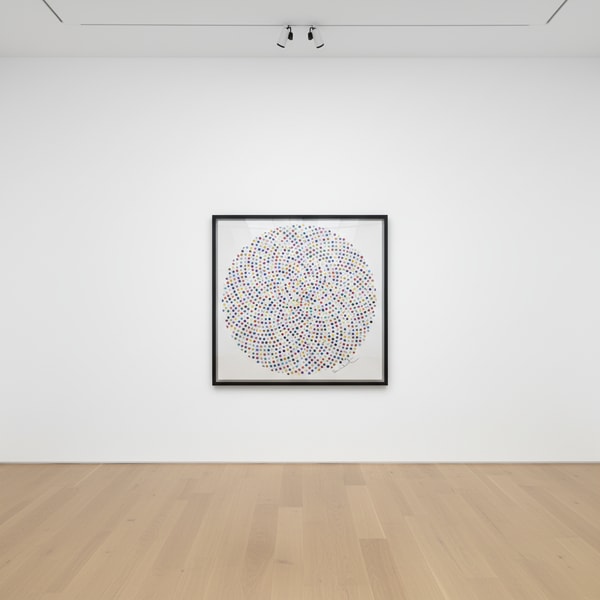
Damien Hirst
Valium
2000
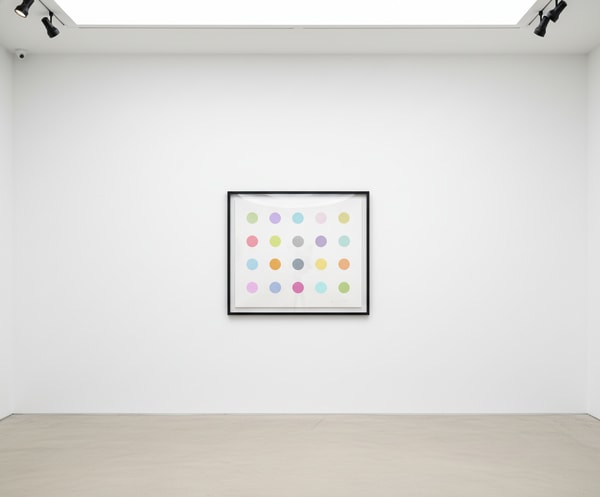
Damien Hirst
Vespula Vidua
2011
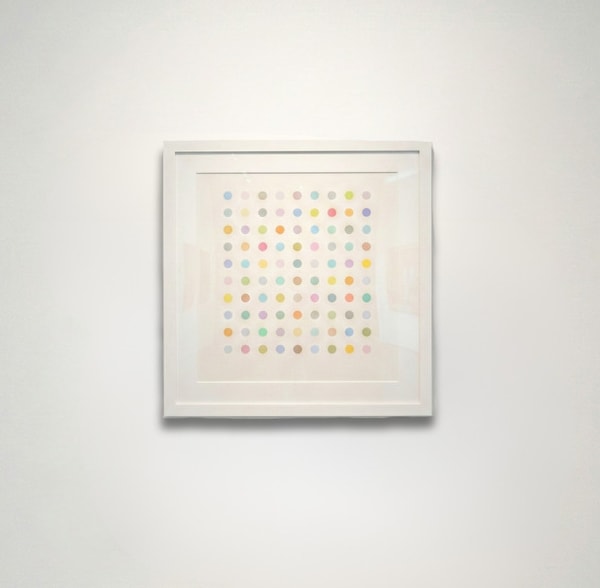
Damien Hirst
Vipera Lebetina
2011
Damien Hirst
Xylene Cyanol Dye Solution
2005
Five Facts About Damien Hirst Spot Prints
Damien Hirst's first print releases were a trilogy of pharmaceutical Spot prints - Valium, Opium and Lysergic Acid Diethylamide (LSD) - released by Eyestorm in 2000.
Valium was published as a screenprint in an edition of 500, Opium as a Lambda C-type print in an edition of 500, and LSD as a Lambda C-print in an edition of 300.
The titles were drawn from pharmaceutical and recreational drug names, continuing the naming convention Hirst adopted from the Sigma-Aldrich Biochemicals for Research and Diagnostic Reagents catalogue for his Spot Paintings.
Hirst's spot format spans multiple print techniques over the years, including screenprint, etching and woodcut, released by publishers including Other Criteria and Paragon Press.
The 12 Woodcut Spots (2010-2011), published through Other Criteria, are among the smallest spot print editions, with individual prints such as Tyloxapol issued in an edition of 48.
Market Data
See real auction history, estimate ranges and price benchmarks for individual Spot Prints prints, sourced from Christie's, Sotheby's and other major auction houses.
Frequently Asked Questions
Damien Hirst Spot Prints prints for sale are available at Guy Hepner Gallery, 177 Tenth Avenue, New York. We offer authenticated editions with full provenance documentation sourced from the secondary market and directly from publishers.
Damien Hirst Spot Prints works — 103 available — are typically produced as limited editions, individually signed and numbered by the artist. Contact Guy Hepner Gallery for edition details on specific works.
Pricing for Damien Hirst Spot Prints prints varies by edition size, date, and condition. Contact Guy Hepner Gallery for current market pricing and availability.
From the Journal
More Damien Hirst Series
View all Damien Hirst works →