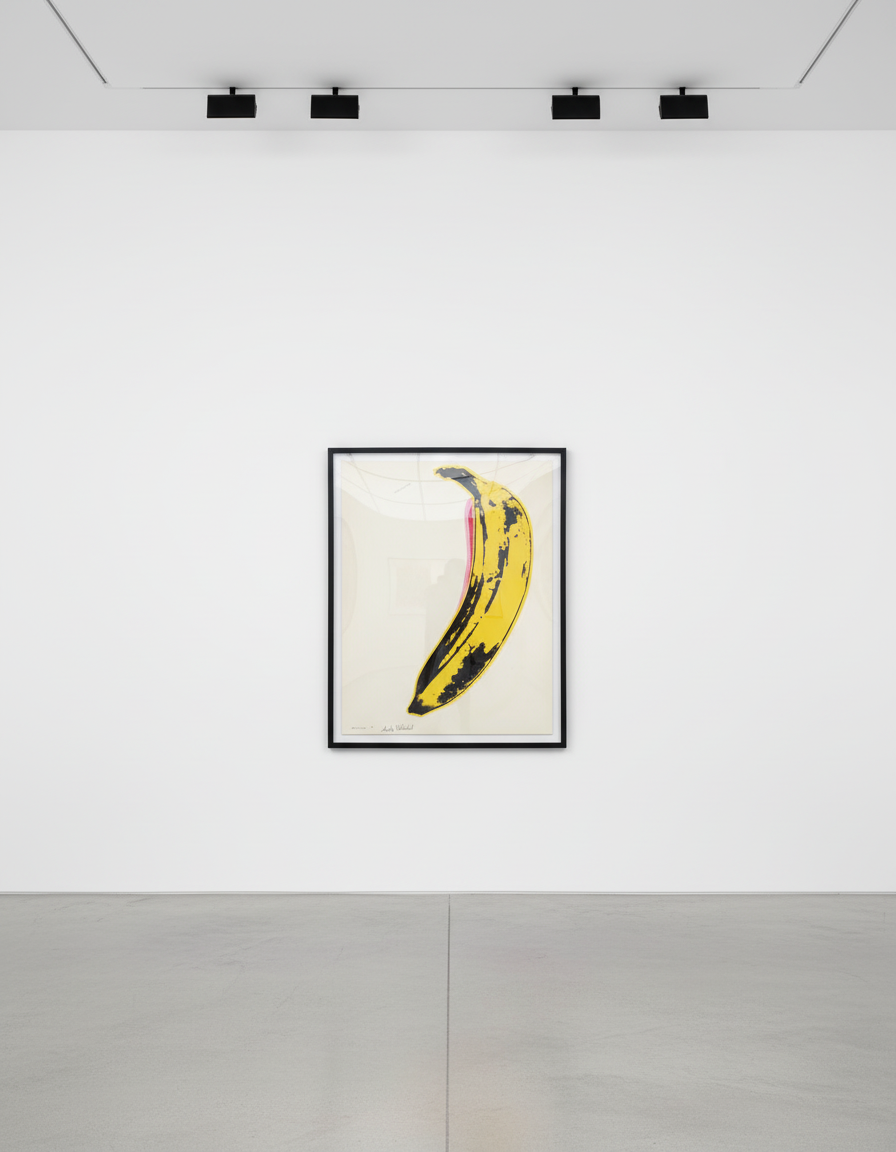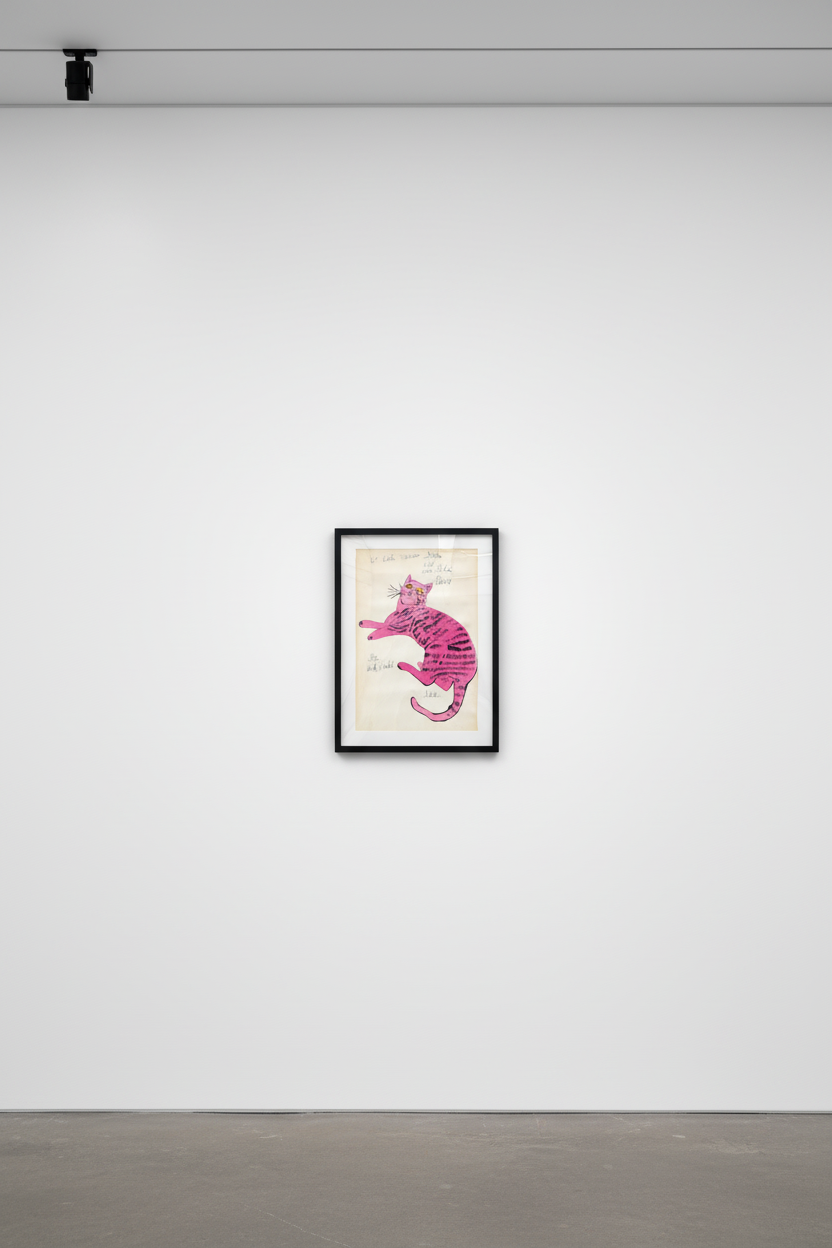
25 Cats Named Sam
20 works

Andy Warhol's Unpublished Prints represent one of the most strategically undervalued segments within his print catalogue—works that were produced during his lifetime but never formally published as editions, creating a category of exceptional rarity that sophisticated collectors increasingly recognize. The broader Warhol market continues to demonstrate extraordinary depth and resilience. Christie's May 2022 sale of Shot Sage Blue Marilyn (1964) for $195,040,000 established the highest price ever achieved for a 20th-century work at auction, fundamentally recalibrating collector expectations across his entire output. Mao F.S. II.96 and II.97 each achieving $4,648,000, while Sotheby's May 2025 sales placed Flowers works at $4,076,000 and $3,832,000 respectively.
F.S. IIIA 10 (1978) has demonstrated notable appreciation, achieving GBP 217,250 at auction in September 2011, with subsequent market activity confirming sustained collector demand. F.S. IIIA 3 (B) (1978) has consistently traded at USD 62,500 at auction, establishing a reliable value floor for portrait subjects within this category.
The Unpublished Prints span Warhol's late productive period from 1978 to 1983, representing experimental works created at the Factory but withheld from formal edition release. These pieces employ Warhol's signature screen printing techniques across diverse substrates—Curtis Rag Paper, HMP Paper, Lenox Museum Board, wallpaper, and Saunders Waterford paper—demonstrating his continued technical innovation during these years.
The series encompasses subjects that recur throughout Warhol's published work—Marilyn, self-portraiture, commodity objects, media imagery—yet presents them in formats and colourways that exist outside the standard catalogue raisonné entries. This positions them as essential documents of Warhol's creative process rather than merely alternative versions of familiar images. The 1978 Self-Portrait and Marilyn works emerge from the same conceptual period as his published portrait editions, while the 1982–1983 works including Querelle, Candy Box, Fish, and the newspaper prints reflect his engagement with commercial design and media culture in his final productive years.
F.S. IIIA 10 (1978) commands the strongest collector attention within this series. At 43 x 35 inches on Curtis Rag Paper, this work presents Warhol's most recognizable subject—himself—at gallery-appropriate scale. Self-portrait works consistently outperform other subjects at resale, driven by their art historical significance and immediate visual impact.
F.S. IIIA 3 (B) (1978) attracts collectors seeking Warhol's most iconic imagery at entry points substantially below published Marilyn editions. At 31 x 23 inches on HMP Paper, this work offers museum-quality presentation with accessibility that the major published editions no longer provide.
F.S. IIIA 27 (B) (1982) appeals to collectors interested in Warhol's later graphic work and his connections to cinema and queer culture—the image derives from his involvement with Fassbinder's film adaptation. The substantial 40 x 40 inch format on Lenox Museum Board delivers significant visual presence.
F.S. IIIA 39 (1983), printed on wallpaper at 44 x 30 inches, demonstrates Warhol's boundary-crossing between fine art and decorative design, achieving USD 23,940 at auction in April 2021. F.S. IIIA 45 (1983) and the Poinsettias works represent his continued engagement with commercial subjects and seasonal imagery.
Authentication of Unpublished Prints requires specialized expertise due to their position outside standard catalogue documentation. Each work should be accompanied by provenance tracing to the Warhol studio or estate, with verification through the Andy Warhol Foundation for the Visual Arts where applicable. Guy Hepner provides comprehensive provenance documentation and authentication support for every work we handle in this category.
Condition assessment focuses on substrate-specific factors. Works on Curtis Rag Paper and HMP Paper generally exhibit excellent long-term stability when properly stored. The wallpaper substrate of the Fish print requires particular attention to handling and storage conditions. Lenox Museum Board works including Querelle, Candy Box, and the newspaper print demonstrate archival-quality stability.
Screen print registration, ink saturation, and colour fidelity remain primary condition markers. Original Factory production typically shows precise registration and consistent ink density—variations may indicate later production or handling issues. Surface examination under raking light reveals any restoration or inpainting that affects value.
Guy Hepner maintains active inventory across the Unpublished Prints series with works available for immediate acquisition. Our New York team provides detailed condition reports, provenance documentation, and confidential pricing upon request. For collectors building significant Warhol holdings, we offer portfolio advisory services drawing on decades of focused experience in this artist's market.
Contact our acquisitions team to discuss current availability and strategic acquisition planning for this exceptional series.
This series belongs to the vast and varied body of print and painted work Warhol produced across five decades, during which he moved fluidly between celebrity portraiture, consumer product imagery, historical appropriation, and personal or commissioned subject matter — all filtered through the same signature screenprint process that flattened the distinction between mechanical reproduction and fine art. Warhol's insistence on treating commercial printing techniques as a primary artistic medium, rather than a secondary reproductive tool, remains one of the most influential positions in postwar American art.
Warhol's work is held in the permanent collections of major museums worldwide, including the Museum of Modern Art, the Whitney Museum of American Art, Tate Modern, and the Andy Warhol Museum in Pittsburgh, which maintains the most complete public archive of his output across all periods and subjects.
33 works available
Andy Warhol
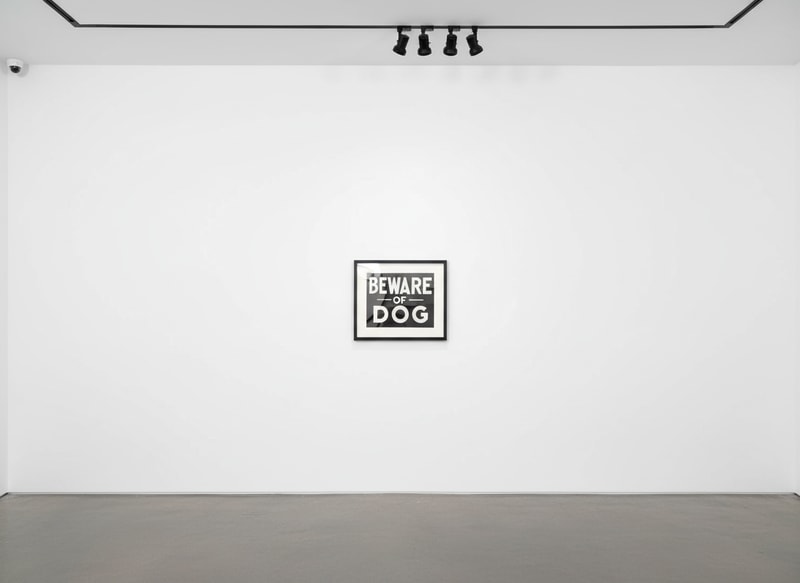
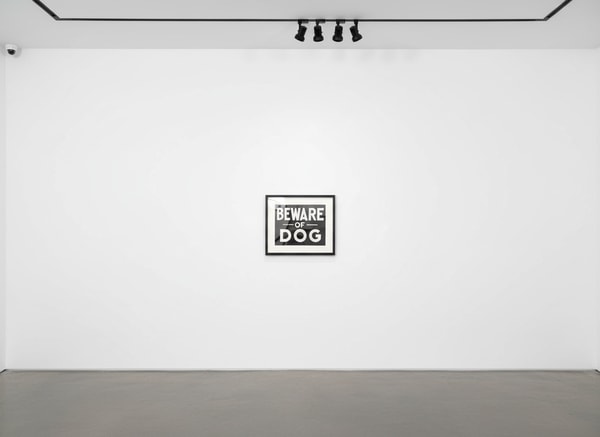
Beware Of Dog F.S. IIIA 48
1983
Andy Warhol
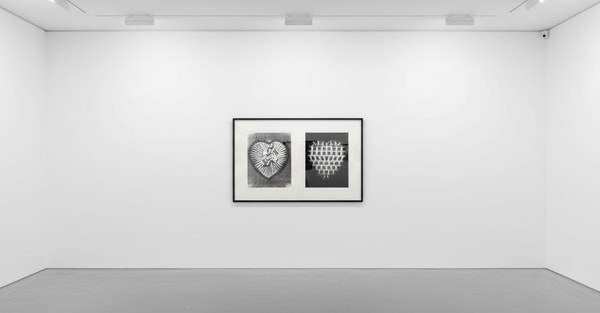
Candy Box (Closed and Open) F.S. IIIA 45
1983
Andy Warhol
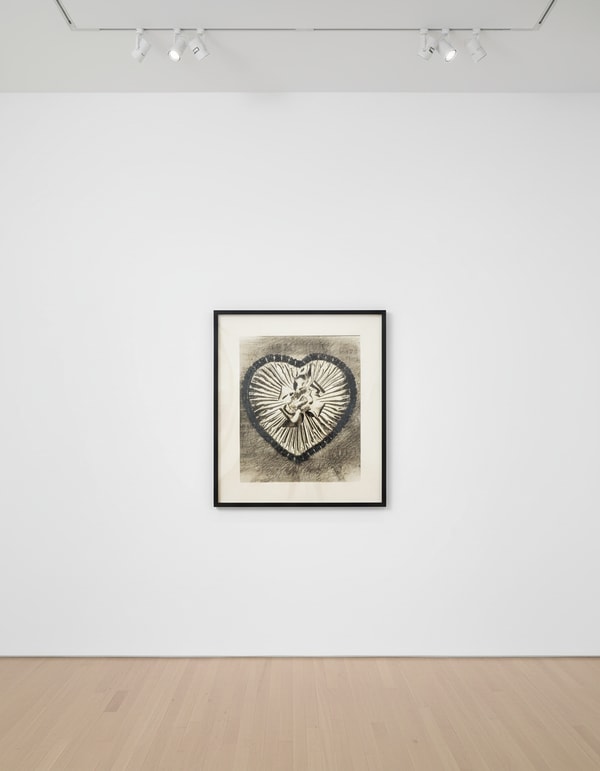
Candy Box (Closed) F.S. IIIA 42
1983
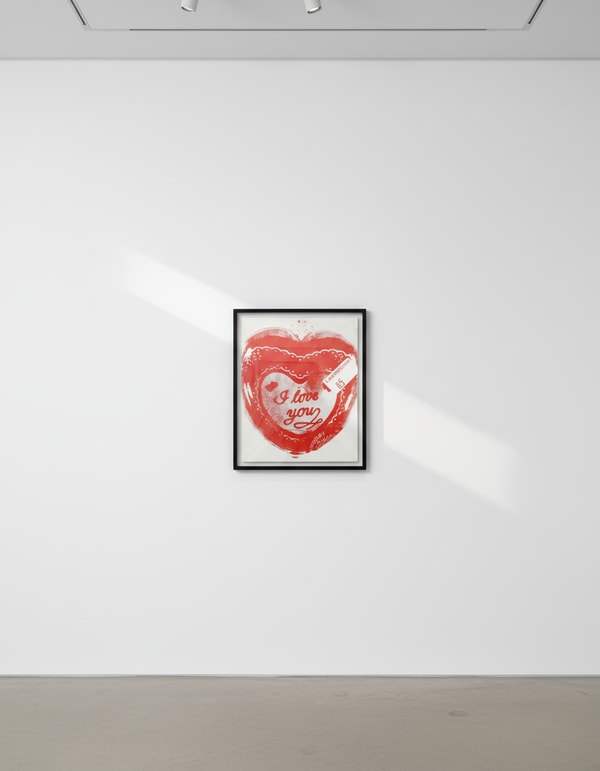
Andy Warhol
Candy Box (Lamston's 85 (Cents) F.S. IIIA 44
1983
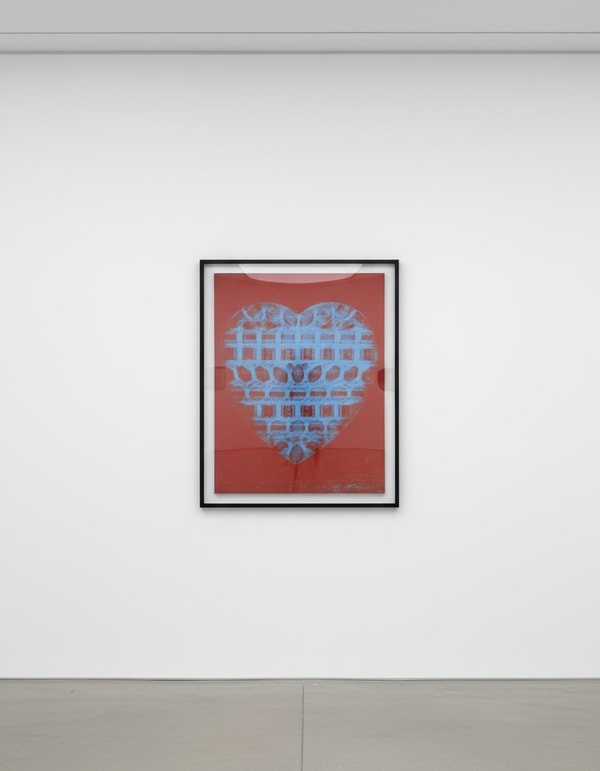
Andy Warhol
Candy Box (Open) F.S. IIIA 42
1983
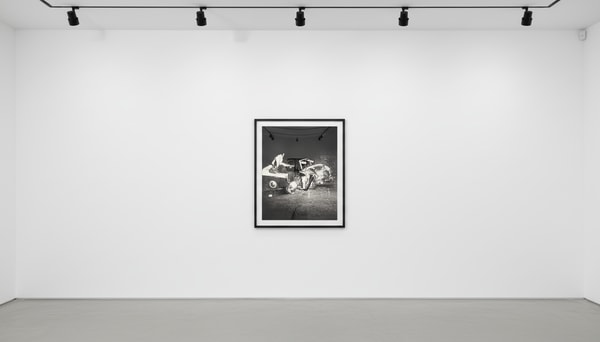
Andy Warhol
Car Crash F.S. IIIA 9 (A)
1978
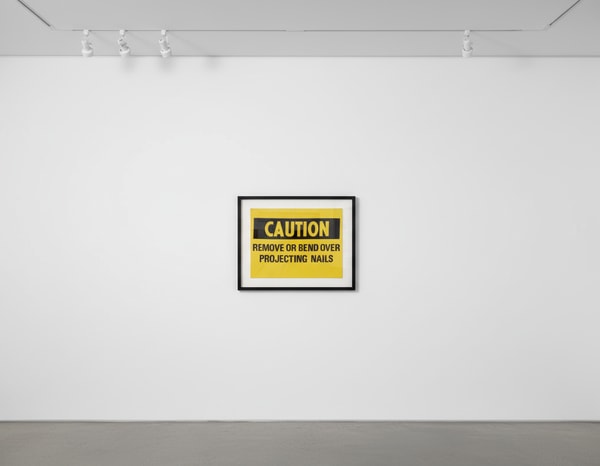
Andy Warhol
Caution Remove Or Bend Over Projecting Nails F.S. IIIA 47
1983
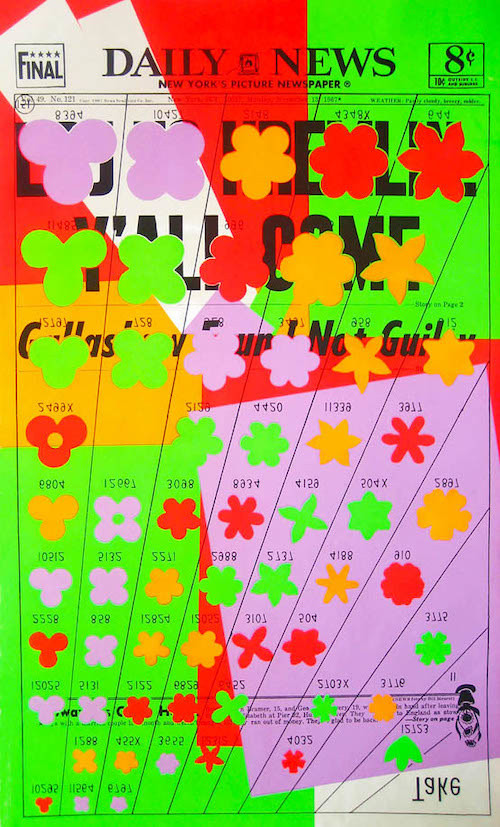
Andy Warhol
Daily News F.S. IIIB 1
1967
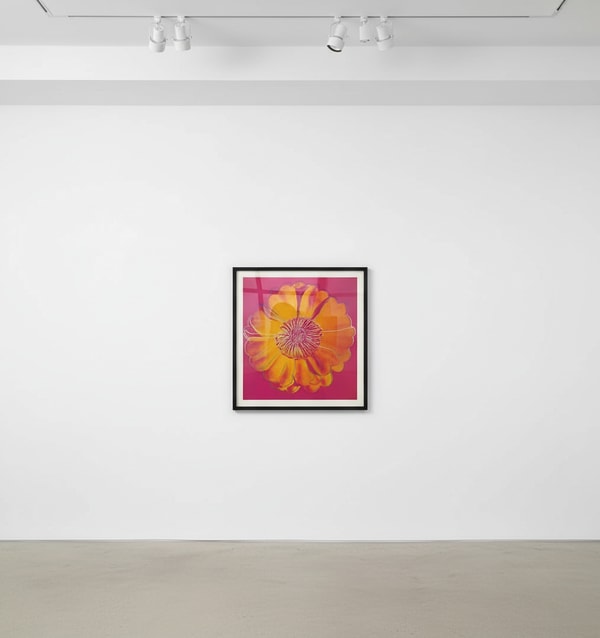
Andy Warhol
Flower For Tacoma Dome F.S. IIIA 37
1982

Andy Warhol
Flowers F.S. IIIA 14 (C)
1978
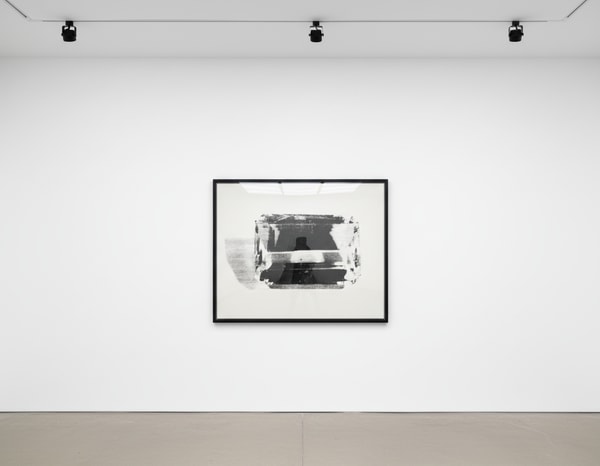
Andy Warhol
Gem F.S. IIIA 17 (A)
1978
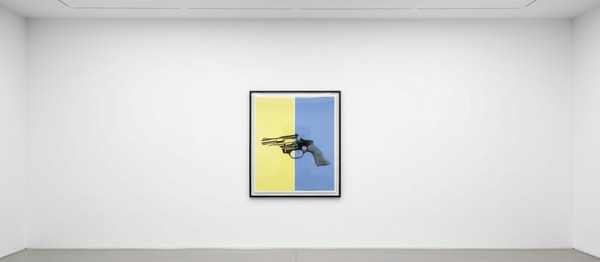
Andy Warhol
Gun F.S. IIIA 34 (A)
1982
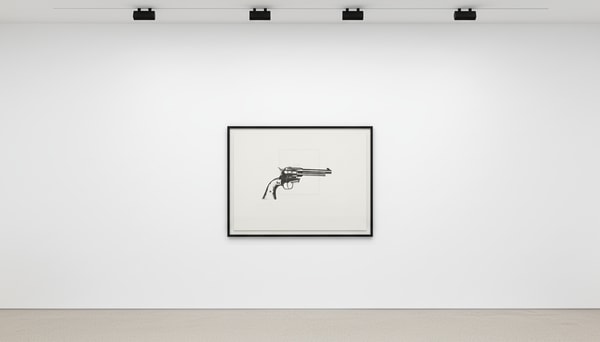
Andy Warhol
Gun F.S. IIIA 34 (B)
1982
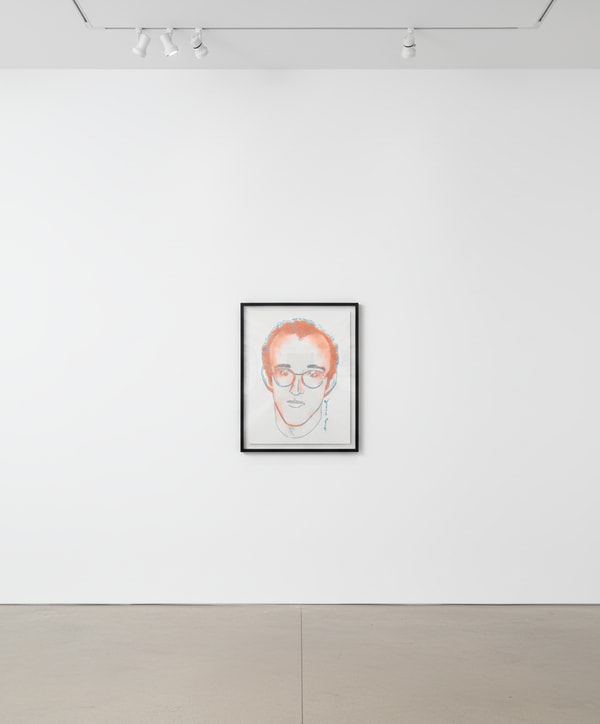
Andy Warhol
Keith Haring
1986
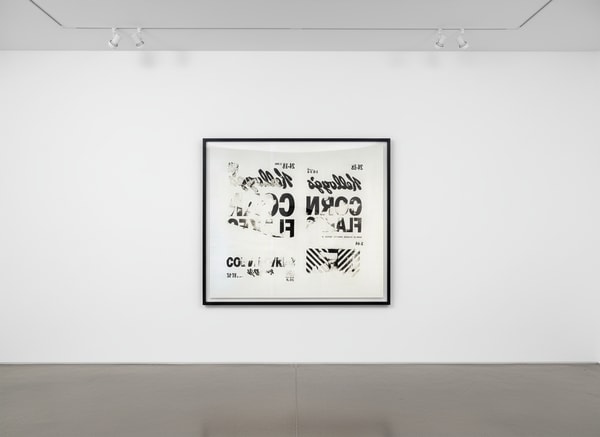
Andy Warhol
Kellogg's Cornflakes F.S. IIIA 12 (A)
1978
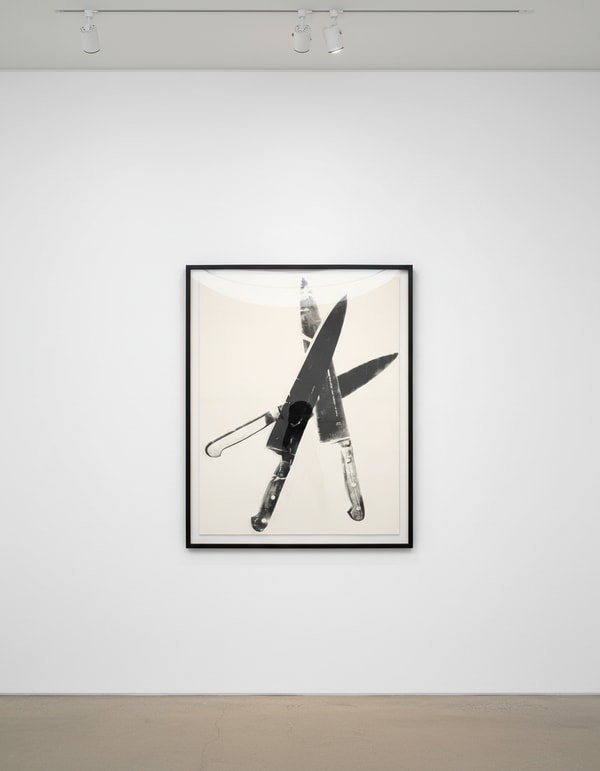
Andy Warhol
Knives F.S. IIIA 32
1982

Andy Warhol
Mao F.S. IIIA 6
1978

Andy Warhol
Marilyn Monroe (Marilyn) F.S. IIIA 3 (A)
1978

Andy Warhol
Marilyn Monroe (Marilyn) F.S. IIIA 3 (B)
1978
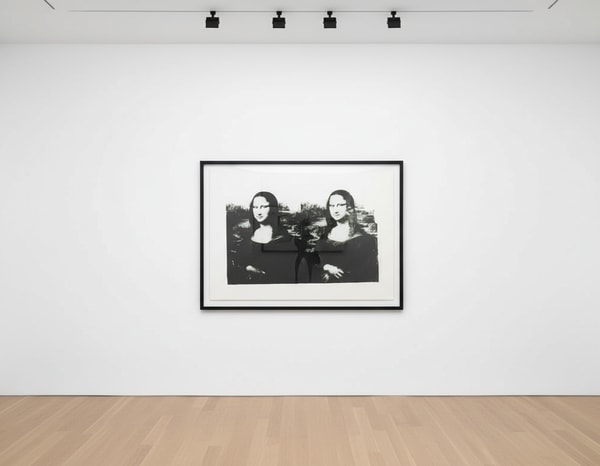
Andy Warhol
Mona Lisa F.S. IIIA 13
ca. 1978
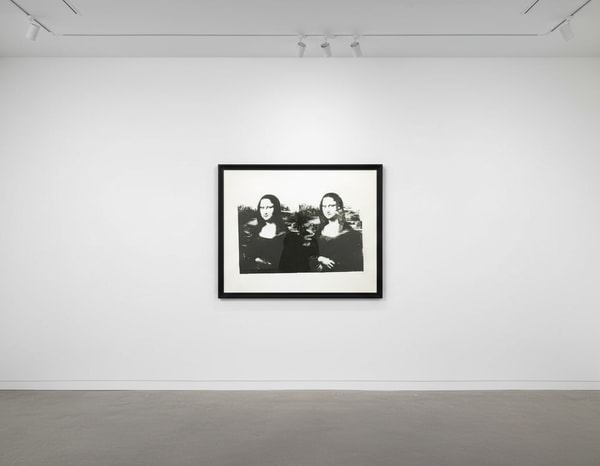
Andy Warhol
Mona Lisa F.S. IIIA 13 (B)
1978
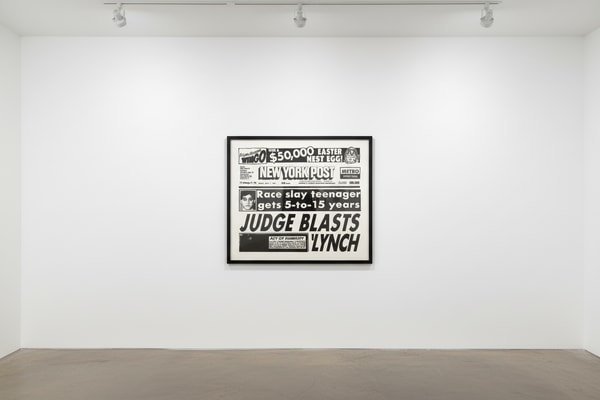
Andy Warhol
New York Post (Judge Blasts Lynch) F.S. IIIA 46
1983
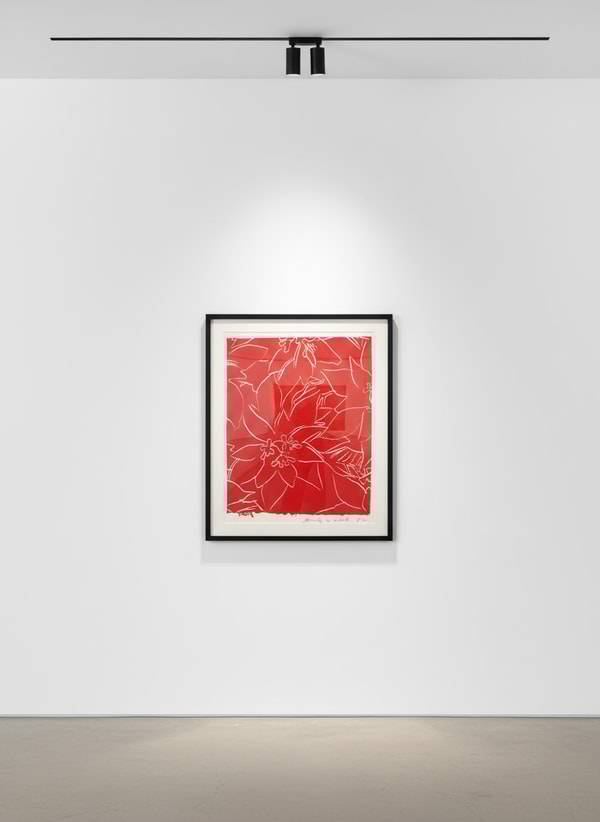
Andy Warhol
Poinsettias F.S. IIIA 50
1983
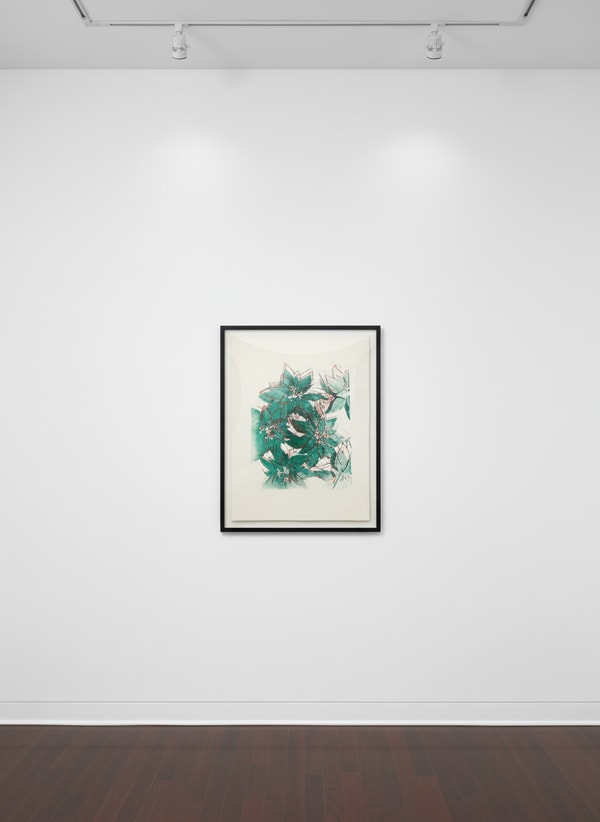
Andy Warhol
Poinsettias F.S. IIIA 51
1983
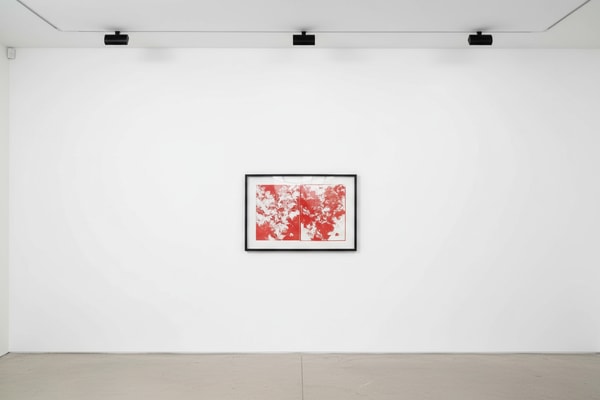
Andy Warhol
Poinsettias F.S. IIIA 52
1983
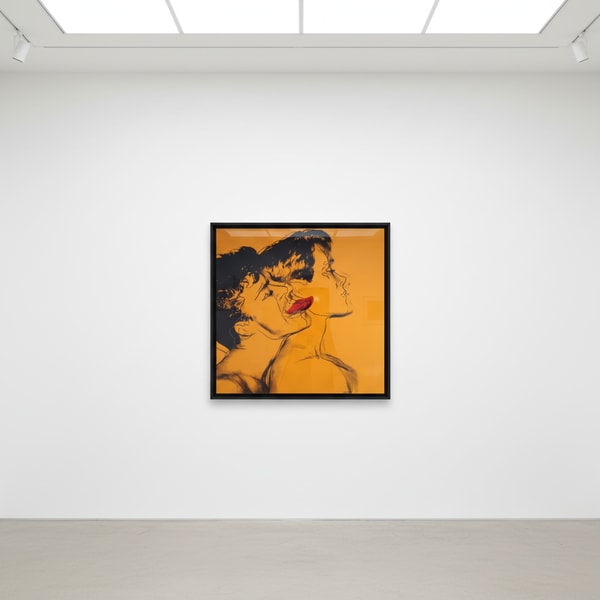
Andy Warhol
Querelle F.S. IIIA 27 (B)
1982
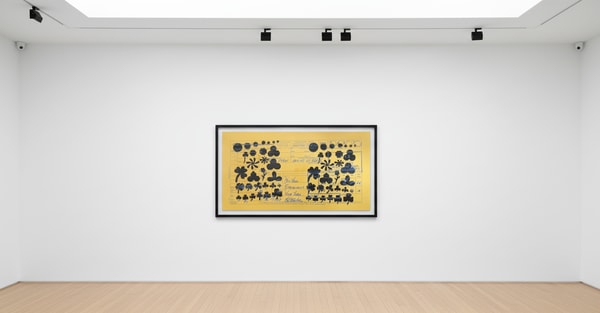
Andy Warhol
SAS Passenger Ticket
1968
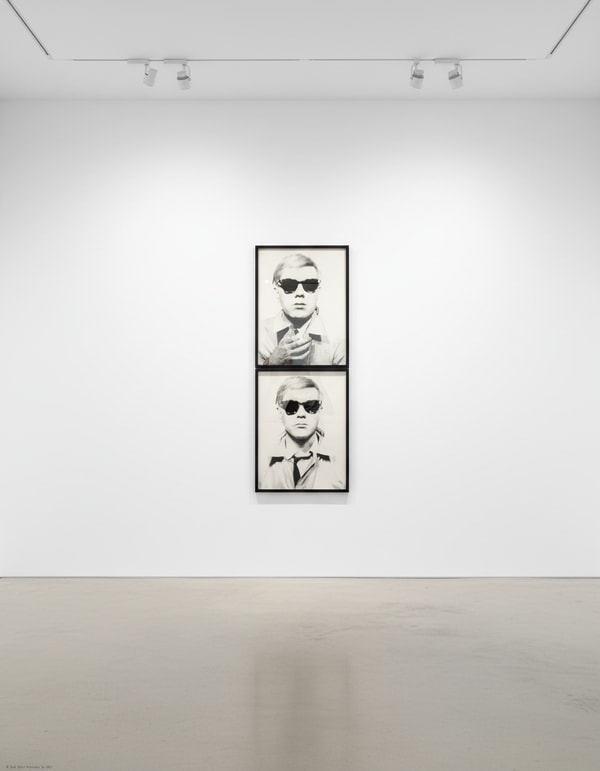
Andy Warhol
Self - Portrait F.S. IIIA 10
1978

Andy Warhol
Skull F.S. IIIA 1 (A)
1976

Andy Warhol
Studio 54 Complimentary Drink Invitation F.S. IIIA 16
1978

Andy Warhol
Ted Turner F.S. IIIB.45
1986
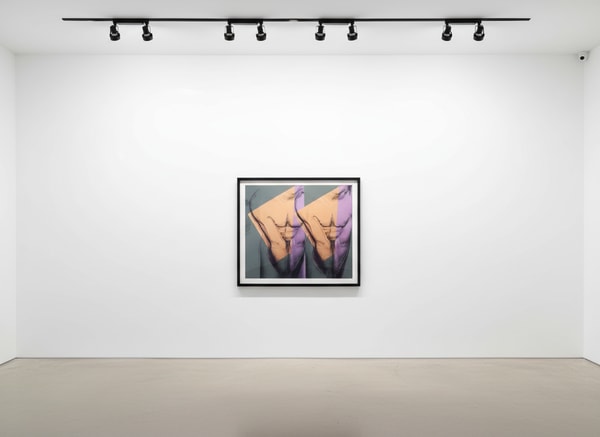
Andy Warhol
Torso (Double) F.S. IIIA 35
1982
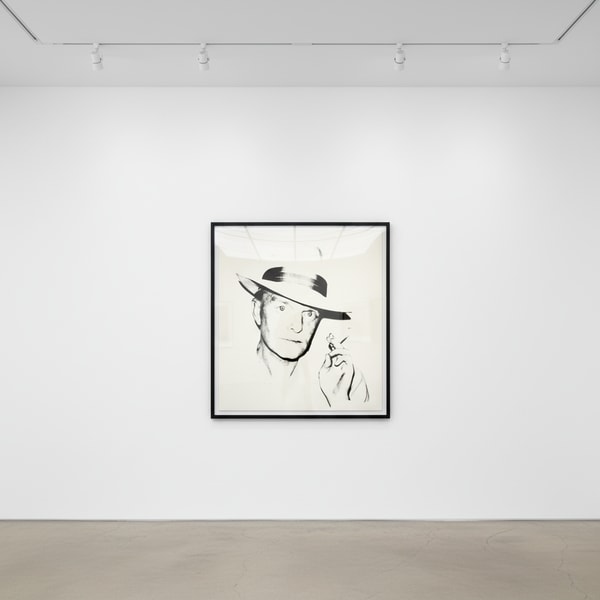
Andy Warhol
Truman Capote
1979
Five Facts About Andy Warhol Unpublished Prints
Andy Warhol's 'Unpublished Prints' refers to screenprints that were never issued as numbered editions — produced instead as gifts, proposals, or one-off commissions — and later catalogued by the Andy Warhol Foundation for the Visual Arts.
These works are grouped into three broad categories: Personal Projects (1967–1986), Commissioned Projects (largely 1980s advertising, magazine and book-cover work), and Portrait Projects (1967–1986).
Prints remaining within the Warhol estate are typically unsigned but bear an inventory number, the initials of an Andy Warhol Foundation representative, and a stamp reading 'The Estate of Andy Warhol' or 'The Estate of Andy Warhol and The Andy Warhol Foundation for the Visual Arts, Inc.'
Because Warhol often used the same screens on both canvas and paper, unpublished prints sometimes relate directly to commissioned paintings from the same period, differing mainly in support material.
Subjects within this category range widely, including athletes, fashion designers, and political figures, and include projects such as the After Munch series, which was never released as a formal published edition.
Market Data
See real auction history, estimate ranges and price benchmarks for individual Unpublished Prints prints, sourced from Christie's, Sotheby's and other major auction houses.
Frequently Asked Questions
Andy Warhol Unpublished Prints prints for sale are available at Guy Hepner Gallery, 177 Tenth Avenue, New York. We offer authenticated editions with full provenance documentation sourced from the secondary market and directly from publishers.
Andy Warhol Unpublished Prints works — 33 available — are typically produced as limited editions, individually signed and numbered by the artist. Contact Guy Hepner Gallery for edition details on specific works.
Pricing for Andy Warhol Unpublished Prints prints varies by edition size, date, and condition. Contact Guy Hepner Gallery for current market pricing and availability.
More Andy Warhol Series
View all Andy Warhol works →